South Western Sydney PHN is a not-for-profit health organisation dedicated to supporting general practitioners, practice nurses and other primary health providers.
SWSPHN has commissioned five allied health providers through the Multidisciplinary Team Care small grants program to improve access to allied healthcare and strengthen collaboration with small and solo general practices in Fairfield.
The fully subsidised services support priority populations and people living with chronic and complex health conditions. While the program focuses on strengthening multidisciplinary collaboration with general practices in Fairfield, eligible patients from across South Western Sydney can access the services.
Commissioned services
Active Evolution
MoveWell
MoveWell provides fully subsidised supervised group exercise for eligible people from culturally and linguistically diverse (CALD) communities.
The program has two streams:
Type 2 diabetes and obesity/weight management, with up to 12 participants per class
Cardiopulmonary health, including chronic obstructive pulmonary disease (COPD), with up to eight participants per class
The program will have four intakes throughout the year.
An accredited exercise physiologist provides each participant with a clinical assessment and individualised exercise program. Supervised group exercise is delivered in a private clinic gym.
Bloom Healthcare provides allied health services for children, adults and older people with a range of health, disability and wellbeing needs.
Their multidisciplinary team provides care in the person’s home, helping make allied health support more accessible for people who may experience mobility or other barriers to attending a clinic.
Bilingual practitioners and interpreters are available to support people with language needs.
Robment provides fully subsidised podiatry assessments and personalised foot health support for eligible Fairfield patients living with chronic conditions.
The service supports people experiencing:
diabetes-related foot concerns
foot or lower-limb pain
mobility or gait difficulties
falls risk
pressure-related concerns
The service includes a GP referral pathway and provides communication back to the referring GP.
The Psychology Fairfield Diabetes Service provides psychological care for people affected by diabetes and weight-related conditions.
The service can support people experiencing:
diabetes distress
eating disorders
depression
anxiety
The service combines clinical care, research and training to improve long-term health outcomes and provides accessible, evidence-based psychological support as part of a multidisciplinary model of care.
Services will be embedded and fully operational by December 2026. Further information about eligibility and referral pathways to come.
Why multidisciplinary care matters in Fairfield
Fairfield is one of Australia’s most culturally diverse local government areas, with 62 per cent of residents born overseas. The community also experiences socioeconomic disadvantage and low health literacy, which can make it harder for some people to access and navigate healthcare.
At the same time, an ageing GP workforce and a high number of small and solo general practices can limit opportunities for GPs and allied health providers to work together in the prevention and management of chronic disease.
Multidisciplinary care helps bring different health professionals together around a person’s needs. By strengthening connections between general practice and allied health, the program aims to improve access to care, support better chronic disease management and reduce fragmented care for priority populations.
03 August 2026
Our quarterly Spotlight on allied health feature, highlights the incredible work of providers across our community. This time we’re speaking with Rebecca McCarthy, an occupational therapist and co-founder of Wildflower Holistic Services at Tahmoor.
Background
Rebecca McCarthy is an occupational therapist and co-founder of Wildflower Holistic Services, a multidisciplinary allied health practice supporting children, young people and families across the Wollondilly region. Together with her team, she provides neuro-affirming, strengths-based and trauma-informed therapy, assessments and family-centred supports for individuals with a range of neurodevelopmental differences and mental health challenges. She is passionate about helping individuals build independence and confidence to be able to meaningfully participate across home, school and community settings. She says Wildflower’s holistic, collaborative approach is unique because it ensures everyone they work with receives personalised support which creates lasting outcomes and strengthens our local community.
What inspired you to become an OT and keeps you motivated in your work today?
I’ve always known I wanted to work in a profession where I could help people understand themselves, recognise their strengths, and use those strengths to achieve what is meaningful to them in life. When I discovered occupational therapy, I found a profession that aligned perfectly with those values, particularly the opportunity to work alongside children and their families.
What continues to motivate me today is the privilege of walking alongside clients through both the challenging and successful moments in their lives. I love seeing children and young people apply strategies we’ve explored in therapy, develop greater confidence, build independence and engage more fully in the activities which matter to them. It’s often the small wins which have the biggest impact, and celebrating those moments with families is incredibly rewarding. The relationships I build with clients and their families, and the trust they place in me, are what inspire me to keep showing up every day.
What do you wish more people understood about the role of your profession in primary care?
I wish more people understood occupational therapy is much more than helping people complete tasks. We help people participate in the activities and roles which give their lives meaning. In primary care, occupational therapists play an important role in supporting individuals to build independence, develop skills, overcome barriers, and improve their ability to engage at home, school, work and within their communities.
There is greater recognition needed for the preventative role occupational therapists play. Early intervention and timely support can reduce the need for more intensive services later, improve long-term outcomes, and help people remain engaged in education, employment and community life.
Occupational therapists bring a holistic perspective, considering not only a person’s challenges but also their strengths, environment, relationships and goals. By working collaboratively with families, schools, healthcare providers and other professionals, we help create practical and sustainable solutions which support participation and wellbeing across all stages of life.
When should other clinicians consider referring their clients to an occupational therapist like yourself?
Other clinicians should consider referring to an occupational therapist when a person is experiencing difficulties participating in everyday activities, regardless of whether the challenge relates to physical, cognitive, sensory, emotional, behavioural or developmental factors. Occupational therapy is particularly beneficial when these difficulties are impacting independence, learning, self-care, social participation, emotional regulation, school engagement, work or community involvement.
For children and young people, referrals are often appropriate when there are concerns regarding sensory processing, emotional regulation, attention and executive functioning, motor skills, self-care skills, school participation, social interactions, play or independence with daily routines. Occupational therapists can also provide support during key life transitions, such as starting school, transitioning to high school, or moving towards greater independence in adolescence and adulthood.
Early referral is important. Families are often told to “wait and see”, however timely assessment and intervention can help identify strengths and challenges early, provide practical strategies, and prevent difficulties from having a greater impact on a person’s participation, confidence and overall quality of life.
What does effective collaboration look like in practice with another health professional?
Effective collaboration is centred around the shared goal of achieving the best possible outcomes for the individual and their family. In practice, this involves open communication, mutual respect and recognising the unique expertise each professional brings to the team. No single clinician has all the answers, and the most meaningful outcomes often occur when professionals work together to develop a holistic understanding of a person’s strengths, challenges, goals and support needs.
As an occupational therapist, effective collaboration might involve working closely with GPs, psychologists, speech pathologists, physiotherapists, teachers, nurses and support providers to ensure everyone is working towards common goals. This can include sharing observations, coordinating intervention strategies, problem-solving challenges together and ensuring recommendations are practical and consistent across environments.
From my experience, the most successful collaborations occur when professionals are willing to listen, remain curious, and value each other’s perspectives. When we work together in a coordinated and family-centred way, individuals receive more consistent support, families feel less overwhelmed, and outcomes are often more sustainable and meaningful.
Please provide a success story you/your team have had which highlights the impact occupational therapy can have on a person’s life?
One memorable success story involved a young client whose goal was to learn a musical instrument and eventually perform in front of an audience. While this may seem like a simple leisure goal, achieving it required the development of many underlying skills, including fine motor coordination, bilateral hand use, rhythm, attention, concentration, following instructions and emotional regulation.
Together, we developed therapy activities which aligned with his interests and supported the skills needed to work towards his goal. We also provided practical strategies for home practice to encourage consistency between sessions. Over time, he developed the confidence and capability to learn musical notes, play a complete song and manage the nerves associated with performing in front of others.
The highlight was watching him perform in front of a crowd and seeing the pride he felt in achieving something which had once seemed overwhelming. For me, this perfectly captures the value of occupational therapy. It is not just teaching skills, but helping people build confidence, independence and the belief they can achieve goals which are meaningful to them.
What do you/your team enjoy most about working in South Western Sydney, and what would you say to allied health professionals considering working in this region?
It is the strong sense of community and connection. Families genuinely value authentic relationships and collaborative partnerships, and there is a shared commitment among local services, schools, healthcare providers and community organisations to work together in the best interests of children and families. Despite the region experiencing significant demand for allied health services, there is a real willingness from people to support one another and find practical solutions which make a meaningful difference.
For allied health professionals considering working in this region, I would say it is an incredibly rewarding place to practise. You have the opportunity to make a genuine impact, build strong relationships with families, and become part of a community which values compassion, collaboration and person-centred care. People here are looking for clinicians who are passionate, approachable and committed to helping others – not just showing up to do a job. If you value connection, authenticity and meaningful outcomes, South Western Sydney is a wonderful place to work and grow as a clinician.
What does a typical day in a life look like in your/your team’s role. Is there some aspect about your/ your team’s daily role that people may not expect?
No two days are exactly the same, which is one of the things I love most about occupational therapy. A typical day might involve planning and delivering therapy sessions, completing assessments, meeting with families, liaising with schools and other professionals, writing reports and documenting clinical notes. Much of our work is highly individualised, so a significant amount of time is spent adapting activities and interventions to suit each person’s goals, strengths and support needs.
At Wildflower Holistic Services, we also spend a lot of time providing parent education and coaching. Some of our most impactful work happens when we support parents and caregivers to better understand their child’s needs and equip them with practical strategies they can use in everyday life.
One aspect people may not expect is how much creativity and clinical reasoning is involved. While therapy can look like play, games, crafts, cooking or other everyday activities, every activity is carefully chosen with a therapeutic purpose in mind. Behind each session is a great deal of planning, problem-solving, assessment and collaboration to ensure we are helping clients work towards meaningful goals. Occupational therapy is often about finding creative and practical ways to build skills, confidence and independence in the environments where people live, learn, work and play.
What’s one wellbeing tip or personal practice you’d like to share with your colleagues across primary care?
My biggest wellbeing tip for colleagues across primary care is to recognise that looking after yourself is not selfish – it’s essential. As health professionals, we are often caring, nurturing people who naturally want to help others. We can easily find ourselves saying “yes” to more than we have capacity for, which can place us at risk of burnout over time.
For me, maintaining strong boundaries both professionally and personally is key. This means being intentional about where I invest my time and energy, saying no to things which don’t align with my values or capacity, and making space for the people and activities which help me recharge. When we prioritise our own wellbeing, we are better able to show up for our clients, our colleagues and our families.
Looking after yourself allows you to continue doing meaningful work in a sustainable way and ensures you can provide the best support to those who rely on you.
Rebecca McCarthy and her team take pride in their collaborative approach to providing care and ensuring everyone they work with receives personalised support which creates lasting outcomes.
03 August 2026
Our quarterly Spotlight on allied health feature, highlights the incredible work of providers across our community. This time we’re speaking with Rima Wehbi, a pharmacist and manager of the Chapel Street Pharmacy at Kingsgrove.
Background
Rima Wehbi is a pharmacist, accredited consultant pharmacist and manager of Chapel Street Pharmacy, a family-owned community pharmacy. Since 2014, the Chapel Street Pharmacy has supported the local community through accessible, person-centred care, including medication counselling, Home Medicines Reviews, vaccinations, dose administration aids and chronic disease support. Rima also works with the University of Sydney and is completing her Master of Philosophy (MPhil) in medication management, focusing on improving medicine safety and patient outcomes. She says her pharmacy is unique due to its strong community connection, clinical focus, research involvement and commitment to collaborative care.
What inspired you to become a pharmacist and keeps you motivated in your work today?
I come from a family with a strong healthcare background. Both of my parents are doctors, one of my brothers is a doctor and another is a pharmacist. Growing up, I saw the way my parents supported their patients and community, which inspired in me a deep passion for healthcare.
When I arrived in Australia, I worked in a community pharmacy as a pharmacy assistant and quickly fell in love with the profession. I saw how important pharmacists are in providing accessible care, practical medication advice and ongoing support which patients may not always have time to receive elsewhere.
What keeps me motivated today is the trust our community places in us. Every day, I have the opportunity to help people better understand their medicines, feel supported in their health journey and connect them with the right care when they need it.
What do you wish more people understood about the role of your profession in primary care?
It is important for clinicians, policymakers and the public to recognise pharmacists are not simply part of a retail environment; we are highly trained healthcare professionals and an essential part of primary care. Patients often come to us first because we are accessible, trusted and available without an appointment. We provide medication counselling, identify medicine-related problems, support adherence, monitor chronic conditions, deliver vaccinations and help patients navigate the health system.
Community pharmacy forms a strong backbone of primary care, especially at a time when general practice and hospital services are under increasing pressure. With the expansion of pharmacist scope of practice, including pharmacist prescribing supported by proper training, accreditation and clinical governance, pharmacists can contribute even more meaningfully to patient care.
Pharmacists should be better integrated into multidisciplinary teams alongside GPs, nurses, allied health professionals, hospitals and Primary Health Networks. This is not about replacing other healthcare professionals, it is about strengthening collaboration, improving referral pathways, reducing duplication, supporting earlier intervention and improving continuity of care for patients in the community.
Can you share an example of when working closely with another health professional improved patient outcomes?
Through my work as an accredited consultant pharmacist providing Home Medicines Reviews.
In this role, I work closely with GPs, nurses and other health professionals to identify medication-related problems and provide practical recommendations to improve patient safety.
For example, when reviewing older patients with multiple medicines, I may identify medicines which increase the risk of falls, confusion, sedation or poor adherence. By communicating these concerns to the GP and supporting the patient with counselling, dose administration aids or a simplified medication regimen, we can reduce medication burden and improve the patient’s confidence in managing their medicines.
This collaborative approach improves outcomes because each health professional contributes a different perspective. The GP understands the broader medical history, the pharmacist focuses on medication safety and adherence, and together we can create a more practical and person-centred care plan for the patient.
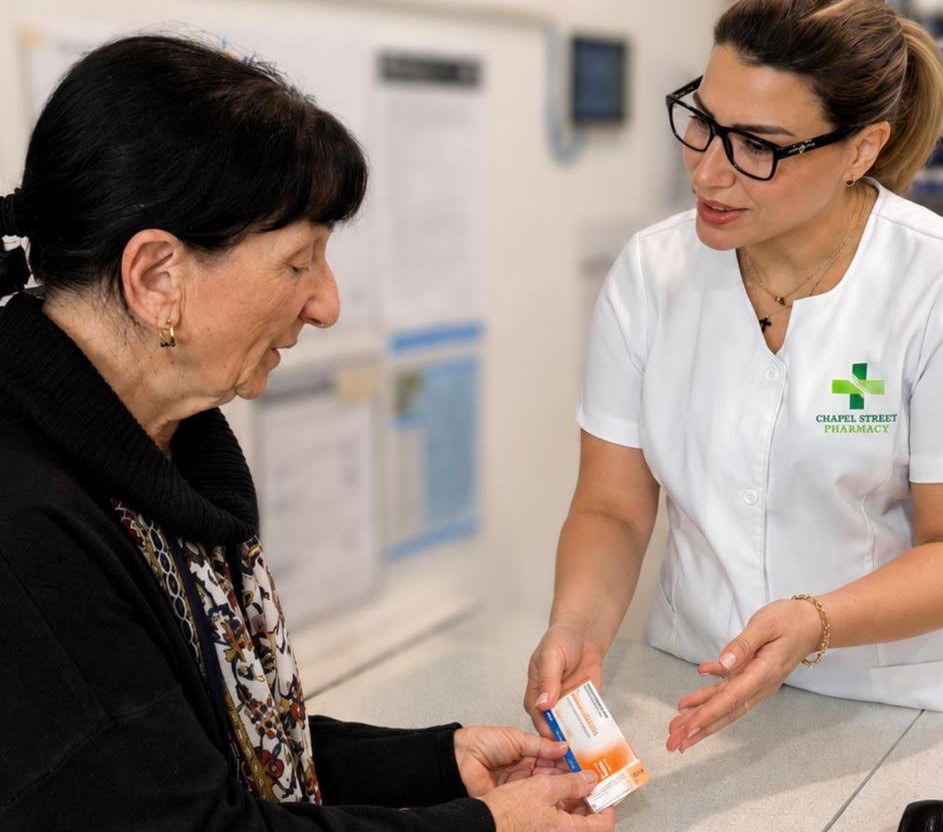
Pharmacist Rima Wehbi and the team at Chapel Street Pharmacy, Kingsgrove, believe their strong community connection and clinical focus makes them a trusted healthcare provider in their community.
How can other providers best recognise when to refer to your service, and collaborate effectively with your team or profession?
Other providers can best recognise the need to refer to community pharmacy services when a patient is experiencing difficulty managing their medicines, has multiple medications, has recently been discharged from hospital, is starting a new high-risk medicine, has adherence concerns, or may benefit from a Home Medicines Review or dose administration aid.
Effective collaboration begins with recognising and trusting the pharmacist as part of the patient’s primary care team. Sometimes the simplest and most effective step is to pick up the phone, call the pharmacist, ask questions, share concerns and work together on the patient’s care plan.
GPs, nurses, allied health professionals and pharmacists can collaborate more effectively by sharing relevant clinical information, medication changes, patient concerns and follow-up plans. This helps avoid duplication, reduces medication errors and ensures the patient receives consistent advice from the whole care team.
Community pharmacists are well placed to support patients between medical appointments because we often see them regularly and can identify early warning signs, medication confusion or changes in health. Strong referral pathways between general practice, pharmacy and allied health would allow us to provide more timely, coordinated and person-centred care.
What do you enjoy most about working in South Western Sydney, and what would you say to allied health professionals considering working in this region?
It is the privilege of serving one of the most diverse, hardworking and community-focused regions in NSW. Every day, we care for patients from many cultural backgrounds, many with complex health needs, language barriers, caring responsibilities or limited access to timely healthcare. This makes the role of local health professionals incredibly important.
South Western Sydney is a region where trust matters. When patients know you, when they feel listened to, and when services work together, the impact on their health and confidence can be significant. Working here has shown me primary care is not only about treating conditions; it is about building relationships, improving access and supporting people in a way that respects their family, culture and circumstances.
To allied health professionals considering working in this region, I would say this is a place where your work will genuinely matter and will always be rewarded through the trust, appreciation and relationships you build with the community. There is strong community need, but also enormous opportunity to make a visible difference through collaboration, education and person-centred care.
What excites you most about joining SWSPHN’s Clinical Council?
What excites me most is the opportunity to contribute a community pharmacy perspective to important conversations about primary care in South Western Sydney. As a new member, and as a pharmacist joining the council, I see this as an opportunity to demonstrate the valuable role pharmacists can play in shaping practical, patient-centred solutions.
Pharmacists see patients regularly, often between GP appointments, and we understand many of the real-world challenges people face with medication safety, access to care, health literacy, chronic disease management and continuity of care.
I am excited to be part of a forum where different health professionals can share their experiences, identify gaps in care and bring new ideas forward. I believe community pharmacy has an important role in supporting a more connected primary care system, and I hope to contribute in a way which shows pharmacists can make a meaningful difference.
For me, joining the Clinical Council is also an opportunity to advocate for patients, strengthen collaboration between providers, and ensure the community voice is reflected in planning and decision-making.
What does a typical day in a life look like in your role. Is there some aspect about your daily role people may not expect?
A typical day in my role is very varied, and often unpredictable, which is one of the things I enjoy most about community pharmacy. Our day can range from dispensing and simple medication counselling to managing complex medication interactions, supporting confused or vulnerable patients, organising dose administration aids, providing vaccinations, and communicating with GPs or other health professionals.
At times, the role can also involve urgent situations which people may not expect, such as assisting with wound care, assessing deep cuts or injuries, identifying when escalation is needed, and even responding to emergency situations such as resuscitation or patients becoming acutely unwell in the pharmacy.
Alongside my pharmacy role, I am also involved in medication management research through the University of Sydney, which strengthens my focus on medicine safety, falls prevention, adherence and patient-centred care.
One aspect people may not expect is how clinical and relational the role really is. Community pharmacists do much more than dispense medicines. We often know our patients and families over many years, notice changes in their health or behaviour, identify medication risks early, and help connect them with the right care. At the same time, we manage the operational, regulatory and business responsibilities required to keep an accessible healthcare service running every day.
What’s one wellbeing tip or personal practice you’d like to share with your colleagues across primary care?
Take a moment to reconnect with the purpose behind the work. Primary care can be busy, demanding and emotionally draining, especially when we are supporting patients with complex needs. However, even small interactions can make a meaningful difference to someone’s health, confidence or sense of support.
Personally, I try to remind myself we cannot pour from an empty cup. Looking after our own wellbeing, taking short pauses when possible, asking for help, debriefing with colleagues and maintaining strong professional relationships are all important. When we support each other as healthcare professionals, we are better able to support our patients and community.
03 August 2026
In the lead up to Allied Health Professions Day on 14 October, SWSPHN would like to thank all allied health practitioners who support our communities every day.
By 2041, South Western Sydney is expected to have a population of almost 1.6 million people, bringing with it a unique set of healthcare challenges.
Our region has an ageing population, while also experiencing increasing numbers of children and young families.
Addressing both healthy ageing and early childhood intervention within an increasingly complex healthcare system means no single primary care profession can meet the healthcare needs of our community alone.
Allied health professionals are a vital part of the primary care workforce, delivering high-quality, person-centred care while working alongside GPs, nurses and other health professionals to improve health outcomes across our region.
Multidisciplinary team-based care is a foundational pillar of a healthier community.
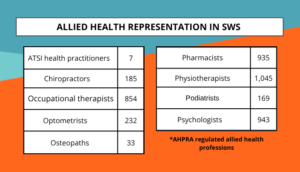
The breakdown below represents the AHPRA-regulated allied health workforce in our region. It does not include allied health professions which are not regulated by AHPRA.
Our Primary Care Workforce team is extremely fortunate to be able to engage with allied health practitioners across South Western Sydney.
Our team members are experienced allied health practitioners – Brendan is a pharmacist and Nisha is an occupational therapist. We bring a clinical perspective to our work and are always looking for practical ways to strengthen and support the allied health workforce.
One initiative we are particularly proud of is The Common Ground multidisciplinary CPD series.
Interestingly, before working together, Brendan had little understanding of the role occupational therapists play in primary care, while Nisha had only limited insight into the breadth of pharmacists’ roles beyond medication dispensing. Through working together, we quickly recognised if we had gaps in our understanding of each other’s professions, we likely had similar gaps in our knowledge of the wider allied health workforce.
As we engaged with the health workforce across the region, it became clear many clinicians wanted a better understanding of the different roles each profession plays and how they can work together to provide more coordinated, person-centred care.
This led to the creation of the Common Ground multidisciplinary CPD series, which showcases how GPs, nurses and allied health practitioners collaborate in the management of common chronic conditions affecting our communities.
To date, we have successfully delivered five Common Ground CPD events across South Western Sydney, with more than 50 allied health practitioners, 40 nurses and 76 GPs participating.
We remain committed to finding innovative ways to support allied health and strengthen multidisciplinary models of care across our region.
We would also like to hear from you.
Whether you’re interested in presenting at a future Common Ground event, being featured in our Common Ground newsletter, or sharing a successful multidisciplinary model of care from your practice, we welcome your ideas and experiences.
As we celebrate Allied Health Professions Day, we again extend our sincere thanks to every allied health practitioner serving South Western Sydney.
-SWSPHN Primary Care Workforce team
26 May 2026
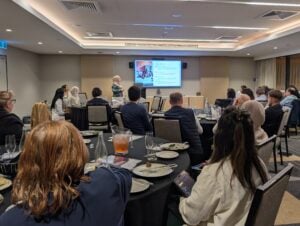
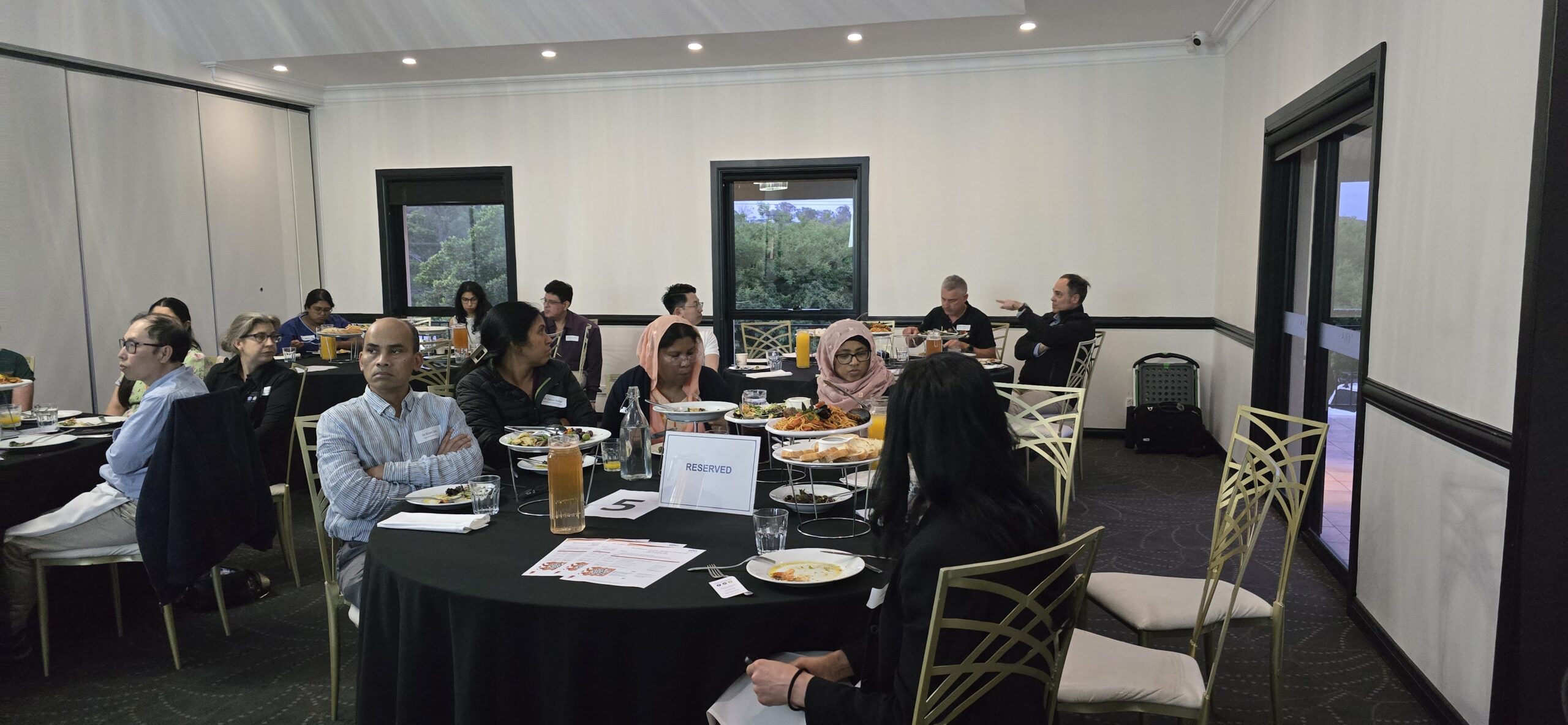
The participant group at the most recent The Common Ground CPD event reflected the aim of the series – to bring allied health practitioners and general practice together to work more effectively to improve patient care.
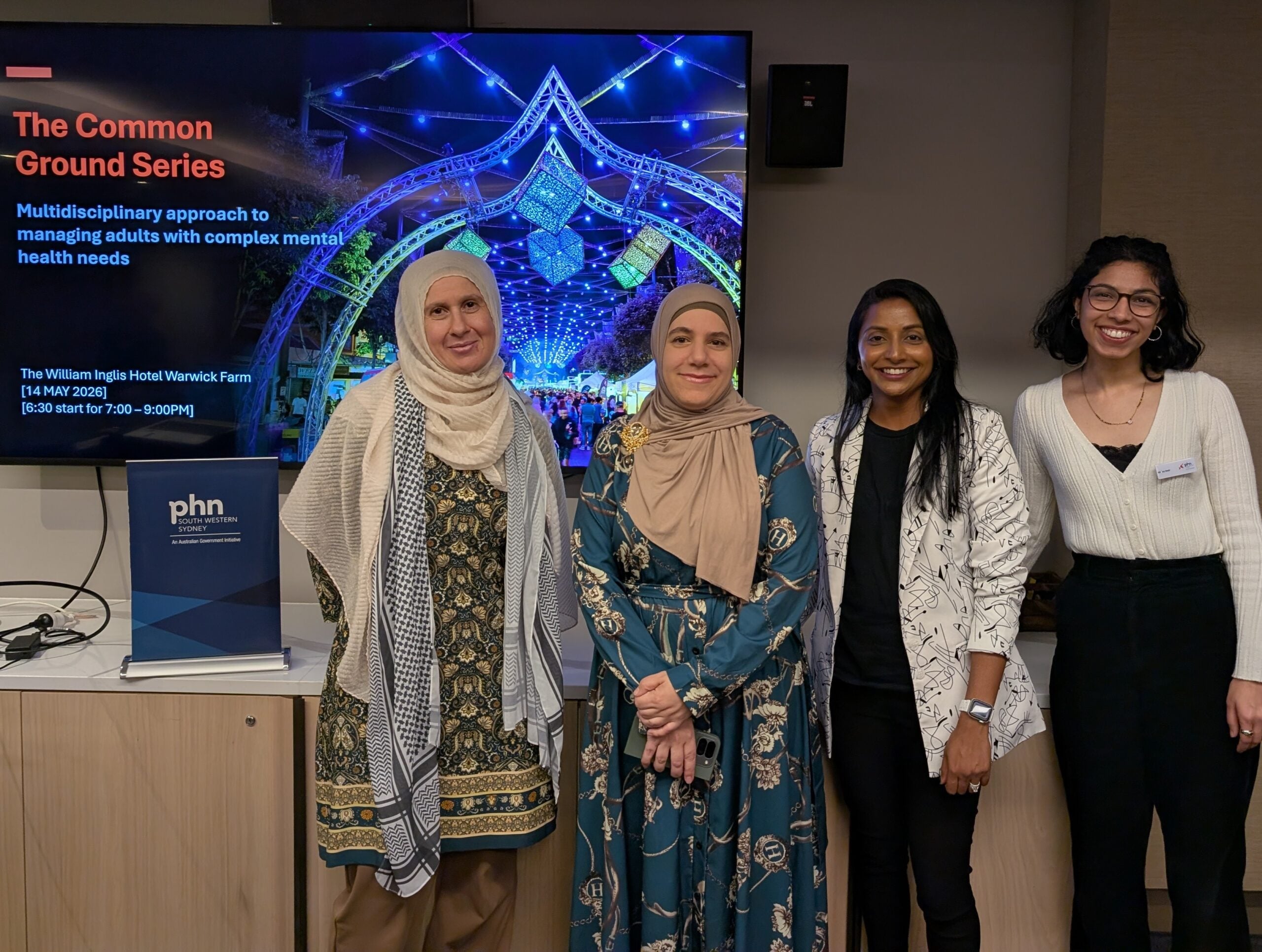
Thirteen GPs, eight allied health practitioners (two psychologists, two pharmacists, two podiatrists, one social worker and one physiotherapist) and six nurses joined the event which focused on Multidisciplinary collaboration in managing adults with complex mental health conditions.
Held as a face-to-face event at The William Inglis Hotel Warwick Farm on Thursday, 14 May, the panel showcased our regions’ cultural diversity with an all female panel including GP, Dr Hamshi Singh, nurse practitioner Amanda Butt, psychologist Hanan Dover and SWSPHN Workforce Engagement Coordinator and occupational therapist, Nisha Nair.
Participants gained insight into:
local challenges in managing chronic conditions and multimorbidity
the roles of healthcare professionals in coordinated care
practical strategies to improve collaboration and overcome common barriers
locally relevant tools to support patient-centred care
Participant discussion highlighted the importance of building local primary care relationships, involving allied health practitioners early in the conversation and supporting all specialities in managing the sometimes overwhelming workload of GPs.
Pictured above: Speakers Hanan Dover, Amanda Butt, Dr Hamshi Singh and Nisha Nair were part of the all-female panel at The Common Ground CP event in May.
07 May 2026
The National Allied Health Digital Uplift Plan aims to improve digital capability for the allied health workforce and allow care teams to share key information.
Developed by the Australian Digital Health Agency, in partnership with the Department of Health, Disability and Ageing and Allied Health Professions Australia, the plan offers training and support to start using tools such as My Health Record and Provider Connect Australia.
Improving the way health information is shared and accessed allows more timely, coordinated and personalised care, and better support and outcomes for patients.
Providers can email questions to digitalhealth@swsphn.com.au.
This quarterly feature highlights the incredible work of allied health providers across our community. This time we’re speaking with Nicole Robinson, Director and Principal Clinical Psychologist at ProActive Psychology at Fairfield and Bankstown.
Background
ProActive Psychology is a multidisciplinary psychology practice servicing Fairfield and Bankstown — two of Australia’s most culturally and linguistically diverse communities. Co-founded 12 years ago by Clinical Psychologist Nicole Robinson and Director Lindsay Brown, the practice offers psychological support to children, adolescents, adults and families across NDIS, Medicare, Star4Kids, You in Mind and private programs. With a team of 13 clinicians speaking Arabic, Vietnamese, Spanish, Hindi, Tagalog and Urdu, ProActive delivers evidence-based, culturally responsive care to people who have historically faced real barriers to accessing mental health services.
What inspired you to become a psychologist and keeps you motivated in your work today?
I was drawn to psychology because I wanted to do work which actually mattered in people’s lives. My vision was and continues to be providing high quality psychological care which is affordable and accessible for every person. South Western Sydney has never been short of such a need. I continue to be inspired by the clients I work with on a daily basis, regardless of their background, cultural diversity, orientation and mental health needs. What keeps me going now is the team I’ve built around me – in supporting provisional psychologists and registrars develop their clinical skills, and seeing the practice reach communities which genuinely had nowhere else to turn.
What does a typical day in a life look like in your role. Is there some aspect about your daily role which people may not expect?
A typical clinical day involves seeing clients across the full age range – I might see a six-year-old with a parent in the morning, an adolescent navigating school anxiety before lunch, and an adult processing complex trauma in the afternoon. What people probably don’t expect is the clinical leadership load which runs alongside it – supervising provisional psychologists and registrars, managing complex case consultations across the team, fielding referral queries, and keeping across AHPRA compliance requirements for a team of 14 clinicians. Running a practice of this size in a community this complex means the clinical work and the operational work are never fully separate.
What kinds of patients or health conditions do you see most often, and what are the key signs or situations where referral to your service makes the biggest difference?
At ProActive Psychology we commonly see children with anxiety, emotional dysregulation and behavioural presentations – many of whom are also navigating an attention deficit hyperactivity disorder/autism spectrum disorder and trauma. For adults, depression, trauma and adjustment difficulties are the bulk of what we see. The referrals which make the biggest difference tend to be the ones which come early, before the situation has escalated. A child at session two of 12 under Star4Kids, is a very different conversation from a family who’s been managing a difficult situation for three years before anyone suggested they get support. GPs who refer at first presentation – not after everything else has failed or only during crisis situations – consistently produce better outcomes. The earlier the intervention the better the outcomes. We’re also particularly effective when a family’s language or cultural background has been a barrier elsewhere; having clinicians who share that background changes the therapeutic relationship fundamentally and can reduce the shame and stigma which is commonly associated with mental health in many cultures.
Can you share an example of when working closely with another health professional (GP, pharmacist or allied health colleague) improved patient outcomes?
The Star4Kids program funded by the SWSPHN provides free psychological support and is a good example of what collaborative care looks like at its best. The PHN intake process means a child can arrive at our door having already been screened, assessed for appropriateness and referred through their GP with a Mental Health Treatment Plan in place. We also work closely with other health professionals. The Star4Kids program allows up to three sessions when the referral comes from a non-GP source. Because of this, we work closely with school counsellors, early childhood educators, caseworkers and other allied health professionals who are already supporting the child. This shared care approach enables us to build a holistic understanding of the child’s needs and provide early, coordinated intervention within a collaborative team framework.
What do you wish more people (including clinicians, policymakers and the public) understood about the role of your profession in primary care?
Psychologists in primary care play a crucial role in whole person healthcare, and I wish more people understood our work extends far beyond treating mental health symptoms. We are behaviour change specialists who support chronic disease management, disabilities, neurodiversity, lifestyle modification, family wellbeing and early intervention. By collaborating closely with GPs and other allied health clinicians, we help manage psychosocial complexity, reduce system strain, and improve both mental and physical health outcomes. Our contributions include tailored assessment, evidence-based interventions, culturally safe practice and preventative care which strengthens the entire primary care system.
What advice would you give to other providers about collaborating effectively with your profession?
Be specific in your referrals. “Anxiety” covers a lot of ground – knowing whether you’re referring a seven-year-old with separation anxiety, a 15-year-old with social phobia or a 45-year-old with health anxiety, changes what we do from session one. The more context you can give us, the better we can serve your patient. Also: stay in the loop. Psychology doesn’t work in isolation, and if something significant shifts – a new diagnosis, a medication change, a family crisis – we want to know, because it changes the clinical picture we’re working with. The practices where collaborative care actually works are the ones where the referrer still considers the patient theirs, not a hand-off.
As a psychology clinic, we’ve found the most effective collaborations share a few consistent features: clear communication, shared goals and a genuine respect for each profession’s expertise. Psychologists bring a behavioural, relational and formulation driven lens to care, and when this is integrated well with medical and allied health perspectives, outcomes improve for everyone involved – especially the client.
Please highlight a success story that you would like to share about your work as a STAR4kids provider.
Without identifying any individual, I can describe a pattern we see regularly which I find genuinely meaningful. A child arrives – often referred by a GP who’s been managing consultations from a distressed parent for months – presenting with what looks like pure behavioural difficulty. School reports are poor, the family is stressed, the parents have started to doubt themselves. Over 12 sessions, working with both the child and the parents, the picture becomes clearer: there’s an anxiety component which has been presenting as defiance, cultural factors the family hasn’t felt safe raising elsewhere, and a parenting approach which – with very small adjustments – produces a significant shift in how the child functions at school and at home. By session 12, the GP is seeing a different family. The Star4Kids program makes that possible by removing cost as a barrier entirely. In Fairfield and Bankstown, that matters more than I can state.
What keeps you motivated to continue working in South Western Sydney and what would you say to allied health professionals considering working in this region?
Honestly? The community. South Western Sydney is genuinely one of the most interesting places to practise psychology in Australia – the cultural diversity, the complexity of presentations, the multigenerational family dynamics, the intersection of migration, trauma, socioeconomic pressure and extraordinary resilience. You will never be bored, and you will never run out of meaningful work. To any allied health professional considering the region: come with genuine curiosity about communities different from your own, be willing to slow down and build trust with families who may have very good reasons to be cautious of medical and allied health services, and understand the work you do here has a disproportionate impact because the need is real and the alternatives are limited. You will be stretched. That is the point.
What role can the PHN play in supporting your profession and strengthening primary care in South Western Sydney?
Star4Kids is already a strong example of PHN doing what it’s supposed to do – creating a funded pathway which removes cost as a barrier for children families who would otherwise go without. The areas where I think there’s more to do: earlier identification pathways in schools and early childhood settings, better coordination between mental health services so families aren’t navigating a fragmented system on their own and sustained investment in workforce development in the region. Culturally and linguistically diverse clinicians are undersupplied relative to the community’s needs. The PHN has a real role to play in making the region attractive for clinicians who reflect the communities they serve – through placements, training support and working with practices like ours who are actively building capacity.
What’s one wellbeing tip or personal practice you’d like to share with your colleagues across primary care?
Supervision is not a luxury. If you’re carrying complex cases without regular clinical consultation – whether that’s formal supervision, peer supervision or even a good debriefing conversation with a trusted colleague – you’re running a risk which accumulates quietly over time. The same rigour we apply to client wellbeing has to be applied to our own. In South Western Sydney in particular, the presentations are heavy, the systemic barriers are real and the vicarious exposure is significant. Making space for self-reflection and self-care is fundamental to prevent burn out and keeps the work sustainable.
If you’re an allied health provider in South Western Sydney and would like to be included in Spotlight, email alliedhealth@swsphn.com.au
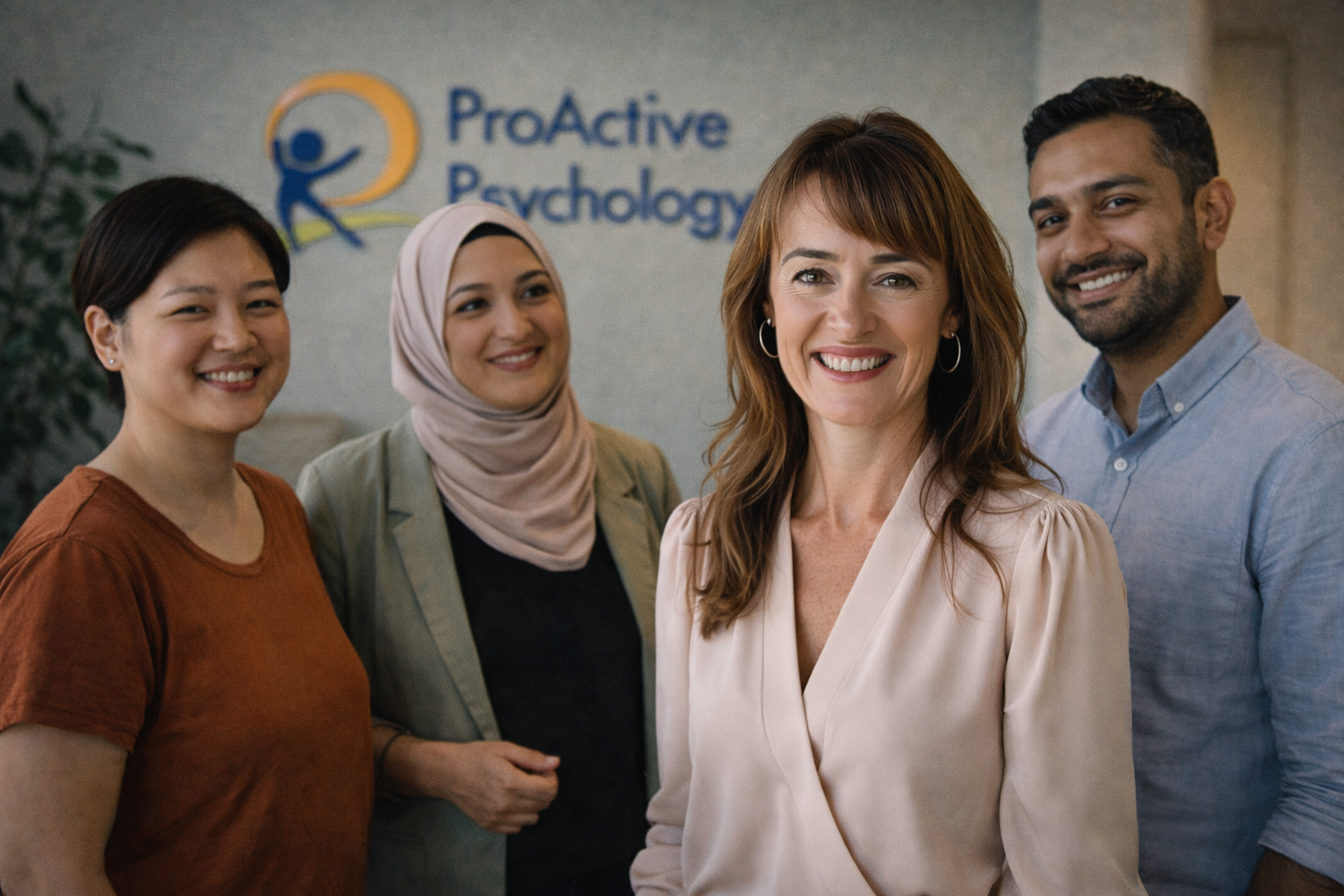
PICTURED ABOVE: Nicole Robinson (second from right) and the team from Proactive Psychology strive to provide culturally responsive care to people who have historically faced real barriers to accessing mental health services.
04 May 2026
‘When managing patients with complex chronic pain, I don’t know which local allied health providers are taking referrals, what their wait times are or whether they speak a language my patient speaks.’ – Fairfield GP
SWSPHN’s allied health team believes the key to overcoming barriers to multidisciplinary care like the one reflected above, is building connections and communication between allied health providers and general practice, and developing initiatives shaped by the realities of practising in our region.
To this end, our allied health team has engaged with allied health professionals across Fairfield local government area during the past few months. The team spoke with four speech pathologists, three exercise physiologist, three physiotherapists, two chiropractors, two occupational therapists and one psychologist.
Why was Fairfield LGA targeted?
the LGA has an ageing population and an ageing, often solo or small practice GP workforce which should result in an increased demand for allied health services in chronic disease management and an increased burden on the healthcare system
the LGA’s low socioeconomic status is a barrier to children accessing allied health services; allied health is critical to early intervention, prevention and shaping positive long-term health outcomes
the need for timelier, and better coordinated and connected care; a strong GP-allied health relationship will create more consistent, appropriate and prompt referrals
allied health services operate across a diverse business model
Why was this engagement important?
better health outcomes for the community through stronger use of allied health services
improved multidisciplinary team care, where allied health is actively integrated into patient care pathways
increased access and utilisation of preventative health services, where allied health plays a leading role
What feedback did we receive?
The feedback had three main themes:
mixed levels of engagement and different referral pathways between general practice and allied health resulting in missed opportunities for patient care and reducing multidisciplinary care utilisation
low awareness of allied health roles, particularly in culturally and linguistically diverse communities, resulting in patients potentially not accessing the services they need
a fragmented health system with poor information sharing, which delays care, reduces collaboration, increases the administrative burden and creates a siloed workforce
What initiatives are being undertaken to address these barriers?
Multidisciplinary Team Care small grants program for allied health professionals who service the Fairfield LGA. The grants aim to increase collaboration between allied health services and small/solo GP practices to increase access to allied health services
GP-allied health co-education and networking events: Joint sessions for GPs and allied health professionals to learn together, build relationships and understand each other’s roles. These events are already receiving positive feedback. Following February’s face-to-face event for GPs and allied health professionals, Bowral GP, Dr Fiona Mackintosh said:‘Getting GPs and allied health to meet each other and chat about a common issue, was worth the effort and is more meaningful than we can possibly know’
SWSPHN’s Clinical Council: The inclusion of formal allied health representation on SWSPHN’s Clinical Council for the first time, provides a unique opportunity to contribute directly to regional decision-making alongside GPs and other clinical leaders
What are we doing next?
continuing to identify opportunities to increase allied health service visibility and service navigation
exploring opportunities to improve allied health integration into the primary care digital eco-system to improve efficient referral pathways and secure clinical note transfers. Read about the National Allied Health Digital Uplift Plan below
We hope you’ll read on, share your ideas and help shape our focus during the year. Keep in touch by emailing alliedhealth@swsphn.com.au or contacting Brendan Chiew or Nisha Nair at 4632 3000. Please share this newsletter with your colleagues and encourage them to subscribe via our website.
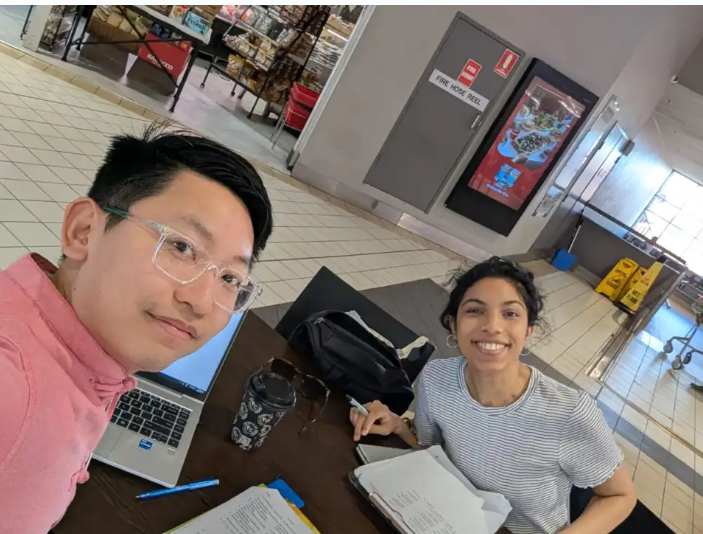
PICTURED ABOVE: Brendan Chiew or Nisha Nair on the road, meeting with allied health professionals in Fairfield LGA.
03 February 2026
SWSPHN’s The Common Ground CPD series brings together allied health providers and GPs to discuss chronic conditions which are prevalent in our region.
Panel members discuss case studies and highlight opportunities to network and collaborate with other professions.
SWSPHN held two Common Ground events in 2025. Here’s a sample of what you can expect from future meetings.
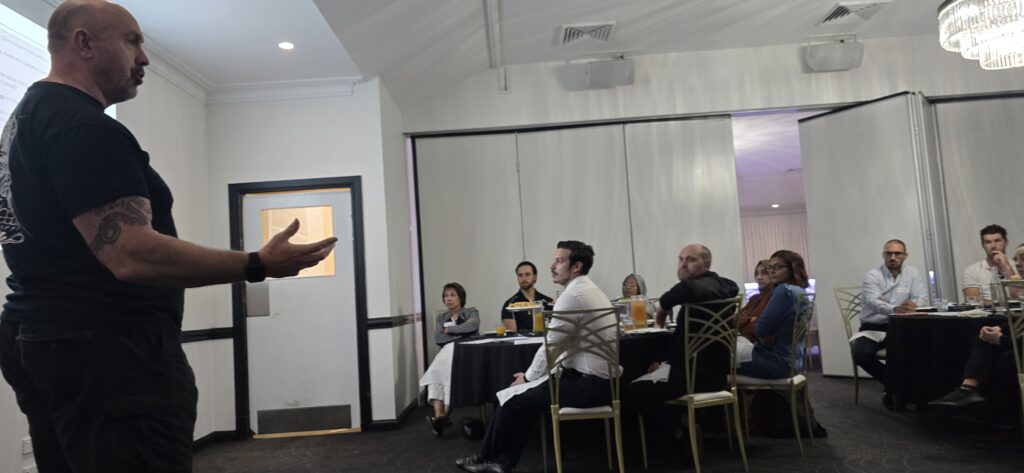
Local clinicians come together for the first in The Common Ground CPD series.
At our The Common Ground chronic pain face-to-face meeting:
GP, Dr Lance Holland-Keen talked about the barriers to care he had experienced and the scarcity of pain specialists in the region
Liverpool Hospital Senior Physiotherapist Matthew McMullan talked about strategies GPs could use to improve access to the Liverpool Pain Management Clinic, including issues around the quality of documentation and how GP referral letters were an important triage tool
SWSPHN’s Brendan Chiew talked about using the Home Medicines Review, and interactions of medications and supplements
At our The Common Ground obesity webinar:
GP, Dr Holland-Keen discussed how no movement was worse than some movement and few conditions truly contraindicate exercise
Dietitian Tania Hillman talked about how a dietitian’s role was to help rebuild a healthy relationship between food and the person which had been damaged by unhelpful ideologies of dieting and weight as the sole measure of success
Exercise Physiologist Jacob Abella noted the common advice of “eat less, move more” ignored biopsychosocial and environmental influences
You may have noticed some variations to referrals from general practices following changes to chronic conditions management which took effect on 1 July last year.
Chronic disease management (CDM) referrals and care requirements were replaced by new GP chronic conditions management plans (GPCCMPs).
These changes provide greater flexibility for patients to choose which services they access.
There are no changes to individual allied health items for treating chronic conditions, but referral requirements have been simplified:
the number of allied health services under a GPCCMP does not need to be specified by the referring GP (GPs may still specify this on referral letters)
the allied health provider does not need to be named
team care arrangements are no longer needed
Chronic disease management services review
The DHDA is currently reviewing MBS allied health CDM services.
An allied health working group has been developed to review different components of the MBS CDM services.