


More than 1,900 women are diagnosed with ovarian cancer each year in Australia.
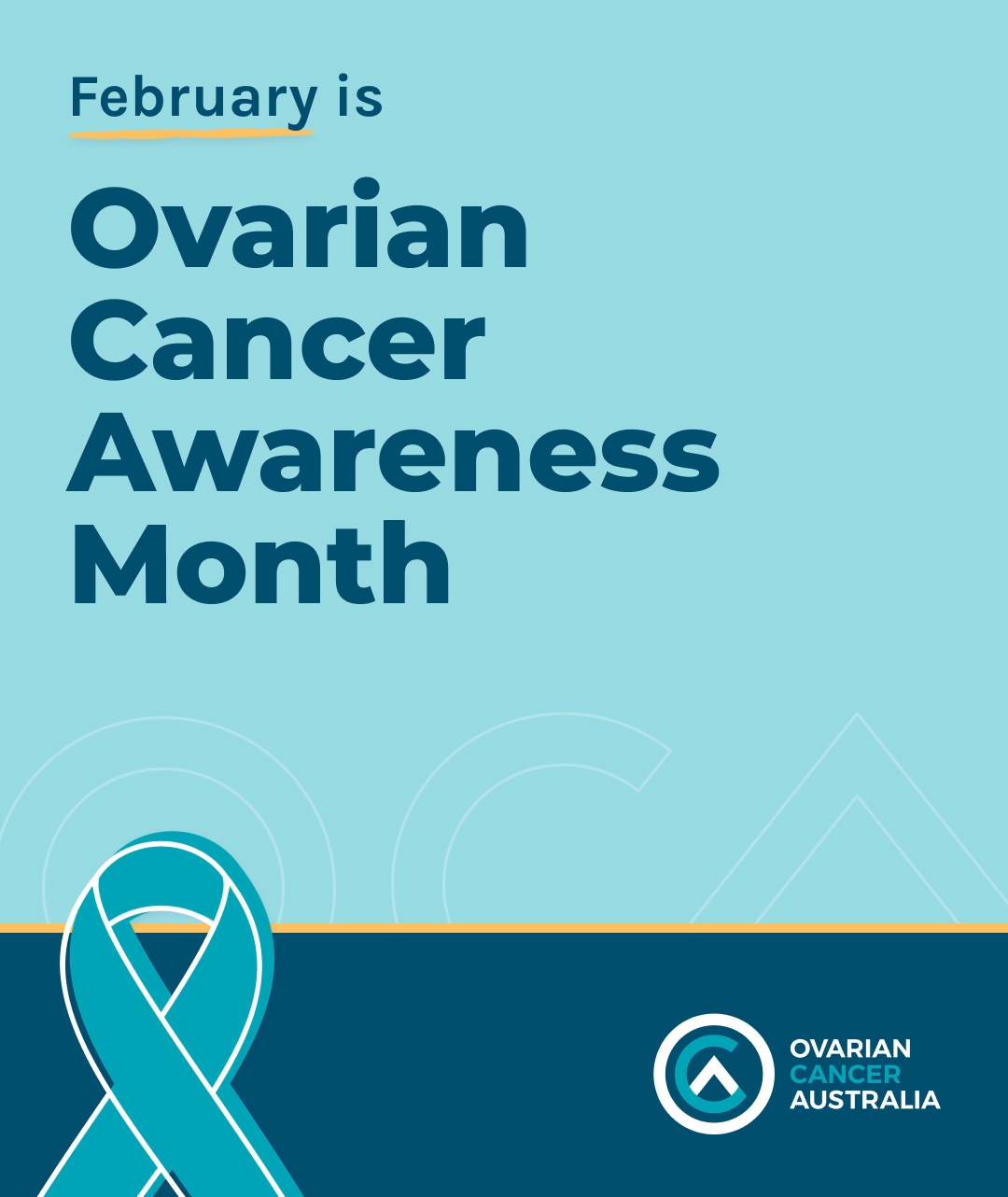
Ovarian Cancer Awareness Month is held annually in February to educate, advocate, and increase awareness of ovarian cancer.
According to Cancer Institute NSW data, there has been an 18 per cent increase in the rate of ovarian cancer diagnoses in South Western Sydney over the past decade, with 71 women diagnosed in 2021.
Unlike other cancers, ovarian cancer has no screening test, and symptoms can be vague.
Research by Cancer Australia shows almost half of women diagnosed with ovarian cancer are unable to recognise any symptoms.
It is crucial to be aware of your body and look out for any symptoms which may arise.
Common Symptoms include:
- increased abdominal size or persistent abdominal bloating
- abdominal or pelvic (lower tummy) pain
- feeling full after eating a small amount
- needing to urinate often or urgently
Additional signs and symptoms:
- changes in bowel habits
- unexplained weight gain or loss
- excessive fatigue
- lower back pain
- indigestion or nausea
- bleeding after menopause or in-between periods
- pain during sex or bleeding after
If you are concerned about your family history of breast or ovarian cancer, your doctor can assess your risk.
You know your body better than anyone else, so always listen to what your body is saying and trust your instincts.
Track your symptoms in the Ovarian Cancer Australia symptom diary and take this record with you to your doctor.
During February, wear a teal ribbon to show your support, raise awareness, start a conversation which could change a life and help raise funds to support people affected by ovarian cancer.
You can purchase a ribbon through the Ovarian Cancer Australia website.
What support is available?If your GP refers you to an oncologist, you can visit one of these local cancer centres. The staff at these centres provide caring and best support during your treatment.
Private specialists are also an option. Ask your GP to refer you. |