22 November 2021

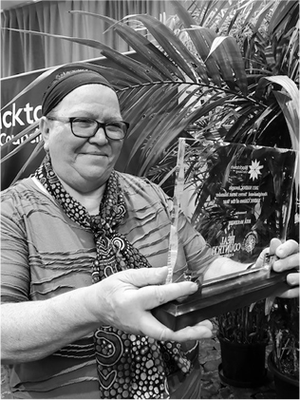
SWSPHN’s external training consultant, Rita McKenzie, was named Aboriginal and Torres Strait Islander NAIDOC Citizen of the Year at Blacktown City Council’s 2021 NAIDOC Awards ceremony on Friday, 29 October.

Aunty Rita, through her consultancy McKenzie Dreaming, has been supporting our Reconciliation Action Plan (RAP) Working Group for almost a year and delivering Cultural Competency Training to staff.

Aunty Rita also appears in our new video campaign which features champions encouraging our community to get vaccinated against COVID-19 and to seek mental health support early.

Vaccination video

Mental health video

Blacktown City Council said:

“Rita was awarded Citizen of the Year for her unwavering dedication in the areas of Indigenous health and welfare.

Rita has long served as a key role model for Indigenous communities across Blacktown City and Western Sydney. 

She has devoted her career to improving the lives and outcomes of Indigenous people and in educating businesses and communities on indigenous cultures, beliefs, and traditions.

Rita has been committed to closing the gap through her role in leading the WentWest Aboriginal Health Team and advising doctors and allied health practitioners on Indigenous health issues.”

Congratulations Aunty Rita, your award is well-deserved!

Read more

29 October 2021

Dr Raad Qsous from Wetherill Park Medical Centre loves the diversity and challenges of general practice. “We as GPs face many different presentations on a daily basis. I see each challenge as a puzzle where you have to put things together to get to a diagnosis and be able to treat the patient.”


How long have you been a GP and how long have you been practising in Wetherill Park/Fairfield LGA?

I graduated from Jordan University of Science and Technology in Jordan in 2012. I did an internship year in Royal Medical Services hospitals in Amman, Jordan, then I worked for two years in a small hospital in Amman where I covered the emergency department, ICU as well as the surgical wards and the GP clinic. During this time I was preparing for the Australian exams and I passed them in 2015. I came to Australia and started work as a full-time GP in November 2015 at Wetherill Park Medical Centre. For the first two years I worked seven days a week, mainly in the after hours clinic from 6pm to 11pm, and covering the weekends as well. As a GP you get the opportunity to manage a wide diversity of cases and conditions. It’s very different than hospital work and I found that to be very challenging. I put as much effort as I could into my work so I could develop my skills and be able to provide better care for my patients.


When/why did you decide you wanted to become a GP?

It started when I was preparing for the Australian exam. At that time I was working in a hospital and studying. During my studies I was fascinated with the primary healthcare system of Australia, how developed and organised it is, and all the medical conditions a GP can manage in general practice. When I arrived in Australia and started working in general practice I was even more attached to the clinical work and the day-to-day challenges I faced. As a GP you have the chance to work with people from different age groups, to manage different conditions, both medical and surgical. You can develop your skills and you can do advanced things if you are confident, and if you have enough expertise. I love this career and wanted to pursue a speciality in general practice. I did the practice-based teaching program and applied for Fellowship from the Royal Australian College of General Practitioners (RACGP) this year. I passed the exams and was granted the Fellowship.


What do you love most about being a GP/what part of the job gives you the most satisfaction?

What I love most about general practice is that each day is different. We as GPs face many different presentations on a daily basis. I see each of these as a puzzle and you have to put things together to get to a diagnosis to be able to treat the patient. Each patient is different and each case requires a certain approach, starting with listening to the patient’s complaint, performing a thorough examination, ordering relevant investigations when necessary and then treating the patient. A patient’s trust and the special doctor-patient relationship which develops over the years is unique and makes you committed to providing the best care you can to make patients feel better. The satisfaction I get when I help a patient cannot be described. Patients always feel the care they get and are always very grateful. This is what makes general practice such an interesting field.


What is the most important thing you/your practice contributes to this community?

We have probably 15 to 20 full-time GPs working in the practice. Our GPs are divided between the regular hours and after hours where we provide ongoing care to patients until 11pm. We are also open on weekends. We have doctors on site at all times and lots of specialists. We have an orthopedic surgeon, cardiologist, endocrinologist, pediatrician, neurologist, general surgeon, gastroenterologist, geriatrician, rehabilitation physician, psychologist, dietician and physiotherapist. We all communicate to be able to provide the best care for our patients. I cover the after hours clinic where I see both regular appointments as well as walk-in patients. This helps to lessen the number of patients attending emergency departments, reducing the burden on emergency departments and ensuring they have time to care for critically ill patients. It also helps patients avoid long waits at the hospital for something which can be managed in a GP practice. The presence of an after hours clinic is also convenient to many people who work as they can see the GP after their work so they don’t have to take leave.

In recent years a big refugee community has come to the Fairfield LGA – people from many countries who have fled war zones. Unfortunately, this has impacted their mental health significantly, many people have developed a range of mental health conditions including depression and PTSD. The number of people struggling with mental health because of lockdown has also increased. It has affected people who already had mental health conditions, aggravating their conditions, and we’ve seen people who hadn’t experience any mental health conditions in the past. Many of them started to develop mental health conditions recently because of lockdown. The big challenge that we face in our community is that lots of refugees do not speak English. I speak Arabic so that makes it easy for me to communicate with patients until they can see a specialist.


What do you like to do in your spare time?

In my spare time I enjoy going out for long walks, going to the gym to exercise as well as doing some boxing classes. In addition, I enjoy reading medical journals and articles.


Tell me about your ideal work day…

I cover the after hours clinic in my practice, so I usually start seeing my patients at 6pm and finish by 11pm. During weekdays I book patients for regular consultations and if there are any minor procedures to be performed – skin lesion excisions, cyst removals and other minor procedures – I usually perform those on a Sunday afternoon. I find this very interesting as I have a special interest and passion for minor surgeries.

My ideal work day is a day where I face many challenging medical conditions and complicated clinical scenarios which give me the opportunity to communicate and collaborate with other doctors or specialists, to discuss the condition in a multidisciplinary team environment, in order to help the patient. The key to helping a patient with complex health issues is good teamwork and ongoing follow up.


What do you love most about Wetherill Park/Fairfield LGA?

What I like most about Wetherill Park is that it’s multicultural. I have the chance to see people from all different cultures and backgrounds. People in this area are very lovely, humble and have a great sense of humour. I feel like people in this LGA are like a big family to me and I’m honoured to be able to look after them and have their full trust.


What advice do you give your patients about maintaining good health?

I tell patients that to have good health you have to have both good mental health and good physical health. I tell them to exercise regularly, eat healthy and always speak up when they get stressed or depressed and never hold their emotions. I tell them the best way to manage disease is to prevent it from happening. The good thing about general practice is that you are involved in preventative healthcare. By doing regular check-ups as GPs we get the chance to detect things very early on, then try to implement lifestyle modifications to prevent a disease from happening.

28 September 2021

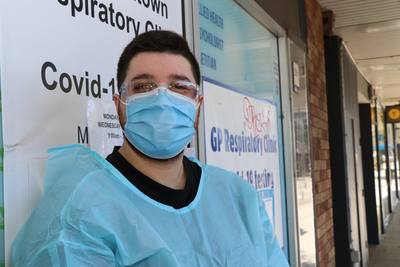
Practice nurse Alec El-achrafi has been on the frontlines of the COVID-19 pandemic for the past four months, supporting patients through their COVID vaccinations and testing at Campbelltown GP Respiratory Clinic. He says his best days are those where every patient leaves the clinic happy with the care they’ve received and in a better condition than when they entered.


How long have you been a practice nurse and how long have you been working in the LGA you currently work in?

I have been a nurse in Dr Dong’s respiratory clinic for four months and I have spent the same amount of time working in the Campbelltown LGA.


When/why did you decide to pursue a career in nursing and specifically in primary care?

I decided to pursue a career in nursing because I’ve always loved the idea of being able to help people. As to why I chose to be in primary care, it’s very intriguing hearing the different stories and situations which come through the door and you never know what you may contribute to someone’s day.


Tell us about the role of nurses in primary care

The day-to-day role at the moment is very consistent. It’s all about making sure you provide care to a patient in any way possible, whether it be through COVID vaccinations, COVID testing and even just listening to a patient’s current situation and showing them empathy or offering advice when asked. I think as nurses we are able to complement the role of a GP by helping with all the little things. For example, seeing the asymptomatic patients while doing COVID testing so doctors are able to spend extra time with patients who require it. By doing this, it makes what we do as team become much more efficient and helps everyone work together during these tough times to ensure we provide the best care for our patients.


What do you love about nursing/what do you find most fulfilling about your role?

What I love most about nursing is knowing even the smallest aspect of care can completely change a patient’s day and sometimes even life. Understanding a patient’s situation and being able to help them through whatever it is they require is one of the most fulfilling parts of the nursing role.


What is your biggest challenge as a PN and how do you overcome this?

One of the toughest challenges would be the language barrier with some patients. When someone comes into the clinic and they are from a non-English speaking background it is hard to explain to them what you are doing and what is happening. It’s definitely a great learning moment when you find a way to communicate which works for both you and the patient ensuring they receive the required care.


Tell me about your ideal work day?

My ideal work day would be knowing when I leave at the end of the day, I have provided the best care possible. This ensures every patient leaves the clinic happy with the care we provide and in a better condition than when they entered.


What do you like to do in your spare time?

In my spare time I enjoy going on adventures with family and friends. One of the main things I love to do is go fishing with friends. Even if we don’t catch anything I know as long as we are all together and laughing it’s going to be a good day.


Do you have any role models and why?

I have a few role models I look up to at the moment. One of the main ones would be Dr Dong Hua. He is very hard working and supportive. The way he runs the medical centre and clinics is amazing. He always allows everyone to work as a team and express themselves how they wish. I always know when I come in to work it’s going to be a good day and that is very important in an environment where you spend most of your time. Some of the other role models would be Dr Richard Nguyen, Dr Allison Thorn and Dr Migie Lee as I know they are always willing to help with anything you require whether it be asking for assistance with a patient, needing an answer to a question or even just having a friendly conversation. It’s a great working environment and all these people contribute so much to ensure everything operates smoothly.


How do you help educate your patients about maintaining good health?

One of the main ways I help educate patients at the moment would be explaining to them the side effects and risks of receiving a COVID vaccine. It is very helpful advice to give to patients especially when discussing how the benefits outweigh the risk and helping people understand the vaccine is a great way to help people in these tough times to find a way back to regular life.

24 September 2021

Dr Konstantin Bosnic from St Johns Park became a GP against the odds but has made the most of every opportunity. Dr Bosnic has had a long and satisfying career treating generations of loyal patients alongside his wife of almost 60 years, Ljubica.


How long have you been a GP and how long have you been practising in St Johns Park/ Fairfield LGA?

I have been a GP for almost 60 years.

I graduated from medical school in 1963, from the University of Zagreb, Croatia and knew from a very young age I wanted to go abroad and build a life that was different to the one my parents had in the former communist Yugoslavia.

In 1964 I arrived in Sydney and was joined by my wife, Ljubica, also a GP, in 1967. Ljubica and I met in medical school, when Ljubica was in first year and I was in third year.

In order to get registered as a medical practitioner I was required to complete a minimum of two years as a resident in hospital followed by a series of examinations. I spent two and a half years at Bankstown District Hospital as the junior and then the senior medical resident, and completed my registration examinations at The University of Sydney covering surgery, obstetrics, general medicine and paediatrics.

At that time Bankstown District Hospital was a small hospital with 320 beds and there was a shortage of residents. We often needed to work 48-hour shifts and over the entire weekend without overtime pay. My fortnightly pay was 14 pounds. For reference, a return train ticket to Melbourne and a week’s stay cost five pounds. You could buy a house in Newtown for 3,000 to 4,000 pounds, and a block of land in St Johns Park for 400 to 800 pounds.

Following registration, I worked as a senior RMO for another year and a half before opening up my own surgery in Newtown. I rented a premises and waited for my first patient to come through the door.

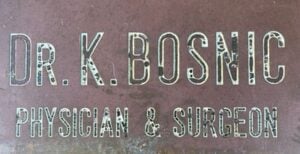
Times were very different then. There were no GP networks, no advertising. All you could do was put a copper plate with your name and your working hours on the door. You built your practice and earned the trust of your patients purely based on the quality of the care you delivered and patient outcomes. It was simple, it was good.

Naturally, we have seen a lot of things change for GPs over the years, for example, our first 10 years of practice were within a healthcare system where there was no Medicare. GPs were private practitioners.

My wife and I were partners in our GP practice and we worked very hard; seven days a week, 12 hours a day. In those early years, most of the immigrants from the former Yugoslavia settled in Newtown, Marrickville, Erskinville and we were the only doctors in the area who could speak their language.

It was a challenge for immigrants in those days. They often did not speak a word of English when they arrived in Australia and there were no free English language courses or government support, no social security, no Centrelink. They came ready to work hard, but it was not easy without speaking English in those days. So as a GP we were really needed by these patients, not only to take care of their health but also to help them assimilate and integrate into Australian society. Our patients were so grateful. I think of those days with such fondness: they were difficult times but so rewarding and most of our patients and subsequently their children and grandchildren have remained loyal patients.

In 1990, we relocated our GP practice to St Johns Park. After so many years, our patients and their families had moved to Western Sydney, yet were still travelling to see us in Newtown. We felt it was time to relocate our practice to better serve our patients. We have been practicing in St Johns Park ever since.


When/why did you decide you wanted to become a GP?

From a young age I aspired to be a doctor. It was following an illness as a child. I grew up in a small village on the island of Korcula in the Adriatic. I was a young boy during World War II, when the former Yugoslavia was occupied by Germans. Everything was scarce (including food) and we were very very poor. When I was seven years old, I became sick with a very high temperature, shivering, vomiting and my parents asked the local doctor to come and see me. Medicine was also scarce, but the doctor came to see me, gave me some medicine and it was like a miracle – the next day I had recovered and was able to run around and play with my friends. I thought ‘how magical is this?’. I decided then that one day, I would become a doctor and help sick individuals, just like this doctor helped me.

From that day on, I never considered anything else, even though, for a young man like me, with delayed schooling due to the war and coming from a village on an island, so removed from education, the major cities and universities, it was not going to be easy. Not to mention the money required to make this happen. You see, my island did not have a high school and so in order for me to get a basic education, let alone university, there would need to be major financial sacrifice, which would impact on my whole family. My family worked hard to save just enough to send me to high school and then university. I lived in the most basic of circumstances, but I was grateful and I promised to make the most of this opportunity.

I think my parents were relieved that, being the youngest of four children, I was the only one who wanted to go to university. I am not sure I would have gotten a chance if my other siblings had the same dreams. But they had other aspirations – they sought a better life by leaving the former Yugoslavia, and while I was studying, my family migrated to Australia.


What do you love most about being a GP/what part of the job gives you the most satisfaction?

There are several aspects of being a GP I both love and find satisfying.

I feel very privileged to be such an important part of the lives of my patients. The relationship I have with them is very important to me. I take this responsibility very seriously and get great satisfaction in looking after their health, and supporting them through the challenges they face in life. I love being the ‘family’ GP and treating generations within the one family. The role of a GP is so important, we are the cornerstone of the health in the community. I love helping patients live healthier and happier lives.

I also love solving clinical problems and as a GP we are presented with many, varied and often complex clinical scenarios. It is rewarding to be able to solve these and to find new solutions as medical discoveries and new pharmaceutical offerings become available.

After all these years, I remain passionate about being a GP, about listening to patients, understanding how they feel, and helping them get better.


What is the most important thing you/your practice contributes to this community?

Experience (almost 60 years of it), clinical expertise and service. We are here for our community, no matter how big the problem, no matter how long it takes and no matter what time it is. My wife comes home from work at 10pm sometimes because her patients are in need. No one gets turned away. We don’t work by appointment so our patients can walk in any time and they will be attended to.


What do you like to do in your spare time?

I have always had many interests outside my work.

I have always enjoyed gardening, reading (particularly the classics) and enjoy being active. I have played tennis on a regular basis for many years. For several years, when I was younger, I was very engaged with the State Government through the NSW Ethnic Community Council. I was vice president for five years.

But probably my most enjoyed pastimes outside of work are photography and watching my grandson play basketball.

I have invested a lot of effort in learning photography and refining my skills and it is something I still get a lot of pleasure out of. I love being immersed in the subject of my photos, and over the years I have been on several photographic tours, which have taken me to many different locations in Australia and around the world. I have also taken a lot of photos of my grandson playing basketball.

My grandson is currently a student-athlete (basketball) at the University of California, Berkeley, USA, so I only get to see him play basketball live when we visit or on TV, but since he was a boy he has loved playing basketball. Nothing has given me greater pleasure than taking him to training and watching him play. I don’t think I have missed a single game and I am so proud of him. I look forward to watching him in this coming college basketball season. You should check him out. His name is Grant Anticevich.


Tell me about your ideal work day…

My ideal work day! That is an interesting question. I think my ideal day comes from being prepared for the day, ready to tackle it, no matter what may come. I think as a GP it is important to have an open mind, to look beyond the easy or obvious and to be ready for challenges. This requires a particular approach and as long as my approach is right, I know it will be a good day at work.


What do you love most about Fairfield?

I love this area because of the people. People in the community of Fairfield come from a range of cultural backgrounds but there are some fundamental things we all have in common. People in Fairfield are down-to-earth, wholesome and genuine. The community is multigenerational and there is a real sense of community. It is such a wonderful part of Sydney.


What advice do you give your patients about maintaining good health?

These days life can be very complex and individuals are under a lot of stress from a young age. So I try to bring some simplicity into their lives. I focus on the importance of both physical and mental well-being and the critical link between the two. I encourage my patients to find pleasure and satisfaction in doing the basics well: good diet, regular exercise, knowing their body and being kind to others.

Now more than ever a holistic approach to life is important and as a GP this is something that I have promoted to my patients for decades.

30 August 2021

Dr Richard Allen’s love of general practice increased with his involvement with the RACGP in his early days as a GP. This involvement included collaborating with other GPs to develop a training program and examination for general practice. Dr Allen’s practice is at Fairfield Heights, a region in which he has worked for 40 years.


How long have you been a GP and how long have you been practising in the Fairfield LGA?

I graduated from the University of NSW in 1968. I went to Bankstown Hospital as a resident medical officer for two years then to St Margaret’s Children’s Hospital as a pediatric registrar for two years. I then joined GPs, Dr Muscio and Dr Cronan, in Canley Heights as a partner and started my general practice life. I have been in the area for 40 years and seen many changes. I have been in solo practice in Fairfield Heights for 16 years.


When/why did you decide you wanted to become a GP?

My love of general practice increased with my involvement with the RACGP in my early days. I became a Censor of the college and Chief Examiner for NSW. It was recognised there was no training to be a GP. With other GPs we formed the training program and examination for general practice. I have now withdrawn from these activities and am an Honorary Life Member of the college.

I was appointed as the Director of the Fairfield Division of General Practice in 1994 with the help of Professor Mark Harris. The division involved local GPs in a variety of projects relevant to them and the multicultural needs of the community. We saw the introduction of Hepatitis B vaccine to all babies. Dr John Williams started the Immunisation Recall and Registration Project. This became the national register. Allison Tran was appointed our first secretary in 1994. Allison has made a great contribution and supported general practice in the area. Thank you Allison for continuing to help us especially in the area of CME (continuing medical education).


What do you love most about being a GP/what part of the job gives you the most satisfaction?

I see general practice as a very rewarding life, looking after families and patients throughout their lives. My work has now extended into aged care, palliative care, end of life care and addiction medicine.


What is the most important thing you/your practice contributes to this community?

We are in very difficult times. The most important thing in general practice is continuity of care and being able to communicate to patients at their level. The most important contribution I have made is my years of practice. I have been very fortunate to practice in Fairfield Heights in Dr Joe Nicholas’ rooms. Joe allowed me to continue as a GP after leaving Canley Vale. I still do a few house calls and attend local nursing homes. My receptionist of 20 years, Mrs Darilyn Morrison, is a vital part my practice. The support Darilyn gives the patients cannot be measured.


What do you like to do in your spare time?

In my spare time I like gardening and fishing. I find these interests relaxing.


What advice do you give your patients about maintaining good health?

My advice to patients is to maintain a healthy lifestyle, exercise in moderation and maintain a healthy weight. Everything in moderation.

23 August 2021

HK Medical Centre, Fairfield’s Courtney Daley is new to practice nursing and loving her role learning about and caring for her patients, and educating them about healthy habits and taking good care of themselves.


How long have you been a practice nurse and how long have you been working in the LGA you currently work in?

I am very new to the practice nurse community. I have currently been working as a practice nurse for four weeks but I have been working within Fairfield LGA for about a year.


When/why did you decide to pursue a career in nursing and specifically in primary care?

I don’t think I ever really decided to be a nurse. It was just something that I always wanted to do. I have always been a big science fan and found health and the human body fascinating so maybe that played a role in my career choice. I chose primary care as I want to expand my knowledge and experience through working in all different sections of the healthcare system.


Tell us about the role of nurses in primary care

I feel the role of nurses in primary care is based around education and observation. We are there to ensure all concerns and queries are answered in full to our patients. We complement the role of the GP by liaising with them regarding the patient’s condition, create care plans together and assist the GPs with procedures.


What do you love about nursing/what do you find most fulfilling about your role?

I love being a nurse as it has made me a much kinder, patient and confident person. I enjoy meeting different people from all kinds of backgrounds and learn about the life they have led themselves. I feel  every day, whether good or bad, is fulfilling for me. Every time I leave a shift I feel like I have accomplished something and hopefully made someone’s life a little bit better that day. I couldn’t imagine doing anything else.


What is your biggest challenge as a PN and how do you overcome this?

Personally my biggest challenge as a PN currently is the language barrier between myself and my patients but our helpful receptionists help assist with this. If you work as a team there aren’t many challenges.


Tell me about your ideal work day…

My ideal workday would be a mix of physical tasks I have to perform and mental tasks. This would ensure I am practising my clinical skills so as to improve such as dressings, vaccinations etc as well as mental tasks such as overlooking care plans, histories to improve my knowledge and critical thinking skills. I feel this variation in tasks throughout the day keeps me focused on my role.


What do you like to do in your spare time?

In my spare time I like to get outside with friends and do things like hiking, going to the beach, exploring. Unfortunately, with the current circumstances I have been unable to do these things but I started taking up reading again which passes the time.


Do you have any role models and why?

I don’t have any specific role model I look up to if I’m honest. Rather than modelling after a specific person I guess I remember moments or actions of someone and use those good qualities I see in my own professional/personal situations.


How do you help educate your patients about maintaining good health?

I assist in helping our patients with education via ensuring they fully understand what I am informing them about. For example, utilising our receptionists and the translation and interpreting service, providing written information such as fact/advice sheets and looking at the patient holistically. I encourage the patient to practice healthy habits and ensure they understand the risks of not taking care of themselves appropriately. Also, before they leave my care I ensure they are satisfied with my information and that any further questions are answered.

03 August 2021

For Dr Bilal Karime from Narellan Town Medical Centre, continuity of care is essential to improving the health outcomes of his patients. This approach has had positive results for patients who attend the diabetes clinic he established at his practice last year.


How long have you been a GP and how long have you been practicing in Narellan?

After being lucky enough to work for several years at Liverpool Hospital, I left the hospital and started family medicine in 2014 (Australian General Practice Training – AGPT – Program). I was fortunate to start as a GP in the Southern Highlands. I started at the Southern Medical Centre in Moss Vale where my learning curve spiked every day. My best time was during the six years I worked in Moss Vale /Bundanoon where I learnt how to treat diabetes, palliative care, skin surgery, geriatrics and caring for nursing home residents. I learnt how to make decisions and be responsible for them. I obtained great confidence and pride from being a country GP.

The number of skills achieved during the above time was great. I had a great mentor, Dr Vincent Roche, who gave me a lot of confidence, pride, education and skills. His fingerprints will always stay in my work.

I moved to Narellan in 2019, initially starting as a part-timer, later on becoming a full time GP – six days a week. I am now the principal family physician and I’m slowly transferring all the skills I learnt in the country to here – a work still in progress…


Why did you decide to become a GP?

During my time at Liverpool Hospital, one rotation affected me significantly – the Medical Assessment Unit with Dr Colin Macarthur (geriatrician and director of medical services) – a great clinician. I wanted to be a caring doctor like him and to cover all aspects of medicine. He supported my vision to be a comprehensive clinician, I was impressed and influenced by his work. I learnt about continuity of care and the importance of family doctors as Dr Macarthur used to call the patients’ GP himself or asked me to do so before discharging the patient to hand over to his regular GP.

Another reason – choosing a balance between work and family. I experienced working very long hours in the hospital, starting between 7am and 8am and finishing late, sometimes 11pm on the weekends. I became a stranger to my family as I was not able to see them much.


What do you love most about being a GP? What gives you the most satisfaction?

I’m satisfied when I practice evidence-based medicine, when I see a patient following up with an evidence-based treatment. I feel we are the cornerstone of medical care as I always see in hospital discharge letters or other clinician’s letters “follow up with GP”, “GP please chase”, “GP to monitor”. I feel most satisfied when calling the ED admitting officer and notifying him of a patient coming to emergency, doing a proper handover and exploring my reasoning for urgent care. I feel satisfied when I come to an agreement with a patient that he has a “substance use disorder” and we agree on a treatment plan to treat it, not just  prescribing. Satisfaction comes when I see the diabetic cycle of care completed with all markers down. I feel satisfied when changing our practice protocol to ensure we are a quality practice not just a medical centre – a work still in progress…

I feel satisfied when I spread the fact that the family physician is not a referring service only, we are involved to the bone of medical care.  


What do you think the most important thing you and your practice contributes to the community?

We establish very good patient-doctor relationships with this community – in other words, I’m taking the country style of doctor to the city. I always encourage continuity of care and promote a culture of sticking to your doctor and sticking to your medical centre because they know you, even if it means I loose patients sometimes. This is number one. Number two is the diabetic clinic I established last year. We are a member of the National Association of Diabetes Centres. We serve the community, particularly people with metabolic features and diabetes, by helping patients understand what things like vascular disease and diabetes are, and providing good follow up care as per the RACGP guidelines. This prevents or reduces serious outcomes like strokes and ischemia heart disease (IHD) and end organ damage. I also have pregnant patients with gestational diabetes and we help them through pregnancy and even after delivery with their children.

One of the important things we offer to community is the input of the senior diabetic educator Jill Snow who is assisting the diabetic patients even on the weekends. She is one of the assets of our medical care. While knowing our limitations and when to refer to the endocrinologist team, we are reducing pressure on the health system by being able to screen, detect and manage diabetes relying on our diabetic clinic team and referring when appropriate.


What do you do in your spare time?

I enjoy spending the rest of my time with my three children and my wife – I mean it. I have a background in martial arts and now my kids do martial arts and dancing. My son who is 14 years old has a 1st dan black belt in Taekwondo and now he’s training me in my free time, and he is looking after my fitness. My daughter is studying speech pathology and I spend time with her exploring her subjects and helping if needed. My wife and I spend time to offer them personal development. It’s all about family.


Tell me about your ideal work day …

My ideal work day is doing a diabetes review and seeing several patients with the markers of diabetes getting better, giving a vaccination to a young person, treating a pregnant woman and guiding her in the protocol of antenatal shared care, helping someone with mental health concerns – we see everybody. The ideal day is when I feel my patients are safe and I offer the best evidence-based medical treatment. I also like to make sure everybody is happy and comfortable in the practice, including the receptionist and the nurse. My best day is when I spend the day as one of the team. When I started I told them ‘don’t call me doctor, call me Bilal’. I don’t like the hierarchy and the title in teamwork, because if you work as a team, and you maintain care, professionalism and mutual respect, everyone feels comfortable and the patients will get greater benefits.


What do you love most about this area?

This area has plenty of young families, where we can follow up with them stage by stage. It’s a nice and straightforward population – they don’t have time to get sick and stay home, so we are on standby for them.  

I really became attached to working in the country. When I decided to move, I decided to move to a place which was a bit similar. Extended family of my Southern Highlands patients live in the Camden area. The most important thing though, is that it is close to my house – about 15 minutes away. I used to stay in the country for a couple of days but my daughter is a university student now, so I wanted to be closer to home to support my wife and kids.

Also, it is handy to work in Narellan Town Medical Centre, given my wife use to send me a message at 7.30pm to get bread or groceries and guess what? Coles is 10 steps from my room!


What advice do you give to your patients about maintaining good health?

I tell them continuity of care is very important – don’t move between doctors. Number two – make sure you’re receiving the best evidence-based medical practice. Number three – be involved in your own care, be a partner, don’t just have a test without asking the question “is this going to change the management of my care?” It’s mostly about educating people about the above.

27 July 2021

Practice nurse Kimberley Moutia loves her work in Aboriginal health, and is passionate about the community in which she works and supporting her patients to improve their health.


How long have you been a practice nurse and how long have you been working in the LGA you currently work in?

I have been a practice nurse for almost two years, working at Gandangara Health Services in Liverpool.


When/why did you decide to pursue a career in nursing and specifically in primary care?

I decided straight out of high school I wanted to pursue a nursing career, as I have always been interested in the human body and learning about the complex processes involved in the things we take for granted (ie breathing, eating, fighting infection, walking etc). I found myself falling into a primary care career after spending time working in hospitals where I found the fast turn-around of patients impacted the ability to develop a valuable therapeutic relationship. I found the way we completely lost touch with our patients as they left the service off-putting and really wished I could follow up with them to find out how they were travelling after leaving hospital. I worked in clinical trials for about 18 months and enjoyed being able to see the patients through over months and years. From that I found myself in a role in primary health at an Aboriginal Medical Centre, which felt immediately more aligned with my passions. This, and my longing to follow clients through their holistic health journey, as well as the added submersion into Aboriginal culture, focusing on the health benefits of reconnecting to culture and spirit.


Tell us about the role of nurses in primary care

In Aboriginal primary health the role of the RN is wide and varied. It includes anything from your basic observations, immunisations, wounds, injections, chronic disease management plans, health education, to Aboriginal Health Assessments, venipuncture, assisting with procedures (removal of lesions, insertion/removal of contraceptive devices, ear syringing etc), sitting on community health committees, and participating in the planning and delivery of community events and networking.


What do you love about nursing/what do you find most fulfilling about your role?

I love helping people to understand what is going on with their bodies and solving problems they may not have realised could have been solved. I also love being with people on their health journey, and seeing how much their health can improve with the right intervention and support.


What is your biggest challenge as a PN and how do you overcome this?

The biggest challenge I have faced is adjusting to working in Aboriginal health. I didn’t realise before working in Aboriginal health how different it was to mainstream GP practices. The community becomes your family, and you become so passionate about following up, learning about their family and community groups, attending community events … it’s a whole other world and I absolutely love it but it was a complete flip of what I’d learned so far.


Tell me about your ideal work day…

I’m lucky enough to work with an amazing team who feel like family to me, so every day feels kind of ideal. Specifically, I love attending community events and running health promotion programs, so an ideal day would be me and my team going out in the community and delivering health promotion to everyone over a lovely BBQ.


What do you like to do in your spare time?

I have two children under the age of five, so in my spare time I’m always playing games with them, taking them out to enjoy nature, doing arts and crafts, and just having fun. Being a practice nurse means I can manage a good work-life balance most of the time.


Do you have any role models and why?

I work with a whole list of people who I consider role models. Of note, my senior PN Emma has been an amazing mentor for me in adjusting to working as a PN. She sets the example of the kind of nurse that I strive to be. She is passionate, knowledgeable, and genuinely caring for all the patients and staff.


How do you help educate your patients about maintaining good health?

I lead by example but also provide an understanding ear to listen and gently guide them on their journey. The 715 Aboriginal Health Assessment has been a great asset in assessing and then educating clients on all aspects of health (physical, mental, spiritual, social), so we do this frequently in clinic.

06 July 2021

Dr Randa Al-Hajali of Campbelltown Medical and Dental Centre is continually learning and improving her skills through study and webinars, including currently studying for a Double Diploma in Skin Cancer Medicine and Surgery. Get to know Dr Al-Hajali through this month’s GP Profile.


How long have you been a GP and how long have you been practising in the Campbelltown LGA?

I have been a GP since 1998, starting as a part-time Locum, then full-time. I have been practising in Campbelltown since 2001.


When/why did you decide you wanted to become a GP?

I decided to become a GP in 1998 during my Locum work, when I was a senior Resident Medical Officer at St Vincent’s Hospital and planning for specialist training. I like how a GP is involved in patient care and is the first station patients turn up to.


What do you love most about being a GP/what part of the job gives you the most satisfaction?

I love the journey I share with my patients and their families during the course of their illness, providing them with medical and emotional support. I also love the relationship we build with our patients when we become the trusted figures and listening ears in their lives.


What is the most important thing you/your practice contributes to this community?

Apart from the GP services, the most important thing my practice contributes is affordable healthcare for the community. We are fully bulk billed for all allied health and most specialist services. I also provide a skin cancer service (medical and surgical) and antenatal shared care.


What do you like to do in your spare time?

My spare time is the weekend and I usually spend it with my son or friends going out to different places in Sydney and surroundings, or shopping.


Tell me about your ideal work day…

After work I catch up with my study or webinars. At present I’m completing my Double Diploma in Skin Cancer Medicine and Surgery.


What do you love most about the Campbelltown LGA?

I love how Campbelltown is growing fast and has a united multicultural community.


What advice do you give your patients about maintaining good health?

I advise my patients to eat healthy food, exercise regularly, look after their mental wellbeing and stay in high spirits.

30 June 2021

Practice nurse Sharni Xuereb from Our Medical Home Gregory Hills says she was always meant to be a nurse – a role she loves. She says the most fulfilling part of her job is knowing ‘I have helped an individual whether it be something minor or major’.


How long have you been a practice nurse and how long have you been working in the LGA you currently work in?

I began my practice nursing career at Our Medical Home Gregory Hills in January 2021.


When/why did you decide to pursue a career in nursing and specifically in primary care?

When I finished high school in 2013, I was unsure what career path I wanted to take. For as long as I can remember my mum kept telling me “you should be a nurse Sharni, one day you will realise it and become a nurse” and I brushed her off about it for years.

Then, one day a light bulb went off in my head and I decided I would do a TAFE course and see how I went. I started out by doing my Certificate II in Health Services Assistant and I loved it and decided to study an Enrolled Nursing Diploma. I was enjoying the course but was still unsure.

Unfortunately, my grandmother received news – she had pancreatic and lung cancer. My heart broke. I was fortunate enough to help my family take care of her. I took my grandmother to all her chemotherapy appointments and would help take care of her. As time went on eventually my grandmother needed to go into a palliative care ward. I would be with her every day and that is when I knew being a nurse was the only career I wanted. I was meant to be a nurse. When my grandmother passed away, I headed to university to complete my RN degree. I am still studying, and working in a primary care environment has given me the opportunity to learn new skills and apply everything I have learnt in the clinical environment.


Tell us about the role of nurses in primary care

I work in a very busy medical centre. Altogether I work alongside 16 doctors. No two of my days are the same. I see a variety of patients for different reasons every day. Working directly with GPs I am able to assist them to have things organised and prepped ready to ensure their day runs smoothly. Some patients I see daily, this can take a lot of the pressure off the hospital system as I am able to build a strong rapport with the individuals on a daily basis.


What do you love about nursing/what do you find most fulfilling about your role?

I love being a nurse. The most fulfilling part of my job is knowing I have helped an individual whether it be something minor or major. Being a nurse, I see some people in their most vulnerable times in life and being able to talk to them and build a relationship with them makes me love being a nurse even more.


What is your biggest challenge as a PN and how do you overcome this?

My biggest challenge would have to be not knowing what’s about to come through my treatment room door. I see a variety of medical things such as vaccinations, asthma attacks, chest pain, chronic wounds, lacerations and so much more. Being ready and prepared would have to be my biggest challenge because I need to be ready and focused to assist in any medical case I may see.


Tell me about your ideal work day

My ideal workday would have to be a day that runs smoothly. Sometimes medical emergencies can come in at the same time. Being able to adjust myself and be organised to triage all of them appropriately, and ensuring a smoothly run day, is definitely my ideal workday.


What do you like to do in your spare time?

I currently am studying my RN degree at university. While I spend a lot of time on my degree, I enjoy spending quality time with my parents. They are so proud of me and I love how close I am with them and can tell them about what I do at work. I speak to my Mum every day and am grateful I am able to do that.


Do you have any role models and why?

One of my biggest role models would have to be my treatment room team leader Kelly Andronicus. The support she has given me is incredible. I talk to Kelly about everything, what I might have seen within my shift or what’s been happening at university and Kelly has always given me words of wisdom and encouraged me to continue my path as a nurse.


How do you help educate your patients about maintaining good health?

When it comes to educating my patients about a healthy lifestyle, I always reflect on what I do too. I would never ask my patients to do anything that I don’t believe I could do myself. I feel as though patients asking for advice would want to know what I do myself to also maintain a healthy lifestyle.