


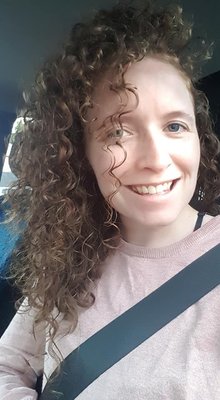
Practice nurse Kimberley Moutia loves her work in Aboriginal health, and is passionate about the community in which she works and supporting her patients to improve their health.
How long have you been a practice nurse and how long have you been working in the LGA you currently work in?
I have been a practice nurse for almost two years, working at Gandangara Health Services in Liverpool.
When/why did you decide to pursue a career in nursing and specifically in primary care?
I decided straight out of high school I wanted to pursue a nursing career, as I have always been interested in the human body and learning about the complex processes involved in the things we take for granted (ie breathing, eating, fighting infection, walking etc). I found myself falling into a primary care career after spending time working in hospitals where I found the fast turn-around of patients impacted the ability to develop a valuable therapeutic relationship. I found the way we completely lost touch with our patients as they left the service off-putting and really wished I could follow up with them to find out how they were travelling after leaving hospital. I worked in clinical trials for about 18 months and enjoyed being able to see the patients through over months and years. From that I found myself in a role in primary health at an Aboriginal Medical Centre, which felt immediately more aligned with my passions. This, and my longing to follow clients through their holistic health journey, as well as the added submersion into Aboriginal culture, focusing on the health benefits of reconnecting to culture and spirit.
Tell us about the role of nurses in primary care
In Aboriginal primary health the role of the RN is wide and varied. It includes anything from your basic observations, immunisations, wounds, injections, chronic disease management plans, health education, to Aboriginal Health Assessments, venipuncture, assisting with procedures (removal of lesions, insertion/removal of contraceptive devices, ear syringing etc), sitting on community health committees, and participating in the planning and delivery of community events and networking.
What do you love about nursing/what do you find most fulfilling about your role?
I love helping people to understand what is going on with their bodies and solving problems they may not have realised could have been solved. I also love being with people on their health journey, and seeing how much their health can improve with the right intervention and support.
What is your biggest challenge as a PN and how do you overcome this?
The biggest challenge I have faced is adjusting to working in Aboriginal health. I didn’t realise before working in Aboriginal health how different it was to mainstream GP practices. The community becomes your family, and you become so passionate about following up, learning about their family and community groups, attending community events … it’s a whole other world and I absolutely love it but it was a complete flip of what I’d learned so far.
Tell me about your ideal work day…
I’m lucky enough to work with an amazing team who feel like family to me, so every day feels kind of ideal. Specifically, I love attending community events and running health promotion programs, so an ideal day would be me and my team going out in the community and delivering health promotion to everyone over a lovely BBQ.
What do you like to do in your spare time?
I have two children under the age of five, so in my spare time I’m always playing games with them, taking them out to enjoy nature, doing arts and crafts, and just having fun. Being a practice nurse means I can manage a good work-life balance most of the time.
Do you have any role models and why?
I work with a whole list of people who I consider role models. Of note, my senior PN Emma has been an amazing mentor for me in adjusting to working as a PN. She sets the example of the kind of nurse that I strive to be. She is passionate, knowledgeable, and genuinely caring for all the patients and staff.
How do you help educate your patients about maintaining good health?
I lead by example but also provide an understanding ear to listen and gently guide them on their journey. The 715 Aboriginal Health Assessment has been a great asset in assessing and then educating clients on all aspects of health (physical, mental, spiritual, social), so we do this frequently in clinic.