23 May 2022

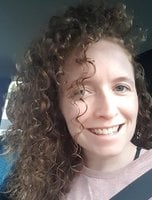
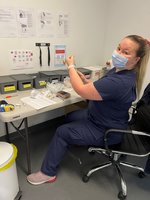
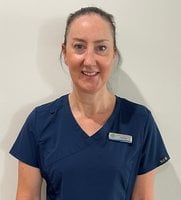
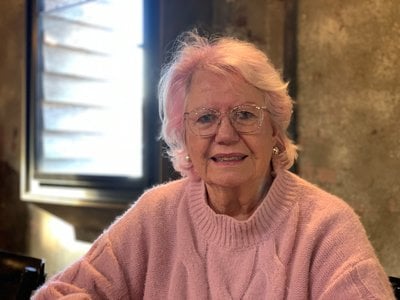
Practice nurse and lifelong learner Anne Stanley brings a wealth of knowledge and passion to Wintergarden Family Practice in Bowral. Anne is instrumental to the practice through her ongoing contribution to updating policy and procedure, promoting the wellness model of health and her ongoing commitment to practice accreditation. Her vibrant and caring nature along with the years of experience in practice, the classroom and the operating theatre makes her a wonderful role model for future nurses.


How long have you been a practice nurse and how long have you been working in the Wintergarden Family Practice?

I have been a practice nurse at Wintergarden Family Practice for a year. I started at the time COVID-19 vaccination began. I quickly settled into the practice, loved the staff, the environment and the patients, and was invited to take on more work at the practice relieving the other nurse on holidays and other leave. I now work several days per week.


When/why did you decide to pursue a career in nursing and specifically in primary care?

In my last year at school, I was undecided whether to pursue a life in nursing or in teaching. I chose nursing, loving my experiences, learning, friendships and adventures nursing provided to me. After working in intensive care, theatre and recovery areas I decided to move into the world of practice nursing while living in Melbourne.

Following this I was director of an Early Childhood Education Centre attached to Monash University.

Returning to Sydney after several years in Melbourne, I decided to move into the world of education and attained a teaching degree, and Masters in Education while I worked at the University of Sydney for 17 years as a lecturer in the Faculty of Nursing. I also had further clinical experience during that time working with a well-known melanoma specialist in specialist rooms. A further career change in education saw me working as a school counsellor as well as joining the School Immunisation Program at the start of the Gardasil program. At this same time, I was also working in aged care at a local retirement village.

This was all about the time COVID-19 appeared and was recognised as a pandemic. So full circle, I am now involved in primary care in general practice at Wintergarden Family Practice and loving it! A major advantage of working in a rural area is that you quickly get to know patients and their families.

I feel privileged to be working with an amazing team of clinical and administrative staff. I have loved my journey and feel there is so much more to learn and be part of and to specifically promote the wellness model of health as a means of illness prevention and assistance with managing chronic disease.


Tell us about the role of nurses in primary care …

Primary care is a huge all-encompassing role where no two days are ever going to be the same. I love the unpredictability of the day and love the challenges which arise during a working week. I enjoy being actively engaged in primary care. While I value the role of everyone in the practice, a special mention goes out to the frontline, that is, the reception staff. They carry a vital, critical role which contributes so much to the daily life of a well-run practice.

As COVID-19 becomes more manageable in general practice, other very important issues (working with the wellness model of health) take a focus including health assessments and management of chronic disease management. Nurses work closely with all practice staff, ensuring patients receive the best management for their health needs. In our practice, a morning meeting on a daily basis prior to opening for the day is part of the overall planning for best outcomes and is part of our care model.

As nurses we are very involved in primary care at Wintergarden Family Practice including assisting with excisions, iron infusions, venesection, INR readings, planning as well as immunisations, management plans, liaising with allied health teams, stock control and ongoing education. These roles are routine and certainly do not cover the entirety of the role of a proactive nurse working in primary care.


What do you love about nursing/what do you find most fulfilling about your role?

I love both nursing and education and have blended both as part of my daily working life. I love being part of a caring, professional team and seeing success for the patient and their family. The satisfaction of knowing we have all been involved in achieving best outcomes for them is fulfilling.

It is only when a dedicated team genuinely cares for each other and the patients entrusted in our care, do we allow the best outcomes to happen. I also love that everything we do is seldom if ever wasted. I have brought many life, nursing and educational pathways into my latest career change and find it fulfilling.


What is your biggest challenge as a practice nurse and how do you overcome this?

Wanting the absolute best outcomes for all patients is paramount in my thought processes and instructs the care I provide. Therefore, while acknowledging there are many challenges in all aspects of life, practice nursing has different challenges which determine how I deal with them.

How we cope with challenges involves several known answers but importantly be open to new strategies to best deal with them. These need to be varied to assist when issues arise. Also being able to step outside the square is beneficial and helps when challenges hit. Having clear and appropriate policies and procedures in place allows a standardised methodology in practice management and care.

Addressing the accreditation process this year was a challenge in the middle of pandemic management but being part of a wonderful team achieving such favourable commentary is paramount to the success of our practice. 


Tell me about your ideal workday…

My ideal workday is one that is busy and meaningful. Having patient contact is important to me and knowing I am part of such a caring knowledgeable team where community is the major focus, is my ideal day.


What do you like to do in your spare time?

I love learning, so part of my spare time is involved in ongoing education and research. I am very fortunate to have a wonderful supportive family, children, and grandchildren to fill my life. I enjoy gardening, reading, and creating healthy recipes.


Do you have any role models and why?

Yes, I do. There are many and varied. Starting with my family, they are role models to me for many reasons and make me aspire to keep achieving new benchmarks. Another is a valued friend, an educational visionary who is doing it ‘his way’ who had a dream about how education should be, had the resilience and drive to make it happen. Also, there are many work colleagues, who have been role models who have been part of my journey for the various qualities they generously shared.


How do you help educate your patients about maintaining good health?

The wellness model of health underpins many health-related programs. Evidence based practices and treatments supporting this model when tailored to the individual patients is where education is vital in providing the best outcome for my patients.

I utilise evidence-based practice using the following principles in my interaction with patients and, it is when the patient accepts ownership of the treatment by becoming actively engaged in their care is when best outcomes can occur.

First, I form a clinical question to identify a problem, and then work closely with the patient to:

  • Gather the best evidence
  • Analyse the evidence
  • Apply the evidence to clinical practice, specifically the patient
  • Assess and review the result
22 April 2022

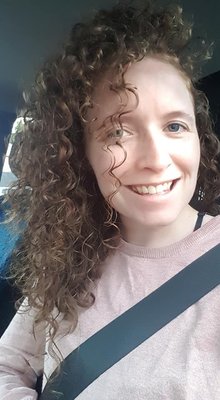
The contribution of nurses – in particular the 460 nurses who work in general practice across our region – will be celebrated on International Nurses Day on Wednesday, 12 May.

This year’s theme is: Nurses: A Voice to Lead – Invest in Nursing and respect rights to secure global health.

One third of general practices in South Western Sydney employ a practice nurse. SWSPHN’s practice nursing program is designed to support nurses working in general practice.

During the past year SWSPHN has been highlighting the work of our practice nurses through profiles in our general practice newsletter. You can read more about the role of nurses in general practice on our website, with links provided below.

Read three of our profiles:


Kimberley Moutia – Gandangara Health Services in Liverpool


Alec El-achrafi – Campbelltown GP-led respiratory clinic


Jean Cristobal – Myhealth Medical Centre Fairfield


We’d like to thank our compassionate, professional and committed practice nurses for the important contribution to improving the health outcomes of our community.

22 March 2022

Practice nurse Brooke Bajac is a keen learner who loves being able to support people in the region with their everyday healthcare needs, as well as in the fight against COVID-19, in her role at Picton Family Medical Centre and Picton Respiratory Clinic as a practice nurse and nurse team leader.

In addition to her passion for nursing, Brooke is instrumental to the practice in her role in leading, coaching and role modeling for the rest of the nursing team on how to carry out their daily tasks in a thoughtful, systemic manner, in order to achieve those wildly important short- and long-term goals for both the patient and for the practice. She exemplifies her practice’s values of #LoveWhatYouDo #MakeADifference #ActWithIntegrity


How long have you been a practice nurse and how long have you been working in the LGA you currently work in?

I have been a practice nurse for one year and two months but have been working as a registered nurse in Wollondilly for two years.


When/why did you decide to pursue a career in nursing and specifically in primary care?

I have a passion for helping people. I especially love caring for the elderly population as I believe they are the most vulnerable. I had epilepsy as a child and I was in and out of hospitals for most of my childhood, I always looked up to the nurses looking after me.


Tell us about the role of nurses in primary care

Every day is very different working in a general practice. We see everything from people with chest pains to people with wounds. However, I have multiple roles within my general practice such as treatment room duties, chronic disease management, respiratory clinic duties and nursing team leader duties.

Treatment room: When I work in the treatment room I assist doctors with procedures such as biopsies, excisions, nail removal and wound suturing. I also assess and attended to wound care both minor and complex. I am skilled in IV cannulation and perform numerous IV treatments such as: iron infusions, venesections, IV fluids and IV antibiotics. I am also responsible for ordering medical supplies, ordering and maintaining vaccines. Other tasks I perform in the treatment room also include ECG, adult and childhood immunisations, INR checks, observations (BP, SP02, HR, RR), ear syringing, suture removal and much more.

Chronic disease management: I am skilled at creating care plans for patients who have chronic disease. I work closely with the patient, their GP, allied health and specialists to help patients achieve their health goals. I also perform other assessments during care planning such as health assessments, diabetes cycle of care and heart health checks.

Respiratory clinic: I also work within a respiratory clinic which is part of our clinic. I have many roles within the respiratory clinic such as swabbing patients, respiratory assessment of patients, COVID-19 vaccinations, care of COVID-19 positive patients and I provide education and advice to unwell patients.

Nursing team leader: As the nurse team leader I manage our nursing staff in both the general practice and respiratory clinic. I do the rostering for general practice and respiratory clinics nurses. I ensure our nursing team are upholding our values. I assist my team with reaching our goals and improving our customer service to our patients. I help coach our nursing team where needed to enhance and improve their performance. I assist our practice principal with the development of procedures and company goals.


What do you love about nursing/what do you find most fulfilling about your role?

I love developing therapeutic relationships with my patients. I love having a direct impact on a person’s health and assisting them to achieve their health goals. The most fulfilling part of my role is to watch my patient’s health improve especially through chronic disease management. It is the best feeling to see a patient three months after their care plan and find that their condition has improved.


What is your biggest challenge as a PN and how do you overcome this?

The COVID-19 pandemic but more specifically COVID-19 vaccinations. I have had many patients who have been very uncomfortable having a COVID-19 vaccine. I overcome this by having one-on-one conversations with the patient and answering any question or concerns they have. If I am unable to answer I specific question I direct them to a doctor. I want my patients to feel safe and comfortable during this experience.


Tell me about your ideal work day.

Every day I come to work I have a great day. But my ideal day would be successfully helping all my patients with their care needs and providing great health outcomes.


What do you like to do in your spare time?

I love to play netball and spend time with my family.


Do you have any role models and why?

I have three main role models in my life. 1) My mother. She is an independent woman who has always put everyone else before herself and her work ethic is amazing. 2) My father. I strive to be the best person I can be because of him. He has taught me the importance kindness and respect. 3) Dr Anna Pham. Dr Anna is an amazing and caring doctor who has achieved so much. She is committed to her staff and patients. I strive every day to be like her.


How do you help educate your patients about maintaining good health?

I re-enforce the importance of seeing your GP on a regular basis. I regularly refer my patients to useful website such as The Heart Foundation. I assess my patients and their needs, for example, in relation to weight gain, diabetes, arthritis etc. Mental health plays a big role in a person’s health outcomes so I always encourage my patients to find someone they can talk to, and I offer my ear if they need it. I also inform my patients about mental health care plans to assist them.

22 February 2022

Practice nurse Donna Simmons loves being able to make a difference and support her local community in her role at Schwarz Family Practice, Elderslie. She says “working in a positive and friendly practice is just an added bonus!”


How long have you been a practice nurse and how long have you been working in the Camden LGA?

I have been practice nursing since 2010 and working as a practice nurse in the Camden LGA at the Schwarz Family Practice, Elderslie since 2013. I initially started practice nursing in Campbelltown in a smaller practice along Queen Street.

When/why did you decide to pursue a career in nursing and specifically primary care?

It was an easy decision for me after my HSC to pursue nursing at university. Growing up, anything Medical or First Aid-related always interested me.

I commenced my now 30-year Registered Nursing career at Concord Hospital, then once married and settled in the Camden LGA, I joined the busy Community Nursing team at Rosemeadow for 10 years, then spent some time at Carrington as an Aged Care Co-Ordinator, then finally decided to give practice nursing a go, and have never looked back.

I knew with my previous experience in different areas of nursing I could utilise my skills each day. Practice nursing has kept me engaged and satisfied, particularly working in an exceptional team environment like I do daily.


Tell us about the role of nurses in primary care

I believe nurses hold a very important role in primary care and we do our best to complement the doctors in their day-to-day role. I hold a Team Leader role at the practice and am well supported by another four talented nurses. We are each diverse with our skills and are able to bring these skills into use regularly.

The role as a practice nurse is very diverse and we are able to support our GPs with many tasks including (but certainly not limited to) the administering of immunisations, setting up of procedures/excisions and assisting with these, triaging calls and dealing with walk-in emergencies, care planning, health assessments, all levels of wound care, post op care, diabetes cycles of care and education, COVID-19 clinic and flu clinics, catch-up schedules, ordering of medical supplies/vaccines, referrals to allied health (Community Nursing, My Aged Care, High Risk Foot Clinic etc.) just to name a few.

I believe the best way to contribute to improving clinical outcomes in our practice is by getting to know your patients’ needs well, listening to their concerns and most importantly, being very proactive with education and sharing this information back to the practice and then onto our patients.


What do you love about nursing/what do you find most fulfilling about your role?

There are so many wonderful and rewarding aspects to love about nursing. To be able to be a caring and nurturing person in times of stress or concern for a family is rewarding but also feeling confident in your role that you are able to help patients and give useful advice and support in times of need. For me, making a difference and supporting my local community is what I love and working in a positive and friendly practice is just an added bonus!


What is your biggest challenge as a practice nurse and how do you overcome this?

Like all practices and nurses world-wide, I feel the challenges of late would likely revolve around COVID and supporting our community during this pandemic. The changing nature of COVID initially, learning how to triage calls and advise and support our community would come close to being overwhelming. But as time has passed so too did the stress of the pandemic (to some degree). We have managed to support our community with COVID vaccine clinics – proving another challenge in itself, being quite a time-consuming process.

Another challenge I personally feel is the lack of support for our vulnerable ageing community. Accessing services eg home-care packages, transport needs, dementia support for families and carers, referring to My Aged Care and the period between referrals and families being able to receive assistance can be very lengthy.


Tell me about your ideal workday?

Working in a positive environment surrounded by an amazing team (which I am daily) but if it was to be truly “ideal” it may need to also include some cake and maybe a little chocolate.


What do you like to do in your spare time?

I enjoy watching and playing netball (definitely in that order), spending time with family and friends, listening to music and podcasts, day trips to new places, eating out and maybe also enjoying a sneaky wine.


Do you have any role models/why?

I do not have any particular role models, but I am in awe of many people who I have met along the way. To those that struggle with day-to-day adversity and continue to stay positive, for those people committed to learning and educating others in their chosen field and I am definitely in awe of all front-line workers who have proven to be so incredibly resilient in recent times.


How do you help educate patients about maintaining good health?

I think the trick to educating patients about maintaining good health is to show a keen interest in someone’s general well-being, build rapport, gain trust and respect, ask plenty of questions and by giving plenty of positive feedback.

We need to take advantage of opportunities in the brief time we spend with patients and discuss basics like medication management, skin care regime (being sun sense), checking they are up-to-date with age-appropriate immunisations, attending BMIs etc …just a couple of simple examples.

09 December 2021

Dr Kenneth McCroary, Chair of Sydney South West GP Link, is hosting a series of meetings with clinical/political/regional individuals or organisations to discuss issues and solutions for GPs working in South Western Sydney.

His latest discussion in the GP Link Lunch series is with SWSPHN Clinical Support Co-ordinator Kristina Allen who talks about the New to General Practice Nursing Program.

Read the interview


23 November 2021

Practice nurse Jasmine Wei from Medclinic Medical Centre at Panania says the ability to help patients and to work towards their health goals together is the most fulfilling part of her role.


How long have you been a practice nurse and how long have you been working in the LGA you currently work in?

I have been a practice nurse since August 2020 (almost 18 months) and I’ve been working in my LGA for five months.


When/why did you decide to pursue a career in nursing and specifically in primary care?

Initially, I got into a Bachelor of Nursing because I didn’t do amazing in HSC and it wasn’t hard to get into nursing because it wasn’t high in demand. I thank God for that every day!

I graduated not wanting to be a nurse, so I went into medical reception.

I’m so very grateful for my boss there because she encouraged me to be a nurse. She paid for my immunisation course and allowed me to take days off for further nursing studies (what kind of boss will do that?). The medical centre eventually hired another nurse and that nurse gave me basic practice nurse training.

The training brought back my spark for nursing and I reminisced about how much I loved being hands-on, helping people, the deep conversations we have, and working out solutions together with the doctor for the best patient-centred care.

I also discovered I wasn’t limited to working in hospitals.

Working as a medical receptionist, I was inspired to work in a GP practice, and I started applying for practice nurse jobs.

It was extremely hard finding a practice nurse job with no experience and connections, but eventually, I got there. A medical centre down the South Coast was able to train me as a newbie. That’s when my nursing career officially started.


Tell us about the role of nurses in primary care …

My day-to-day schedule looks different everyday depending on who comes in on the day. My role generally includes COVID injections, childhood immunisations, adult immunisations, ECGs, blood tests, ear irrigations, health assessments, etc.


What do you love about nursing/what do you find most fulfilling about your role?

The most fulfilling thing about being a nurse is the ability to help those who want/need help and the ability to reach the goal together with the patient and allied health as a team.


What is your biggest challenge as a PN and how do you overcome this?

Working with a variety of doctors is always challenging as every doctor has their own preference of working.

How to overcome this? Having a supportive team makes such a difference, and definitely patience. It takes time for everyone to “get there”. And I encourage other nurses out there to never give up. It takes time for doctors and staff to warm up to you. It takes time for you to learn how every GP works in your clinic.

And once your team knows how everyone works? That’s when you can provide the best patient care. 


Tell me about your ideal work day

I start off my day with logging into Deputy (an app where I have to login or I won’t get paid), attend the fridge log, log into Best Practice and popping on some instrumental cafe music for patients to be more at ease throughout injections and procedures.

Throughout the day, it may get a bit more wild – patients come in and out and doctors may randomly call to attend a minor procedure, ear syringing or an injection. (They do know how to keep my day interesting).

To add some spice, every month there are checks to attend (emergency trolley, doctor’s bag and drug samples) and my favourite part, ordering more equipment/supplies.

I generally end my day with a cuppa tea and doing the reverse of the morning – attending the fridge log again and logging out of Best Practice and logging out of the app.


What do you like to do in your spare time?

Exploring the world together with my family and friends.

I also happen to really like dessert – if you check out my Instagram, you would know what I mean.

I also happen to really enjoy painting and calligraphy.


Do you have any role models and why?

That’s a good question. I’ve got a few.

Firstly, it was my mentor, Kel. She is someone I will forever look up to.

Her heart and intention behind every action (as a nurse) is sincere and she is one of the rarest gems out there. If you’ve met her, you would know what I mean – she would make sure you and your health is well looked after and she would take every little detail into consideration to provide the best healthcare.

Secondly, Kris (now I’m putting you in the spotlight).

Similar to Kel, Kris has taught me so much as a nurse – beyond words and she encourages me to be a better nurse and doing the right thing each and everyday.


How do you help educate your patients about maintaining good health?

This may depend on what we are educating.

When I educate my patients, I usually explain to them about a better lifestyle/way of doing things. I explain to them what the current problem is and how we can improve from our current problem. I also make sure they are willing to make a change – not much point educating if they are not willing.

If possible, I try to find additional educational resources for them to take home or point them back to the GP for further assistance/education.

28 October 2021

Nurses are invited to enrol in Diabetes Qualified’s Diabetes in Practice for Nurses eLearning.

The CPD-accredited online course is for practice and enrolled nurses looking to increase their diabetes knowledge.
Learn more

28 September 2021

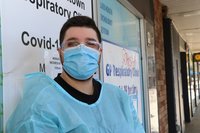
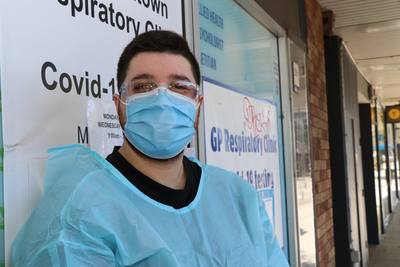
Practice nurse Alec El-achrafi has been on the frontlines of the COVID-19 pandemic for the past four months, supporting patients through their COVID vaccinations and testing at Campbelltown GP Respiratory Clinic. He says his best days are those where every patient leaves the clinic happy with the care they’ve received and in a better condition than when they entered.


How long have you been a practice nurse and how long have you been working in the LGA you currently work in?

I have been a nurse in Dr Dong’s respiratory clinic for four months and I have spent the same amount of time working in the Campbelltown LGA.


When/why did you decide to pursue a career in nursing and specifically in primary care?

I decided to pursue a career in nursing because I’ve always loved the idea of being able to help people. As to why I chose to be in primary care, it’s very intriguing hearing the different stories and situations which come through the door and you never know what you may contribute to someone’s day.


Tell us about the role of nurses in primary care

The day-to-day role at the moment is very consistent. It’s all about making sure you provide care to a patient in any way possible, whether it be through COVID vaccinations, COVID testing and even just listening to a patient’s current situation and showing them empathy or offering advice when asked. I think as nurses we are able to complement the role of a GP by helping with all the little things. For example, seeing the asymptomatic patients while doing COVID testing so doctors are able to spend extra time with patients who require it. By doing this, it makes what we do as team become much more efficient and helps everyone work together during these tough times to ensure we provide the best care for our patients.


What do you love about nursing/what do you find most fulfilling about your role?

What I love most about nursing is knowing even the smallest aspect of care can completely change a patient’s day and sometimes even life. Understanding a patient’s situation and being able to help them through whatever it is they require is one of the most fulfilling parts of the nursing role.


What is your biggest challenge as a PN and how do you overcome this?

One of the toughest challenges would be the language barrier with some patients. When someone comes into the clinic and they are from a non-English speaking background it is hard to explain to them what you are doing and what is happening. It’s definitely a great learning moment when you find a way to communicate which works for both you and the patient ensuring they receive the required care.


Tell me about your ideal work day?

My ideal work day would be knowing when I leave at the end of the day, I have provided the best care possible. This ensures every patient leaves the clinic happy with the care we provide and in a better condition than when they entered.


What do you like to do in your spare time?

In my spare time I enjoy going on adventures with family and friends. One of the main things I love to do is go fishing with friends. Even if we don’t catch anything I know as long as we are all together and laughing it’s going to be a good day.


Do you have any role models and why?

I have a few role models I look up to at the moment. One of the main ones would be Dr Dong Hua. He is very hard working and supportive. The way he runs the medical centre and clinics is amazing. He always allows everyone to work as a team and express themselves how they wish. I always know when I come in to work it’s going to be a good day and that is very important in an environment where you spend most of your time. Some of the other role models would be Dr Richard Nguyen, Dr Allison Thorn and Dr Migie Lee as I know they are always willing to help with anything you require whether it be asking for assistance with a patient, needing an answer to a question or even just having a friendly conversation. It’s a great working environment and all these people contribute so much to ensure everything operates smoothly.


How do you help educate your patients about maintaining good health?

One of the main ways I help educate patients at the moment would be explaining to them the side effects and risks of receiving a COVID vaccine. It is very helpful advice to give to patients especially when discussing how the benefits outweigh the risk and helping people understand the vaccine is a great way to help people in these tough times to find a way back to regular life.

23 August 2021

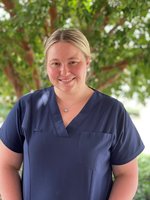
HK Medical Centre, Fairfield’s Courtney Daley is new to practice nursing and loving her role learning about and caring for her patients, and educating them about healthy habits and taking good care of themselves.


How long have you been a practice nurse and how long have you been working in the LGA you currently work in?

I am very new to the practice nurse community. I have currently been working as a practice nurse for four weeks but I have been working within Fairfield LGA for about a year.


When/why did you decide to pursue a career in nursing and specifically in primary care?

I don’t think I ever really decided to be a nurse. It was just something that I always wanted to do. I have always been a big science fan and found health and the human body fascinating so maybe that played a role in my career choice. I chose primary care as I want to expand my knowledge and experience through working in all different sections of the healthcare system.


Tell us about the role of nurses in primary care

I feel the role of nurses in primary care is based around education and observation. We are there to ensure all concerns and queries are answered in full to our patients. We complement the role of the GP by liaising with them regarding the patient’s condition, create care plans together and assist the GPs with procedures.


What do you love about nursing/what do you find most fulfilling about your role?

I love being a nurse as it has made me a much kinder, patient and confident person. I enjoy meeting different people from all kinds of backgrounds and learn about the life they have led themselves. I feel  every day, whether good or bad, is fulfilling for me. Every time I leave a shift I feel like I have accomplished something and hopefully made someone’s life a little bit better that day. I couldn’t imagine doing anything else.


What is your biggest challenge as a PN and how do you overcome this?

Personally my biggest challenge as a PN currently is the language barrier between myself and my patients but our helpful receptionists help assist with this. If you work as a team there aren’t many challenges.


Tell me about your ideal work day…

My ideal workday would be a mix of physical tasks I have to perform and mental tasks. This would ensure I am practising my clinical skills so as to improve such as dressings, vaccinations etc as well as mental tasks such as overlooking care plans, histories to improve my knowledge and critical thinking skills. I feel this variation in tasks throughout the day keeps me focused on my role.


What do you like to do in your spare time?

In my spare time I like to get outside with friends and do things like hiking, going to the beach, exploring. Unfortunately, with the current circumstances I have been unable to do these things but I started taking up reading again which passes the time.


Do you have any role models and why?

I don’t have any specific role model I look up to if I’m honest. Rather than modelling after a specific person I guess I remember moments or actions of someone and use those good qualities I see in my own professional/personal situations.


How do you help educate your patients about maintaining good health?

I assist in helping our patients with education via ensuring they fully understand what I am informing them about. For example, utilising our receptionists and the translation and interpreting service, providing written information such as fact/advice sheets and looking at the patient holistically. I encourage the patient to practice healthy habits and ensure they understand the risks of not taking care of themselves appropriately. Also, before they leave my care I ensure they are satisfied with my information and that any further questions are answered.

27 July 2021

Practice nurse Kimberley Moutia loves her work in Aboriginal health, and is passionate about the community in which she works and supporting her patients to improve their health.


How long have you been a practice nurse and how long have you been working in the LGA you currently work in?

I have been a practice nurse for almost two years, working at Gandangara Health Services in Liverpool.


When/why did you decide to pursue a career in nursing and specifically in primary care?

I decided straight out of high school I wanted to pursue a nursing career, as I have always been interested in the human body and learning about the complex processes involved in the things we take for granted (ie breathing, eating, fighting infection, walking etc). I found myself falling into a primary care career after spending time working in hospitals where I found the fast turn-around of patients impacted the ability to develop a valuable therapeutic relationship. I found the way we completely lost touch with our patients as they left the service off-putting and really wished I could follow up with them to find out how they were travelling after leaving hospital. I worked in clinical trials for about 18 months and enjoyed being able to see the patients through over months and years. From that I found myself in a role in primary health at an Aboriginal Medical Centre, which felt immediately more aligned with my passions. This, and my longing to follow clients through their holistic health journey, as well as the added submersion into Aboriginal culture, focusing on the health benefits of reconnecting to culture and spirit.


Tell us about the role of nurses in primary care

In Aboriginal primary health the role of the RN is wide and varied. It includes anything from your basic observations, immunisations, wounds, injections, chronic disease management plans, health education, to Aboriginal Health Assessments, venipuncture, assisting with procedures (removal of lesions, insertion/removal of contraceptive devices, ear syringing etc), sitting on community health committees, and participating in the planning and delivery of community events and networking.


What do you love about nursing/what do you find most fulfilling about your role?

I love helping people to understand what is going on with their bodies and solving problems they may not have realised could have been solved. I also love being with people on their health journey, and seeing how much their health can improve with the right intervention and support.


What is your biggest challenge as a PN and how do you overcome this?

The biggest challenge I have faced is adjusting to working in Aboriginal health. I didn’t realise before working in Aboriginal health how different it was to mainstream GP practices. The community becomes your family, and you become so passionate about following up, learning about their family and community groups, attending community events … it’s a whole other world and I absolutely love it but it was a complete flip of what I’d learned so far.


Tell me about your ideal work day…

I’m lucky enough to work with an amazing team who feel like family to me, so every day feels kind of ideal. Specifically, I love attending community events and running health promotion programs, so an ideal day would be me and my team going out in the community and delivering health promotion to everyone over a lovely BBQ.


What do you like to do in your spare time?

I have two children under the age of five, so in my spare time I’m always playing games with them, taking them out to enjoy nature, doing arts and crafts, and just having fun. Being a practice nurse means I can manage a good work-life balance most of the time.


Do you have any role models and why?

I work with a whole list of people who I consider role models. Of note, my senior PN Emma has been an amazing mentor for me in adjusting to working as a PN. She sets the example of the kind of nurse that I strive to be. She is passionate, knowledgeable, and genuinely caring for all the patients and staff.


How do you help educate your patients about maintaining good health?

I lead by example but also provide an understanding ear to listen and gently guide them on their journey. The 715 Aboriginal Health Assessment has been a great asset in assessing and then educating clients on all aspects of health (physical, mental, spiritual, social), so we do this frequently in clinic.