15 June 2020

Communities impacted by last summer’s devastating bushfires have not been forgotten.

This is the message from mental health service providers in Wollondilly and Wingecarribee who have reassured the community they are not alone, and that there are a range of local support options available.

Psychologist Miriam Broadhurst said some people felt forgotten because the COVID-19 pandemic had overshadowed the needs of those impacted by the bushfires.

Ms Broadhurst provides support through Community Links Wellbeing’s You in Mind and ReFrame services.

She said many locals were not coping and were feeling tired. “They are under-resourced in terms of accessing help to repair damage to their properties and this causes stress and anxiety.”

Ms Broadhurst said the community was “wounded” and without support would experience an increase in depression, suicide, anxiety, homelessness, unemployment and welfare in the years ahead.

“It is important that the community perceives that there is help, they are not alone and that people care about their situation and they are doing all they can,” she said.

South Western Sydney Primary Health Network (SWSPHN) has provided funding to local service providers to address these concerns and improve access to free mental health services to those impacted by the bushfires.

We are working with the South Western Sydney Local Health District, and Wingecarribee and Wollondilly councils to ensure a co-ordinated approach to service provision in our region.

Services include:

  • Outreach to affected communities of Wollondilly, Wingecarribee, Camden and Horsley Park;
  • Individual psychological therapies with mental health professionals; 
  • Group services.

Specific services are available for children through the STAR4Kids program, young people through ReFrame and adults through You in Mind and the Credentialed Mental Health Nursing Service.

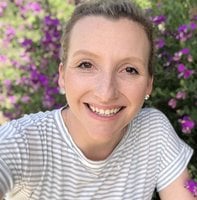
Community engagement officer with ReFrame, Alice Richards, said many parents had told her their children were in denial about the impact of the fires which they believed would have lasting effects.

Alice Richards

“I have spoken to many people about our free counselling service and have been told that they are glad to know the service is available and acknowledged that it is much needed,” she said.

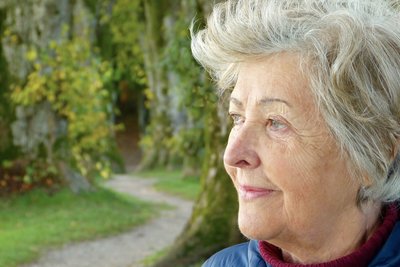
You in Mind psychologist, Vanessa Kmet, said she was seeing people experiencing relationship breakdown, heightened agitation in all areas of their life, and feelings of worthlessness and depression.

Vanessa Kmet

She said her family had also been impacted by the bushfires and locals appreciated help coming from one of their own, someone who could sit with them and say: “it’s been terrible and we can rise up again, together”.

“After feeling uncertain that any support would be given, they are glad to see funding coming through.”

Services are continuing throughout COVID-19 pandemic, with telehealth (phone or video) options available.

For more information about these services and to find your local service provider, download SWSPHN’s Bushfire Mental Health Support and Resources brochure.

29 May 2020

General practice has a key role in recognising and screening for eating disorders as well as in contributing to an integrated care team supporting a person living with an eating disorder.

SWSPHN as well as organisations such as InsideOut Institute, Butterfly Foundation and the National Eating Disorders Collaboration (NEDC) provide a range of tools, resources and training to assist primary healthcare providers in appropriately screening, treating and managing eating disorders.

An estimated one million Australians live with an eating disorder at any given time (Deloitte Access Economics, 2012), but fewer than 25 per cent of people with an eating disorder seek or receive care (Hart L. M., Granillo, M. T. & Jorm, A. F., et. al. 2011).

COVID-19 information updates

As the national experience of and response to COVID-19 continues to unfold, NEDC continue to share useful information about COVID-19 for the eating disorder community, including health professionals, on their website.

For local information in supporting people’s mental health during COVID-19, SWSPHN has developed an online resource for health professionals and community members.


Eating disorders HealthPathways for South Western Sydney

SWSPHN has developed a health pathway for the treatment of eating disorders in adults, adolescents and children, specifically to assist GPs working in South Western Sydney.


Recovery Point – information for patients and their families/carers on eating disorders

Recovery Point is an online resource and app to support people experiencing a mental health issue and their families, friends and carers to access information and a directory of services specific to South Western Sydney. This includes information and tools for young people and adults experiencing an eating disorder as well as the people supporting them.


New Medicare Benefits Schedule (MBS) items for eating disorders

On 1 November 2019, 64 new Medicare Benefits Schedule (MBS) item numbers were introduced to support a model of evidence-based care for eligible patients living with an eating disorder. For more information on eligibility criteria, services available and completing management plans visit the NEDC website


GP paid consultation – identification, screening and care planning of people with an eating disorder

InsideOut is undertaking a new project to work closely with general practitioners for the purpose of creating new and better opportunities in the identification, screening and care planning of people with eating disorders.

InsideOut is partnering with Meld Studios, an independent design studio, to undertake a design-based approach to creating better treatments called co-creation. Co-creation involves working closely with those providing care as well as those receiving care to understand what they truly need.

This co-creation project involves working with general practitioners in a primary care setting, as well people with lived experience of eating disorders, to understand their health experiences for screening, assessing, planning and providing or receiving treatment.

InsideOut would welcome an opportunity to talk with you about your role working in primary care. The conversation is to hear more about your experiences and would take place over a video call (using Zoom, or FaceTime) for 60 minutes with a person from Meld Studios. These sessions will run from 25 May over the course of a month.

This would be a paid consultation. Please contact Digital Project Lead Sean Rom (sean.rom@sydney.edu.au) to express interest.


Free online CPD for GPs and primary care practitioners

The Essentials: Training Clinicians in Eating Disorders

InsideOut is providing GPs and primary care practitioners (including those working in private practice) with access to their Essentials Eating Disorders online training, typically valued at $280 per person. This is 17.5 hours of free CPD and is the only online learning nationally to meet the National Eating Disorders Collaborative Core Competency Framework for eating disorder clinician training. Undertaking this training will help suitably qualified practitioners to meet the requirements for providing services under the new MBS Eating Disorder Item numbers. InsideOut has 5,000 spots available, which have been distributed across all states and territories, so places are limited. There are five modules which will equip GPs with an understanding of the central issues in the field and the skills required in each step of the diagnosis, assessment and treatment of clients, for both children and adults, across all major eating disorder diagnoses.

To access the training go to InsideOut website and check out with the code NSWESSENTIALSPRIVATE

NEDC eLearning

In addition, NEDC has a suite of five video modules available for free to health and help professionals which covers the following topics:

Professional Resource for GPs in Eating Disorders

As a GP you are likely to be one of the first health professionals a person with an eating disorder will come into contact with. A GP’s role in the treatment of eating disorders can encompass prevention, identification, medical management in a primary care setting and referral. This guide from NEDC provides GPs with information on screening and assessment, referral and ongoing treatment and management of eating disorders. Don’t forget, there is also the Eating Disorders HealthPathway specific to South Western Sydney to assist in these areas.

29 May 2020

SWSPHN has provided funding to local service providers to enhance access to free mental health services for individuals affected by the 2019/20 bushfires.

These services include:

  • Outreach to affected communities of Wollondilly, Wingecarribee, Camden and Horsley Park;
  • Individual psychological therapies with mental health professionals; and
  • Group services as needed.

Specific services are available for children through the STAR4Kids Program, young people through ReFrame and adults through You in Mind. For individuals with severe mental illness which may have been exacerbated due to the bushfires, Credentialed Mental Health Nursing services are also available.

Services are continuing through COVID-19, with telehealth (phone or video) options available.

SWSPHN will also release community grants in the second half of 2020, which will aim to prevent suicide, promote help seeking, increase social connection and build resilience in the community.

For more information about these services and to find your local service provider

19 May 2020

The community is invited to share their valuable thoughts and insights to help design a new Peer Support Program in a Community e-Forum. Everyone is encouraged to participate, especially if you have a lived experience of mental illness, are caring for someone with a mental illness or you are a peer worker in the South Western Sydney region.

Participate via this link: https://healthchat.swsphn.com.au/peer-workers-program The forum closes on 1 June 2020.

The program aims to improve the health outcomes, participation and social connectedness of people experiencing mental health conditions in South Western Sydney. It will support people experiencing low, mild to moderate and high mental health needs who are accessing mental health professionals through the SWSPHN commissioned You in Mind program delivered by One Door Mental Health and Community Links Wellbeing.

The program focuses on connecting people accessing the You in Mind program, as well as their carers and mental health professional, with a consumer peer worker. A consumer peer worker is someone who is employed based on their own personal lived experience of mental illness.

Peer workers can complement psychological therapy services by:

  • Assisting with service access
  • Supporting individual recovery journeys
  • Liaising with family and carers
  • Creating opportunities for connection
  • Physical health coaching
  • Increasing the recovery orientation of practices and services
  • Providing individual and system focused advocacy
04 May 2020

Residents in aged care facilities across South Western Sydney will now have access to improved mental health support after SWSPHN commissioned Parramatta Mission to deliver new psychological treatment services for residents with mild to moderate symptoms of common mental illness.


Why have we commissioned these services?

It is estimated that up to 52 per cent of older adults in Residential Aged Care Facilities (RACFs) experience symptoms of depression, and fewer than 1 per cent receive psychological support. Experience with other initiatives such as the Medicare Benefits Schedule (MBS) Better Access Initiative, suggests that up to half of this group of older people with mild to moderate depression may wish to receive mental health services if they were available to them. The new services are intended to enable residents of these facilities with mental illness to access mental health services similar to those available in the community which, in the past, have not been routinely available to older people living in RACFs.


When will the services be available?

The services are available now via telehealth. Initially, there will be a focus on engagement with RACFs and staff capacity building as well as individual telehealth support options.


Who can access the services/what is the eligibility criteria?

The services are intended to target people with a diagnosed mental illness who are residents of residential aged care. The new services are expected to primarily target residents with mild to moderate symptoms of common mental illness. However, residents with severe mental illness who are not more appropriately managed by a State or Territory Government Older Persons Mental Health Service, and who would benefit from psychological therapy, are not excluded. The services also target people who are assessed as at-risk of mental illness. Flexibility is important as mental health needs can be highly changeable in vulnerable older adults and it may not always be possible to obtain an early diagnosis.


Is there support for people who don’t speak English as a first language?

A free Telephone Interpreter Service will be available to support residents from diverse cultural and linguistic backgrounds to access mental health treatment services in their preferred language.


Are the services suitable for people with disabilities/dementia?

A person with co-morbid mental health issues alongside dementia or with a disability, will be eligible.


How can people access the services?

The intake processes will be tailored to meet the unique needs of each RACF. A GP referral is not necessary and self-referrals and/or relative/carer referrals will be accepted and assessed.


Where will these services be available?

Parramatta Mission will be engaging with RACFs in the early stages of implementation and the services will be rolled out across the region.


What should service-users expect?

The services will include individual psychological therapy as needed, group sessions and RACF staff capacity building activities, including mental health understanding through education sessions and Older Persons Mental Health First Aid Training to give aged care staff an insight to residents’ needs.


What should health professionals caring for the resident expect/ need to know?

Parramatta Mission will develop and implement a GP engagement plan which will establish an integrated treatment team involving RACF staff, treating clinical team and the resident GP.

For more information, please contact Rhonda Simpson at rhonda.simpson@swsphn.com.au or phone 0499 055 231.

07 April 2020

Australia’s 2.7 million unpaid carers now have access to greater supports, with the introduction of new Carer Gateway support services on 6 April.

The Australian Government is investing $550 million in support services for carers across the country through the Carer Gateway – the biggest carer support reform in Australia in more than a decade.

New services for carers include carer support planning, counselling, peer support, carer directed support packages and emergency respite services through the new Carer Gateway.

Some service delivery will be impacted by the Coronavirus (COVID-19) pandemic with current limitations on face to face contact.

Online and phone-based supports are already available, and carers can access these services by calling the national Carer Gateway number on 1800 422 737 or visiting www.carergateway.gov.au

These services are free to access for anyone caring for a family member or friend who is living with a disability, a long-term medical condition, mental illness, alcohol or drug dependency or someone who is frail due to age.

Anyone can become a carer at any time – through the birth of a child who has special needs, as a result of a loved-one’s accident or illness, if someone close to you has an addiction or a long-term health condition, and sometimes because the people we love simply get older.

Carer Gateway provides support through a network of regional Carer Gateway Service Providers. In NSW there are four service providers who are working collaboratively to deliver consistent support services for carers across the state.

Wellways Australia is the Carer Gateway Service Provider across the NSW regions of South West Sydney and Nepean Blue Mountains and will provide services in across this area.

Wellways Australia CEO Laura Collister said the Carer Gateway provided practical advice and support for all carers.  

“No matter where you are located, you can contact Carer Gateway on 1800 422 737 and be directed to the Carer Gateway Service Provider in your region who will help identify the supports best suited to your needs,” Ms Collister said.

“Getting help early can make a big difference to a carer’s life, reducing carer stress and improving wellbeing. The Carer Gateway is focussed on early intervention services to ensure carers get the support they need.”

Since July 2019, the Carer Gateway has been offering free phone-counselling and online self-guided coaching and skills courses through the Carer Gateway 
website www.carergateway.gov.au

30 March 2020

As of today (1 April 2020), people requiring support for their severe and persistent mental illness can now receive services under the SWSPHN commissioned You in Mind program delivered by One Door Mental Health and Community Links Wellbeing. These changes do not apply to You in Mind services delivered by Connection Emotion Reflection.

Due to these changes, the Connect for Wellness program delivered by Wellways will cease to accept referrals. Previous clients of Connect for Wellness will be transitioned into the You in Mind Program through a warm handover process.

To find out more.

As of 1 April 2020, people requiring support for their severe and persistent mental illness can now receive services under the SWSPHN commissioned You in Mind program delivered by One Door Mental Health and Community Links Wellbeing. These changes do not apply to You in Mind services delivered by Connection Emotion Reflection.

Due to these changes, the Connect for Wellness program delivered by Wellways will cease to accept referrals. Previous clients of Connect for Wellness will be transitioned into the You in Mind Program through a warm handover process.

You in Mind will provide psychological therapies for people who are part of one of the following eligible groups:

  • Experiencing a mild to moderate mental illness and identify as one of these populations:
    • Aboriginal and Torres Strait Islander
    • Culturally and Linguistically Diverse groups
    • Residents of Claymore, Airds and the 2168 postcode
    • People living in Wollondilly and Wingecarribee with barriers to using Better Access (Medicare) services
    • LGBTQAI+
    • Older people
    • Financial disadvantaged
    • Perinatal depression

OR

  • Experiencing a severe and persistent mental illness

Psychological therapies are delivered by mental health professionals and are matched to the person’s mental health needs (short and medium-term clinical supports). 

For current referrals relating to Connect for Wellness please contact Wellways directly at connectforwellness@wellways.org or call 4666 0512. If you have referred patients to Connect for Wellness and they are currently engaged in the program, you will receive a separate communication from Wellways.

For all SWSPHN referral and intake enquiries please contact SWSPHN Mental Health Intake Line on 1300 797 746.

24 March 2020

Over the past 12 months,  South Western Sydney PHN (SWSPHN) and South Western Sydney Local Health District (SWSLHD) have been working together to develop a Regional Mental Health and Suicide Prevention Plan to 2025. The development of a joint regional mental health and suicide prevention plan is an action under the Fifth National Mental Health and Suicide Prevention Plan.

The Regional Plan promotes the partnerships and integrated approaches in order to reduce the impact of mental illness and suicide in the South Western Sydney.

The Regional Plan has been informed by an extensive consultation with over 200 participants including people with lived experience, their families, carers, SWSLHD clinicians and managers, Aboriginal and Torres Strait Islander organisations, local general practitioners, along with peak bodies and other government and non-government services and agencies.

Over the next five years, the Regional Plan will establish an integrated approach for collaborative actions to improve the provision of better integrated mental health and related services in South Western Sydney.


The draft Regional Plan is now available for review and comment.

Who can share feedback?
If you are a local community member, NGO, service provider or health professional you are invited to comment and share your feedback on the draft Regional Plan. 

You can see the draft Regional Mental Health and Suicide Prevention Plan hereDownload icon phn blue

Share feedback on the draft Regional Plan
 Give feedback online >

You can also give feedback via email if you prefer.
Email SWSLHD-areaserviceplanning@health.nsw.gov.au 

Opportunities to comment and share feedback close on 9 April 2020.

Questions about the draft Regional Plan?
Contact Diana Milosevic, Senior Planner, SWSLHD Planning Unit
Phone: 8738 5719
Email: Diana.Milosevic@health.nsw.gov.au

13 March 2020

Tackling the Challenge (TTC) encourages local men to share their stories of overcoming physical, psychological and social health issues with the aim of opening a healthy discussion on men’s health.

TTC is led by the South Western Sydney Mental Wellbeing Health Promotion Team in partnership with government and non-government services including Western Sydney University.

Community Pulse is publishing a series of these stories. If you have a story to share, please contact Brendan Bennett on 8738 5983 or Brendan.Bennett@health.nsw.gov.au


Malcolm reflects on his journey

The Tackling the Challenge: Talking Men’s Health project gives a voice to men’s health and shares stories of overcoming life’s challenges to encourage other men to ask for help.

In this story, Malcolm shares his life journey.

By the age of 30, Malcolm had accomplished many things most would only dream of. He had received all of his engineering qualifications, owned properties, worked a variety of jobs and travelled for three years across 36 countries. Despite this, Malcolm felt adrift.

Returning to Australia from working overseas, Malcolm married for the first time and entered the hotel business as part-owner of an establishment with his family members. “So here I was, early 30’s with my name above the door of a hotel – I was very proud”.

Malcolm and his wife welcomed pregnancy news and opted out of the hotel business to focus on their new family.

They welcomed a baby daughter into their lives who was born with Down syndrome. At the time, Malcolm felt a sense of shock then guilt, despite professional reassurance that a person who has Down syndrome can go on to live quite an ordinary life in the community.

Living with a sense of helplessness and feeling to blame, Malcolm started to unravel.

He made some business decisions which did not go his way and lost financial stability. He felt increasingly low and began to grow disconnected from his family. His relationship ended in divorce and he moved out of the family home. “I was in depression, deep depression,” he said.

Malcolm moved to Sydney and lived with friends, working as a taxi driver to make ends meet. “I reached such a low point, I felt like a total nobody and didn’t know which way to turn,” he said.

During this time, Malcolm disguised the extent of his mental distress to his extended family but a good friend suggested he seek professional support from a nearby counsellor at Catholic Care.

Over time, the counsellor helped Malcolm identify and understand what he was going through. She guided Malcolm away from holding blame for his daughter’s intellectual disability and she provided him with tools to support his recovery from depression.

Malcolm’s recovery journey included non-judgemental support from a life-long friend who understood the depths of his depression; therapeutic support; re-engagement with study; and joining a social group which helped him form new connections with others across Sydney.

“Suddenly, life started to look up because I was mixing with lots of people,” he said. 

He also credits his Christian faith which has grown as a result of facing the highs and lows of life. 

In this social group, Malcolm met his second wife and moved to the Southern Highlands to support her new role as a teacher. Malcolm also credits his second wife for supporting him through his recovery.

Sadly after 26 years of marriage and a second daughter, his wife passed away from cancer.

Now, Malcolm is proudly part of the Bundanoon Men’s group ‘Men at Shop’. This group is mainly retired men from a variety of backgrounds who meet weekly for an hour over a cup of coffee.

“I often sit there and observe four separate conversations happening around the table, it’s never the same blokes together,” he said.

This group helps men connect with the community to combat loneliness, often after their partners have passed away. “It’s a great way for blokes to get out and be with other blokes,” he said.

Malcolm is grateful and content with his life and his advice to other men is to make sure they have people around who they can trust, to talk to about how they feel and why.

Further support can be provided by a GP or heath professional. You can also contact Lifeline on 13 11 14 or the Mental Health Access Line on 1800 011 511.

18 February 2020

We’ve got a group of 16 committed staff in training to take up the Coastrek Challenge on Friday, 27 March and your support is needed to help us meet our fundraising goal of $10,000!


What is Coastrek?

Coastrek on Friday, 27 March is a hiking challenge which is raising funds for Beyond Blue.

There are 60km, 30km and 15km options, and this year’s route is along the Northern Beaches of Sydney, starting at Palm Beach, South Curl Curl Beach and North Harbour Reserve, Balgowlah (respectively).

Find out more:

Coastrek

Watch the Coastreak video

What is Beyond Blue?

Beyond Blue is an independent, not-for-profit organisation working to reduce the impact of anxiety, depression and suicide. It provides information and support to help Australians achieve their best possible mental health, whatever their age and wherever they live.

Find out more:

Beyond Blue


Who are our teams?

60km

Team 1 – Perception vs Reality

Team 2 – Cirque de Sore Legs

30km 

Team 3 – SWSPHN Happy Feet

15km

Team 4 – Sea Breezes

Donate to Coastrek