02 February 2026

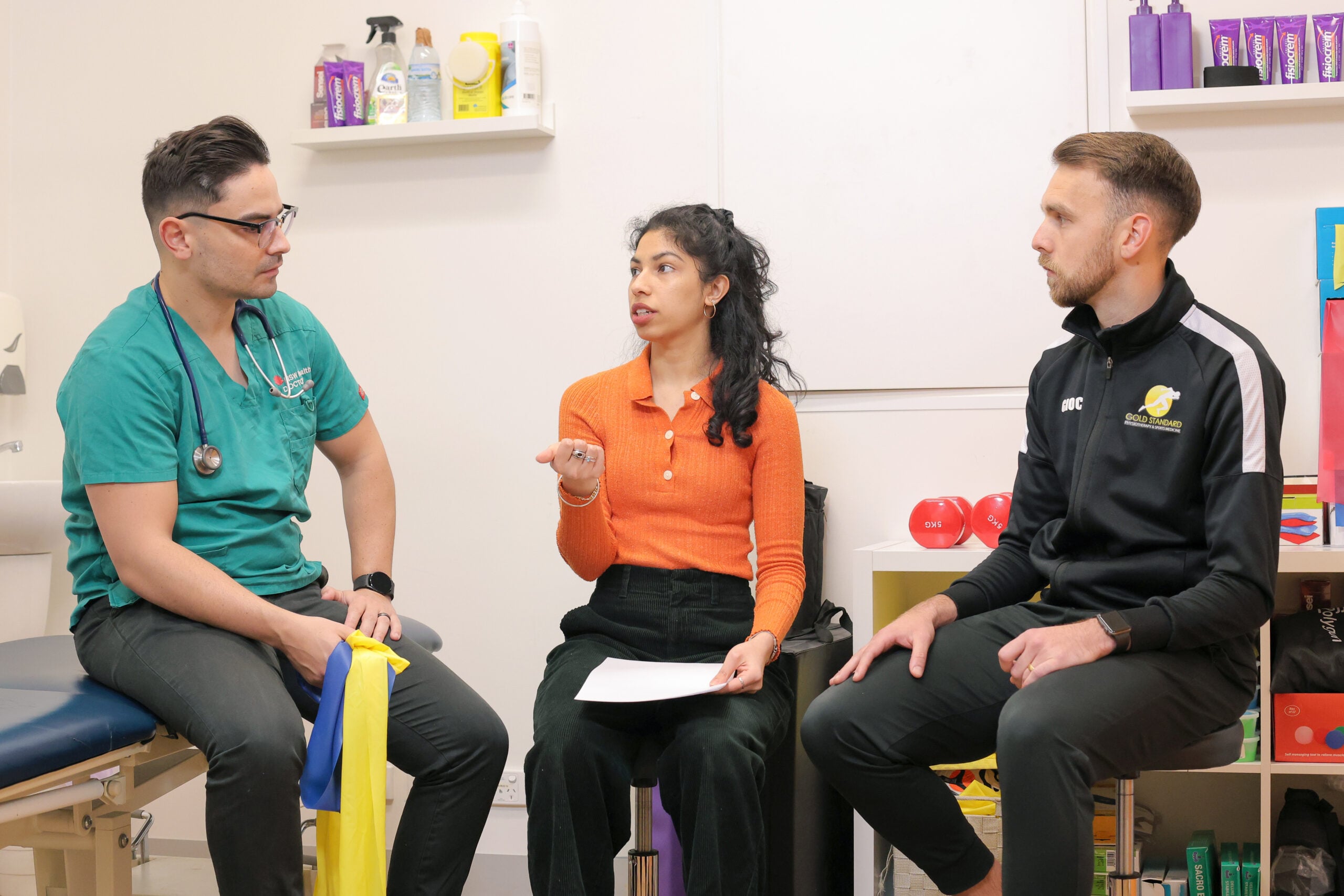
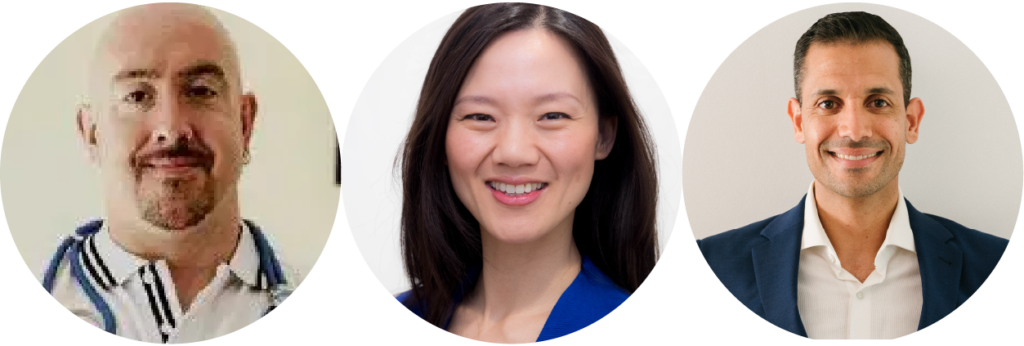
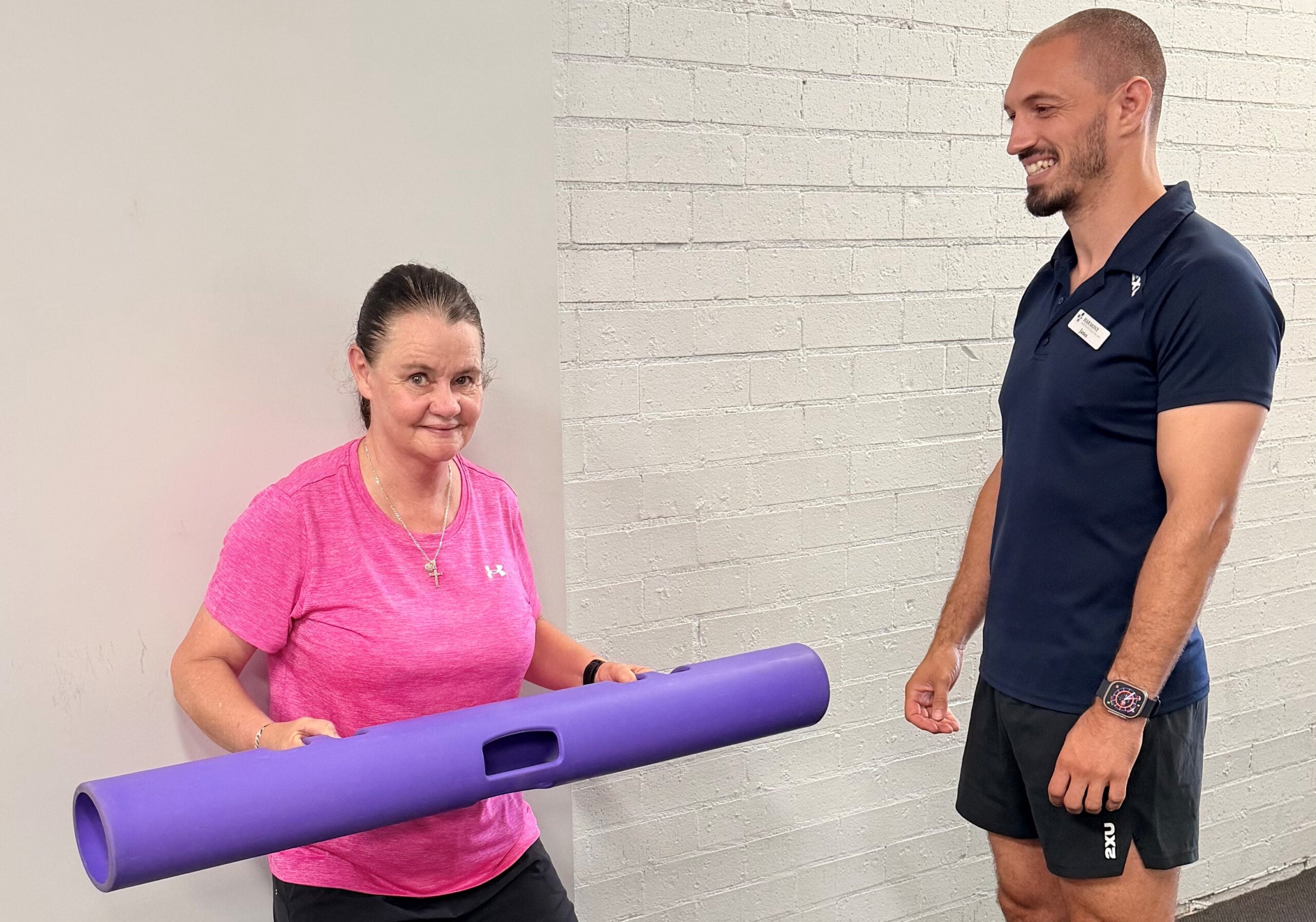
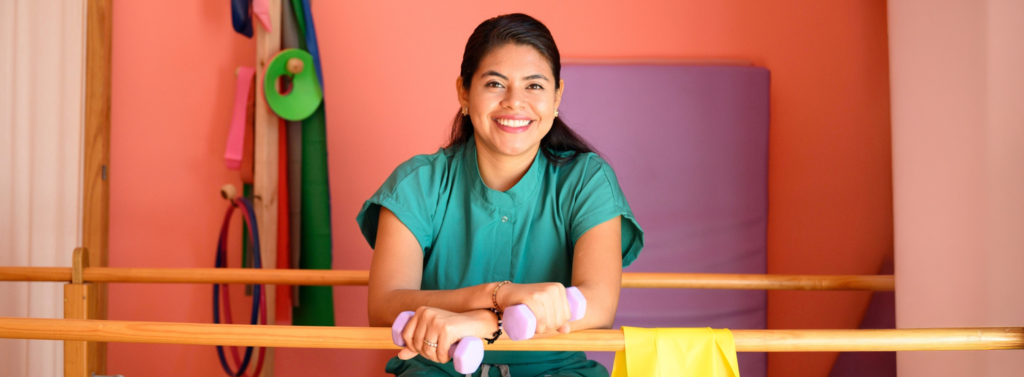
This quarterly feature highlights the incredible work of allied health providers across our community. This time we’re speaking with James Wallace (pictured with a client), Accredited Exercise Physiologist and Director of Harmony Specialist Healthcare at Campbelltown.

Background 

Harmony Healthcare is a multidisciplinary clinic specialising in chronic pain, complex rehabilitation and trauma-informed care. Their team of specialist pain physicians, psychologists and exercise physiologists deliver coordinated, evidence-based support for people who benefit from collaborative specialist medical and allied health support. They deliver integrated rehabilitation services and condition-specific programs, including UpGrade, their intensive pain management program, and Advance, a dedicated CRPS program. They work closely with GPs to reduce fragmentation and improve long-term outcomes. Their focus is on accessible, person-centred care which reduces barriers, builds confidence and helps people re-engage with meaningful, valued activities in daily life. 

Find out more: www.harmonyhealthcare.com.au 

Follow them on Facebook: https://www.facebook.com/HarmonySpecialistHealthcare 

What inspired you to become an Exercise Physiologist and what keeps you motivated in your work today? 

I was inspired to become an Exercise Physiologist because I saw how movement, education and behavioural change could meaningfully transform people’s lives, especially those facing long-standing health challenges. I’ve always been drawn to helping people rebuild confidence in their bodies, and this profession allows me to combine science with practical, meaningful support. What keeps me motivated is witnessing the small but important wins – patients returning to activities they value, feeling more capable and realising they’re not defined by their condition. Many arrive feeling stuck or unheard, and with the right guidance, they begin to move toward goals they once thought were out of reach. I value working in an interdisciplinary team where each profession brings a different perspective. This collaboration leads to clearer care plans, more consistent messaging and improved outcomes for the people we support. 

What do you wish more people understood about the role of your profession in primary care?  

Exercise Physiology is most effective when patients are referred early. Early referral allows us to address deconditioning, fear-avoidance and unhelpful movement patterns before they become entrenched. It’s important clinicians feel confident encouraging people to stay active, even when experiencing symptoms, as it is a key part of early, evidence-based management and helps prevent deconditioning and long-term disability. In primary care, Exercise Physiologists play a key role in providing safe, evidence-based guidance which helps patients build confidence, improve function and prevent escalation to more complex or costly interventions. 

Can you share an example of when working closely with another health professional improved patient outcomes? 

One example is the collaborative work I do with our clinical psychologist, David Batten. Many of our patients present with all-or-nothing thinking, fear-avoidance or underlying mental health challenges which strongly influence their physical progress. David and I regularly case conference, to share observations about a person’s core beliefs, coping strategies and barriers to change. These conversations often give me insight into the psychological drivers behind a person’s behaviour. This allows me to adjust rehabilitation plans, pacing and communication in a way which aligns with what David is addressing in therapy. When we take this unified approach, people feel supported on both fronts and achieve stronger, more stable outcomes. 

What kinds of patients or health conditions do you see most often, and what are the key signs or situations where referral to your service makes the biggest difference? 

We most often see patients with chronic or complex musculoskeletal conditions, persistent pain, functional decline, and psychological factors such as fear-avoidance or low confidence in movement. Many have relied heavily on passive treatments or have become unsure how to safely increase activity. We also specialise in workers compensation cases, where coordinated communication, functional restoration and graded return-to-work planning are essential. Referral is most effective when a patient is struggling to engage in activity, unsure how to pace themselves, or needs structured, behaviour-change-informed rehabilitation. Early involvement prevents unhelpful patterns from becoming entrenched and allows us to build confidence, improve function and provide clear, coordinated guidance alongside GPs and other providers. 

What advice would you give to other providers about collaborating effectively with your profession? 

A quick conversation about a patient’s goals, barriers or recent progress can make a big difference, especially when we’re working with complex presentations. Shared understanding and consistent messaging help patients feel supported and reduce mixed advice. Collaboration doesn’t need to be complicated – even brief check-ins allow us to align plans, adjust pacing and ensure our rehabilitation approach fits well with the broader care being provided. 

What excites you most about the future of your profession and its role in multidisciplinary care? 

What excites me most is the growing evidence supporting safe, movement-based and active therapies as a cornerstone of long-term health. There is also a growing appreciation for trauma-informed, psychologically aware care, which aligns closely with how our multidisciplinary team operates. Exercise Physiology is becoming better integrated into multidisciplinary teams, allowing us to address physical function, behaviour change and health literacy simultaneously. I’m also encouraged by the shift toward early intervention, prevention and lifestyle-based care, which helps people build confidence, improve self-management and avoid escalation to more complex treatments. 

How has delivering the HEAL program in partnership with SWSPHN supported your organisation’s work within the community? 

Delivering the HEAL program in partnership with SWSPHN has strengthened our connection with the community and broadened our clinical networks. The program has helped us engage with new GPs and specialists who were previously unfamiliar with our services, creating clearer referral pathways and opportunities for ongoing collaboration. Making HEAL free for participants has also been incredibly valuable, as it removed financial barriers and allowed many community members – who may not otherwise access allied health – to participate in structured lifestyle and health education. We’ve had strong feedback from participants, with many asking for ongoing group programs, which highlights the demand for accessible, community-based support. 

What does a typical day-in-a-life look like in your role. Is there some aspect about your daily role people may not expect? 

A typical day involves a mix of patient appointments, functional assessment, exercise-based rehabilitation, medicolegal assessments and report writing, as well as regular coordination with our team. What people may not expect is how much of my role involves helping people understand their symptoms and addressing the psychological and behavioural factors which influence rehabilitation. Much of the day is spent providing reassurance, education and clear planning, alongside the practical exercise components. I also engage in collaborative discussions with our interdisciplinary team and referring providers to ensure each person has a consistent, structured pathway which supports their progress. 

From your perspective, what role can the PHN play in supporting your profession and strengthening primary care in South Western Sydney? 

The PHN plays a valuable role in strengthening primary care by continuing to build strong connections between GPs and allied health providers. Their education sessions, networking events and communication channels already make a meaningful difference, and expanding these further would help integrate care even more effectively. It’s also helpful when the PHN actively reaches out to allied health for input, ideas and contributions across programs and initiatives. Ongoing funding for community programs like HEAL is also essential, as it provides equitable access to evidence-based support for people who might not otherwise engage with allied health. 

What’s one wellbeing tip or personal practice you’d like to share with your colleagues across primary care? 

Prioritise one small, non-negotiable health habit each day – such as a short walk, a stretch routine or a moment of stillness – and build brief micro-breaks between patients to reset your breathing, posture or attention. These small, consistent practices, paired with maintaining at least one clear boundary in your day (like taking lunch away from admin or setting a firm cut-off time), can meaningfully reduce stress and support long-term wellbeing in busy clinical roles.

29 January 2026

Developed by allied health professionals, for allied health professionals

A new quarterly newsletter, The Common Ground, is launching for allied health professionals working in primary care across South Western Sydney. GPs and nurses are welcome to subscribe.

Developed by allied health professionals, the newsletter is designed to support day-to-day practice by bringing together relevant updates, opportunities, and information in one place.

Launching on Thursday, 5 February, The Common Ground will share invitations to local events and workshops, updates on primary care initiatives, and news and resources relevant to allied health professionals working in the region.

The newsletter aims to support stronger connections across primary care, improve awareness of local opportunities, and help allied health professionals, GPs, and nurses stay informed about initiatives impacting their work in South Western Sydney.

Subscribe now to receive the first edition of The Common Ground.

Subscribe now


Get to know our Workforce Team

Our team includes people who know what it’s like to work in allied health.

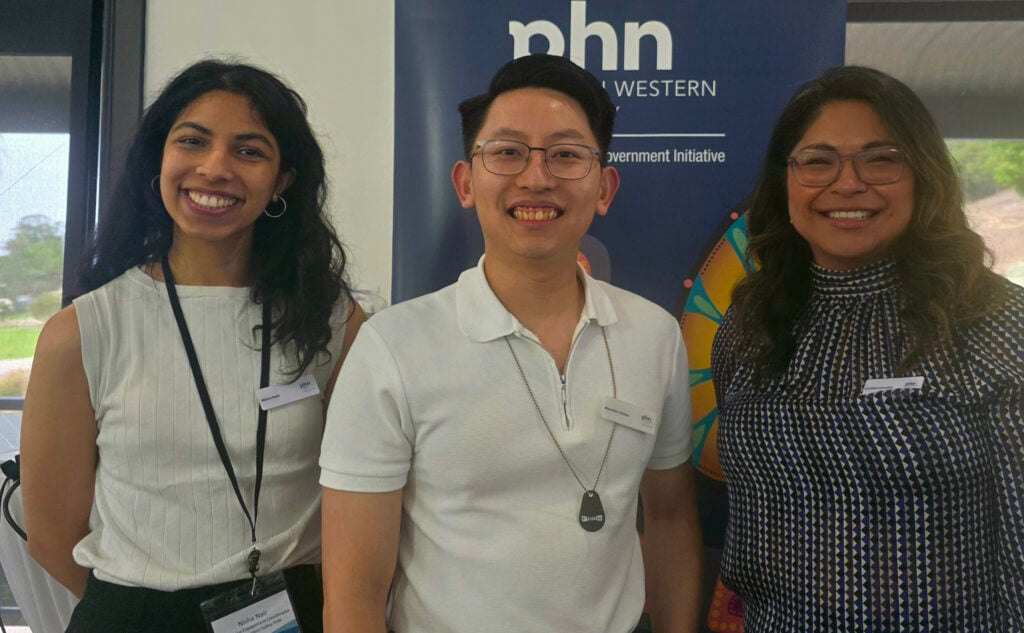
Brendan is a pharmacist with more than seven years of experience. Nisha is an occupational therapist who works to support families and adults with disabilities. Anielka is a registered nurse with a background in emergency care and chronic disease management.

They’re here to listen, connect, and support you.

Learn more
15 January 2026

CPD events connecting disciplines in primary care

High quality healthcare in South Western Sydney is built on strong relationships between general practice and allied health.

The Common Ground series are ongoing free CPD events bringing local GPs, nurses and allied health professionals together to explore real-world case studies, practical workflows, and shared approaches to managing complex care.

Hosted by the SWSPHN Allied Health Engagement team, each session supports open discussion, shared learning, and meaningful connection across professions, with a focus on holistic person-centred care and local health priorities.


Why multidisciplinary collaboration matters

Every profession brings its own skills, experience and way of understanding care. These differences are strengths, but when services work in silos, they can also lead to fragmented care and missed opportunities for coordination.

The Common Ground series creates a neutral, inter-professional space for primary healthcare providers to learn together, share perspectives, and build a common understanding of holistic person-centred care.

Through open discussion and shared learning, the series supports clearer role understanding, stronger professional relationships, and greater trust across disciplines.


Benefits of attending

All participants will:

  • gain local insights into managing chronic conditions and multimorbidity
  • learn practical strategies to improve communication and multidisciplinary collaboration
  • better understand how different professions can work together to address shared care challenges
  • receive a certificate to claim CPD point for eligible sessions

GPs and GP registrars will:

  • build trusted local connections with allied health providers
  • strengthen referral pathways and team-based care
  • explore opportunities to improve coordination and future collaboration
  • experience the professional benefits of shared care through more connected local networks

Nurses will:

  • better understand their role and scope within GP-led chronic condition management
  • support patient engagement through coordinated, team-based care
  • identify opportunities to strengthen collaboration within multidisciplinary teams

Allied health professionals will:

  • increase visibility of their expertise within the local primary care network
  • strengthen relationships with nearby GPs
  • gain insight into GP priorities and pressures
  • contribute to discussions shaping how multidisciplinary care is delivered locally


Upcoming event:

The common ground: multidisciplinary approach to managing children with ADHD

Face-to-face event
Date: Tuesday, 28 July
Time: 6.30 – 9pm
Where: The William Inglis Hotel Warwick Farm, 155 Governor Macquarie Drive

This CPD event brings together local healthcare providers to address barriers to multidisciplinary care and explore region-specific strategies for supporting children with ADHD more effectively.

CPD hours:

  • GPs can earn 1 hour educational activity and 1 hour reviewing performance
  • Allied health professionals and nurses will receive a certificate for 2 CPD hours

Learning outcomes:

  • Outline the local healthcare challenges of managing chronic conditions and multimorbidity in South Western Sydney.
  • Define the distinct and complementary roles of healthcare professionals in collaborative management and coordination of multimorbidity.
  • Identify practical, team-based strategies to overcome common barriers to multidisciplinary care, including communication breakdowns, professional silos, and misaligned goals.
  • Outline locally relevant tools and approaches to support coordinated, patient-centred care in the South Western Sydney context.

Multidisciplinary care for children with ADHD - guest speakers

Presented by:
Dr Tim Senior – GP, Tharawal Aboriginal Medical Service
Tim is a GP at Tharawal Aboriginal Corporation and a clinical senior lecturer in General Practice and Indigenous Health. He has more than 20 years’ experience providing general practice care in South Western Sydney.

Nicole Robinson – Clinical and Principal Psychologist, ProActive Psychology
Nicole is a Clinical and Principal Psychologist with more than 20 years’ experience supporting children, adolescents, adults and families. She co-founded ProActive Psychology and provides clinical leadership at STAR4Kids.

Dr Katie Hammill – Occupational Therapist, EnableMe
Katie is a senior occupational therapist and the founder of Enable Me Occupational Therapy. She works with young people across mental health and disability, using a strengths-based approach to understand and support their individual needs.


Register now


The Common Ground  newsletter for allied health professionals

Sign up to receive updates, opportunities, and relevant information for allied health professionals in South Western Sydney.

Subscribe now

04 November 2025

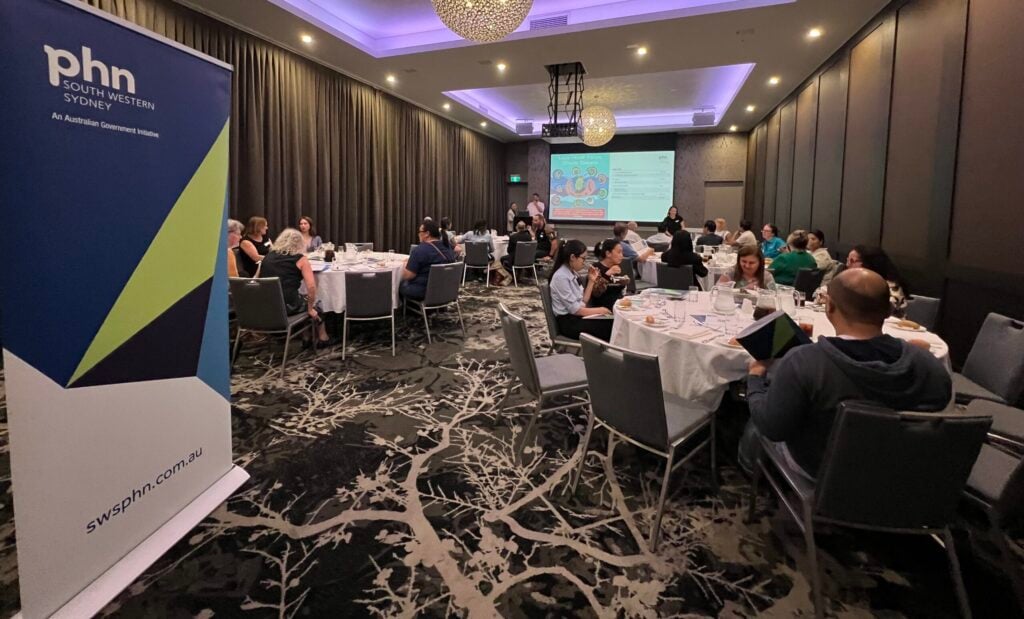
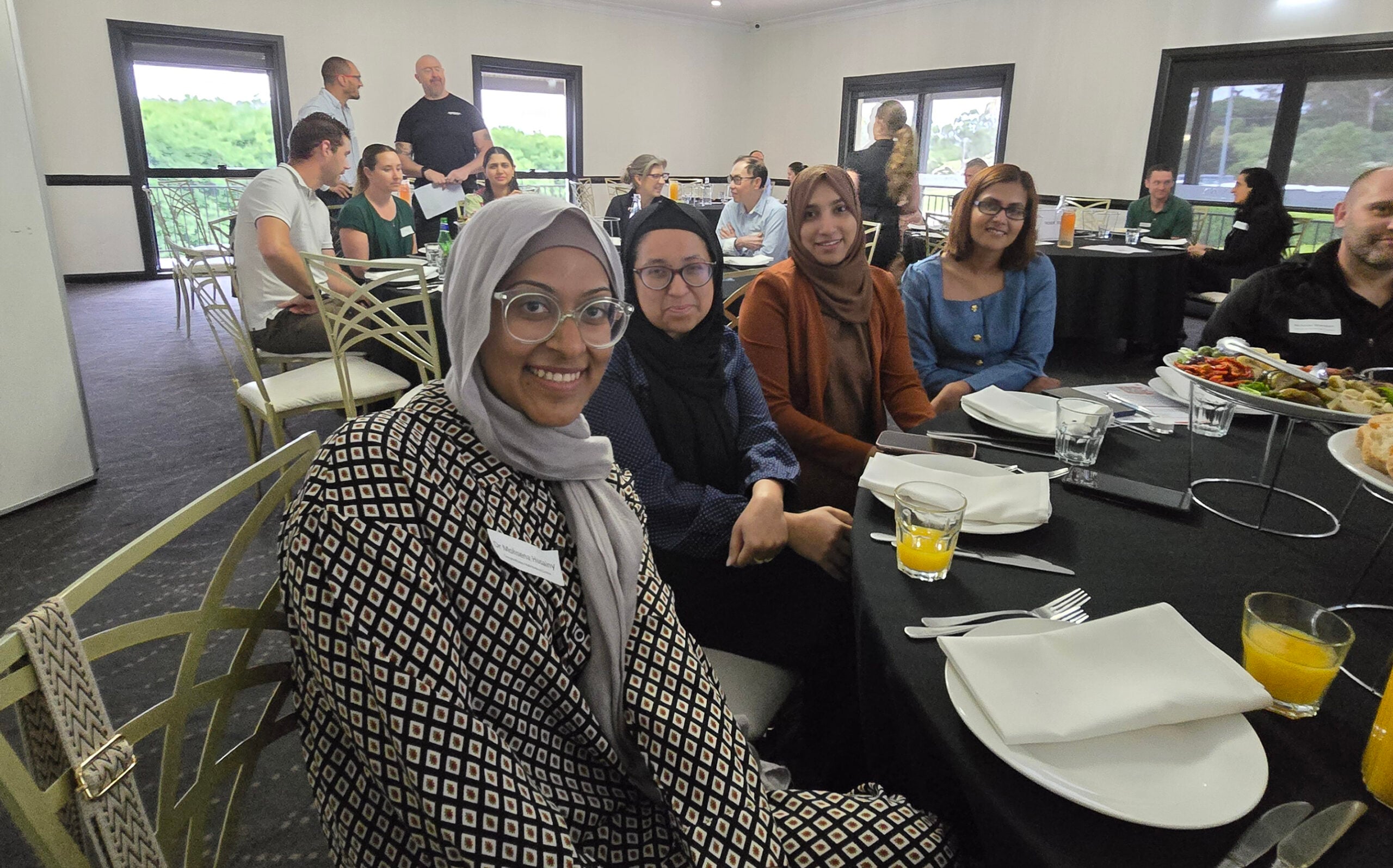
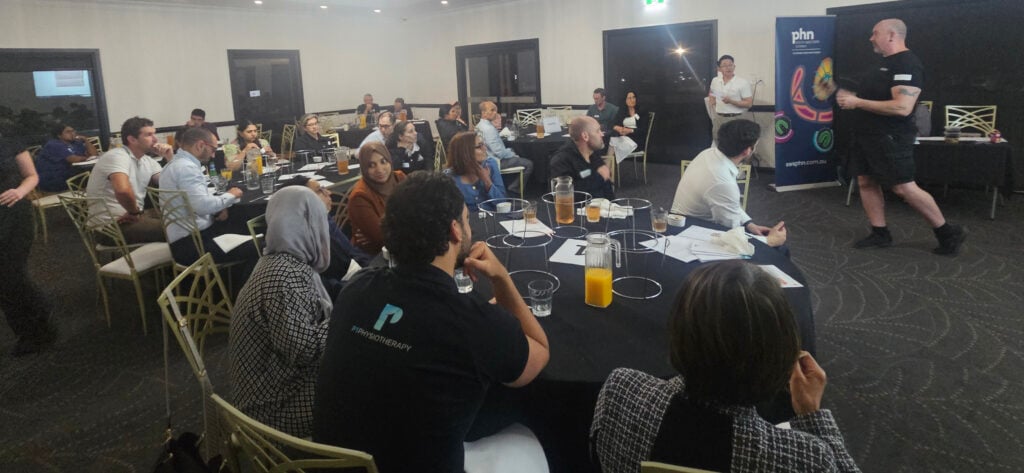
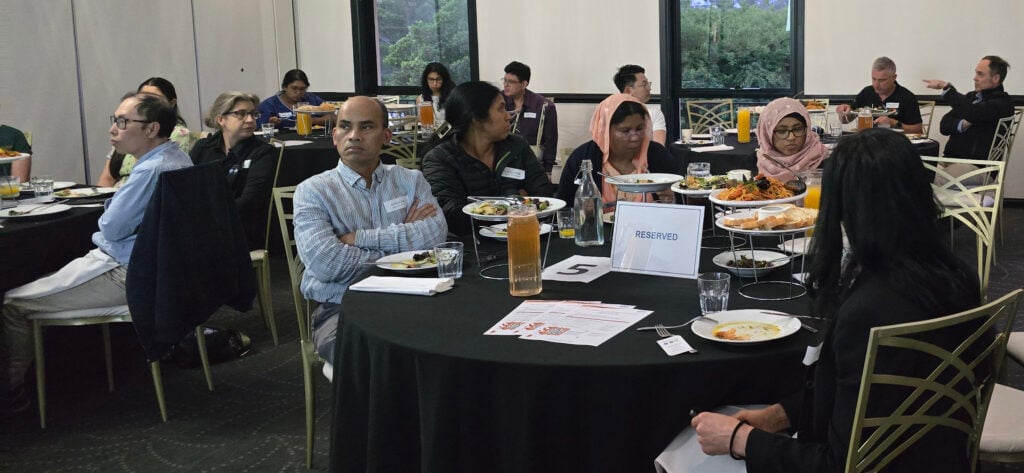
SWSPHN brought local clinicians together for the first in our multidisciplinary CPD series, The Common Ground, at Terranova on the Grange in Kearns on Thursday, 23 October. 

The event attracted nine allied health professionals, one nurse and 13 GPs who had the opportunity to network, gain insights into each other’s scope of practice, and explore ways allied health and general practice can work together to improve patient outcomes. 

The first in The Common Ground series focused on collaboration in the care of patients with chronic pain. 

allied health, chronic painChronic pain affects one in five Australians aged 45 and over, with the burden falling disproportionately on those living in low socioeconomic areas. However, managing chronic pain in isolation is often ineffective, as it is frequently both a contributing factor to and a consequence of multimorbidity.  
In regions such as Camden, Liverpool and the Southern Highlands, we are seeing a rise in the number of older adults living with chronic pain and multimorbidity. Poor management of these conditions often leads to increased hospital burden, especially when significant health events occur.  

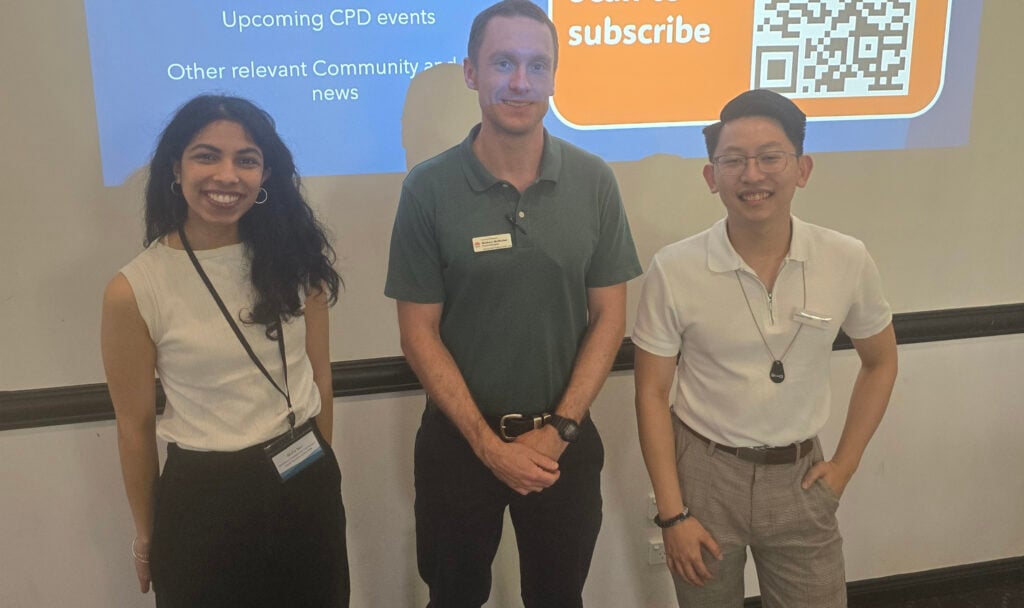
The Common Ground attendees heard from Dr Lance Holland-Keen, a GP from Gregory Hills; Matthew McMullan, a senior physiotherapist at Liverpool Hospital; and Brendan Chiew, a pharmacist from SWSPHN’s Allied Health team.  

allied health, chronic painDr Holland-Keen talked about the barriers to care he had experienced and the scarcity of pain specialists in the region. He also spoke about why patients may not be engaged, how this affected overall care, and concerns about the low number of GPs prescribing appropriate medications. 
Matthew talked about strategies GPs could use to improve access to the Liverpool Pain Management Clinic, including issues around the quality of documentation and how GP referral letters were an important triage tool. He said HealthPathways was a great tool for finding the right health providers.   

Brendan talked about using the Home Medicines Review (HMR – a credentialed pharmacist who checks the medicines patients take at home), and interactions of medications and supplements. He explained the importance of GPs providing a brief context or reason for each HMR request. Even a short note about why the review is being requested helps the pharmacist align their assessment with the GP’s clinical priorities, in addition to the pharmacist’s focus on medication optimisation. This approach makes the HMR process more valuable, multidisciplinary and ensures recommendations are relevant and actionable.   

Next allied health-GP webinar:

The next event in The Common Ground series will be a webinar, Health in obesity management, on Thursday, 13 November at 7pm. Register via our website 

allied health, chronic pain allied health, chronic pain

03 November 2025

Chronic conditions management changes took effect on 1 July 2025, chronic disease management referrals and care requirements were replaced by new GP chronic conditions management Plans (GPCCMPs). Allied health providers may notice some changes to referrals from general practices.

These changes provide greater flexibility for patients to choose which services they access. There are no changes to individual allied health items for treating chronic conditions, but referral requirements have been simplified:

  • The number of allied health services under a GPCCMP does not need to be specified by the referring GP (GPs may still specify this on referral letters)
  • The allied health provider does not need to be named
  • Team care arrangements are no longer needed


Allied health tips to plan service delivery with patients referred for chronic conditions management:

  • If the patient has private health cover, explore options to claim through their private health insurer rather than Medicare. This will allow the patient to use their Medicare GPCCMP referrals with other allied health services if they wish to do so.
  • Discuss the patient’s priorities and explore how many of their five MBS allied health services they patient would like to use with your allied health service.
  • Contact the patient’s general practice to confirm which individual allied health services for chronic conditions are included in the patient’s management plan. Explore how your service can coordinate with the primary care team, including:
  • Have the patient use their MyGov app to review and confirm their claims history for allied health MBS services to check the number of allied health MBS items claimed in the calendar year.
  • Check MBS item eligibility and history for your patient using Health Professional Online Services (HPOS) and Medicare Benefits Schedule (MBS) Online.
  • Use My Health Record to view the patient’s medical history, services, and identify other members of their care team to coordinate with. You can access My Health Record through the National Provider Portal or using your practice software if it is a Conformant Clinical Information System (CIS).
  • Use my chronic condition management plan – Allied Health Visits Tracker created by South Western Sydney PHN to help patients track their service usage

If you need support to navigate these changes, using My Health Record or Provider Connect Australia, or contact the SWSPHN allied health workforce team:

Phone: 4632 3000

Email: alliedhealth@swsphn.com.au


Helpful links

More detailed information about allied health referrals and care requirements related to chronic conditions management is available using the links below.

MBS Online notes and information:

AN.15.3 – Overview of MBS items to support management of chronic conditions in primary care

AN.15.4 – Allied health services for chronic condition management

AN.15.5 – GP chronic condition management plans – transition arrangements for existing patients with a GP management plan and/or team care arrangement

AN.15.6 – Referral requirements for allied health services

AN.0.47 – GP chronic condition management plans

MN.3.1 – Individual allied health services for treating chronic conditions

MN.11.1 – Individual allied health services for people of Aboriginal and Torres Strait Islander descent with a chronic condition or identified through a health assessment

MN.9.1 – Assessing suitability for group allied health services for patients with type 2 diabetes

MN.9.2 – Group allied health services for patients with type 2 diabetes


Upcoming MBS Chronic Disease Management Changes — Australian Government Department of Health, Disability and Ageing

View official information
24 September 2025

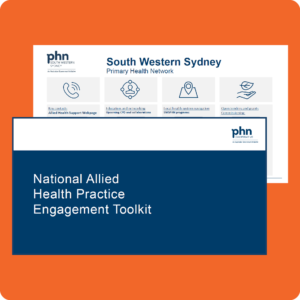
National_allied_health_practice_engagement_toolkit_swsphnThe National Allied Health Practice Engagement Toolkit is now available to support allied health professionals in South Western Sydney working in primary care.
This online resource brings together key information to make it easier for clinicians to deliver high-quality, connected care for patients and communities.

The toolkit includes guidance on:

  • understanding local health care systems
  • accessing local services and resources
  • finding education and training opportunities
  • strengthening safety and quality in allied health practice
  • exploring funding streams and grants opportunities
  • using digital health systems
Download your local toolkit


By bringing this national initiative to clinicians in South Western Sydney, the toolkit provides practical resources to enhance professional practice, build networks, and support integrated care. It is part of a broader focus on supporting allied health professionals to work more closely with general practice and other parts of the primary health system.

SWSPHN is also developing local opportunities for allied health professionals, including networking events, education, and initiatives designed to strengthen engagement across the region. To learn more about our commitment to supporting allied health, visit our allied health page.


The Common Ground  newsletter for allied health professionals

Sign up to receive updates, opportunities, and relevant information for allied health professionals in South Western Sydney.

Subscribe now

10 September 2025

SWSPHN has launched a new Practice Noticeboard to help general practices and allied health professionals in South Western Sydney connect more easily.

The Practice Noticeboard is a free online listing service where practices can promote job vacancies or available rooms, and allied health professionals can express their interest in accessing these local practice availabilities or advertising their own availability. The new feature supports multidisciplinary care by making it easier to find and share opportunities within the region.

Key points

  • the Practice Noticeboard is a free online listing tool on the SWSPHN website
  • general practices can advertise job vacancies or rooms available for rent
  • allied health professionals can promote their availability or interest in working locally
  • open to practices and professionals based in South Western Sydney, or those wishing to relocate to the area
  • visit swsphn.com.au/practice-noticeboard to explore or post a notice

A new feature on the SWSPHN website is making it easier for general practices and allied health professionals to connect for work opportunities.

The new Practice Noticeboard is a free online space where:

  • general practices can advertise vacancies or rooms for rent
  • allied health professionals can promote their availability or interest in working in the region

The service is open to practices and health professionals based in South Western Sydney, or those wishing to relocate to the area.

Practice Noticeboard


Expanded support for primary healthcare workforce connection

Previously limited to practice employment listings, the former Practice Vacancies page has now been expanded to support broader workforce needs across the primary care sector. To better explain this expanded offering, the service is renamed to Practice Noticeboard.

The update was developed by SWSPHN’s Primary Care Workforce team in response to requests from general practices seeking to offer space for self-employed allied health professionals, and from professionals looking to work more closely with general practice teams.

The Practice Noticeboard also supports practices engaging in multidisciplinary team-based care under the Workforce Incentive Program (WIP) – Practice Stream.


Key changes for general practices

  • Practice Noticeboard is easier to find
  • you can now advertise rooms available for allied health professionals, such as psychologists, dietitians, exercise physiologists or podiatrists
  • ideal for practices looking to build their multidisciplinary team as part of the Workforce Incentive Program – Practice Stream
  • free to use for practices based in South Western Sydney


For allied health professionals

  • looking for a space to practise? Find rooms available in established general practices
  • Browse employment opportunities listed by local practices
  • share what you’re looking for—submit your own notice describing your preferred location, discipline and setup
  • notices are published for up to three months, or you can set a shorter expiry date


Need help?

The Practice Noticeboard is part of SWSPHN’s ongoing work to support the local primary care workforce and improve access to care across the region.

Practice Noticeboard

Sample of Practice Noticeboard listings

04 June 2025

Female_physio_website_header_alliedhealth

Strengthening allied health support in South Western Sydney is part of our long-term plan to boost collaboration and teamwork across primary care.

We want to better understand the needs of allied health professionals, support your work, and help you feel more connected to general practice and the local health system. This work is part of a national effort to strengthen health services, address workforce shortages, and improve access to early care.

Our team includes people who know what it’s like to work in allied health. Brendan is a pharmacist with more than seven years of experience. Nisha is an occupational therapist who works to support families and adults with disabilities. Anielka is a registered nurse with a background in emergency care and chronic disease management. They’re here to listen, connect, and support you.

We’re already supporting allied health professionals through several key programs and initiatives, including:

  • The HEAL grant program – funding free lifestyle programs run by exercise physiologists and physiotherapists
  • Advance care planning – involving allied health in shaping local care pathways
  • CPD events and updates – sharing learning and networking to support your professional growth
  • MRFF COPD Research Grant – SWSPHN is collaborating with the University of Sydney to engage with exercise physiologists and physiotherapists to participate in a trial to evaluate the impact of two strategies aimed to improve people with chronic obstructive pulmonary disease (COPD) living in South Western Sydney

Over the next few weeks, we’ll be calling allied health professionals across the region. We’ll say hello, introduce who we are, and talk about how we can support your work. Most of all, we want to hear from you and your goals, your challenges, and how we can help.

This work supports the Strengthening Medicare Taskforce Report and our goal to build a more connected, collaborative, and team-based health system in South Western Sydney.

Meet our team

South Western Sydney PHN Workforce engagement team - allied health support
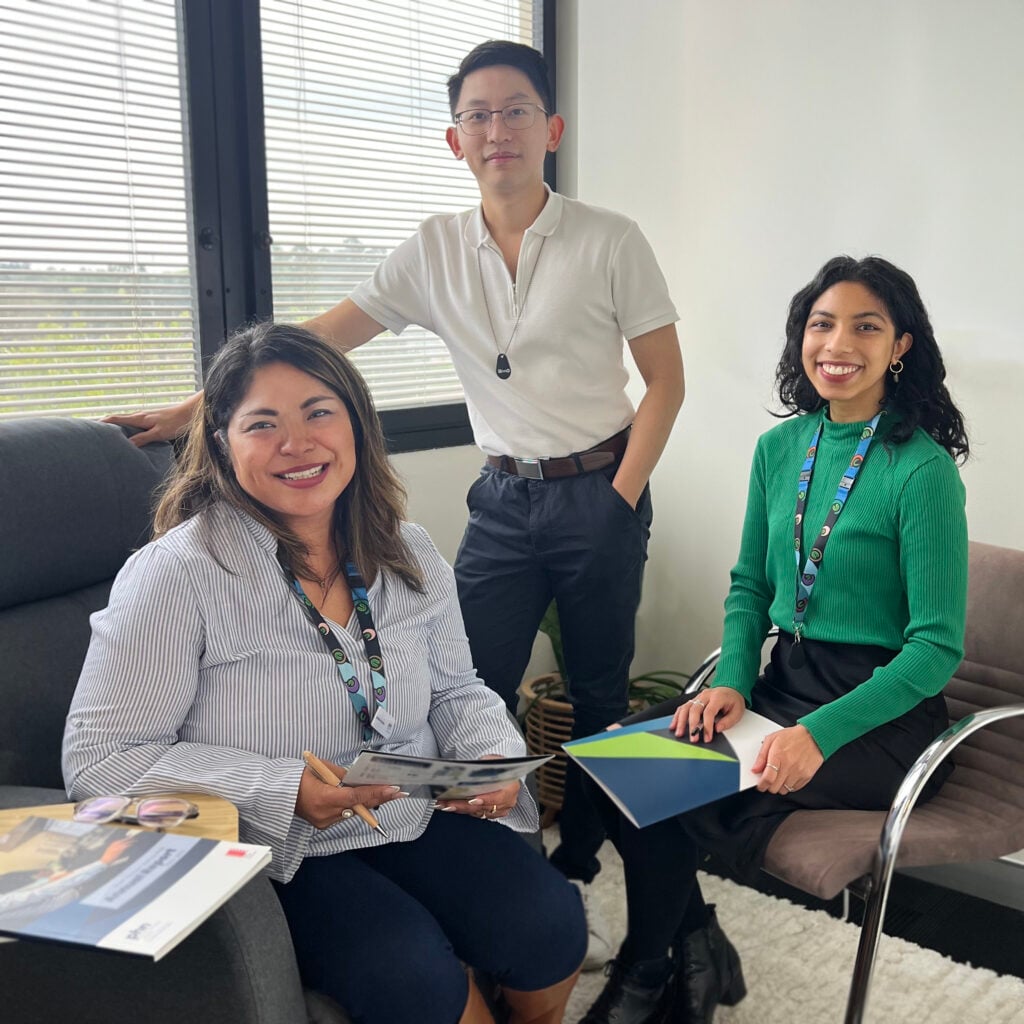
Left to right: Anielka, Workforce Engagement Team Lead; Brendan, Workforce Engagement Coordinator; and Nisha, Workforce Engagement Coordinator
Anielka – Workforce Engagement Team Lead

Anielka is a registered nurse with experience in emergency care and chronic disease management. She leads the Primary Care Workforce Engagement team at SWSPHN.

Anielka has played a key role in strengthening connections between general practice and allied health, particularly by coordinating case conferences for patients at risk of hospitalisation. She is passionate about showcasing the vital role allied health plays in chronic disease management.

Her focus is on strengthening collaboration in primary care to improve patient outcomes, reduce preventable hospitalisations and support nurses to better connect GPs and allied health professionals.

Brendan – Workforce Engagement Coordinator

Brendan is a registered pharmacist with seven years’ experience in community and aged care settings across regional NSW and Sydney. He’s passionate about making team-based care easier for allied health professionals by breaking down system barriers and encouraging better collaboration between professions.

Brendan still works as a pharmacist part-time, giving him valuable frontline insight. At SWSPHN, he’s working to improve integration across primary care by helping allied health professionals connect with general practice, access funding opportunities, and shape practical, long-term solutions for the region.

Nisha – Workforce Engagement Coordinator

Nisha is a registered occupational therapist with five years of experience across paediatric, community, and school-based settings, as well as occupational rehabilitation. She continues to practise part-time via telehealth, supporting adolescents and adults.

Nisha is passionate about making allied health voices heard in primary care and helping professionals connect more easily with GPs. At SWSPHN, Nisha is working to strengthen collaboration, support workforce development, and drive practical solutions which improve care across South Western Sydney.

Common Ground
Allied health newsletter

Sign up to receive updates, opportunities, and relevant information for allied health professionals in South Western Sydney. By subscribing you’ll get:

  • Invitations to events and workshops
  • Updates on local health initiatives
  • News and resources to support your work in primary care

Use the form below to subscribe.

* indicates required


13 May 2025

The Australian College of Nursing is offering clinical skills training through a range of practical, CPD-accredited workshops this May and June. These sessions are ideal for nurses, allied health professionals, and healthcare workers looking to strengthen core clinical skills in a supportive, simulated environment.

Venepuncture and Cannulation

Wednesday, 28 May from 9am to 1pm (and ongoing monthly)

This workshop includes a two-hour online preparation module followed by a four-hour hands-on simulated session. It’s suitable for healthcare professionals who perform peripheral venepuncture and/or catheterisation as part of their scope of practice.

Register or learn more

Tracheostomy Care Workshop

Friday, 30 May from 9am to 4pm

Expert facilitators deliver this workshop using interactive teaching methods in a simulated environment. Learn how to understand the anatomy and physiology related to tracheostomy, recognise the indications and contraindications for tracheostomy placement, perform placement and more. Suitable for nurses, respiratory therapists, nursing assistants and other healthcare professionals involved in the care of patients with tracheostomies.

Register or learn more

Wound Management Update

Monday and Tuesday, 2 and 3 June from 8.30am

This workshop is ideal for registered and enrolled nurses, allied health clinicians and pharmacists Participants will learn to describe the anatomy and physiology of the integumentary system, outline the process of wound healing, discuss recent developments in wound hygiene and wound bed preparation and more. It is equivalent to 14 CPD hours.

Register or learn more

Urinary Catheterisation Workshop

Tuesday, 17 June from 9am to 4.30pm (and ongoing monthly)

This session provides participants with practical skills on safe removal, insertion and maintenance of urethral and suprapubic urinary catheters. Learn evidence-based knowledge on risk prevention and reduction, management of problems associated with urinary catheterisation procedures and appropriate urinary catheter maintenance and care. The workshop offers an interactive teaching approach. It is worth six CPD hours.

Register or learn more

20 February 2025

South Western Sydney PHN (SWSPHN) is supporting a research project evaluating two new local healthcare strategies aimed at improving chronic obstructive pulmonary disease (COPD) care and patient management. This study seeks to enhance access to evidence-based care, helping people with COPD receive the right support in primary care settings.

The project is called: A primary care Multi-Disciplinary Team care approach, including Pulmonary REhabilitation, to improve uptake and outcomes of comprehensive evidence-based care for COPD (MDT-PuRe-Primary Care). It aims to evaluate these new strategies compared to usual GP management of COPD.

The two strategies being evaluated will provide patients with access to:

  • three sessions with trained registered nurses to provide multidisciplinary team care planning with the GP for people with COPD

and/or

  • an eight-week pulmonary rehabilitation program in primary care (PuRe Primary Care) delivered by private exercise physiologists or physiotherapists in the local community

SWSPHN is working with researchers from the University of Sydney to recruit general practices from across our region to participate in the study. General practices will use PEN CAT or POLAR to identify eligible patients (aged 40+ with COPD, no recent exacerbations, and able to participate in group exercise). Patients who consent to participate will be randomised into one of four intervention groups.

In addition to being provided with support to help your patients better manage their COPD, benefits of participation include access to an online training package and professional development opportunities, development of local clinical networks and financial incentives.

If you are managing patients with COPD and would be interested in knowing more about participating in this study, please contact Sydney University Lead Researcher Sarah Dennis on 0459 898 398 or at mdt-pure-primary-care.study@sydney.edu.au

Download this letter for more information about the study