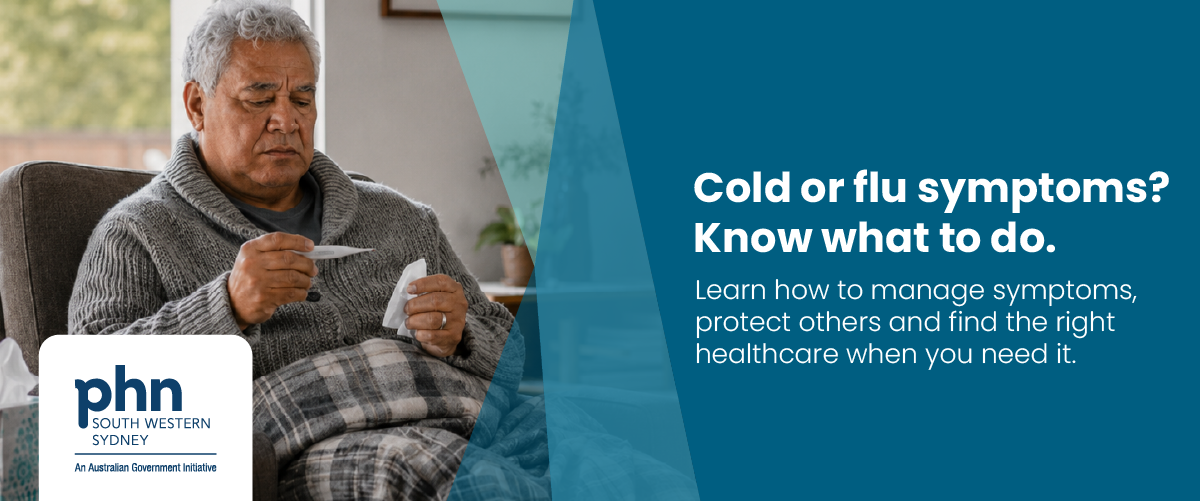
Cold and flu symptoms are common during winter. There are simple things you can do to protect yourself and others, manage mild symptoms and find the right healthcare if you need help.
10 tips to protect yourself and others from flu
Follow these simple tips to reduce the spread of illness and support your recovery.
- Get your flu vaccination: It is not too late to speak to your GP, pharmacist or vaccination provider about getting your annual flu vaccination.
- Keep surfaces clean: Regularly clean frequently touched surfaces such as phones, door handles, light switches and benchtops.
- Cover coughs and sneezes: Cough or sneeze into your elbow or a tissue, rather than your hands.
- Put used tissues in the bin: Throw tissues away immediately and wash your hands afterwards.
- Rest and drink plenty of fluids: Stay home, rest and keep hydrated while you recover.
- Wash your hands regularly: Wash your hands with soap and water, particularly after coughing, sneezing or using a tissue.
- Avoid sharing personal items: Do not share cups, plates, cutlery or towels while you are unwell.
- Do not rely on antibiotics: Only take antibiotics when prescribed by a health professional.
- Know common cold and flu symptoms: Cold and flu symptoms can be similar, but influenza is often more severe and may cause sudden fever, body aches and tiredness.
- Check your symptoms: Call 1800MEDICARE for free 24/7 medical advice.
Where to get healthcare this winter
If you feel unwell with cold or flu symptoms and think you need help, there are several healthcare options available.
Speak to your GP first
Your regular GP should usually be your first contact when you feel unwell. They know your health history and can provide care suited to your needs.
To help reduce the spread of illness:
- ask whether your GP offers telehealth appointments
- tell the practice about your symptoms before attending
- wear a mask if you need to attend in person.
Call 1800MEDICARE
If your GP is unavailable, or you are unsure what care you need, call 1800MEDICARE on 1800 633 422. The service is free and available 24 hours a day, seven days a week.
A registered nurse will ask about your symptoms and help you decide what to do next. This may include:
- caring for yourself at home
- making an appointment with a GP
- visiting Urgent Care
- speaking to a pharmacist
- attending a hospital emergency department.
When clinically appropriate, you may also be offered a phone or video consultation with a GP.
Visit Urgent Care
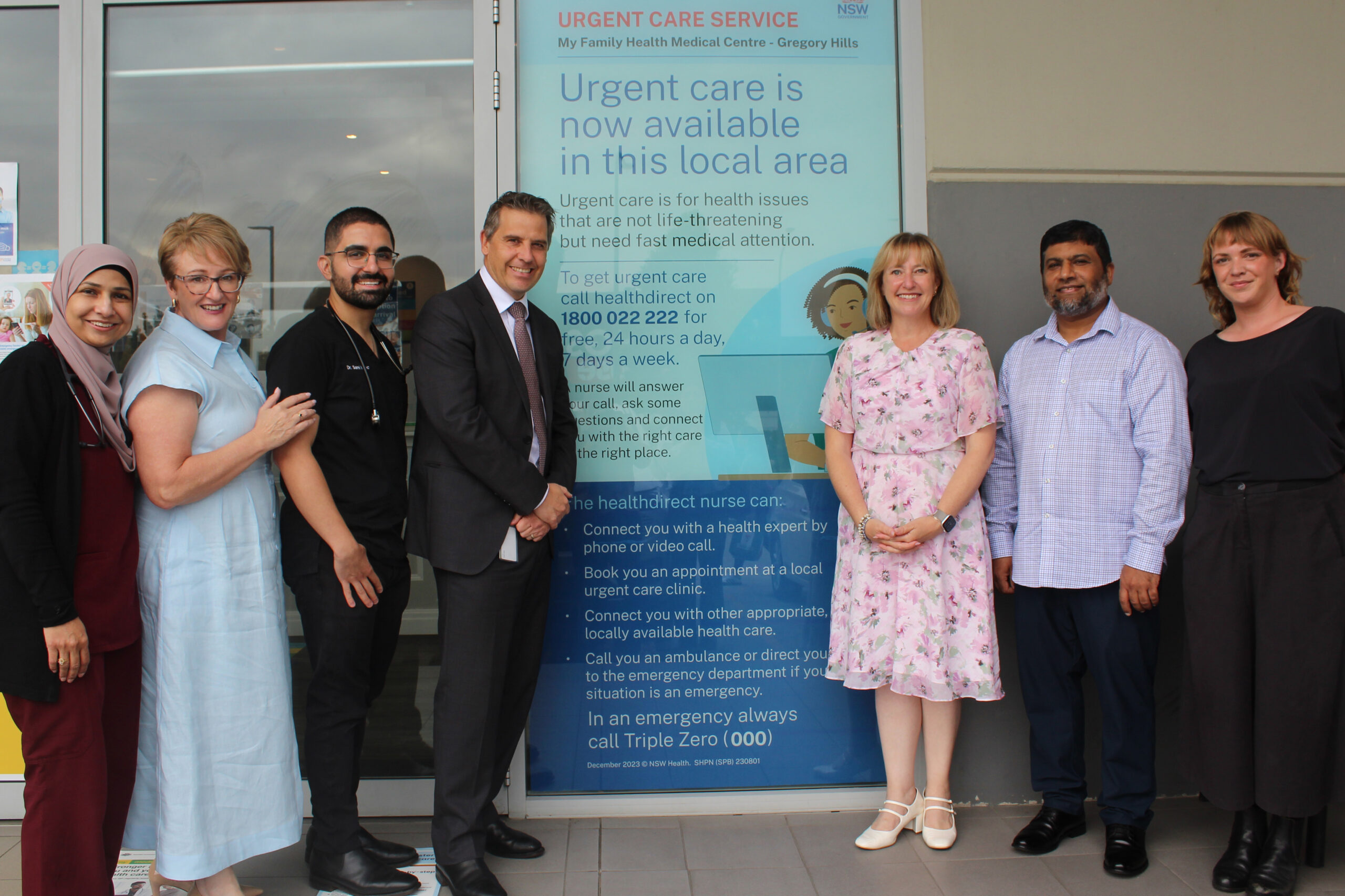
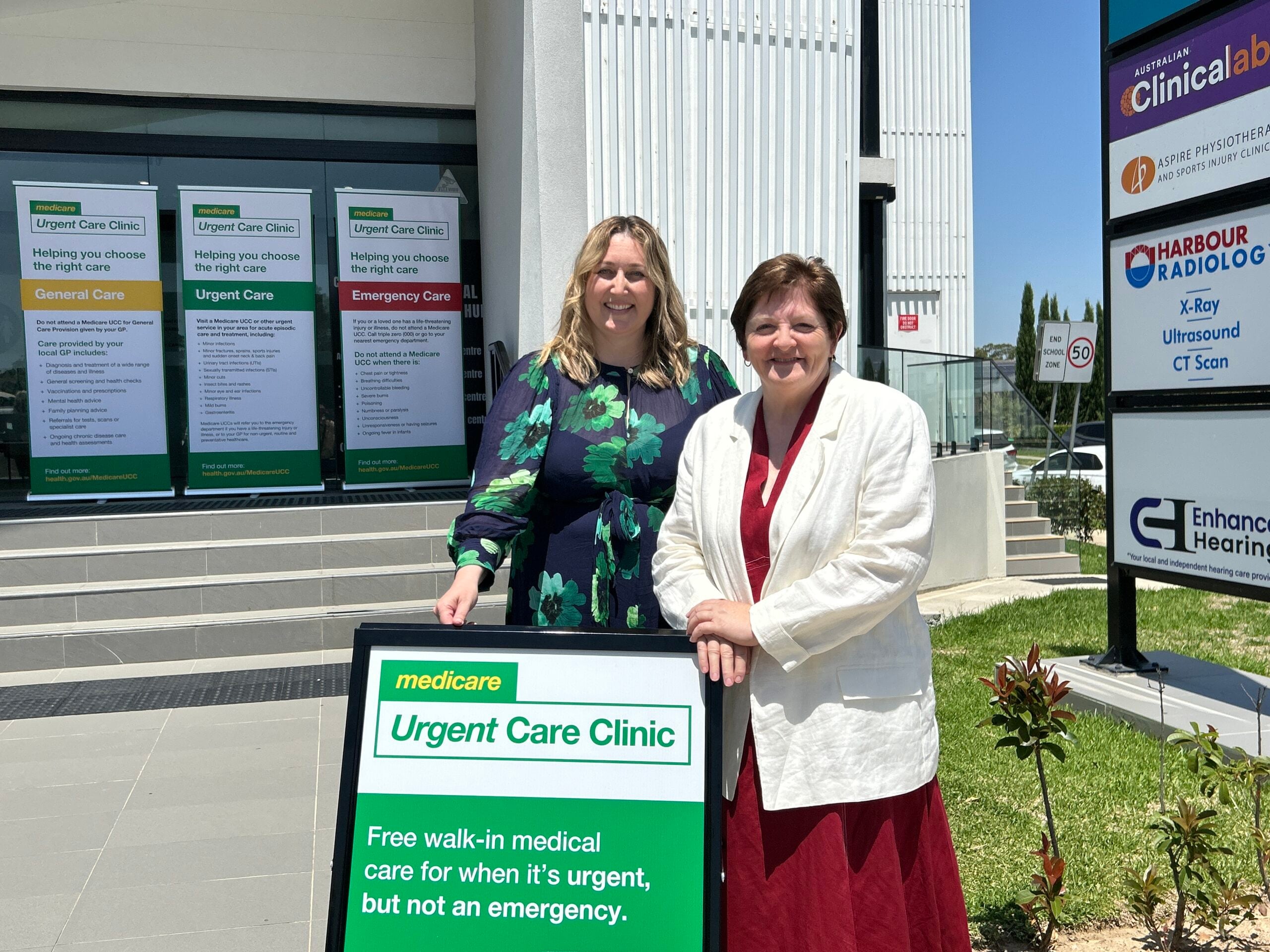
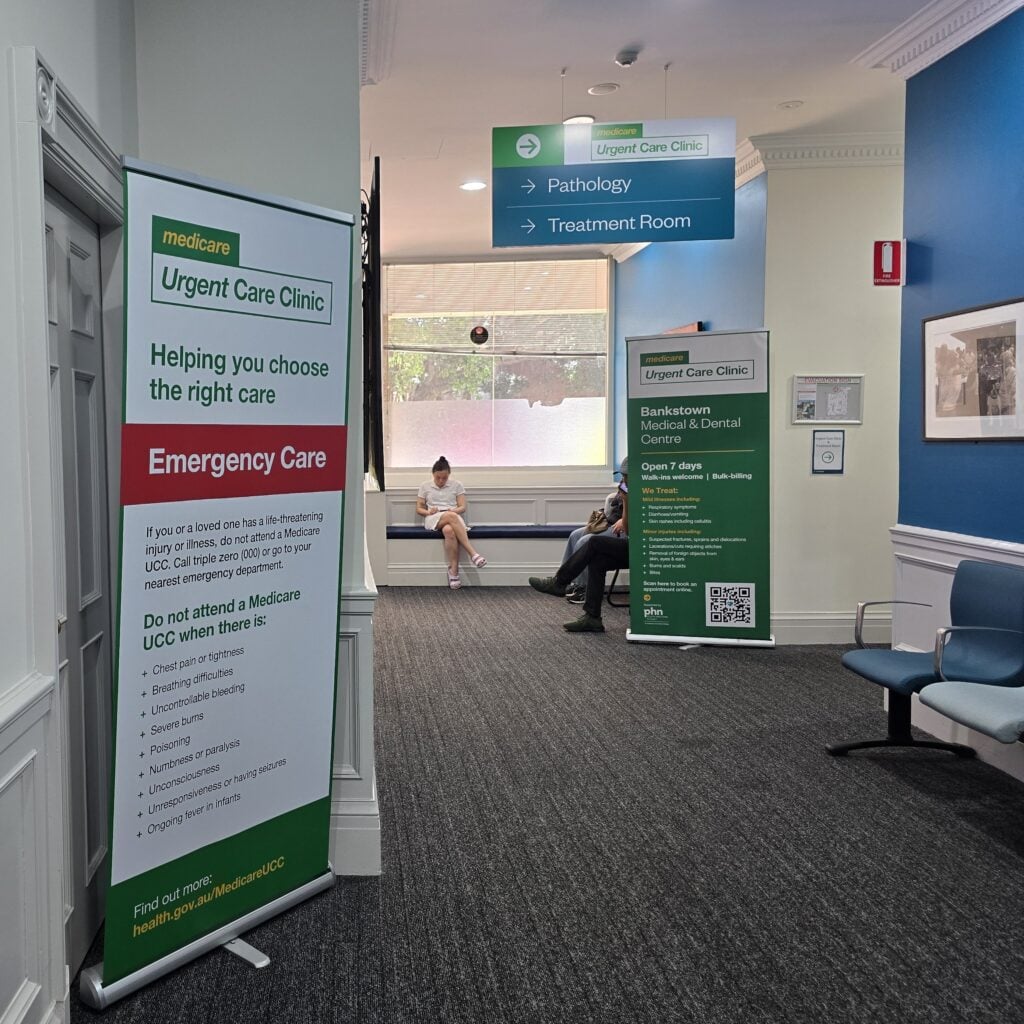
Urgent Care provides free, bulk-billed treatment for illnesses and injuries which are not life-threatening but need prompt medical attention and cannot wait for a regular GP appointment.
There are six Urgent Care locations in South Western Sydney:
- Austral
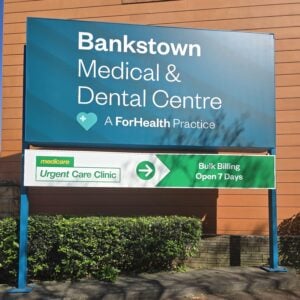
- Bankstown
- Campbelltown
- Fairfield
- Gregory Hills
- Liverpool.
Visit Urgent Care in South Western Sydney for locations, opening hours and information about accessing care.
Use an after-hours GP service
After-hours GP services can help when your condition is not an emergency but cannot wait until your regular GP is available. People living in Wollondilly and Wingecarribee can access:
Visit After-hours healthcare in South Western Sydney for phone numbers, locations and opening hours.
 Call Triple Zero (000) or go to your local hospital emergency department if you think your illness may be life-threatening and need immediate medical attention.
Advice in your language
If English is not your preferred language, call the Translating and Interpreting Service (TIS) on 131 450.
Ask the interpreter to connect you to 1800MEDICARE on 1800 633 422. You will be connected with a registered nurse who can discuss your symptoms and help you find the right care.
More language options about Urgent Care: