14 September 2023
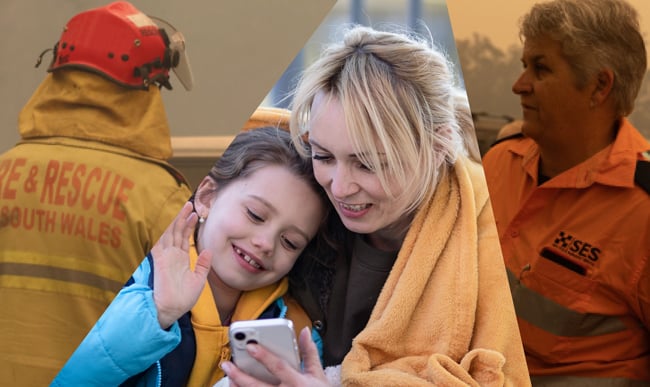
SWSPHN’s Disaster Management team will be sharing information about the importance of healthcare during a disaster or emergency, at the Wollondilly Emergency Services Expo on Saturday, 23 September.
The event will be held from 10am to 2pm at Victoria Park, Picton.
Representatives from the NSW Rural Fire Service, Fire & Rescue NSW, NSW SES, NSW Ambulance and the NSW Police Force will also attend the expo.
Our Disaster Management team will be holding a stall to provide community members with information about how to best prepare their health for a disaster.
They will also be distributing a flyer highlighting the five simple steps to follow to ensure your health and wellbeing can be prioritised during disaster.
The flyer, which provides practical advice about preparing your health for disaster as well as information about access to services, will also be available at:
- Emergency Ready Day, Sunday, 24 September, 11am to 3pm, Koshigaya Park, Campbelltown
- Community Links Wellbeing Festival of Fun, Sunday, 26 November, 10am to 2pm, Bargo Sports Ground
During an emergency, PHNs are the first points of contact on primary healthcare coordination and service availability, as part of the overall coordinated health response.
Health outcomes for our community can be greatly improved and enhanced when we prepare and respond to emergencies together.
06 September 2023
The National Asthma Council Australia has released two charts – the Asthma and COPD Medications chart and Selecting and Adjusting Medication for Adults and Adolescents chart – with information for health professionals managing and caring for patients with asthma.
Asthma and COPD Medications chart
The Asthma and COPD Medications chart helps identify and explain different treatments. The updated version includes the latest inhalers available in Australia and specifies the PBS reimbursement status of each medication as at August 2023.
Selecting and Adjusting Medication for Adults and Adolescents chart
The Selecting and Adjusting Medication for Adults and Adolescents chart is visual reference to medications for each level of the popular Selecting and Adjusting Medication for Adults and Adolescents diagram in the Australian Asthma Handbook.
How to access the charts
Health professionals can order free hardcopies (A2 size) of the charts by contacting the National Asthma Council Australia at nac@nationalasthma.org.au
19 July 2023
SWSPHN has teamed with Western Sydney University (WSU) and Wests Tigers to support an initiative to improve girls’ health and wellbeing through sport.
Beyond the 80 (BT80) is a family-based healthy lifestyle intervention for girls aged 7 to 11 years and their families in South Western Sydney.
The program will harness the popularity of the Wests Tigers National Rugby League club and use rugby league to engage families to promote health and well-being and address health priorities in the region.
Through participation, spectatorship and community engagement, sport has the potential to improve health outcomes, empower individuals and unite communities.
BT80 will be launched in September, initially as a feasibility study (phase 1), and involve about 30 families or 120 participants.
It will be delivered over 10 weeks and will include weekly education and physical activity sessions at Campbelltown Sports Stadium.
Education sessions will be delivered to girls and adult family members and will focus on building healthy family routines around key lifestyle behaviours, including: physical activity/sedentary behaviour, healthy eating, mental health and sleep.
Data will be collected on a range of health and wellbeing outcomes before and after taking part in the program. Based on findings from phase 1, the program will be optimised and delivered to a larger sample in the pilot trial (phase 2, 2024-25), before being rolled out on a large scale in phase 3.
SWSPHN, WSU and Wests Tigers share a vision to improve health and wellbeing in South Western Sydney.
30 May 2023
While shisha smoking gives an impression of being safer than other types of tobacco smoking because of its fruit flavours and water filtering, it can be just as harmful.
A shisha is a smoking device, also known as a nargila, argileh, waterpipe or hookah. It has four parts: head, body, bowl and hose. The smoker breathes in through the mouthpiece in the hose. Smoke is drawn from the head, down the body, through the water in the bowl and into the mouth.
Shisha smoke contains large amounts of nicotine, carbon monoxide, tar and other toxins. The water in the shisha does not remove any of the toxins and the fruit flavour does not make it a healthy choice. In fact, 45 minutes of smoking a shisha equates to smoking 100 cigarettes.
In the short-term, shisha can increase your heart pressure and reduce lung capacity. In the long-term, it can lead to heart and lung disease and different cancers.
Download the facts
30 May 2023
World Haemochromatosis Week, 1 to 7 June, aims to increase awareness of the health implications of what is Australia’s most common genetic disorder.
Haemochromatosis causes the body to absorb too much iron from food. This excess of iron overloads body tissues, damages organs and can cause premature death.
Even though haemochromatosis is carried by one in seven people and affects one in 200, it is often underdiagnosed because the symptoms of tiredness, muscle weakness and joint pain, are generic and non-specific.
There are simple measures which can be taken to detect and treat haemochromatosis.
Blood tests can identify individuals with existing iron overload; these individuals can then receive a genetic diagnosis through the MBS-listed HFE gene test and first-degree relatives notified for cascade screening.
The standard treatment for haemochromatosis is blood donation, and most individuals with a confirmed diagnosis of haemochromatosis are eligible for treatment through Australian Red Cross LifeBlood’s Therapeutic Donor program.
24 April 2023

Syphilis is on the rise in NSW, so a GP’s role in preventing, diagnosing, and treating STIs and HIV among your patients has never been as important.
New Education
New STI and HIV care online education for GPs, will help:
- Recognise opportunities to routinely offer STI and HIV testing
- Assess patients’ risk of an STI and HIV
- Conduct testing for STIs and HIV in-line with current guidelines
- Undertake follow-up and contact tracing after a STI diagnosis
This CPD accredited education was developed by NSW Health and is free for GPs.
Other Resources
You can also tune in to this RACGP podcast, to hear experienced GPs, specialists and patients discuss tips and resources to comfortably talk sex, STIs and blood-borne viruses.
With increased syphilis cases diagnosed among the NSW general population, the new ASHM interactive syphilis decision making tool quickly guides you through the testing and treatment process, and includes specific advice for treating pregnant women and people.
The NSW Sexual Health Info Link is available to provide support, advice and referral to you and your patients.
06 February 2023

The risk of catching Japanese encephalitis virus (JEV) and other mosquito-borne diseases is higher this summer due to warm, wet weather providing ideal mosquito breeding conditions.
JEV is spread only through mosquito bites and is more common in areas of increased mosquito activity, such as lakes, creeks, rivers and dams. People should also be vigilant around areas where animals that can infect mosquitoes with JEV – such as waterbirds and pigs – are present.
If you’re travelling this summer, it is important to be aware of areas with mosquito activity and follow simple steps to avoid mosquito bites.
People are encouraged to use effective mosquito repellent containing DEET, Picaridin, or Oil of Lemon Eucalyptus on all exposed skin and wear long, loose fitting clothing when outside, especially at dusk and dawn. Mosquito nets or screens should be properly fitted to accommodation and tents.
Most people who catch JEV will have no symptoms and severe illness is rare. Symptomatic infection usually begins with sudden onset of fever, headache and vomiting.
A very small proportion of people infected, less than one per cent, may develop a serious illness such as encephalitis and experience symptoms including neck stiffness, severe headache and coma, and more rarely, permanent neurological complications or death.
Anyone experiencing these symptoms should urgently seek medical advice.
JEV cannot be transmitted from human to human nor by consuming meat from an infected animal.
Vaccines are available to those most at risk of infection, based on locality and profession.
Find out more about vaccination
Find out more about spread of JEV
30 January 2023
The Wollondilly Diabetes Program (WOP) Lifestyle Plus is a free program available to people who live in the Wollondilly Shire and are at high risk of diabetes.
The program is designed to help community members create a healthy lifestyle and decrease their risk of developing diabetes.
Participants have access to a digital platform where they are given one-to-one support and coaching to help them achieve their goals.
Download the flyer to find out more
18 January 2023
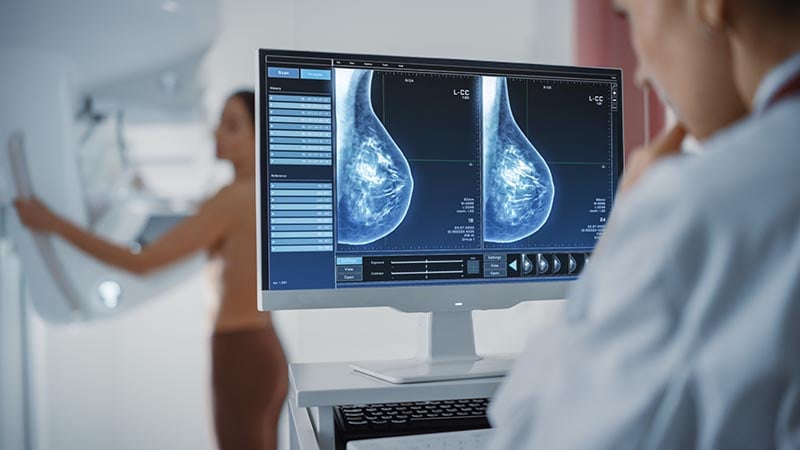
SWSPHN has developed a fact sheet to provide general practices with an update on changes to cancer screening recommendations for Aboriginal and Torres Strait Islander people.
Changes include:
National Cancer Screening Register (NCSR)
The NCSR has released a Healthcare Provider Portal which provides a self-service alternative for healthcare providers to access and submit screening data for the bowel and cervical screening programs.
Cervical cancer screening
Self-collection is now available to all people with a cervix.
Bowel cancer screening
Bowel cancer screening kits can now be ordered in bulk to your practice and distributed directly to patients during consultations.
Breast cancer screening
The BreastScreen NSW PUTUWA Project is supporting Aboriginal women to access mammograms from age 40 (previously it was age 50).
National Cancer Screening Register (NCSR)
The NCSR has released a Healthcare Provider Portal which provides a self-service alternative for healthcare providers to access and submit screening data for the bowel and cervical screening programs.
The portal can be integrated into clinical information systems enabling GPs and practice nurses to access and submit data electronically.
It eliminates the need for healthcare providers to contact the National Register via fax, paper and phone, and makes it easier for healthcare providers to submit information.
You can use the National Register in real-time to:
- order your patient a National Bowel Cancer Screening Program Test Kit (to their home)
- bulk order National Bowel Cancer Screening Program kits directly to your practice
- check patient screening histories
- receive reminders for patients overdue for screening or follow-up
- check and update patient details
- manage patient program participation
- submit information about your patient, such as colonoscopy or colposcopy information
- nominate other people to assist your patient, including another doctor or a personal representative
Register now
14 December 2022

The Cancer Institute NSW has launched a new campaign to encourage younger people, aged 18 to 24 years in NSW, to protect their skin from UV radiation.
This group is particularly at risk as they are less likely to protect their skin from the sun than the general population.
The campaign’s key messages are:
- Melanoma is the most common cancer among young Australians
- If you could see UV radiation, you would protect your skin
- Be prepared before you go outdoors
- Protect your skin in five simple ways: Slip, Slop, Slap, Seek, and Slide
The campaign demonstrates the scale and danger of UV rays by depicting them as illuminated ‘Arrows’ hurtling down from above, transforming it into a tangible and ever-present threat.
Protect yourself from skin cancer:
Find out more


