03 November 2023

SWSPHN has commissioned a primary care eating disorders support program, on the back of data showing an estimated 4.02 per cent of the South Western Sydney population are living with an eating disorder (Prevalence of Eating Disorders by Primary Health Network report, Deloitte, 2019).

Most of those with an eating disorder experienced binge eating (1.86 per cent), followed by a non-specified eating disorder (1.54 per cent), bulimia nervosa (0.49 per cent) and anorexia nervosa (0.12 per cent).

The estimated prevalence rate of eating disorders in South Western Sydney exceeds the national average of 3.97 per cent.

In July, successful tenderers One Door Mental Health and Community Links (Wollondilly and Wingecarribee) began service delivery of the Primary Care Eating Disorders Supports Program and ReClaim respectively.

The services are a 15-month pilot and provide an eating disorders model offering care coordination, evidence-based therapies and capacity building.

Both the Primary Care Eating Disorders Supports Program and ReClaim can provide multidisciplinary care, and link young people to a psychiatrist, dietitian and mental health professionals, who will work together to provide support for the client.

Treatment includes early intervention to treat and manage the onset of symptoms, and supporting those with an existing diagnosis of an eating disorder by managing long-standing symptoms.

One Door’s Primary Care Eating Disorders Supports Program focuses on the 12 to 25 years age group only. Community Links’ ReClaim is open to all ages, however, it has a focus on the 12 to 25 years age bracket and also recognises 10- to 18-year-olds as a priority cohort.  

The main difference between the two services is their referral process.

One Door

You can self-refer to the Primary Care Eating Disorders Supports Program.

One Door also accepts referrals from various stakeholders, including GPs and community health organisations.

Referrals are made via Campbelltown headspace, which is operated by One Door Mental Health.

Call Campbelltown headspace on 4627 9089 or email headspace.campbelltown@onedoor.org.au

Find out more about One Door via its website or call 1800 843 539.

Community Links

You can self-refer to ReClaim by contacting the Community Links mental health intake line on 0455 104 104 or via email on mhintake@communitylinks.org.au

However, you will also need to visit your GP to obtain either an Eating Disorder Treatment and Management Plan or Mental Health Treatment Plan before sessions can commence.

GPs can refer clients to ReClaim through SWSPHN’s Central Intake.

Find out more about Community Links via its website or call 4683 2776.  

02 November 2023

SWSPHN representatives attended the 2023 Asia-Pacific Health Leadership Congress in Canberra from 10 to 12 October, with the congress focusing on practical explorations for health leaders on how to survive and thrive through current and future challenges.

Our Executive Manager Corporate Services, Christine Turner, attended the conference with Acting Mental Health and Alcohol and other Drugs (AOD) Team Lead, Bessie Berberovic.

SWSPHN often sends members of its leadership team to the annual congress with the aim of enabling better leadership and, in turn, healthier communities.

Addressing some of the strategic challenges and successes faced by our sector, directly assists SWSPHN to better support the health of the South Western Sydney community.

Both Ms Berberovic (pictured top) and Mrs Turner (pictured bottom) presented at the conference.

Ms Berberovic highlighted SWSPHN’s No Wrong Door initiative as a collective commitment between local government, non-government and community organisations to work towards a no wrong door approach built around recovery-oriented practice.

The signatory organisations to the No Wrong Door Charter ensure people experiencing severe and persistent mental illness, and their families, are supported by a coordinated service system.

The No Wrong Door initiative and Framework demonstrated how change leadership evolves over time by continually identifying gaps, building on existing resources and co-designing solutions with key stakeholders.

Mrs Turner presented to the congress on staff retention, highlighting SWSPHN’s excellent workplace culture and diversity.

She demonstrated how SWSPHN has identified opportunities for improvements to retain our staff who bring to the organisation so many valuable skills and knowledge.

She also talked about the actions we have taken to reduce our employee turnover from 29 per cent to 15 per cent over the last 12 months.

Mrs Turner included an in-house EVP (employee value proposition) video to complement her presentation.

She said the EVP video authentically showed the audience our organisation and our people, rather than just talking about them.

The feedback from the audience about the video was affirming.

“The comment that resonated with me most was when an attendee said how impressive it is that we have been able to create such a great workplace culture with so much diversity in our staffing profile,” Mrs Turner said.

She added there was much to take out of attending any conference.

“There is always self-reflection and improvement opportunities gained, in this case with my own leadership in healthcare, but also how I coach and mentor other leaders across the business to be able to continue to a make positive impact on their teams and the broader community through our work,” Mrs Turner said.

“One comment has stuck with me and stands true through my own experiences and observations of other great leaders: Great leaders rise above the chaos; they don’t get drawn into it.”


No Wrong Door initiative

No Wrong Door organisations come together to ensure that, regardless of which door a person enters through the system, they are supported to access an appropriate service to meet their needs. Find out more

What’s the EVP project?

The project aims to uncover our authentic employee value proposition – what it means to work at SWSPHN, why people should join our organisation and why people stay – with the aim of recruiting the right people to help our teams thrive and shape our employer brand. Find out more

02 November 2023

Violence doesn’t start at physical abuse or harm. It starts with attitudes, behaviours and beliefs that create and contribute to an unequal power dynamic which ultimately harms everyone.
(EVIE Project: Ending Violence Improving Equality)

Violence against women and girls (VAWG) is one of the most widespread, persistent and devastating human rights violations in our world today. It is an obstacle to equality, development, peace and the fulfilment of women and girls’ human rights. (United Nations)

The 16 Days of Activism against Gender-Based Violence is an annual international campaign which kicks off on 25 November – International Day for the Elimination of Violence against Women – and is bookended by Human Rights Day on 10 December. 

The campaign started in 1991, and is coordinated each year by the Center for Women’s Global Leadership. It is used as an organising strategy by individuals and organisations around the world to call for the prevention and elimination of violence against women and girls.

While it’s easy to view violence against women and girls as an “over there” problem, the reality is that it’s insidious and all around us.

From July 2022 to June 2023, there were 34,700 domestic violence related assaults in NSW (NSW Bureau of Crime Statistics and Research). Numbers have increased by 3.2 per cent over the last five years.


South Western Sydney DV related assaults, July 2022-June 2023

Local Government Area No. of domestic violence
related assaults
Per 100,000 people NSW ranking
Camden 306 255.1 99
Campbelltown 998 561.7 49
Canterbury-Bankstown 1457 498 71
Fairfield 961 438.2 64
Liverpool 1228 524 54
Wingecarribee 135 257.4 97
Wollondilly 149 275 72

On average, one woman is killed every 10 days in Australia by an intimate partner.

These statistics emphasise the importance of not-for-profit women’s health centres like WILMA (Women in the Local Macarthur Area) in the community.

“Nearly every woman who walks through our doors has a history of, or is experiencing, domestic violence,” WILMA manager Dr Vanessa Olsen said earlier this year.

She said the Macarthur region had seen one of the largest increases in domestic violence across the state, with Camden LGA experiencing a 45 per cent jump in cases.

“A women’s only health centre creates a safe space… We are trying to bring out the voice of women in our area, it’s time to stop the violence and fund services for women.” 

SWSPHN is responding to the crisis by commissioning family, domestic and sexual violence (FDSV) trauma-informed mental healthcare services, in particular psychological therapies, in South Western Sydney, as part of the Supporting Recovery Pilot Program. This program is a new model of trauma-informed recovery care for victim-survivors of family, domestic and sexual violence. 

The pilot includes a case management and care navigation service and a psychological therapies service providing trauma-informed care to survivors. These services will work in partnership with FDSV victim-survivors, key advocates, advisory groups, and family, domestic and sexual violence service providers. 

SWSPHN was also successful in tendering for a contract to develop lead-region HealthPathways for the Ministry of Health’s violence, abuse and neglect (VAN) suite of pathways. The Violence, Abuse and Neglect Evidence Strategy 2021-2025 aims to improve health service investment and health outcomes for people experiencing, or who are at risk of experiencing, violence, abuse and neglect.

SWSPHN is also part of the South Western Sydney Domestic and Family Violence Alliance and Non-Fatal Strangulation Working Party, supporting work in the region to support victims of domestic and family violence and improve the clinical response to non-fatal strangulation.

In general terms, violence against women can take physical, sexual and psychological forms, including:

  • intimate partner violence (battering, psychological abuse, marital rape, femicide)
  • sexual violence and harassment (rape, forced sexual acts, unwanted sexual advances, child sexual abuse, forced marriage, street harassment, stalking, cyber- harassment)
  • human trafficking (slavery, sexual exploitation)
  • female genital mutilation
  • child marriage

Find more resources about domestic violence here or visit the Health Resources Directory for information about how your GP can support you as well as make a safety plan.


Support services

Emergencies – CALL 000 IMMEDIATELY

Local police:

NSW Police have dedicated domestic violence liaison officers (DVLOs) who are specialists in dealing with domestic and family violence issues. They provide information about apprehended violence orders (AVOs), support victims through the court process and assist victims to connect to appropriate services.


DV helplines (operating 24/7)

  • NSW Domestic Violence Line1800 656 463*
    A crisis intervention service for women who experience intimate partner or ex-partner violence. The service provides crisis counselling, advocacy, and assists with referrals to crisis accommodation and women’s refuges. Male callers are also referred to appropriate services. Women experiencing violence are provided crisis counselling over the phone and/or referred directly to services for face-to-face assessment and support, using interpreter services when needed.
  • 1800 Respect1800 737 732*
    A counselling, information and referral service for people who are affected by sexual violence, and domestic or family violence.
  • Domestic Violence Impact Line1800 943 539
    A phone counselling, information and referral for women who are experiencing or have experienced domestic violence. NB: the DV line is specifically designed to assist a person experiencing domestic violence by their partner or ex-partner.
  • Men’s Referral Service1300 766 491
    A phone counselling, information and referral service to help men stop using violent and controlling behaviour. They also provide support and information to women and men seeking information on behalf of their male partners, friends and family members.
  • Men’s Help Line1300 789 978
    A phone counselling support service for men with concerns about mental health, anger management, family violence (using and experiencing), addiction, relationship, stress and wellbeing.
  • LGBTIQ+ Violence Service1800 497 212


Sexual assault help

*(Interpreters are available for these helplines. If you are hearing impaired, call the National Relay Service on 133 677)


DV Immediate Needs Support Package

  • Financial assistance for relocation and establishing a new home. Phone 1800 633 063 for information


Women’s health services

Women’s health services provide counselling, information, education and medical services to women.

  • Bankstown Women’s Health – 9790 1378
  • Benevolent Society, The Centre for Women’s Health – 4633 3777
  • Liverpool Women’s Health – 9601 7777
  • WILMA Women’s Health Centre (Macarthur area) – 4627 2955


Women’s Domestic Violence Court Advocacy Services

Women’s Domestic Violence Court Advocacy Services (WDVCAS) assist women with any issues relating to Domestic and Family Violence. Some services include: obtaining legal protection from domestic violence, providing possible referral points, and providing information and assistance throughout the court process.


Integrated services

Integrated services provide services to women and children who are victims of domestic violence through referrals and information. They also provide case management services. The GVLDVS listed below also provide counselling services.

  • Bankstown Domestic Violence Service – 9790 1380
  • CORE Community Services, Domestic Violence Project, Cabramatta – 9727 0477
  • Green Valley Liverpool Domestic Violence Service (GVLDVS) – 1800 111 146


Staying Home Leaving Violence Services

Staying Home Leaving Violence (SHLV) Services provide case management services to women who wish to leave a violent relationship and stay in their own home or a home of their choice.


Specialist homelessness services

Specialist homelessness services assist individuals or families at the risk of, or experiencing, homelessness. Some of these services also have a specific focus to support those escaping domestic or family violence. These include:

  • Bonnie Support Services.
    Bonnie’s provides a range of services such as case management, counselling, therapeutic and creative groups, financial advice, referral, information, outreach, a drop-in support service, children’s services and health relationships training for the local community. Phone: 9729 0939
  • Linking Hearts Multicultural Family Services
    Linking Hearts provides safe and supported crisis and transitional accommodation for families who are homeless or at risk of homelessness. It also provides safe houses for women with children who are escaping domestic and family violence, and helps them to be rapidly rehoused in private rental or social housing. Phone: 9786 4868
  • Macarthur Multipurpose Women with Children Accommodation, Support and Domestic and Family Violence
    This service supports women and children who are homeless or at risk of homelessness, including those escaping domestic and family violence. Responses include intervening early to prevent homelessness, providing safe and supported crisis and transitional accommodation, rapid re-housing, and intensive support for complex needs. Phone: 0476 531 001


Groups for men who use violence and abuse in their relationships

The following services provide information, counselling and run groups for men who use violence and abuse in their relationships. The services all run behaviour change programs, counselling and support for men as well as assisting their partners.


Community Health Centres

Community Health Centres (CHC) can provide referral and information on general health services and can be found at the following locations:

  • Bankstown: 36-38 Raymond St, Bankstown ­– 9780 2777
  • Bowral: Bendooley Pl, 20 Bendooley St, Bowral ­– 4861 800
  • Budyari Aboriginal (Miller CHC): 18 Woodward Cres, Miller – 9607 8112
  • Cabramatta: 7 Levuka St, Cabramatta ­– 8717 4000
  • Fairfield: 53-65 Mitchell St, Carramar ­– 9794 1700
  • Ingleburn: 59A Cumberland Rd, Ingleburn – 8788 4200
  • Liverpool: Level 3 Health Services Building, cnr Campbell and Goulburn St, Liverpool – 9828 4844
  • Narellan: 14 Queen St, Narellan – 4640 3500
  • Prairiewood: cnr Prairievale Rd and Polding St, Prairiewood – 9616 8169
  • Rosemeadow: 5 Thomas Rose Rd, Rosemeadow – 4633 4100
19 October 2023

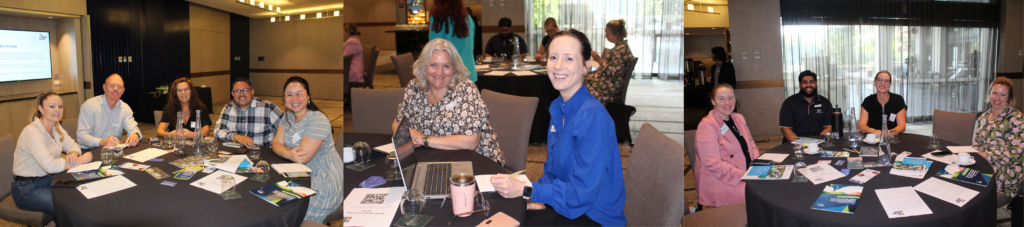
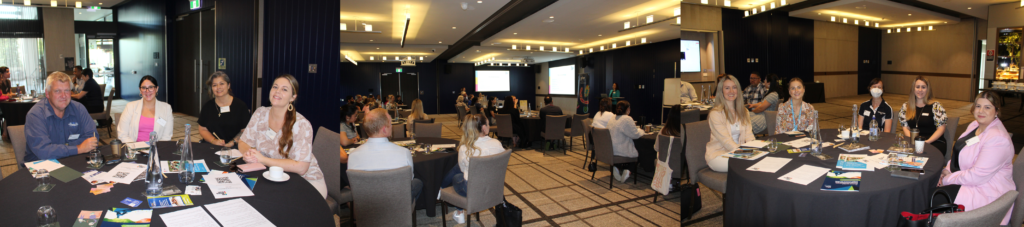
Our services, innovations, collaborations and commitment to improving the health of our community was on display today at SWSPHN’s first showcase since the start of the COVID-19 pandemic. 

Centring around the theme of ‘strengthening Medicare’, a room of about 50 people including PHN Board members, PHN member organisations, PHN staff, service providers, committee members and GPs, gathered in the Dharawal Room at Campbelltown Catholic Club. 

We heard first from keynote speaker, Dr Stephen Duckett, Chair of the Eastern Melbourne PHN Board and former member of the Strengthening Medicare Taskforce, about the challenges facing general practice and primary care in the future. 

Dr Duckett told the gathering there had been a steady decline in the number of medical students choosing general practice. 

“What this means is that the world of primary medical care in 10 years’ time, 15 years’ time or 20 years’ time is going to be quite different from what it is today,” he said.  

“There’s going to be more patients, and either the same, or a smaller number of general practitioners, so we’re going to have to think about different ways of doing things.” 

SWSPHN staff then highlighted a small sample of some of the great work we do, including our innovative iRAD and New to General Practice Nursing projects, and an example of collaborative commissioning. 

Kristen Short, Director of Innovation and Partnerships, showcased our iRAD interoperability solution which connects health providers who are providing care for the same patient. 

“With iRAD, we just need to consent the patient and the information will flow, and be available once they return to their regular GP,” she said. 

Ms Short said South Western Sydney was the first location in Australia to have true interoperability working “which was super exciting”. 

So far, 85 practices are connected to iRAD, a psychiatrist and after hours clinics, and Ms Short said we were looking to expand locally to add another 35 practices in the next few months.  

“One of my favourite quotes from one of our providers is ‘I can’t do my job without iRAD’, they see so much value in it. 

“We’ve been working very hard for a few years on being able to view hospital information through iRAd. It will be a complete game changer for GPs to be able to quickly see any information if a patient is admitted to the emergency department or hospital.” 

SWSPHN’s Kristina Allen, Clinical Support Team Lead, and Lisa Cerruto, Clinical and Quality Improvement Officer, gave an overview of the New to General Practice Nursing program which provides support for nurses who are new, returning or transitioning to general practice within South Western Sydney. 

Val Burge, SWSPHN Mental Health and Alcohol and Other Drugs Program Coordinator, followed with a presentation about working with service providers to have a greater impact on client outcomes, giving our work with the St Vincent de Paul Society’s Rendu House clients as an example. 

Stephen Suttie, Senior Operations Manager at Neami National, gave a presentation on the new, SWSPHN-commissioned Liverpool Head to Health Centre, a free, walk-in, mental health and wellbeing support service which opened in August.  

He discussed the benefits of working in partnership with SWSPHN to engage the community through the codesign process to deliver the best service they could. “What we deliver is a service that is there for people when they need it … which is really closely integrated with the community.” 

SWSPHN Chief Executive Officer, Dr Keith McDonald PhD, closed the showcase with an exploration of SWSPHN’s new Employee Value Proposition – A Healthy Community. A Healthy Career. Right here, where you’re really needed – which not only tells, but shows why SWSPHN is a great place to work. 

Watch the staff EVP video 

Following the showcase, Board members met for SWSPHN’s AGM where our 2022-2023 Annual Report, which highlights even more of the significant body of work undertaken by our dedicated and passionate staff during the last financial year. 

Read our Annual Report 


17 October 2023

The Southern Highlands Suicide Prevention Program invites everyone to come and join their annual free event, Hearts in the Park 2023.  

Hearts in the Park is an annual remembrance event where thousands of hearts are placed across Leighton Gardens with each heart representing an Australian life lost to suicide.  

Remember a loved one or help fight the stigma around mental health and suicide.


When: 28 October 2023, 10am – 2pm 

Where: Leighton Gardens, Argyle Street, Moss Vale   


This year there will be live music, food and beverages, and a craft table for children. 


Hearts in the Park Poster


17 October 2023

Referrals to SWSPHN-funded You in Mind services in Camden, Campbelltown, Liverpool, Bankstown and Fairfield have been temporarily suspended due to high demand.

As part of a demand management strategy, from Friday, 13 October 2023 referrals will not be accepted into the program while the You in Mind service capacity undergoes a review. This measure is intended to be short-term, and referrals will be reopened once capacity allows. 

The You in Mind program supports underserviced, hard-to-reach communities, who experience barriers to accessing the Medicare Better Access Initiative. It is recommended that if a consumer is able to engage with Better Access, it is the preferred service for them. 

More information about the Better Access Initiative is available online. To gain access to this initiative, patients  need to make an appointment with their GP to obtain a Mental Health Treatment Plan.

Other alternate referral pathways may include:   

You in Mind in Wollondilly and Wingecarribee is continuing to take referrals as usual through SWSPHN’s Mental Health Central Intake on 1300 797 746.

17 October 2023

Understanding and acknowledging culture, ethnicity, wellness, resilience and recovery is essential when providing patient-centred care.

Last year the General Practice Mental Health Standards Collaboration (GPMHSC) convened five working groups to develop/update the existing Mental Health Treatment Plan templates to incorporate culturally relevant information.

The minimal requirements Mental Health Treatment Plan template has been updated with information including:

  • Pronouns, sex assigned at birth and gender
  • Preferred languages spoken, interpreter required and country of birth
  • Information regarding a patients Carer and their contact details

A template has also been developed solely for the Aboriginal and Torres Strait Islander population.

The Aboriginal and Torres Strait Islander Social and Emotional Wellbeing template includes information such as:

  • Carer/next of kin details, to help reinforce the importance of communal care
  • Relevant information regarding the patients social and cultural determinants of health
  • Important family and social history, including information about the patients connection with their mob

GPMHSC has put together a short webinar which goes through the changes and encourage all GPs to download the word, PDF and RTF templates from the GPHMSC website and upload them into whichever practice software they utilise.

13 October 2023

October is Mental Health Month and is a chance for everyone to come together to focus on mental health, learn about stigma and create safe, caring communities.

This gives us the opportunity to understand the importance of good mental health in our everyday lives and encourages help-seeking behaviours when needed. Mental Health Month is centred on World Mental Health Day – Tuesday, 10 October.

This year’s theme is: “We all have a role to play”.

This Mental Health Month, think about ways you can connect with the people around you. Whether it’s taking time to care for yourself, caring for someone close to you, supporting your community to be more mental health aware, or being a mental health community ally. Making a world free from mental health stigma, and more inclusive for people who are going through tough times takes all of us!

In South Western Sydney one in six people have experienced mental ill health in a 12-month period, compared to one in seven people in NSW. One in five people in South Western Sydney report having high or very high psychological distress, a higher rate compared to NSW with one in six people.

SWSPHN funds a range of mental health services to support those in our community impacted by mental-ill health. These services have been co-designed with our local community and service providers to meet the specific needs of South Western Sydney.

You can access help with these services:

Visit our Mental Health page to find out more about our services.

10 October 2023

As implementation of the South Western Sydney Regional Mental Health and Suicide Prevention Plan 2022-2025 passes the halfway mark, this month’s Under the Microscope provides a reminder about how and why the plan was developed, and an update on its progression.

SWSPHN and South Western Sydney Local Health District (SWSLHD) came together for the first time to co-design and create a clear roadmap for supporting the mental health needs of people living in our region, launching the Regional Mental Health and Suicide Prevention Plan in November 2020.

The plan aims to guide local efforts to improve access to mental health support in areas including referral pathways, integration, and collaboration within the mental health sector and relevant community and health services.

It was developed in consultation with people with a lived experience of mental health issues and suicidal thoughts, carers, families, the wider community and healthcare providers, and is being implemented by representatives with a range of knowledge and experience across South Western Sydney.

The plan has a five-year focus (2020-2025) and guides collaborative decision-making to ensure maximum use of resources.

Its seven priority areas and working groups include:

  • Integrating regional service delivery
  • Strengthening suicide prevention and aftercare
  • Coordinating treatment and supports for people with severe and complex mental illness
  • Improving mental health and suicide prevention for Aboriginal and Torres Strait Islander peoples
  • Improving the mental health of diverse communities
  • Supporting and developing mental health workforce
  • Empowering and supporting individuals and communities

The lead organisations then came together in September last year to create a “success plan” for the implementation of the regional plan.

Key stakeholders also came together at the inaugural implementation network meeting in March. Members of the different working groups collaborated and networked outside of their priority areas for the first time and gained an oversight of the broader priorities of each group.

SWSPHN Chief Executive Officer, Dr Keith McDonald PhD, said since the “success plan” was implemented, the regional plan had gained momentum with greater collaboration across working groups, with members having a clearer understanding of the scope of the working groups, and face-to-face meetings being held.

“The findings from the working group meeting identified we needed to focus on engagement, increasing the momentum of the plan’s implementation and educating all members on the importance of their roles in the plan,” he said.

“The regional plan brings health professionals and people with lived experience together from all over South Western Sydney, who contribute vital knowledge and expertise to the project. We can’t implement positive changes without them.

“We have also taken on two health management students and a volunteer, who have been working on projects to support progressing actions of the working groups with a positive outcome that has supported the implementation activities.

“They’ve conducted a Mental Health Workforce deep dive, a Social and Emotional Wellbeing Framework deep dive on services for First Nations’ communities and produced recommendation reports for handover to the relevant working groups.”

A Snapshot of South Western Sydney’s Mental Health (South Western Sydney Regional Mental Health and Suicide Prevention Plan to 2025):

  • Suicide rates in South Western Sydney region between 2007 and 2016 were similar to the NSW rate, however, suicide rates for males in the Southern Highlands (18.6 deaths per 100,000 population), Wollondilly (15 deaths per 100,000 population) and Campbelltown (14.8 deaths per 100,000 population) have been significantly higher than the rest of South Western Sydney
  • 16 per cent of the adult population self-reported high or very high psychological distress
  • In any given year, up to 166,000 people could be impacted by mental illness at different levels of severity
  • Hospitalisation numbers for overnight mental health-related hospitalisations per 10,000 population by SA3 are: South Western Sydney 97; Campbelltown 144; Southern Highlands 139; Liverpool 114; Camden 87; Bankstown 82; Fairfield 81; Wollondilly 80; Bringelly to Green Valley 77
  • Overnight hospitalisation rates for schizophrenia and delusional disorders were higher for Campbelltown and Liverpool residents compared to the national rates
30 September 2023

Mental health is a term that describes how all people think, feel and act. It is a basic component of health and wellbeing that underpins our individual and collective abilities to make decisions, build relationships and shape the world we live in.  

SWSPHN aimed to better understand how people living in South Western Sydney access and engage with mental health services, the support people may need in accessing those services, and how we can improve services and coordination to best meet the needs of our community. These Local Health Forums were part of a bigger deep dive into mental health and suicide prevention being undertaken by South Western Sydney PHN. 

View findings report 

Back to Population Health Planning page