02 April 2024

Your patients who have experienced family, domestic or sexual violence can now seek help from a new SWSPHN-funded program which aims to provide victim-survivors with access to services to support their long-term recovery.

Anglicare Sydney and CatholicCare Sydney are delivering the Supporting Recovery from Family, Domestic and Sexual Violence Program in South Western Sydney.

The program aims to fill a gap in access to longer term mental health recovery services for victim survivors of family, domestic and sexual violence, and to work alongside existing services already in place providing short-term and crisis support.

Services are initially being delivered from hubs based in the Campbelltown, Liverpool and Fairfield communities due to higher rates of family, domestic and sexual violence in those local government areas (LGAs).

However, services may be expanded across Bankstown, Camden, Wingecarribee and Wollondilly LGAs based on need and demand. 

The Supporting Recovery program includes access to:

  • a Local Care Team to help clients coordinate and manage their recovery journey, including connecting clients with a range of other services such as legal, financial and housing supports
  • trained psychologists, social workers and counsellors who specialise in providing trauma-informed and client-centred mental healthcare
  • holistic, culturally appropriate mental health services which are available at no cost for a period up to two years

Patients do not need a GP referral. They can access the service by calling 1300 316 554 or completing a self-referral online.

More information about the service can be found by visiting supportingrecoverysws.org.au

08 March 2024

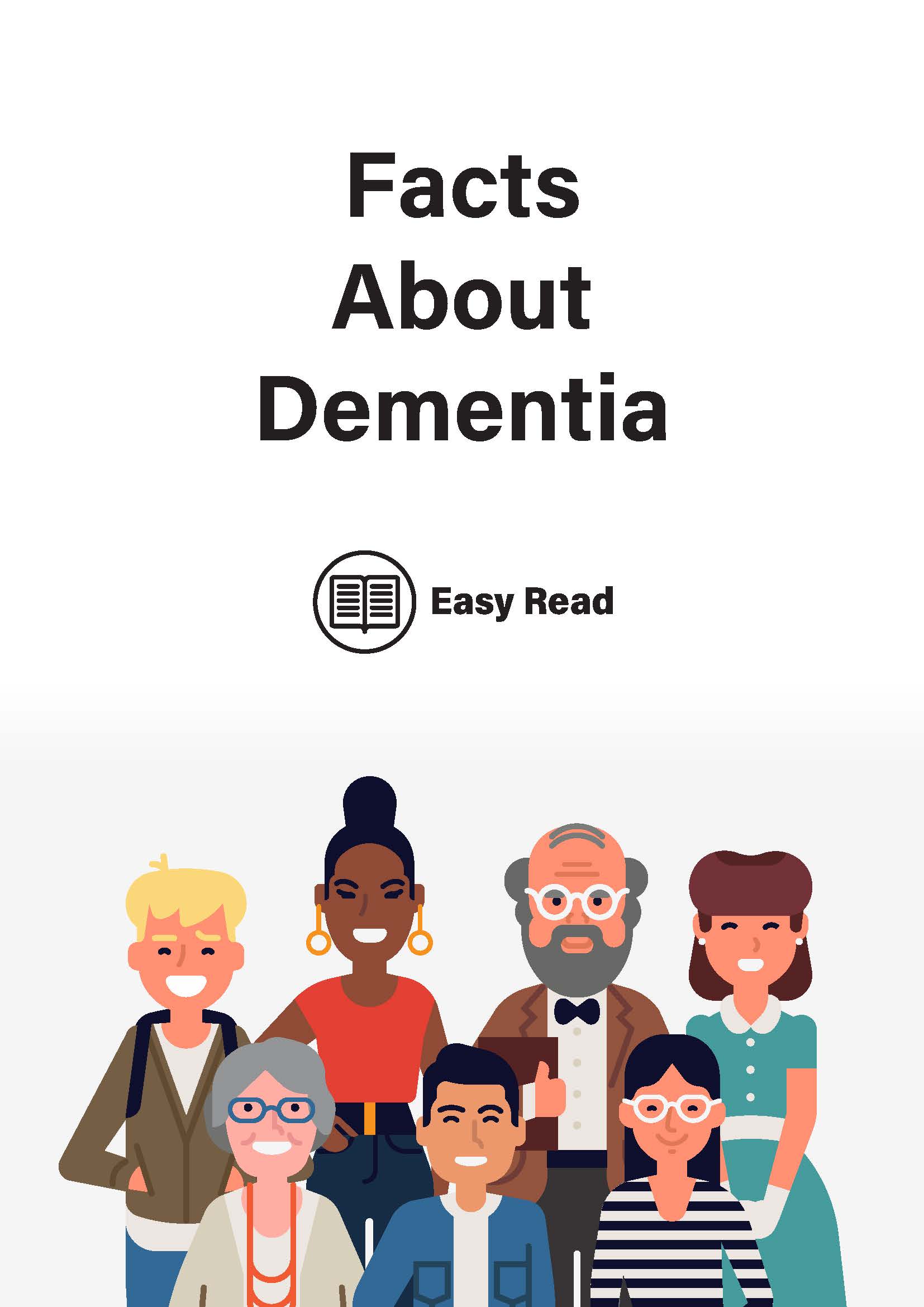
People living with dementia now have access to Easy Read information about their condition.

SWSPHN has developed an Easy Read factsheet about dementia, which is available on our Health Resource Directory (HRD) website.

The factsheet, developed in consultation with a person living with dementia, has information about:

  • What dementia is
  • How dementia is detected
  • How dementia may affect you
  • How to live well with dementia
  • Questions you can ask your doctor
  • Where to find extra support

The aim of Easy Read is to give more people access to information. Easy Read is a way to present information for people who are not familiar with English, or who have low literacy or learning disability. Easy Read’s unique layout and style presents information so it’s easy to understand.

The Easy Read dementia factsheet adds to the resources about dementia already available on HRD. The factsheets have been formulated under strict clinical guidelines, include information about local support and health services, and are available in English, Vietnamese, Simplified Chinese and Arabic.

Please download the Easy Read factsheet for patients with a dementia diagnosis where appropriate.

08 March 2024

People living with dementia now have access to Easy Read information about their condition.

SWSPHN has developed an Easy Read factsheet about dementia which is available on our Health Resource Directory (HRD) website.

The factsheet, developed in consultation with a person living with dementia, has information about:

  • What dementia is
  • How dementia is detected
  • How dementia may affect you
  • How to live well with dementia
  • Questions you can ask your doctor
  • Where to find extra support

The aim of Easy Read is to give more people access to information. Easy Read is a way to present information for people who are not familiar with English, or who have low literacy or learning disability. Easy Read’s unique layout and style presents information so it’s easy to understand.

The Easy Read dementia factsheet adds to the resources about dementia already available on HRD. The factsheets have been formulated under strict clinical guidelines, include information about local support and health services, and are available in English, Vietnamese, Simplified Chinese and Arabic.

Download the Easy Read factsheet

27 February 2024

Screening for gambling harm at general practices and community-based organisations could support a holistic approach to client care by addressing gambling as one part of a wider problem, and de-stigmatising gambling harm, a pilot study has found.

The study’s findings were published in a report, Exploring the feasibility of a gambling harm screening model in general practice and community service settings in Fairfield, in the Australian Journal of Primary Health last week (18 February).

The research was undertaken by the Fairfield City Health Alliance Gambling Working Group, a partnership between the three levels of government – SWSPHN, South Western Sydney Local Health District (SWSLHD) and Fairfield City Council – the multicultural gambling service, social service providers and academics.

It used a community-designed screening tool to detect and reduce harm from gambling in the Fairfield Local Government Area – an area where $1.7 million is lost to poker machines each day, and where people from all walks of life are represented in its diversity of cultures, religions and social backgrounds.

The screening tool, used by GPs and community workers in Fairfield for 13 weeks in 2020, was developed for multicultural communities and materials were translated into three languages (Arabic, Assyrian and Vietnamese).

More than 130 patients completed the online screening and were referred to help services.

Screening data showed 40 per cent of clients had no risk of gambling harm, 17 per cent were considered at-risk due to their gambling behaviour and 20 per cent due to someone else’s gambling behaviour.

Twenty-three per cent of clients were identified as being at risk of gambling harm from both themselves and someone else.

These rates of gambling harm are substantially higher than the 2019 NSW state prevalence survey.

The research findings suggest stigma poses a significant barrier to gambling treatment in multicultural communities, and that gambling screening in general practice could help overcome gambling stigma and support those communities.

The research also highlighted the complexity of gambling harm and treatments.

Community workers emphasised the need to prioritise other pressing issues, such as financial harm, domestic violence and homelessness, particularly for individuals affected by others’ gambling.

One worker ensured clients received emotional and mental health support while providing information about gambling help services.

“Therefore, addressing gambling-related concerns was often not the top priority, rather a secondary issue,” the report said.

The report’s conclusion: “Primary healthcare and community service settings can play a role in screening for and mitigating gambling harm within communities’’.

Read the article
27 February 2024

GPs piloting a screening tool to detect and reduce harm from gambling at practices in the Fairfield LGA say their involvement in the study, and the associated training, improved their understanding of gambling issues and increased their comfort in initiating conversations about gambling with patients.

The study’s findings were published in a report, Exploring the feasibility of a gambling harm screening model in general practice and community service settings in Fairfield, in the Australian Journal of Primary Health last week (18 February).

The research was undertaken by the Fairfield City Health Alliance Gambling Working Group, a collaboration between the three levels of government – SWSPHN, South Western Sydney Local Health District (SWSLHD) and Fairfield City Council – the multicultural gambling service, social service providers and academics.

It aimed to explore the enablers and barriers to implementing a co-designed screening tool in Fairfield – an area with high gambling expenditure.

The screening tool, used by GPs and community workers for 13 weeks in 2020, was developed for culturally and linguistically diverse communities, and materials were translated into three languages (Arabic, Assyrian and Vietnamese).

A training and resource kit was also developed for participants.

More than 130 patients completed the online screening and were referred to help services.

The screening data showed 40 per cent of patients had no risk of gambling harm, 17 per cent were considered at-risk due to their gambling behaviour and 20 per cent were at risk due to someone else’s gambling behaviour.

Twenty-three per cent of patients were identified as being at risk of gambling harm from both their own behaviour and someone else’s.

These rates of gambling harm are substantially higher than the 2019 NSW state prevalence survey.

Study participants said the tool was easy to use, the training empowered them to initiate conversations about gambling, and screening was a positive addition to holistic patient care.

One worker said they found the tool a “really good way to … start building on that relationship regarding gambling”.

Another said they used the tool to say “We’re here not to judge you. We’re here to support you’’.

One GP said they were now more comfortable bringing up, and even just having a basic discussion, about gambling after participating in the study.

Another GP suggested integrating questions about gambling harm into practices as part of an overall comprehensive approach, similar to asking about smoking or alcohol consumption.

The research found the screening tool showed real promise for addressing gambling in primary health and community settings, and was an entry point to:

  • identify the level of gambling harm within community settings
  • support active referral of those experiencing gambling harm to support services
  • support a holistic approach to patient care by addressing gambling as part of comorbidities
  • de-stigmatise gambling harm

Other findings from the study included:

  • stigma poses a significant barrier to gambling treatment in culturally and linguistically diverse communities
  • future implementation of screening in general practice and community services must have appropriate referral pathways in place to support patients
  • staff must be adequately trained to engage in conversations around gambling harm, recognise indicators of gambling harm, and provide the appropriate referral and help-seeking pathways
  • future research should examine the feasibility of embedding screening tools into practice management software systems

The report said: “In Australia, due to the high comorbidity between gambling harm and related issues addressed in primary care and community services, implementing gambling screening measures in these contexts is likely to be beneficial”.

Read the article
22 February 2024

Workers from community organisations in Fairfield city are invited to a capacity building workshop around tackling gambling harm, on Monday, 11 March from 10am to noon, at Fairfield Youth and Community Centre.

The free workshop, Tackling Gambling Harm in Our Community:  Effective Strategies and Community Engagement, will:

  • present community concerns about gambling-related harm in Fairfield city
  • discuss evidence-based strategies to mitigate harm
  • provide a platform for idea exchange, information sharing, advocacy, and networking
  • explore opportunities for forming and strengthening local action groups that involve community workers and residents

The workshop is being presented by the Fairfield City Health Alliance Gambling Working Group, a partnership between Fairfield City Council, South Western Sydney Local Health District and SWSPHN.

A light lunch will be provided.

Reserve a spot
20 February 2024

The eligibility criteria for the You in Mind service has been revised to better meet the needs of our community, following a thorough review.

The provisional (non-GP) referral pathway to the You in Mind service has also been permanently closed following the review.

Patients can continue to be referred to You in Mind via GP referrals and Head to Health.

You in Mind is for residents of South Western Sydney with moderate to severe mental illness, who experience barriers to accessing the Medicare Better Access Initiative.

Clients must come from a priority population group, including those who are:

  • financially disadvantaged
  • experiencing homelessness
  • primarily speaking a language other than English at home
  • Aboriginal and/or Torres Strait Islander
  • LGBTQIA+
  • experiencing perinatal depression
  • older people
  • residents of rural areas of Wollondilly and Wingecarribee who are geographically isolated and socially disconnected from mental healthcare

Referrals to the You in Mind services delivered by One Door and Connection Emotion Reflection have now re-opened.

20 February 2024

The Australia and New Zealand Academy for Eating Disorders (ANZAED) has expanded its ANZAED Eating Disorder Credential to GPs to enhance the effectiveness and consistency of care for eating disorders.

The credential for GPs emphasises early identification and initial response for people with eating disorders, encompassing screening, assessment, diagnosis and referral to appropriate treatment providers.  

The ANZAED Eating Disorder Credential for GPs will provide formal recognition of qualifications, knowledge, and training needed to meet minimum standards for the delivery of safe and effective eating disorder care.

Importantly, it connects help-seekers with Credentialed Eating Disorder Clinicians through a searchable directory on the connect·ed website

A webinar will be held on Wednesday, 27 March from 12pm to 12.30pm to provide more information.

Register for webinar

20 February 2024

SWSPHN is seeking expressions of interest (EOIs) from GPs who are willing to provide diabetes management care to patients being discharged from hospital psychiatric units. 

GPs will participate in a diabetes case conference alongside an endocrinologist and community mental health teams.

GPs will be able to claim $221.90 through Medicare for participating in a 40-minute case conference consultation.

Patients will continue to be supported with psychiatric care by the community mental health service.

GPs will continue to provide ongoing care for these patients.

EOIs close on Friday, 15 March.

19 February 2024

Safe Haven is a NSW Government-funded alternative to visiting the hospital emergency department when you’re experiencing thoughts of suicide.

This is a free mental health support which aims to reduce the incidence of suicide in our region. 

If you or someone you care about is experiencing thoughts of suicide, which might present as mild depression, deep sadness, emotional distress, helplessness or self-harm, Safe Haven is somewhere to go for support.

Peer support workers at Safe Haven have their own lived experience of suicidal distress, they understand what you might be going through and can support you through it.

Anyone is welcome at Safe Haven. There is no need to give your name or Medicare information to staff. Safe Haven is a private and confidential service provided for people aged 16 and over. For anyone below the age of 16, Safe Haven requires a parent or guardian to attend.

The Way Back Support Service (a Beyond Blue model) – one of SWSPHN’s commissioned services – is co-located at Safe Haven. The teams work together to support people at risk of suicide.

Find out more on YouTube

What is Safe Haven?

Why should I visit?

A glimpse into a visit

The role of a peer worker