18 June 2025

The last chance for GPs to receive reimbursement to complete the Initial Assessment and Referral (IAR) Decision Support Tool (DST) training is quickly approaching, with the once-off $300 incentive payment ending on 30 June this year. 

The option of locally delivered training, both face-to-face or via Zoom, will also end on 30 June, with the completion of an Australian Government initiative to expand the use and uptake of the IAR-DST. 

Use of the IAR-DST continues to be encouraged, and national training will continue to be available online for primary care providers – including GPs, GP registrars, allied health and other health service providers – who may refer someone to a mental health support service. 

How you currently access training 

How you will access training in the future 

An eLearning module for clinicians will be available in the next financial year. 

The eLearning module is being developed by the Department of Health and Aged Care (DoHAC) and the University of Melbourne.

The University of Melbourne will coordinate eligibility for Continuing Professional Development (CPD) hours as part of the development process. GPs and GP registrars will not receive the incentive payment for undertaking this training. 

We will provide more information on the eLearning module when it becomes available. 

CPD hours will continue to be awarded 

In addition to the $300 once-off incentive payment available for training undertaken before 30 June, CPD hours (one Educational Activity hour and one Reviewing Performance hour) will continue to be awarded until 31 December 2025. 

About the IAR 

How the IAR tool helps 

SWSPHN commissions a range of services across the stepped care spectrum to meet the mental health needs of our community. 

These include: low-intensity services, psychological therapies, specialised services for children, young people, people with severe mental illness, Aboriginal and Torres Strait Islander people, among others. 

The IAR-DST is designed to assist the various parties involved in the assessment and referral process to ensure: 

  • patients are guided to the option which best meets their needs, and has the least burden on them and the health system 
  • resources are targeted to where they’re needed most and that those resources are used effectively 

Ultimately, the IAR will help streamline referral pathways and improve service visibility. 

How it works 

An initial assessment is used to gather information from the referrer and patient. The assessment is undertaken across eight domains which aim to describe clinical severity and service needs, and guide decisions on the most appropriate next steps (for example, intervention, further assessment). 

Find more information by downloading: 

Why you should do the training 

The IAR-DST, an initiative of DoHAC, is a nationally consistent, evidence-based and objective approach to initial assessment and referral of patients seeking mental health support. 

All federally funded mental health services will soon be using the IAR-DST, standardising how referrals are made and making it less likely your referrals will be refused. 

Given GPs are often the first contact point when a mental health issue emerges, it is important to ensure you are prepared for the change and are supported in implementing the IAR tool into your daily practice.  

The training includes an introduction to IAR; orientation to the domains, levels of care and the decision support tool; information on clinical judgement and supported decision-making; and a practical activity using case studies to the IAR in referral, assessment and intake settings. 

How do GPs access the tool? 

DoHAC is working on digital integration of the IAR-DST into general practice software. 

Currently, general practices can access the tool through the: 

Online Decision Support Tool 

or 

Smart Referral Form 

or 

GP Referral Template, which is compatible with their software, which they will be given after completing the training. The IAR-DST is included in this template. 

Find out more  

If you have any questions, please email iar@swsphn.com.au 

27 May 2025

The benefits of exercise to mental health and diabetes management were stressed during a presentation by Alyssa Horgan from SWSPHN’s Integration and Priority Populations (IPP) team, at Thursday’s (22 May) Liverpool Local Active Partnership bi-monthly meeting.

Alyssa (pictured) had the opportunity to talk about the cost of inactivity, its benefits and the role played by primary carers, and the SWSPHN programs which support mental health and diabetes management, as well as network with stakeholders interested in health, activity and sport, at the event.

Attendees included representatives from the Heart Foundation, South Western Sydney Local Health District, the Western Sydney Health Alliance, community and local sporting organisations.

“Primary care’s role includes managing and preventing of chronic disease; promoting and advocating for regular exercise; collaborating with other health professionals like exercise physiologists and dieticians; and providing patients with information about programs and services,” Alyssa said during her presentation.

She also spoke about HealthPathways and Health Resource Directory, type 2 diabetes case conferencing and exercise groups, and stepped care and the mental health and alcohol and other drugs services we fund.

Alyssa explained how SWSPHN was able to use anonymous data from general practices across South Western Sydney to identify local health trends, risk factors and priority areas for action.

“We pinpoint patient groups like those with chronic conditions such as diabetes and cardiovascular disease, which are significantly impacted by lifestyle choices. This information helps us work with practices to create health initiatives tailored to the needs of locals.”

Liverpool Local Active Partnership is the first of its kind formed by WSYD Moving, a health promotion charity aimed at addressing the critical issues of inactivity and inequity in Western Sydney.

It is working towards building local networks, relationships, trust and pathways to enable people to become more physically active in their own communities.

The IPP team’s Kate Noble is involved in WSYD Moving’s social prescribing project which is also underway in Liverpool and aims to reduce social isolation and loneliness for seniors improving quality of life.

The project is fostering collaboration between healthcare providers and community organisations, creating a more wholistic and integrated approach for individuals.

Find out more or register to join the Liverpool Local Active Partnership.

30 April 2025

A new headspace outreach centre is now open in Narellan, delivering free or low-cost mental health and wellbeing support for young people aged 12 to 25. 

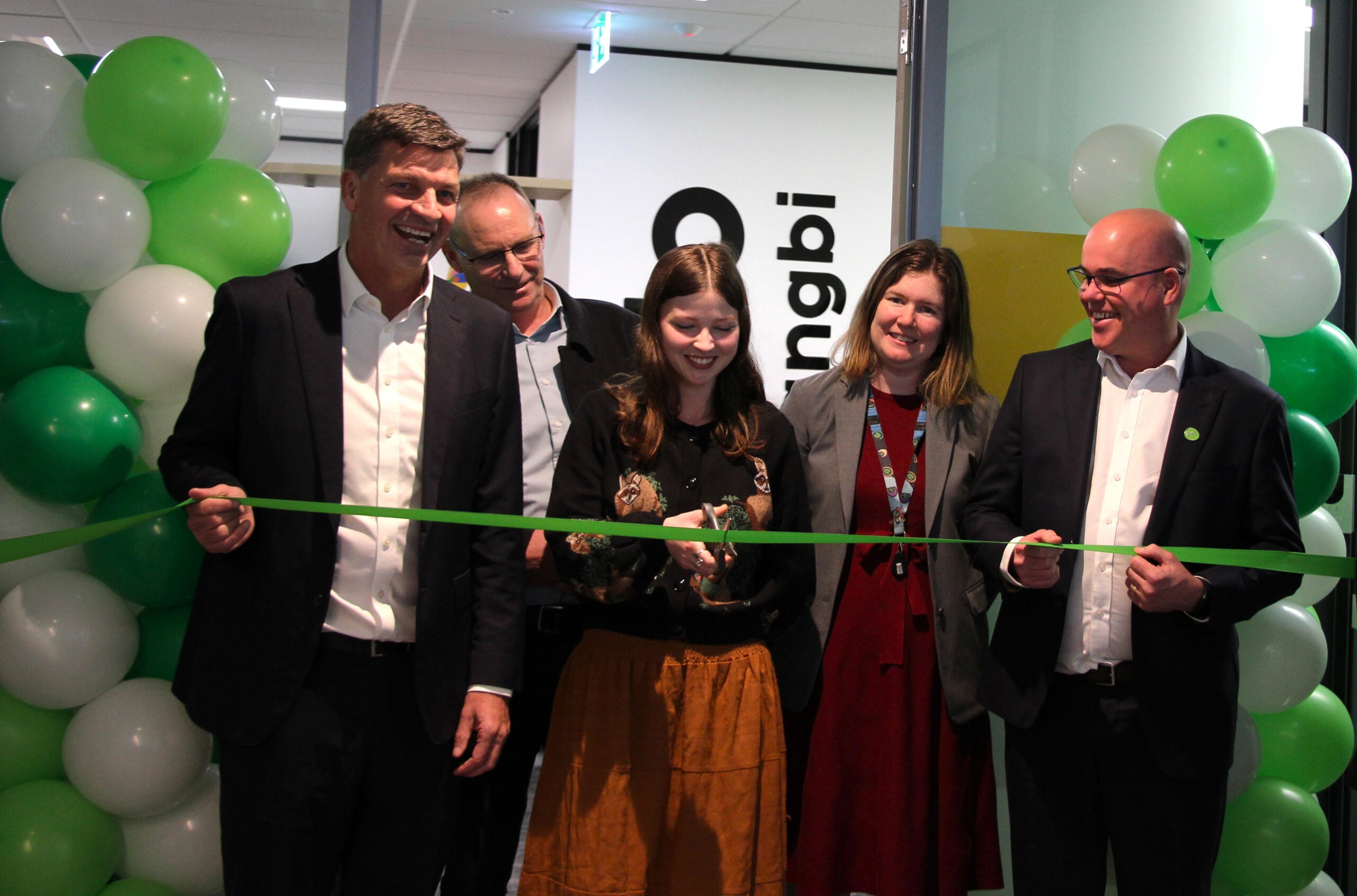
Representatives from SWSPHN joined Grand Pacific Health (GPH) staff, Camden Mayor Ashleigh Cagney, community members and other service providers for the official opening of the Narellan Community Offices on Tuesday, 29 April.

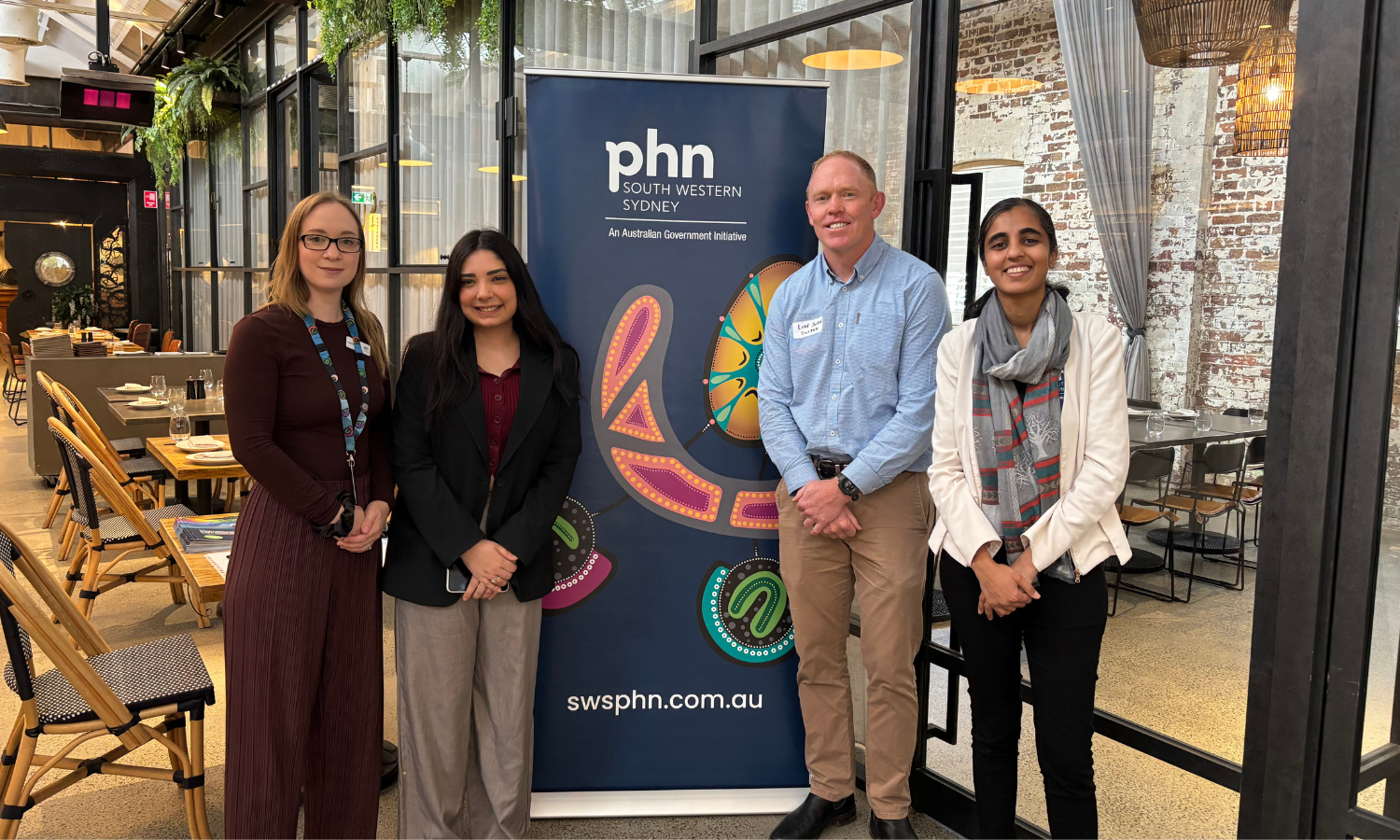
SWSPHN Mental Health and AOD team members Sophie Mara and Luke Swain at the headspace outreach opening.

The headspace outreach, an extension of headspace Oran Park, aims to make accessing care easier for young people.  

GPH Executive General Manager of Youth and Primary Health Jenny Valdivia said the service was vital for young people who struggled to travel to Oran Park. 

“We received feedback from young people about the importance of having a space in Narellan to supplement our main site in Oran Park,” she said. 

Attendees at the opening also had the opportunity to tour the facility and hear from other organisations delivering services in the centre, including Settlement Services International (SSI) and Big Yellow Umbrella.

The headspace outreach centre is located at Narellan Library Forecourt, corner Queen and Elyard Street and operates Monday to Wednesday, from 9am to 5pm.

Call headspace Oran Park on (02) 4604 3030 for more information about accessing the service. 

Headspace centres provide early intervention mental health services for young people aged 12 to 25 for their mental health, physical and sexual health, alcohol and other drugs, and work and study. 

There are five headspace centres in South Western Sydney: 

  • Bankstown 
  • Campbelltown 
  • Liverpool 
  • Edmondson Park 
  • Oran Park (with outreach in Narellan) 

SWSPHN funds Grand Pacific Health to operate the outreach centre as an extension of headspace Oran Park. 

All headspace centres are funded by the Australian Government Department of Health and Aged Care through the Primary Health Networks program.

Visit SWSPHN’s website to find out more about headspace


28 February 2025

Service Announcement

South Western Sydney residents will have access to a second Medicare Mental Health Centre when the new Campbelltown service opens in October.

South Western Sydney PHN (SWSPHN) has commissioned Grand Pacific Health and its partners Odyssey House, Relationship Australia and Tharawal Aboriginal Corporation, to operate the Campbelltown centre.

The centre will provide free, walk-in, mental health and wellbeing support without the need for an appointment or referral.

Grand Pacific Health is a recognised health service provider, and currently manages Medicare Mental Health Centres at Moruya, Shellharbour, Wagga Wagga and Young.

Medicare Mental Health Centres are designed to be a welcoming place where everyone can access free and confidential mental health information, services and support from multidisciplinary care teams made up of social workers, psychologists, nurses, and peer support workers.

The centres are also open extended hours.

The centres offer:

  • immediate help and follow-up for people who are in distress
  • support for people with mental health concerns
  • support for carers and families of people experiencing mental health distress
  • help connecting people with other services to support them in the future, from health to mental health, and social supports like housing and employment

SWSPHN Chief Executive Officer, Dr Keith McDonald PhD, said a second Medicare Mental Health Service would further boost access to mental health and wellbeing services in the region for adults experiencing moderate to high levels of distress or crisis.

“What makes Medicare Mental Health Centres so effective is the holistic approach they provide,” he said.

“People can simply walk-in to access on-the-spot free support from a trained mental health professional. If a person receives immediate assistance, it often reduces the level of mental and emotional distress they feel.

“They are then guided to access or connect to the specific mental health and related services they are assessed as needing.

“Peer support workers, with their own lived experience of mental illness, are also on hand to support clients with empathy and understanding.”

The Campbelltown centre comes in addition to the Liverpool Medicare Mental Health Centre (formerly Liverpool Head to Health Centre) which opened in 2023 and is located at 203 Northumberland Street, Liverpool.

The Liverpool centre has provided support to almost 900 individuals since it opened in August 2023, and delivered close to 12,000 hours of service.

Anyone can access Medicare Mental Health Centres.

There is no cost, no appointment and no referral needed, and clients don’t need to be an Australian citizen to access support.

25 February 2025

way back generic pic

A local service funded by South Western Sydney PHN (SWSPHN) which played a significant role in suicide prevention in the region is set to make way for a new and expanded model under the banner of Universal Aftercare.

The Way Back Support Service was the first service of its kind to task the commissioned provider – Grand Pacific Health – to work in partnership with the South Western Sydney Local Health District (SWSLHD) in providing lifesaving suicide aftercare support.

Established in 2021 it has helped 660 people in South Western Sydney gain access to non-clinical care and practical support following a suicide attempt or suicidal crisis.

The Way Back offered psychosocial suicide aftercare within one day of receiving a referral from Liverpool or Campbelltown Hospital’s emergency departments, or SWSLHD’s mental health teams.

The person in crisis worked with a support coordinator or a peer support worker and was guided through a safety planning and personalised aftercare program for up to three months. This could include anything from mental health support services to financial advice, connecting them with community groups or helping them attend healthcare appointments.

Many patients have reported being better able to cope after accessing The Way Back support.

One female patient accessed the service wanting to improve how she managed the symptoms of mental ill health. She had weekly telephone support for 12 weeks from a support coordinator, connected with a peer worker and attended face-to-face peer-led support groups. The support coordinator liaised with a GP to organise ongoing psychiatry service treatment.

Towards the end of the program, the patient reported “handling suicidal thoughts a lot better”. She said she did not feel the need for ongoing suicide support at present because The Way Back “helped me get to a place where my suicidal thoughts are a lot better now”.   

A second female patient accessed the service wanting to increase how she coped with the high levels of distress caused by the care of a family member. She attended weekly face-to-face sessions with a peer worker who assisted her to practise mindfulness through colouring and listening to guided meditations. The peer worker also linked the patient with a community-run peer group.

The consumer reported being grateful for the support of the peer worker, saying her time with the program “means a lot, and it has been so helpful”. 

SWSPHN Chief Executive Officer, Dr Keith McDonald PhD, said most of the clients who were helped by The Way Back service reported a significant improvement in their mental health.

“This person-centred network of support helps people suffering a crisis to take back control of their lives and seek the support they need to help with their mental health,” he said.

“We look forward to seeing the new and expanded care model come to life under Universal Aftercare.”

03 January 2025

Activities engaging priority populations to reduce their risk of suicide and promote help-seeking and connectedness have now been boosted through a South Western Sydney PHN small grants program.

Grants of between $50,000 and $200,000 have been issued to nine community groups and organisations to fund a variety of activities including peer-led group supports and creative and awareness campaigns.

The grants are funded by South Western Sydney PHN under the Department of Health and Aged Care’s Targeted Regional Initiatives for Suicide Prevention program which aims to build resilience and knowledge within the local community by increasing mental health literacy, help-seeking and knowledge of local services, all protective factors for suicide prevention.

Activities undertaken under the grants program run until December 2025.


12 December 2024

The holiday season is a time for celebration with family and friends, but it can also be challenging for many people’s mental health. If you feel isolated, sad, or anxious, you’re not alone. It’s common to experience:

  • frustration
  • sadness
  • fatigue
  • tension
  • a sense of loss
  • feelings of isolation and loneliness.

Tips to support your mental and emotional health

  1. Stay Connected: Keep in touch with trusted family and friends. If you can’t be with them in person, use phone or digital platforms. Check in on friends and community members who might also feel alone.
  2. Look After Your Physical Health: Eat healthy and get enough sleep. Practise meditation or deep breathing exercises to reduce stress.
  3. Be in Touch with Your Emotions: It’s ok to not be ok. Practise self-compassion and speak to yourself with kindness.
  4. Limit Social Media: Take breaks from social media to avoid comparing your experiences to others. Set boundaries to protect your mental health.
  5. Speak Out if You Need Help: If your efforts to manage stress aren’t enough, ask for help. Connect with support services and consider professional help.

Visit the Head to Health website for more tips on how you can support your mental and emotional wellbeing.

10 December 2024

Two new service providers are now delivering South Western Sydney PHN’s Clinical Suicide Prevention Service. This improves access to appropriate, safe, and timely clinical care for people at low-to-moderate risk of suicide following a suicide attempt or experiencing a suicidal crisis.

Community Links Wellbeing is providing services in Wollondilly and Wingecarribee Shires. One Door Mental Health is delivering services in Camden, Campbelltown, Liverpool, Fairfield, and Bankstown local government areas. This follows a period of transition from former provider Grand Pacific Health.


Who can access the service?

The Clinical Suicide Prevention Service provides free psychological therapies for people who:

  • have continued suicidal ideation after discharge from acute services
  • present at a GP clinic after a suicide attempt
  • present to a GP with persistent suicidal ideation

Patients require a referral from either a GP or one of South Western Sydney Local Health District’s mental health teams to access the service.


How to refer patients

GPs can refer their patients to the service by contacting SWSPHN’s Mental Health Central Intake. Visit the SWSPHN Central Intake page for more information on how to refer your patients.


About the service providers

Community Links Wellbeing is a not-for-profit community organisation working across Camden, Wollondilly, and Wingecarribee. It supports locals through community development, events, groups, workshops, youth programs, crisis support, carer support, family support, allied health, and mental health services.


One Door Mental Health is a leading mental health provider. It specialises in anxiety and depression, as well as severe and persistent mental illnesses such as schizophrenia, bipolar disorder, obsessive-compulsive disorder, post-traumatic stress disorder, psychosis, schizoaffective disorder, and borderline personality disorder.


A message from the CEO

South Western Sydney PHN CEO, Dr Keith McDonald PhD, said the Clinical Suicide Prevention Service had provided accessible and sensitive individual psychological therapy services across the region since July 2017.


Dr McDonald thanked Grand Pacific Health for its commitment to delivering the service over the past almost two years. He also welcomed Community Links Wellbeing and One Door Mental Health as the new service providers.


“This service aims to help clients through the healing process with supports appropriate to their need,” Dr McDonald said. “This might include identifying treatment goals, safety planning, psychological therapy, or referrals to longer-term services if needed.


“We’re looking forward to working with Community Links Wellbeing and One Door Mental Health to ensure this service continues to provide effective and efficient care. This will help meet the urgent needs of people in our community at risk of suicide.”


Find out more about the Clinical Suicide Prevention Service.

13 November 2024
Local mental health programs highlighted at SWSPHN symposium


South Western Sydney PHN hosted its biennial Mental Health Symposium at Campbelltown Arts Centre on Friday, 1 November 2024.

The symposium showcased innovative mental health initiatives, programs, and support services tailored to address community needs across the region.

Adam Holstein, disability and mental health advocate and founder of “How You Going Mate?”, emceed the event. His initiative encourages people to check in on friends and family, and his podcast has over 1,700 listeners.


Acknowledgement of country

The event opened with an acknowledgment of country by Gomeroi man Raymond Weatherall. They shared stories of his childhood and explained the important role of connection to land and culture in mental wellbeing.


Keynote speakers and event highlights

The symposium featured two keynote speakers, Dr Evelyne Tadros, CEO of the Mental Health Coordinating Council, and Bronwen Edwards, CEO of Roses in the Ocean.

Dr Tadros discussed the urgent need for collaborative workforce strategies in mental health, advocating for flexible outcome measures and funding reforms which allow programs time to achieve standards.

“The next steps are joint workforce strategy and flexibility of using outcomes and trying to get consistency and how outcome measures are used,” she said. “I’m advocating for a year of preparatory work in new funding arrangements to meet mental health standards effectively.”

Bronwen Edwards highlighted the essential role of people with lived/living experiences in suicide prevention. They stressed the need to integrate their insights into mental health support frameworks.

“People with a lived/living experience of suicide really couldn’t see their voice anywhere, and the type of help available simply wasn’t being informed by people who have walked in those shoes,” she said.

“When you look at the overarching reform needed in suicide prevention, we needed to hear from people who knew what it was like to get to the point where they just did not feel like there was another option to escape from their ache and pain they were experiencing.”

“It is really important we have the right voices at the table. You could fill this whole room with people who have made attempts on their lives, and you will have a whole room full of different stories.”


Networking and peer support

Following the keynote addresses, attendees networked over morning tea and visited informational stalls. Stalls included South Western Sydney headspace services, Community Links Wellbeing, Safehaven, SWSLHD, Lifeline Macarthur, One Door Mental Health, Peer Care Companion and Wellways Carer Gateway.

Chris Grumley, Team Coordinator Peer Specialist at Flourish Australia, spoke on the impact of peer support roles in mental health.

“Connection is really the keystone in which we do all of our work. It’s about meaningful, purposeful, human connections which we built with people,” he said.

“It is really important to understand peer work can appear in a lot of different places in a lot of different ways, and we are now integrated into all levels of the processes of all levels of organisations.”


Key mental health topics

The Mental Health Symposium offered six focused sessions covering a range of key topics, including:

  • Supporting Recovery Program, presented by Karen Triggs, Anglicare Sydney and Hitika Bhatia, CatholicCare Sydney
  • Tackling the Challenge, presented by A/Prof Neil Hall, Western Sydney University and Tessa Bayrante, South Western Sydney Local Health District
  • Indigenous wellbeing practices, presented by Jeff Hardy, a wellbeing coach and mentor
  • Best practice interventions for eating disorders, presented by Bronwyn Scott of the National Eating Disorders Collaboration and Rebecca White of South Western Sydney Local Health District
  • Regional initiatives in suicide prevention, presented by Filipe Gama e Silva from Mentoring Men and Micheal Collins from The Men’s Table
  • Gambling trends in South Western Sydney and mental health impact, presented by Dr Kate da Costa from Wesley Mission


Final thoughts on mental wellbeing

Later during lunch, organisers encouraged attendees to support men’s mental health by posing behind the Movember photo frame.

In the afternoon session, Veronique Jordaan and Jess Chadwick from Neami National presented on Head to Health. A panel discussion followed, focusing on mental health, substance misuse, and societal influences on wellbeing.

Adam Holstein closed the Mental Health Symposium with a reminder to prioritise self-care and mental wellbeing.


Learn more about SWSPHN-funded primary mental health and suicide prevention services. 


31 October 2024

For victims of family, domestic or sexual violence the trauma doesn’t end once the immediate crisis is resolved, and many have a long journey of recovery ahead of them. 

The Supporting Recovery from Family, Domestic and Sexual Violence Program aims to address the critical need for comprehensive support services for victim-survivors of family, domestic and sexual violence in South Western Sydney. 

Tragically, there were about 5,200 domestic violence-related assault offences across South Western Sydney from July 2022 to June 2023, with Campbelltown, Liverpool and Fairfield having the highest representation. 

South Western Sydney Primary Health Network (SWSPHN) has been funded by the Department of Health and Aged Care to deliver the pilot program, which aims to fill a gap in services and ensure the thousands of people affected by domestic violence-related assault in our region have every support they need to get back on their feet. 

There are two components to the service.

Anglicare and CatholicCare began delivering mental health support in May, and SWSPHN has now commissioned The Benevolent Society to provide the Local Care Team (LCT) component, beginning in November.

The LCT’s role is to help clients coordinate and manage their recovery journey, and connect them with services such as legal, financial and housing supports; trained psychologists, social workers and counsellors who specialise in providing trauma-informed and client-centred mental healthcare. 

The LCT will focus on receiving referrals, providing case and care management to victim-survivors, and referring them to necessary social services, including psychological therapies.  

It will also continue to support existing clients if they find themselves in crisis situations throughout their recovery journey in recognition of the fact that recovery is not linear, and that victim-survivors may continue to experience different forms of violence even after receiving support. 

The holistic, culturally appropriate service is available at no cost for a period up to two years for each client. 

SWSPHN Chief Executive Officer, Dr Keith McDonald PhD, said commissioning the LCT service was an important step in ensuring better outcomes for victim-survivors of violence. 

“I congratulate The Benevolent Society for taking on the role of offering our community this much-needed service. Such ongoing support will help the people of South Western Sydney to create a better, safer life for themselves and their families,’’ he said. 

The Benevolent Society’s Centre for Women’s, Children’s and Family Health will facilitate the LCT service in the Campbelltown, Liverpool and Fairfield local government areas. The centre has provided integrated support services to women, children and families since 1994.

The Benevolent Society Chief Executive Officer, Lin Hatfield Dodds, said access to ongoing supports was critical for victim-survivors as they worked towards healing and recovery.

“The Supporting Recovery from Family, Domestic and Sexual Violence Program is about providing trauma-informed long-term recovery care,” she said.

“The Benevolent Society is proud to be the Local Care Team service provider to help coordinate access to support services for victim-survivors in South Western Sydney. Our staff have strong local community ties, and we remain committed to supporting their health, wellbeing and healing.” 

Find out more about Supporting Recovery