20 July 2022

General practice can now submit reimbursement requests for the cost of privately purchased 2022 influenza vaccines which were administered between 1 June and 17 July 2022 using the GP universal influenza vaccination program reimbursement form. Please ensure a copy of your vaccine purchase invoice is attached to the form to support the reimbursement cost claim. 

GP universal influenza vaccination program reimbursement form


Please complete this form and attach all relevant invoices and return to MOH-NSWHealth@health.nsw.gov.au by COB Friday, 26 August 2022.

Following receipt of this information you will receive a notification from NSW Health with a request to set up your practice as a vendor in the NSW Health system, once this is complete your payment request will be processed.

Please provide contact details for the most appropriate person in your practice to set this up.  

If you have any questions regarding this reimbursement process, please contact NSW Health at MOH-NSWHealth@health.nsw.gov.au as SWSPHN are unable to assist in this regard.

19 July 2022

The Therapeutic Goods Administration (TGA) has provisionally approved a paediatric dose of the Moderna COVID-19 vaccine for use in children aged six months to five years.

Currently this mRNA vaccine is provisionally approved for immunisation to prevent COVID-19 in individuals aged six years and older (primary series of two doses administered at least 28 days apart), and as a booster dose for adults aged 18 years and older. The paediatric vaccine is made in the same way as the vaccines for older persons, however it contains a lower concentration of the active ingredient.

Importantly, TGA provisional approval is the first step in consideration of the use of a COVID-19 vaccine in Australia. This decision indicates the vaccine has met high safety, quality and efficacy standards.

The potential use of this vaccine in the national COVID-19 vaccination program, including use in which, if any, children in this age group is still to be determined. As with all COVID-19 vaccines, the Australian Technical Advisory Group on Immunisation (ATAGI) will provide advice to the Federal Government on these matters in the coming weeks.

Visit the TGA’s website to learn more

13 July 2022

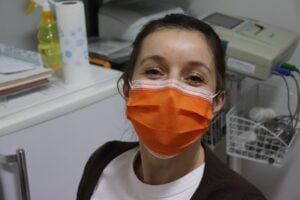
Health authorities have advised the use of masks indoors to stop the transmission of the COVID-19 virus.Nurse wearing a surgical mask

Chief Medical Officer Professor Paul Kelly spoke to the media (12 July), warning a “wave of cases and hospitalisations over the next few week” was expected due to the new BA.4 or BA.5 variant.

To combat the new variant, Professor Kelly said:

  • the availability of oral treatments had been increased for people who are at more risk of getting severe disease.
  • the availability of fourth doses of vaccine had been expanded.

Professor Kelly said: “(We’re) reissuing our advice on masks and making sure people are using those indoors now to protect themselves, their family, their loved ones and the community”.  Read Professor Kelly’s comments

ATAGI advised the increased use of masks and antiviral treatment in people diagnosed with COVID-19 when announcing its recommendation to expand the eligibility for the fourth COVID-19 vaccine dose (7 July). Read ATAGI’s advice

Dr Kerry Chant has also urged NSW residents to wear masks when they can’t socially distance. She said residents should be considerate and wear a mask when they enter a shop or a crowded indoor public space. She made the comments in a media conference (5 July). Listen to Dr Chant’s comments

04 May 2022

The National COVID 19 Vaccine Taskforce has made changes to the CVAS ordering and inventory management system which will limit a site’s ability to place an order if they have excess vaccine stock on hand. These changes are assisting the COVID-19 Vaccine Taskforce manage wastage and the equitable distribution of vaccine stock.  

Moving forward, some sites may notice their earliest next order date for one or more vaccines has been extended by a week. These are sites which meet the metrics of high current stock on hand and relatively low administrations as a proportion of their orders (taking into account stock expiry). They will have their next order date extended for one additional week so they can use their excess stock. 

If you have had your next order date extended for an additional week, you will not be able to place an order for this vaccine until your excess stock on hand levels have reduced. It will not impact the other vaccines you are ordering and administering. The taskforce will continue to review your stock levels to ensure you do not have excess stock on hand. 

It’s important all participating practices manage their vaccine stock. You can do this by skipping orders, ordering less than your maximum allocation, or transferring excess stock in line with the stock transfer policy. 

If you have further queries regarding this, please contact a member of the SWSPHN COVID-19 Response Team at covid19@swsphm.com.au  

04 May 2022

ATAGI update following weekly COVID-19 meeting – 27 April 2022 | Australian Government Department of Health


The recommended dose interval for thetwo2 doses of the primary course of mRNA COVID-19 vaccines was previously: 

  • three to six weeks for Comirnaty (Pfizer) 
  • four to six weeks for Spikevax (Moderna) 


ATAGI now recommends the dose interval between primary doses should be extended to eight weeks.


The extended dose interval of eight weeks has been shown to improve the immune response to vaccination and therefore may improve effectiveness. A longer dose interval may also reduce the risk of myocarditis and pericarditis. The longer dose interval is particularly recommended for groups at higher risk of this side effect (those under the age of 40 years). 

The dose interval can be reduced (to a minimum of three weeks for Pfizer or four weeks for Moderna) for people at higher risk of severe COVID-19 (including older adults and people with underlying medical conditions), in an outbreak setting, or prior to international travel. 

If you have further queries regarding this, please contact a member of the SWSPHN COVID-19 Response Team at covid19@swsphm.com.au  

14 April 2022

A booster vaccination adds another layer of protection to keep you and your family safe.

Talk to your family doctor or pharmacist and book your COVID-19 booster today.

Find and book your booster

COVID-19 Booster FAQs

The information on this page has been reproduced from South Western Sydney Local Health District’s COVID-19 Booster Information flier.


What is a COVID-19 booster? 

A COVID-19 booster is an extra dose of the COVID-19 vaccine given to increase protection against coronavirus disease. Health experts recommend that everyone aged 16 years and over should have a COVID-19 booster, so that they are “up-to-date” with their COVID-19 vaccination.


The booster dose is voluntary, so why should l have it? 

COVID-19 booster vaccines are not mandatory, however, they are highly recommended to better protect you, your loved ones and your community against COVID-19.
Immunity against COVID-19 drops over time, which means the risk of getting the virus increases. A booster dose strengthens your immune system, reducing your risk of  
serious illness. 

The Omicron variant spreads very easily, and can cause serious illness or death, so it’s important to get extra protection from a booster vaccine. This is especially important as we head towards winter, when the risk of COVID-19 spread increases. 

Having higher antibody levels in your blood also means you will be less infectious if you do catch COVID-19. This lowers the risk of you spreading the virus to your family, friends and others.

Getting a booster is very important if you are over 50, are pregnant, or have underlying medical conditions such as heart disease, lung disease, cancer or diabetes, as you are more at risk of  serious illness from the virus.


Why do we now need three doses instead of two doses? 

The Omicron variant is better at getting past your immune system – infecting you and spreading infection to others. 

A third vaccine dose boosts your protection against COVID-19. If you do catch the virus, the booster dose will keep you safe from serious illness, and help keep you out of hospital. 

You can get a booster if you are aged 16 years and over and it has been three months or more since your second dose.


Is the booster shot a stronger vaccine? 

The booster dose is not stronger – it is the same as the first and second vaccine doses. 

The extra dose helps your body’s immune system to remember how to fight the virus.

The booster vaccines used most often are either the Pfizer or the Moderna vaccine. Novavax can also be used as a booster for those 18 years old and above.


Are the side effects from a booster different to the first two doses? 

You may get mild side effects after getting your booster dose, very similar to those after the first or second vaccine doses.

They can include a sore arm, mild fever, muscle aches or feeling tired, lasting a day or two at most. 

Many people experience no side effects at all from COVID vaccines.

Talk to your GP if you are worried.


I have had COVID-19 before, should I still get a booster dose? 

Yes, it is highly recommended you have the booster dose even if you’ve had COVID-19. This will give you better protection, for a longer time.

You can get a booster vaccination once you have fully recovered from the virus. For most people this is around 4-6 weeks after infection.

Get your booster as soon as you’re eligible. Check your booster eligibility on the NSW Government website.


What if I have more questions? 

If you have any questions or would like to discuss your booster further, please talk to your local doctor, or local pharmacist.

You can also call the National Coronavirus Helpline on 1800 020 080 (choose  option 8 for a free interpreter). Otherwise, for an interpreter call TIS on 131 450.


Visit the COVID-19 section of this website for testing locations and more.

07 April 2022

The multilingual COVID-19 Telephone Support line can assist with

  • COVID-19 vaccination bookings 
  • Information about boosters and vaccination for children
  • Managing COVID-19 safely at home
  • Using Rapid Antigen Tests (RAT)

Support is offered in these languages:

  • Arabic
  • Assyrian
  • Bosnian
  • Croatian
  • Dari
  • Dinka
  • Hazaragi
  • Lao
  • Serbian
  • Spanish
  • Tamil
  • Vietnamese

Call 1800 845 198

Available in NSW Monday to Friday between 9am and 4pm.


This service is a STARTTS Project, with funding provided by NSW Government.

22 March 2022

Healthcare providers are invited to participate in a research study conducted by the Department of General Practice, School of Medicine, Western Sydney University in partnership with 10 Primary Health Networks (PHNs) in NSW.

The purpose of the research is to understand the experiences of PHN staff in providing support to primary healthcare providers during the 2021 COVID-19 outbreak, and also the experiences of primary healthcare providers receiving that support.

The following link will take you to a survey which requires about five to 10 minutes to complete.

Take the survey

When you access the survey, you will be presented with participant information including consent. You will have the option of completing the survey anonymously but can choose to provide your name and contact details to be entered in a draw for a $100 shopping voucher.

Your experiences and perspectives are important to the study and we would appreciate your participation.

If you would like more information, you can contact the Lead Researcher from Western Sydney University, Dr Phyllis Lau at Phyllis.Lau@westernsydney.edu.au before deciding whether or not to participate.

22 February 2022

With the uptake of COVID-19 boosters in NSW sitting at just over 51 per cent of the population, GPs can help encourage patients to get their vaccination boosters by:


Alleviating concerns about the safety of the booster dose

According to AusVaxSafety, an NCIRS-led collaboration, the number of adverse reactions to the booster of those who completed their survey was less than the number of adverse reactions reported to the second dose.

Read more


Highlighting the benefits of a booster dose

A booster dose will make sure the protection from the first two doses is even stronger and longer lasting, and should help prevent spread of the virus.

The booster dose will:

  • protect you against severe illness and death from COVID-19
  • prevent complications such as ‘long COVID’
  • protect people who can’t be vaccinated due to medical conditions
  • slow the spread of the virus
  • keep hospitalisation rates at a level our health system can cope with

Read booster vaccine advice


Ensuring they know catching COVID does not give you lasting immunity

People who have had COVID-19 and recovered should still be vaccinated. The protection someone gains from having COVID-19 varies from person to person. In addition, experts don’t yet know how long any natural immunity might last give it is a new virus. Vaccination is also important to protect people from severe disease.

Read Is it True?


Providing information about COVD vaccination in different languages

Information about COVID-19 vaccines has been translated into many different languages. This information is available on the Department of Health website.

Access the translations

05 January 2022

On this page you will find an updated definition of ‘Close Contact’, as well as other helpful resources about the COVID-19 pandemic.


Updated 5 January 2022

Close Contact and information for people exposed to COVID-19 

The definition of ‘Close Contact’ has recently been changed by the NSW Government.

If you are told by someone that you have been in contact with a person who has COVID-19, use the advice below to understand your risk and what you can do to protect yourself, your family and your community.

You may not receive a text message or call from NSW Health after being exposed to a person with COVID-19.


COVID-19 and your risk

Your risk of getting COVID-19 will be based on the type of contact you have had with a person who has tested positive to COVID-19. You are at risk of developing COVID-19 in the 14 days after you were last in contact with someone with the virus.

When thinking about your testing and isolation requirements, it is important to think about your own personal circumstances. This includes the risk you could be to people you live or work with, and anyone you may visit.

The following table will help you identify who is at most risk of COVID-19 and what to do if you’re told you’ve been in contact with someone with COVID-19:

About you Your risk What do I need to do?

I live with someone who has COVID-19.

High

Follow the Self-Isolation Guideline and self-isolate for 7 days from the last time you had contact with the COVID-positive person.

Get a PCR test as soon as possible.

Do a Rapid Antigen Test (RAT) on day 6. If both tests are negative, you can leave isolation after 7 days.

Follow Testing Positive for COVID-19 advice if you’ve tested positive.

I spent a long time in an enclosed space with someone who has COVID-19.

High

Self-isolate for 7 days from the last time you had contact with the positive person.

Get a PCR test as soon as possible.

Do a RAT on day 6 before leaving isolation. If this returns a positive result, or you have symptoms of COVID-19, get a PDR test.

I spent some time with a person who has COVID-19.

Medium

If you do not have symptoms, it is recommended you do a RAT.

If you have a positive RAT, get a PCR test and isolate until you get a negative result.

I had distanced or brief contact with a person who has COVID-19.

Low

​Monitor for symptoms.

If you notice symptoms, get a PCR test immediately and self-isolate until you get a negative result.


Further reading:


Call the National Coronavirus Helpline on 1800 020 080

Call this line if you have any question about COVID-19. The line operates 24 hours a day, seven days a week.

People who do not speak English can access translating and interpreting services by calling 131 450.