22 January 2026

As a mother of four, Jessica Kew knows only too well how important it is for women to be active participants in their pregnancy and childbirth journey – feeling informed, in control and supported, with their choices heard, respected and honoured throughout. 

It’s one of the reasons why the Ruse resident is an advocate of the Antenatal Shared Care (ANSC) program which is available across South Western Sydney to women who are likely to have an uncomplicated or low risk pregnancy. 

Jessica was pregnant with her second child when one of the midwives at the antenatal clinic mentioned ANSC was an option.  

“She asked if I would like to access GP shared care and gave me all the information, so I was able to go through the rest of my pregnancy with my own GP, as she is a provider of ANSC,” Jessica explained. 

“From then on, with each of my next three pregnancies, I always asked and made sure I was able to access ANSC with the same GP. It meant I was able to keep seeing the same doctor who knew me and was familiar with my health and pregnancies right from the start. 

“Also, I didn’t have to attend the hospital as often which made it much more convenient with juggling work, kids, schedules, sicknesses and just life in general. That, in turn, made my pregnancies a little less stressful and I could keep up with what was needed.” 

Jessica said ANSC worked well because her GP followed the shared care plan provided by the hospital. The care plan meant her GP appointments could be easily organised and timed around the required visits at the hospital’s antenatal clinic.  

“The antenatal clinic would then just follow up the scan or test results to make sure I had completed the things they needed to keep up to date with my care,’’ she said. 

Jessica said the care she received by choosing ANSC for her last three pregnancies “was completely different” to her first.  

“I was able to have a more personal connection with my GP than when attending the antenatal clinic only,” she said. This connection allowed her to communicate her concerns and preferences, and she went on to choose caesarean births for her second, third and fourth baby’s arrival. 

“At the clinic, you’re seeing someone new each time, so you always feel like you’re starting the process from scratch. I was able to ask more personal questions because I felt comfortable.  

“We had a better understanding each time we went in for my elective caesareans, compared to my first pregnancy when I experienced a tear and post-operation complications due to the unexpected size of my baby. We were able to avoid any of that in the next three births, thanks to the more informative growth scans in the lead up.”  

Jessica said she would recommend the ANSC service to anyone who was eligible to access it.  

“It was one of the best things I did with my pregnancy healthcare and made it much easier to manage and enjoy alongside my actual pregnancy.’’ 

Find out more

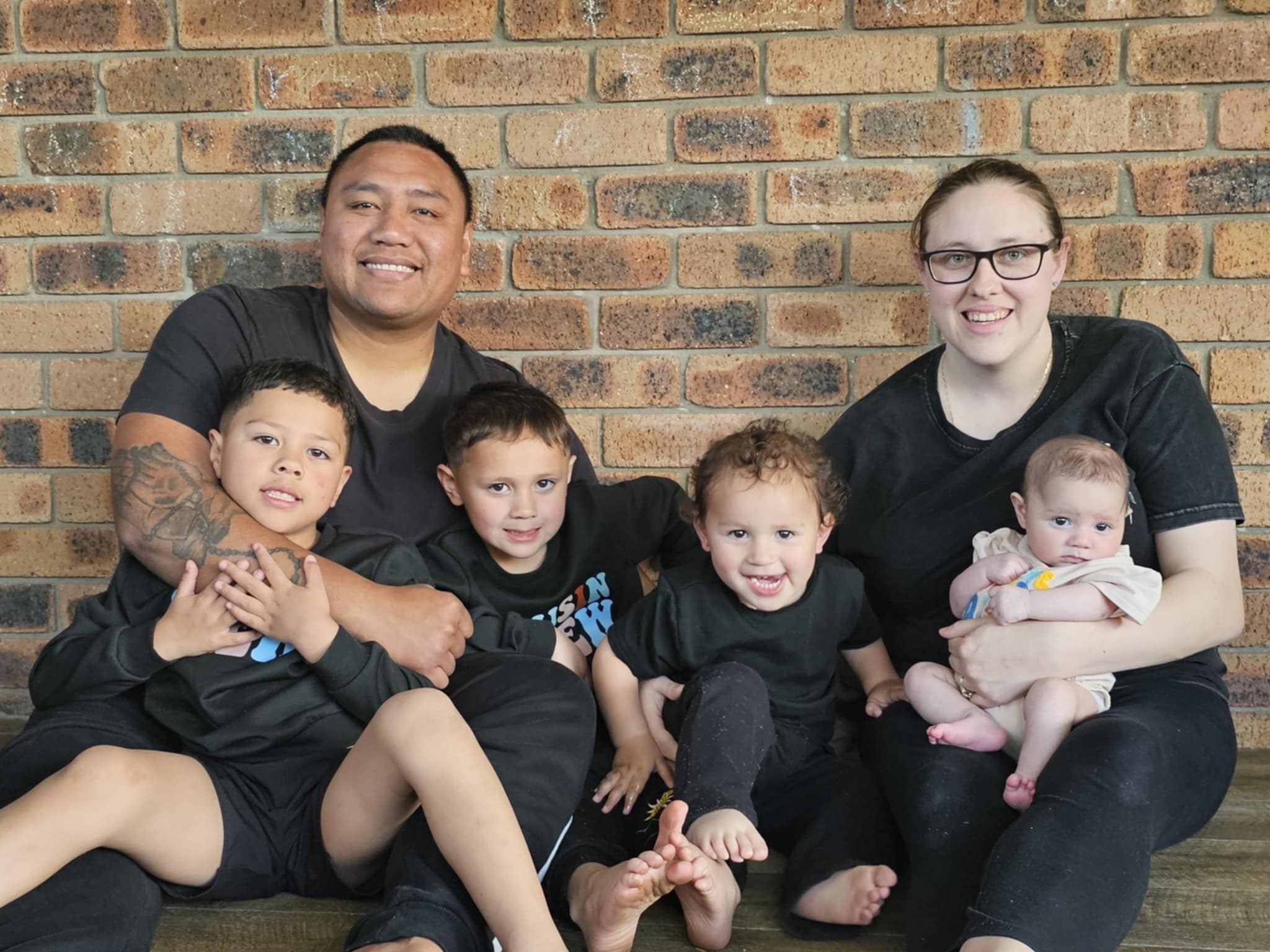
Pictured above: Jessica Kew with partner George and children (from left) Samuel, 5, Noah, 4, Aiden, 2, and Grace, five months. 

 
14 January 2026

antenatal shared care

Antenatal Shared Care providers are required to complete three hours of eligible education per year to maintain their ANSC registration.

When you attend a SWSPHN-run CPD event, your hours will be recorded with the RACGP as well as SWSPHN’s ANSC records, on your behalf. For CPD events external to SWSPHN, you are encouraged to email CPD evidence to ansc@swsphn.com.au.


Eligible Antenatal Shared Care education activities are pregnancy-specific

Education hours can be recorded across different types of activities, for example, as a combination of educational activities and involvement on a relevant committee.  If using an activity which does not provide a completion certificate, please provide evidence such as minutes or reflections from learnings, and include the ANSC education hours being claimed in your personal records.


Relevant SWSPHN CPD events

Upcoming Antenatal Shared Care education activities are promoted in Baby Monitor – the newsletter for ANSC providers. A CPD event email is also sent to all South Western Sydney-based GPs every Friday morning. This email shares RACGP-approved CPD activities.

GPs may also check the CPD events calendar on our website for upcoming SWSPHN-run events.


Sample of Antenatal Shared Care education activity topics

To ensure the relevance of any education activity, GPs should consult the list of approved ANSC topics below.

  • Anueploidy and early pregnancy screening (including NIPT, NT, cFTS, pre-eclampsia screening)
  • Breastfeeding and infant feeding
  • Early pregnancy complications (including miscarriage, molar, ectopic pregnancies, hyperemesis)
  • Gestational diabetes
  • Hypertension and preeclampsia in pregnancy
  • Immediate postnatal period
  • Immunisation schedule
  • Labour and birth pain relief options in labour, non-pharmacological options for labour, positions for labour and birth, modes of birth, perineal tears and preventative strategies
  • LGTBQIA: inclusivity for people having babies
  • Medical termination of pregnancy (MTOP) and contraception
  • Newborn behaviours including sleep, settling, and safe sleeping
  • Newborn check
  • Preconception: genetic carrier screening (preconception or during pregnancy – not paediatric), problem solving, assisted reproductive therapies, subfertility for women and men
  • Psychosocial: mental health (anxiety and/or depression during pregnancy), domestic violence, homelessness amongst pregnant women, substance use
  • Safety and exposure to medications during pregnancy
  • Sexually transmitted infections and diseases and pregnancy impacts
  • Sudden Unexpected Death in Infancy (SUDI)/Sudden Infant Death Syndrome (SIDS)
  • Supporting women and families after a perinatal loss (miscarriage, stillbirth or neonatal death)
  • Surviving the first six weeks


Useful links

More about SWSPHN CPD events
About Antenatal Shared Care program – information for GPs
Baby Monitor archive
HealthChat


Get in touch 

Contact the SWSPHN ANSC team at ANSC@swsphn.com.au

For any clinical questions, please reach out to the Clinical Midwife Consultants of the program at SWSLHD-CMCGPSC@health.nsw.gov.au


The Antenatal Shared Care program is supported jointly by South Western Sydney Local Health District (SWSLHD) and South Western Sydney PHN (SWSPHN).


14 October 2025

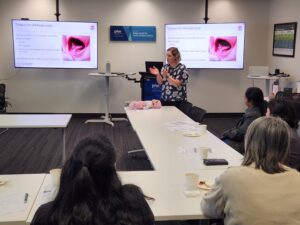
Recognised Antenatal Shared Care providers were given the opportunity for hands-on experience at an ANSC Skills Day presented by SWSPHN last Wednesday, 8 October.

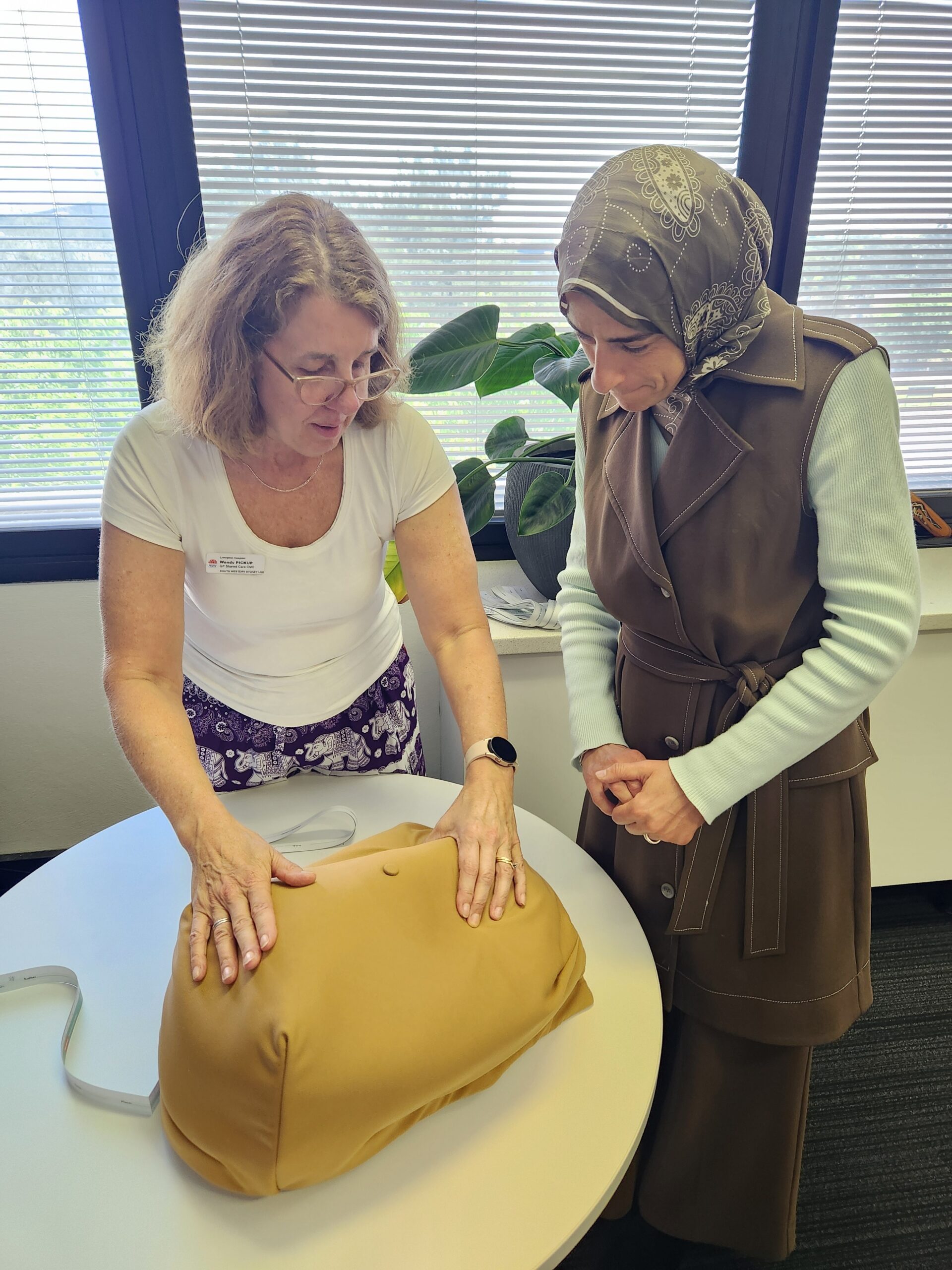
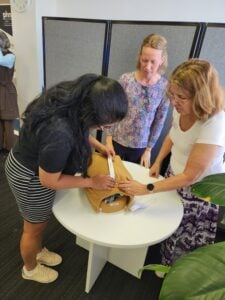
GPs who attended had the chance to enhance their practical antenatal skills, including abdominal palpation, using a simulation mannequin.

They were given an update on aneuploidy screening and the appropriate escalation process when deviations from normal are identified during pregnancy.

A talk on lactation principles covered how to address infant feeding concerns with the aim of empowering ANSC providers to better support postnatal women in their lactation journey.

Presenters on the day included Professor of Obstetrics and Gynaecology at Western Sydney University Jon Hyett. Professor Hyett is also a clinical academic specialist in obstetrics and maternal fetal medicine based within South Western Sydney LHD (SWSLHD) and leads the newly established Academic Obstetric Research Group at the Ingham Institute.  

He was joined by international board-certified lactation consultant and clinical midwife consultant at SWSLHD Amanda Ritchie, along with clinical midwife consultants for the South Western Sydney GP Antenatal Shared Care Program, Rebecca Bedding and Wendy Pickup. They gave an update on ANSC in South Western Sydney, including recent changes in gestational diabetes mellitus assessment requirements.

Participants at the workshop praised the high level of information given and enjoyed the opportunity for face-to-face interaction and demonstrations of practical skills.

Further skills days are planned for 2026 and will be shared on our CPD page.

ANSC providers are reminded to renew their registration by 31 October to maintain their provider status for 2026.


This article appeared in Practice Pulse on Wednesday, 15 September 2025. If you are a GP, practice nurse or practice manager in South Western Sydney and do not get the weekly Practice Pulse email, speak to your Practice Support Officer.

13 May 2025

Local midwives Wendy Pickup and Rebecca Bedding are passionate about collaborative care, and for them, GPs play a vital role in the maternity journey.

As Clinical Midwife Consultants (CMC) and GP Liaison Officers of the Antenatal Shared Care (ANSC) program, they provide expertise and support to GPs providing antenatal care.

ANSC is a program designed to provide recognised GPs with the tools and support to deliver consistent and high-quality care for low-risk patients. It allows women to receive the majority of their pregnancy care with their own GP, ensuring continuity and comfort throughout their pregnancy and beyond.

ANSC providers in South Western Sydney also have access to a range of helpful resources, including the quarterly Baby Monitor newsletter, protocols, guidelines, patient and clinical resources, and interactive case studies.

Wendy and Rebecca coordinate the ANSC program, providing support to GPs through: 

  • orientation and onboarding 
  • clinical updates and resources 
  • ongoing communication throughout pregnancy 
  • providing professional development opportunities 

“We guide GPs on what to do, when to do it, and how — from the first booking all the way to birth,” Rebecca said. “We’re there every step of the way.” 

But the ANSC program is about more than just paperwork. It also focuses on cultural safety and understanding the local community. 

“South Western Sydney is an incredibly diverse area, and we care for women of all cultural backgrounds and religions,” Wendy said. “GPs often know their communities best, and we build on this knowledge to deliver the best care.” 

Midwives connect with GPs around 36 weeks to make sure everything is on track for the patient, helping ensure a smooth handover before birth. 

“This collaboration helps create better outcomes and a better experience for women, both during and after their pregnancy,” Rebecca said. 

Want to get involved in ANSC? 
Email swslhd-cmcgpsc@health.nsw.gov.au to learn more about shared care pathways in your region. 

Visit our website to find out more about antenatal shared care 


06 May 2025

Expectant mothers looking for comfort, convenience and continuity of care during their pregnancy can access the GP Antenatal Shared Care (ANSC) program which is available across South Western Sydney to women who are likely to have an uncomplicated or low risk pregnancy.

Through the ANSC program, the patient’s GP and local public hospital work together to provide care before and after their baby is born. Patients see their GP for most of their care before their baby is born. During birth, hospital midwives and doctors provide care. The GP takes over care again after the baby is born.


The program aims to:

  • provide flexibility, choice and continuity of care through pregnancy
  • cater for the preferences and needs of women from various cultural backgrounds
  • make it easy for the GP and local hospital to work together to support pregnancy care
  • ensure continuity of care throughout pregnancy and afterwards


The benefits for expecting mothers are:

  • continuity of care: women are provided with ongoing care throughout pregnancy and afterwards
  • comprehensive care: GPs know their patient and have all their medical records available
  • flexibility: the option for GP appointments after work or on weekends
  • fewer trips to the hospital: hospitals are often not as convenient to get to as a GP, and waiting times are often not as long

The ANSC program has been a SWSPHN and South Western Sydney Local Health District (SWSLHD) partnership for more than 16 years. It runs across Bankstown, Liverpool, Camden, Campbelltown, Fairfield and Bowral hospitals, and over 220 local GPs are registered ANSC providers.

How to access

To access the ANSC program, patients should ask their GP if they are a recognised antenatal shared care provider. If not, the SWSLHD’s clinical midwife consultant liaison can help. Call 0484 627 228, Monday to Friday, or email swslhd-cmcgpsc@health.nsw.gov.au.

11 February 2025

As part of the Respiratory Syncytial Virus (RSV) Prevention Program, NSW Health has made the Abrysvo vaccine available for women who are 28 to 36 weeks pregnant (in effect from Monday, 3 February 2025).

The program aims to protect newborn and at-risk infants against RSV and reduce RSV-associated infections and hospitalisations.

The Abrysvo vaccine helps protect newborn babies from severe RSV in the first six months of life through the transfer of maternal antibodies to the foetus during pregnancy. It remains the only RSV vaccine approved for use in pregnant women.

GPs can download the fact sheet for recommendations on timing, where to find clinical decision aids, ordering supplies and reporting in the Australian Immunisation Register (AIR) and “yellow” antenatal card.

NSW RSV Prevention Program poster

A poster with key points of the NSW RSV Prevention Program, compiled by the SWSLHD Antenatal GPSC Clinical Midwife Consultant.

Respiratory syncytial virus maternal vaccination program information and resources

A list of resources relevant to the respiratory syncytial virus maternal vaccination program are listed below.


Australian Government Department of Health and Aged Care

National Immunisation Program schedule

Immunisation for pregnancy

Respiratory syncytial virus (RSV) infection

Australian immunisation Handbook, Respiratory syncytial virus

Respiratory syncytial virus (RSV) vaccine – Frequently Asked Questions

Respiratory syncytial virus (RSV) vaccine consumer fact sheet

Maternal vaccinations consumer brochure (can be ordered)

Respiratory syncytial virus (RSV) products – Program advice for health professionals

CMO letter

Following vaccination – what to expect and what to do


National Centre of Immunisation Research and Surveillance (NCIRS)

Respiratory syncytial virus (RSV) immunisation landing page

Respiratory syncytial virus (RSV): Frequently asked questions (FAQs)

RSV immunisation products – evaluation and expected access

RSV immunisation products – efficacy and safety

NCIRS webinar recording (6 February 2025): Australian RSV immunisation update – new funded programs for infant protection

NCIRS clinical guidance on RSV immunisation product administration errors

RSV vaccine safety data – AusVaxSafety

State and territory nirsevimab (Beyfortus) infant program summary 2025

Vaccine recommendations for pregnant women – a guide for health professionals

Sharing Knowledge About Immunisation (SKAI) – Pregnancy and newborn vaccinations


NSW Health

Immunisation schedule

NSW RSV Prevention Program – Information for health professionals

NSW RSV Prevention Program – Information for parents and carers

Letter to health professionals


24 June 2025 update: New resources made available

Community Campaign Kit  includes information about RSV and links to printable resources

RSV expert video with Dr Linny Kimly Phuong a health expert video explaining maternal vaccines

A powerful case study video Bre O’Brien speaks about her daughter’s experience with RSV and the importance of being vaccinated

31 August 2023

The Department of Health and Aged Care’s Pregnancy Support Counselling initiative provides for Medicare benefits to be paid for non-directive pregnancy support counselling services provided to a person who is:

  • pregnant; or
  • has been pregnant in the preceding 12 months

GPs are eligible to bill once they have completed the required course.

Non-directive counselling

Non-directive counselling is a form of counselling based on the understanding that, in many situations, people can resolve their own problems without being provided with a solution by the counsellor.

The counsellor’s role is to encourage the person to express their feelings but not suggest what decision the person should make.

By listening and reflecting back what the person reveals to them, the counsellor helps them to explore and understand their feelings.

With this understanding, the person is able to make the decision which is best for them.

The service involves the GP undertaking a safe, confidential process which helps the patient explore concerns they have about a current pregnancy or a pregnancy which occurred in the preceding 12 months.

This includes providing, on request, unbiased, evidence-based information about all options and services available to the patient.

Minimum requirements

Non-directive counselling may only be provided by a GP who has completed appropriate non-directive pregnancy counselling training.

Please see below for further information:

Available courses accessible via gplearning (gpl.racgp.org.au). A login is required:

16 May 2023

South Western Sydney Local Health District (SWSLHD) Maternity Services is undertaking the Antenatal Redesign Project to improve the provision of safe, equitable care which is accessible to all women, and broaden the implementation of first trimester screening.

The project team would like to hear from GPs about their experiences with antenatal shared care and ideas on how to improve systems and processes between GPs and local hospitals.

Feedback can be given via an online focus group or a one-on-one interview.

Three working parties have been established as part of the project, and each include GPs from across the region.

The first working party is focused on consumer information and engagement, with the priority being women receiving timely and culturally specific information.

The second working party has an emphasis on the referral processes, with the last working party focusing on the coordination of first trimester screening for all women in SWSLHD.

Online focus groups sessions will be held on:

  • Monday, 22 May: 30pm to 1.30pm
  • Wednesday, 24 May: 12.30pm to 1.30pm
  • Monday, 29 May: 7pm to 8pm
  • Friday, 9 June: 12.30pm to 1.30pm

If you have any questions about the focus groups or would like to be involved, please contact Nicole Grieg – Antenatal Redesign Project Manager – via Nicole.grieg@health.nsw.gov.au or 0419 440 943.

23 March 2023

We’re looking into women’s experiences accessing pregnancy care via GP shared care in South Western Sydney.

In the last 12 months have you:

Had pregnancy care in South Western Sydney with a GP?

AND

Given birth in a South Western Sydney public hospital?

If so, we would like to hear from you.

Download flyer to find out more
27 February 2023

Baked goods from grateful patients is one of the perks of being a GP in Bowral, according to Highlands General Practice’s Dr Harshinie Jayamanna. Dr Jayamanna’s particular interests are paediatric and palliative care. She is also an accredited Antenatal Shared Care provider.

How long have you been a GP and how long have you been practising in the Southern Highlands/Bowral LGA?

I’ve been a GP for four-and-a-half years, and in the Southern Highlands for the same amount of time, including three-and-a-half years at Highlands General Practice in Bowral. I now also work at Schwarz Family Practice in Elderslie.

When/why did you decide you wanted to become a GP?

I had always wanted to do obstetrics and gynaecology, but changed to anaesthesiology, which I did for 13 years back home in Sri Lanka.

But when you see a patient in hospital, you’re always saying ‘follow up with your GP’ and you never see them again. GPs are able to provide more comprehensive care. The patients come to their GP, and you are able to coordinate their care. As a GP, you get to know the person and what’s happening around them, you see whole families.

I like antenatal care. I see mothers and babies for things like vaccinations. Many of my first patients are four years old now. It’s amazing to see.

Being a GP is so community focused, you make connections with people and feel like you are doing something positive for them, that you can save a life. I liked hospital work as well, but as a GP you provide broader care and look after the whole person,

What do you love most about being a GP/what part of the job gives you the most satisfaction?

Seeing patients getting better, especially children – you know when they’re better, they’re really better, they can’t pretend to be ill.

I like paediatrics most, I feel very comfortable looking after children and delivering things like vaccines. I also like to provide chronic care. I’d say my main interests are paediatrics and palliative care.

I also enjoy engaging with lots of different people.

Bowral is a very special community, everyone knows everyone. You link in well with the hospital and the specialists are very helpful – they are just one call away with advice if you are stuck with something.

I’ve been with Schwarz Family Practice since December and it’s also a lovely place to work.

The whole team is friendly and helpful, and it’s easy to work when everyone agrees with the current Australian recommendations, especially when it comes to prescribing medications (S8).

What is the most important thing you/your practice contributes to this community?

Chronic disease management is well co-ordinated at our practice. We have a special nurse specifically for chronic disease management. It’s very comprehensive, so we won’t miss anything.

What do you like to do in your spare time?

I like to spend time with my children.

I like cooking and entertaining guests. I like reading, cycling with my children when with the weather permits, and I love to travel, not that I’ve done that during the last three years.

What do you love most about Southern Highlands/Bowral?

The area! The community is very friendly.

There’s an older population here, although that’s changing now because people are moving into rural areas like Bowral because of COVID and I’m getting to see lots of new families.

I especially like caring for the older population of Bowral, they’re really lovely and do things like baking for us all the time and sending cards.

I’ve found Schwartz to be a similar practice.

What advice do you give your patients about maintaining good health?

Eat healthy and exercise.

I say to young people, avoid dangerous, risky activities. Things like vaping. We have lots of young people coming in who don’t know how to stop.

I also say talk to your GP, especially about things like your mental health, we are always here to help.