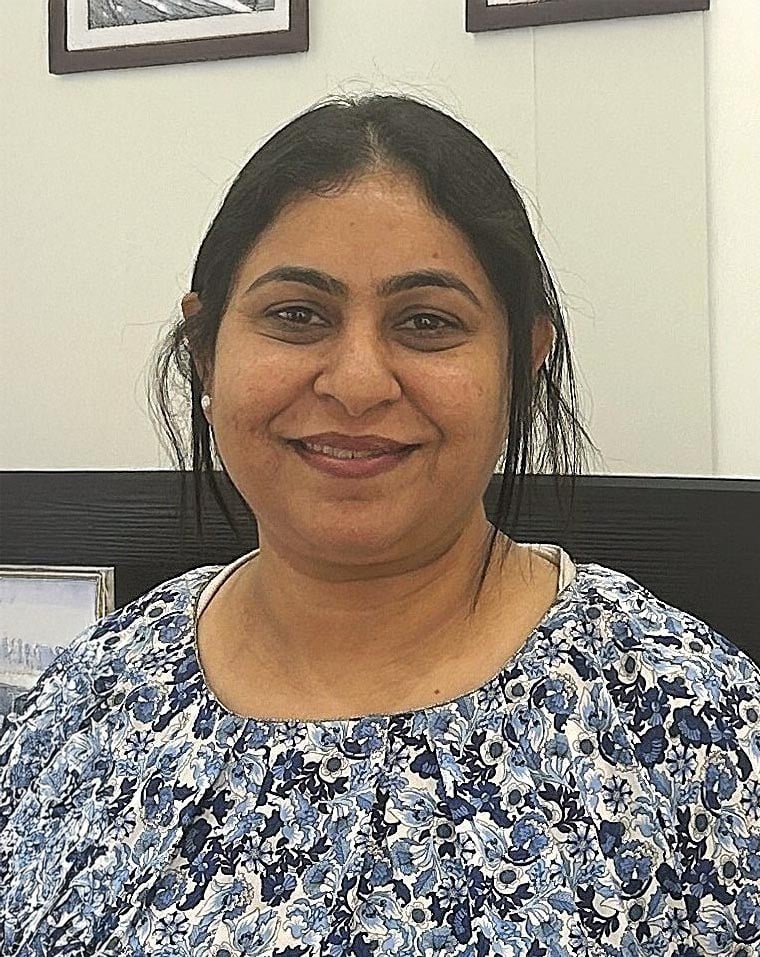
As the practice manager at Wilton Doctors Medical Centre, Iffat Aziz wears many hats. She was drawn to rural healthcare due to the opportunity to make an impact on the community and is proud of the role her team plays in keeping local residents healthy.
How long have you been a practice manager?
I have been in the role of practice manager since our opening in November 2020, so I have worked in the region for almost five years.
What was the career path which led you here?
I started my career working in general practice reception and medical billing. Over time, I moved into operations and compliance, then naturally progressed into practice management. I was drawn to rural healthcare for the opportunity to make a meaningful impact in smaller, growing communities.
Why did you decide to work in primary care?
Primary care is the frontline of our health system. It’s where prevention, early intervention and community connections happen. I wanted to be part of a team which doesn’t just treat illness but promotes long-term health and wellbeing for individuals and families.
Tell us about the role of practice managers in primary care? For example, what are your day-to-day responsibilities?
Practice managers are the engine room of general practice. My day-to-day responsibilities include staff rostering and HR management; billing, Medicare compliance and financial oversight; ensuring smooth clinical operations and patient flow; managing appointments, recalls and reporting; overseeing accreditation, infection control and policies; liaising with health authorities like SWSPHN; and supporting the GPs, nurses, allied health and reception team. In short, we work behind the scenes to keep the practice running smoothly so clinicians can focus on care.
How does your role complement the role of the other health professionals in your practice?
I ensure our clinical team – doctors, nurses and allied health professionals – can operate efficiently without being burdened by administrative or logistical issues. My role is to remove barriers, support their compliance needs and facilitate communication, so they can do what they do best: care for patients.
What do you find the most fulfilling about your role?
Seeing real improvements in patient outcomes, especially in chronic disease management and preventive health, is very fulfilling. Also, mentoring junior staff and helping them grow into confident team members gives me a strong sense of purpose.
What do you like to do in your spare time?
Outside of work I enjoy gardening, cooking, weekend markets and spending time with family.
What do you like most about the region in which you work and live?
Wilton offers a wonderful mix of rural peace and growing infrastructure. The sense of community is strong here and families are really engaged in their health. It’s also refreshing to work in a place where you really get to know your patients and their stories.
What motivates you to work in our region?
The motivation comes from seeing first-hand the health gaps rural communities face and being part of the solution. I enjoy working with SWSPHN and local services to address access barriers and health literacy issues. There’s a genuine opportunity to make a difference here.
Do you have any role models and why?
I really admire leaders in rural healthcare who champion team-based care and innovation, even when resources are limited. I’ve been fortunate to work with a few inspiring GPs and practice managers who showed me the value of resilience, adaptability and compassion in this field.
How does your practice – and the people within it –- help to educate the community about maintaining good health?
We’re very active in promoting preventive care and patient education. Our team runs regular health assessments and chronic disease reviews, immunisation reminders and recalls, and education during consults on lifestyle, diet, and mental health. We also collaborate with SWSPHN for outreach campaigns and health initiatives tailored to our local demographics, especially for young families and seniors.
This article appeared in Practice Pulse on Wednesday, 5 November 2025. If you are a GP, practice nurse or practice manager in South Western Sydney and do not get the weekly Practice Pulse email, speak to your Practice Support Officer.