23 March 2023

Amid a worrying spike in syphilis cases, the Australasian Society for HIV, Viral Hepatitis and Sexual Health Medicine (ASHM) has launched an online Syphilis Interactive Tool to guide clinicians through testing and treating syphilis.

The decision-making tool is free and available online, with primary practices encouraged to use the tool in their clinical care. The tool incorporates pathways for diagnosis and treatment in pregnant women, a priority population group of growing concern.

ASHM’s Syphilis Interactive Tool complements existing resources, including the on-demand training module, Syphilis Outbreak Training.

ASHM is encouraging primary care professionals to help combat Australia’s increase in syphilis cases by integrating the Syphilis Interactive Tool into their clinical practice. 

Find out more
22 March 2023

The Women’s Health Centre Southern Highlands at Mittagong has been selected as the site of one of 20 Federal Government-funded Endometriosis and Pelvic Pain Clinics to be established across Australia.

Assistant Minister for Health and Aged Care Ged Kearney announced the clinic sites, with at least one clinic in every state and territory and at a mix of regional and metropolitan locations, this morning (Wednesday, 22 March).

The selected sites will be funded to provide expert, multidisciplinary services and care for women with endometriosis and pelvic pain after demonstrating existing expertise in women’s health.

  • Endometriosis affects at least one in nine Australian women and can have an extensive, devastating impact on the daily lives of sufferers. With those suffering waiting on average of seven years before diagnosis.
  • Pelvic pain can be similarly complex and debilitating, with the impact being felt beyond individuals as it is estimated to cost the Australian economy $6 billion a year.

The clinics will each receive more than $700,000 over four years to support hiring specialised staff, including nurse practitioners and allied health professionals, investment in equipment or fit-outs such as pelvic physiotherapy areas, as well as resources, training and development.

Working in existing general practices, the clinics will strengthen what is often the first point of contact in the health system to reduce diagnostic delays and promote early access to multi-disciplinary intervention, care and treatment. 

As well as directly helping patients, the clinics will raise awareness of endometriosis and pelvic pain, build professional knowledge and skills in this area, and improve access to information and care pathways.

Minister Kearney said the clinics were about providing women with an accessible front door to the care they need.

“Gathering expertise under one roof, fostering that knowledge to improve diagnosis and services, having referral pathways in place – these are all crucial elements to getting the support that women need right,” she said.

“Too many women suffer for years with what we know can be debilitating conditions. They deserve to have their concerns be taken seriously with better access to specialised care.”

Full list of clinic sites
16 February 2023

You are invited to a health forum to promote International Day of Zero Tolerance for Female Genital Mutilation/Cutting.

The theme for this forum is: Partnering with men and boys to transform social and gender norms to end FGM.

When: Tuesday, 28 February 2023, from 11am to 1pm

Where: Westmead education and conference centre. Level 1 Education block L1.02 Cabaret
Cnr Hawksbury and Darcy Roads, Westmead.


Speakers include:

  • Nesrin Varol Clinical Associate Professor at Sydney Medical School: “Health consequences of FGM on women/girls”.
  • Dr Ngatho Mugo, NSW Health “Make your voice heard: understanding men’s perceptions, views and opinions about FGM”.
  • Mr Vedi Kurnia Buana, Consulate General of Indonesia
  • Q&A led by A/Prof Olayide, Ogunsiji, WSU: “The role of men and boys in the community to stop FGM practise”

This is a free forum and includes light refreshments.

Register online with Eventbrite


For more information please contact:

Dr Ngatho Mugo Community Education Officer: NSW Education program on FGM/C; Mob: 0427360692; E: Ngatho.Mugo@health.nsw.gov.au

Dipti Zachariah Multicultural Health Team Leader, Statewide and Specialist Programs; Mob: 0400524065

30 January 2023

The Youth Health Forum is hosting an online masterclass presented by Jennifer Doggett on Thursday 9 February, 1pm to 3.30pm, on the Australian health system. The forum is an opportunity for young people aged 18 to 30 who are interested in developing a foundational understanding of how our health system works.

Find out more
25 January 2023

Liverpool Genea’s Outreach Clinic has 100 NSW Health-subsidised in-vitro fertilisation treatment (IVF) cycles available to South Western Sydney patients in the first six months of this year.

GPs are being encouraged to take advantage of this opportunity to refer patients struggling to conceive.

Liverpool Genea has a long-standing, consistent reputation for success in IVF treatment (download graph). 

The Royal Prince Alfred (RPA) Fertility Outreach Clinic operating through Liverpool Genea was initiated to support and assist some public patients to continue their IVF treatment during COVID-19 restrictions.

One hundred subsidised cycles remain from this initiative.

South Western Sydney has a high demand for fertility support, however women often need to travel to Westmead or RPA hospitals for public patient access to treatment.   

There are currently four fertility specialists carrying out treatment through Liverpool Genea who have public hospital appointments.

Referrals can be made to the hospital or to the private rooms of each specialist.

Please enquire directly via the contact details below.

18 January 2023

SWSPHN has developed a fact sheet to provide general practices with an update on changes to cancer screening recommendations for Aboriginal and Torres Strait Islander people.

Changes include:

National Cancer Screening Register (NCSR)

The NCSR has released a Healthcare Provider Portal which provides a self-service alternative for healthcare providers to access and submit screening data for the bowel and cervical screening programs.

Cervical cancer screening

Self-collection is now available to all people with a cervix.

Bowel cancer screening

Bowel cancer screening kits can now be ordered in bulk to your practice and distributed directly to patients during consultations.

Breast cancer screening

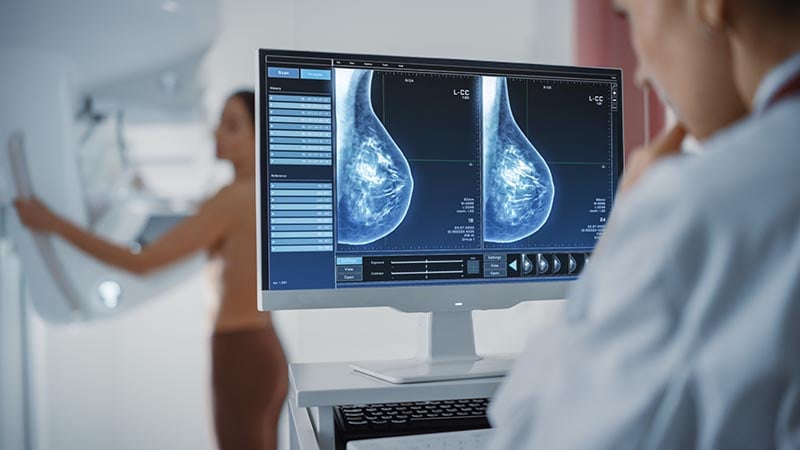
The BreastScreen NSW PUTUWA Project is supporting Aboriginal women to access mammograms from age 40 (previously it was age 50).


National Cancer Screening Register (NCSR)

The NCSR has released a Healthcare Provider Portal which provides a self-service alternative for healthcare providers to access and submit screening data for the bowel and cervical screening programs.

The portal can be integrated into clinical information systems enabling GPs and practice nurses to access and submit data electronically.

It eliminates the need for healthcare providers to contact the National Register via fax, paper and phone, and makes it easier for healthcare providers to submit information.

You can use the National Register in real-time to:

  • order your patient a National Bowel Cancer Screening Program Test Kit (to their home)
  • bulk order National Bowel Cancer Screening Program kits directly to your practice
  • check patient screening histories
  • receive reminders for patients overdue for screening or follow-up
  • check and update patient details
  • manage patient program participation
  • submit information about your patient, such as colonoscopy or colposcopy information
  • nominate other people to assist your patient, including another doctor or a personal representative
Register now
16 January 2023

Did you know you have a choice when it comes to cervical screening?

ACON has launched a new campaign called Own It which aims to empower young women and people with a cervix aged 25 to 35 years to make their Cervical Screening Test their ‘own’, by choosing how to screen.

The campaign is based on the experiences of real people who have overcome barriers to cervical screening by choosing how their Cervical Screening Test is done.

Their choices include self-collection, bringing a friend, inserting the speculum themselves, finding a doctor they can trust, talking to others and educating themselves to address misinformation.

What is cervical cancer?

Cervical cancer is the growth of abnormal cells in the lining of the cervix, the lowest part of the uterus or womb. Most cervical cancers are caused by the human papillomavirus (HPV).

What is the Cervical Screening Test?

The Cervical Screening Test is how we screen for cervical cell changes so they can be monitored or treated to prevent cancer from developing. It’s for anyone with a cervix who has ever been sexually active – regardless of gender identity, sexuality or sexual history.

Who should have a Cervical Screening Test?

If you have a cervix and are aged 25 to 74, you should have a Cervical Screening Test every five years.

More cervical screening options

Everybody attending for a Cervical Screening Test can choose if they would like their clinician to collect their sample or if they would like to collect their own sample. This is called self-collection. Self-collection involves a vaginal / front hole swab. The collection device looks like a long cotton bud.

How do I know when I’m due for my next test?

The National Cancer Screening Register sends invitation letters to start screening when you turn 25 and reminders when your next test is due. The register collects your info from Medicare, so if your name does not match your Medicare card, you can change it in the National Cancer Screening Register by calling them on 1800 627 701.

Find out more about cervical screening and preventing cervical cancer

15 November 2022

A recent safety notice has been released by the Clinical Excellence Commission advising clinicians of rising rates of infectious syphilis and subsequent congenital syphilis cases.

Mother-to-child transmission of syphilis (congenital syphilis) can be devastating, as without treatment over half of cases result in adverse outcomes. The outcomes include preterm birth, low birth weight, congenital anomalies, fetal loss or stillbirth, and neonatal death.

Positive syphilis cases are being seen amongst population groups that were traditionally not considered high risk.

Syphilis can be safely and easily treated with antibiotics during pregnancy.

As a result of the changes in epidemiology, the Chief Health Officer has recommended that all pregnant women are screened twice during pregnancy for syphilis.

Clinical recommendations:

  • Screen all pregnant women for syphilis at least twice during pregnancy (serology at first antenatal visit and again at 26 to 28 weeks)
  • All pregnant women who have received minimal or no antenatal care, or are at risk of missing an appointment, should be opportunistically screened at the service they present at, regardless of gestation.
  • Consult sexual health or infectious disease clinician for all pregnant women with infectious syphilis. Aboriginal women should be offered culturally appropriate referral pathways 
25 August 2022

Have you had a baby in a South Western Sydney hospital in the last 12 months? Did you have publicly available pregnancy care?
We want to hear about your experience.
The project is a partnership between Western Sydney University, SWSPHN and South Western Sydney Local Health District. Ethics approval: ETH00854
Please take the 10 to 15-minute anonymous survey.

SURVEY

 The survey is available in English, Arabic, Hindi and Vietnamese.

Download the survey flyer

16 August 2022

With monkeypox now declared a public health emergency of international concern, we’ve put together this special feature to support you in providing care and information to your patients.

The feature includes information about who’s at risk, symptoms, specimen collection, how far it has already spread, vaccines and treatment, educational webinars and other resources which may be of interest.

What is it?

Monkeypox, also known as MPX, is a disease caused by the monkeypox virus and is part of the same family of viruses as variola virus which causes smallpox. 

It is a viral zoonotic disease which occurs primarily in tropical rainforest areas of Central and West Africa and is occasionally exported to other regions.

Since May 2022, there has been a global increase in MPX infections in multiple countries where the illness is not usually seen.

What are its symptoms?

The symptoms of monkeypox are similar to those of smallpox but are generally milder. They include:

  • fever
  • headache
  • muscle aches
  • backache
  • swollen lymph nodes (swollen glands)
  • chills
  • extreme tiredness

A rash may appear one to five days after the fever starts. Usually the rash begins as flat, red spots, often in the mouth or on the face first. Then the rash spreads to other parts of the body — usually the arms and legs, rather than the trunk. The rash may also appear on the palms and soles, inside the mouth, on the genitals and on the eyes.

Infection can be confirmed by testing a swab collected from the base of a blister from the skin rash.

Find advice on specimen collection and handling

How does it spread?

MPX spreads from one person to another by direct contact with infected bodily fluids such as contact with the sores, or scabs on the skin, or through touching contaminated objects the infected person has used, such as linen or clothes.

It may also be transmitted during close physical contact, including sex.

It can also be spread through prolonged face-to-face contact by inhaling infected respiratory droplets (for example coughing or sneezing close to another person’s face for a length of time).

Who is at risk of monkeypox?

While the current outbreak has disproportionately impacted men who have sex with men, anyone who has been in close and usually prolonged contact with someone with monkeypox is at risk.

What’s it’s status in the world today?

The World Health Organization (WHO) has declared MPX public health emergency of international concern.

According to the Centers for Disease Control and Prevention, as of 15 August 2022 there have been 31,799 confirmed cases of monkeypox reported in 89 countries.

How many cases are there in Australia?

MPX was declared a Communicable Disease Incident of National Significance in Australia in July.

As of 11 August 2022: 

  • There were 70 cases (confirmed and probable) of MPX in Australia, reflecting cases which have been diagnosed in Australia and reported to the National Notifiable Diseases Surveillance System (NNDSS) by states and territories.
  • This includes 33 in NSW, 30 in Victoria, two in the Australian Capital Territory, two in Queensland, two in Western Australia, and one in South Australia.

On 1 June 2022, MPX became a nationally notifiable disease for six months.

GPs, hospitals and laboratories must notify any suspected cases to the local public health unit immediately. Public health unit staff will initiate a public health investigation, contact tracing and control measures.

You can contact the local public health unit on 1300 066 055 for more information.

What vaccines are available?

There are smallpox vaccines available which are thought to be effective against MPX. Vaccines can be given either before or after a person is exposed to the virus but vaccinating before exposure is recommended for the best protection.

There are two vaccines approved for use in Australia: JYNNEOS and ACAM2000.

JYNNEOS is the preferred vaccine for use in Australia because it has fewer side effects than previous smallpox vaccines and can be safely used by all groups of people, including those who are immunocompromised.

How do patients access the vaccines?

There is a globally limited supply of the JYNNEOS vaccine and high international demand.

NSW Health has begun vaccinating people at highest risk from monkeypox with an initial supply of JYNNEOS.

Doctors and other community partners are identifying people who are most at risk from monkeypox to receive a vaccine when the first supplies of vaccine become available.

NSW Health expects to receive a further 30,000 doses at the end of September and 70,000 doses in early 2023. NSW Health will provide more information about eligibility and access to the vaccine at that time.

If you have patients seeking a monkeypox vaccination, they can register their interest online via NSW Health. Please note: completing the form does not guarantee vaccine access.

What treatment is available?

Most people require no, or only supportive, treatment for MPX. This may include simple pain relief. Antiviral treatment may be needed in patients with more severe disease. Guidance on the use of treatments for MPX in Australia is available in the Monkeypox treatment guidelines.

What resources are available to support GPs manage monkeypox patients?

Who do you talk to for more information?

You can call the Public Health Unit on 1300 066 055 for more information.

Webinars

Monkeypox Update

Deputy Chief Medical Officer, Professor Michael Kidd, held a webinar last Wednesday (10 August 2022) to provide general practices with information about monkeypox. The webinar provided key updates and gave participants the opportunity to answer questions.

Watch the webinar

Infection prevention updates

SWSPHN will host a webinar, Infection prevention control updates, for GPs, practice nurse, practice managers and other practice staff, on Thursday, 8 September, 7pm to 8pm.

Presented by microbiologist and infection prevention and control consultant/educator, Margaret Jennings, the webinar will address:

  • The spread of COVID-19’s current Omicron BA4/5 variants, infectivity, the probability of future variants and the new Moderna vaccine due this month (August)
  • Tips for making face-to-face consultations safer, including improved safer air in your clinic, waiting room safety and the correct use of masks
  • Precautions to reduce transmission of influenza and monkeypox
  • A reviewed 5th Edition RACGP IPC Standards ready for late 2022/early 2023

Register for the webinar

Information sources: Department of Health and Ageing; NSW Health; Healthdirect; Department of Health – Victoria