11 October 2022

SWSPHN commissions community-based organisations to deliver services which provide psychosocial support to our community.

This month’s Under the Microscope looks at the causes and impacts of psychosocial ill health, the local services we fund, and how we help primary carers identify when and what support a patient might need.

What is psychosocial health?

Psychosocial health refers to the physical, mental and social wellbeing of a person. Stress from these three areas can interact to cause mental ill health and can impact on a person’s ability to function day-to-day.

What are common causes of stress?

What is stressful for one person may not be for another. However, there are some events and environments which typically cause stress:

  • Changes to family: marriage, pregnancy, death, divorce, a new child
  • Work environment: job change, job loss, promotion, work overload, conflict at work, business failure, employee strike
  • Living environment: new house, relocation to a new community, loss of a home, neighbourhood crime
  • Physical environment or conditions: noise, pollution, traffic, violence, illness, disability, injury, pain, cold, heat, lack of sleep, hunger, malnutrition, natural disaster, unsafe surroundings, physical abuse or neglect
  • Economic environment: poverty, escalating bills, unanticipated expenses, theft
  • Social environment: isolation, family or peer demands, forced separation (such as from military service, prison, abandonment or conflict), grief, emotional abuse or neglect, legal entanglements, bullying, difficult roommates or neighbours
  • Lack of control or the inability to predict situations can add to the stress

How can mental health impact on a person’s life?

Mental ill heaIth may restrict a person’s ability to:

  • be in certain types of environments
  • concentrate
  • have enough stamina to complete tasks
  • cope with time pressures and multiple tasks
  • interact with others
  • understand constructive feedback
  • manage stress

What is the role of SWSPHN?

The Federal Government funds SWSPHN to commission community-based organisations to deliver services which provide psychosocial support.

This support helps:

  • connect people with the clinical care and other services they may need
  • build their capacity in managing day-to-day activities
  • strengthen their social skills, friendships and relationships with family
  • increase their educational, vocational and training skills

What psychosocial services does SWSPHN commission?

Our psychosocial support services are tailored to meet the needs of the South Western Sydney community. Some of the services we fund include:

Connector Hub

Connector Hub supports people living with severe mental illness to achieve their goals and improve wellbeing.

The client works with a recovery support worker and peer worker to develop goals and participate in a range of activities such as:

  • Social activities, outings and connecting people in your community
  • Groups focusing on understanding mental illness, improving physical health, and living the life you want
  • Individual support and assistance
  • Links to services, supports and health professionals which can help
  • Support to reach education, employment end financial goals

People can contact the service directly or be referred by friends, family or healthcare providers.

The Way Back Support Program

The Way Back Support Service provides non-clinical care and practical support to people after a suicide attempt or suicidal crisis.

A support coordinator or peer support worker guides the client through safety planning and a personalised aftercare program for up to three months. This includes connecting them with services to address the issues leading to their distress. This can mean anything from financial advice, to connecting them with community groups or helping them attend healthcare appointments.

Referrals to this service come through the Liverpool and Campbelltown hospital emergency departments.

You in Mind

You in Mind provides up to 12 hours of free support from a mental health professional such as a psychologist or mental health accredited social worker at a time which suits the client.

It is for people with mild to moderate mental health problems/illness and from one of these eligible population groups:

  • Aboriginal and Torres Strait Islander
  • Culturally and Linguistically Diverse groups
  • Residents of Claymore, Airds and the 2168 postcode
  • People living in Wollondilly and Wingecarribee with barriers to using Better Access (Medicare) services
  • LGBTIQA+
  • Older People
  • Financial Disadvantaged
  • Perinatal Depression

OR

  • Diagnosed with a severe and persistent mental illness

People can be referred by their GP.

Alcohol and Other Drug services

SWSPHN funds a number of Alcohol and Other Drug services which work with clients, their families and with GPs to provide withdrawal management, rehabilitation, aftercare and psychosocial counselling for those in need.

These services are delivered by The Salvation Army, St Vincent de Paul Society, Odyssey House, Tharawal Aboriginal Corporation and the Drug and Alcohol Multicultural Education Centre.

If you have questions about the services we commission, or need advice or information about psychosocial health, please contact Mental Health Intake on 1300 797 746.

04 October 2022

The Youth Enhanced Support Service South Western Sydney (YESS SWS), currently being delivered by Uniting, is winding up with youth mental health supports transitioning to a new service in 2023.

Uniting will cease providing the service from February next year and is no longer taking new referrals. The team at Uniting is supporting current clients to move into new care arrangements to ensure minimal disruption to care.

In the meantime South Western Sydney PHN is commissioning new youth services to commence mid-2023. Details on the new service and tender opportunities will be announced in October.

Young people needing mental health support should see their GP and can ask about referrals to any of the programs below.

Headstart, South Western Sydney PHN’s online mental health navigation tool also provides links and details to quality local services.

Headstart can be accessed here: headstart.org.au

You can also contact South Western Sydney Local Health District’s Infant, Child and Adolescent Mental Health Services by visiting their website for your local service.


In an emergency call 000 (Triple 0)

21 September 2022

Mental Health Month each October encourages all of us to think about our mental health and wellbeing, regardless of whether we may have a lived experience of mental illness or not.

It also gives us the opportunity to understand the importance of good mental health in our everyday lives and encourages help seeking behaviours when needed.

Mental Health Month’s theme encourages everyone to “Tune In”.

You can tune in to many things:

  • Tune in to yourself – What can you sense right now? What can you feel?
  • Tune in to others – What might people around you be feeling? How can we connect?
  • Tune in to your community – What is happening that you can be part of, or that you can help others be part of?
  • Tune in to stigma – How do attitudes and understanding of mental health and wellbeing impact on people’s ability to live the lives they want? How can we help?

Find out more about the importance of tuning in on the WayAhead website.

  • SWSPHN funds a range of mental health services to address different levels of need. Visit our website to find out more about these services.
15 September 2022

Students from primary and secondary schools in South Western Sydney are invited to enter South Western Sydney Local Health District’s Five Ways to Wellbeing School’s Creative Project.

The art competition aims to celebrate Mental Health Month in October.

The Five Ways to Wellbeing

The Five Ways to Wellbeing are simple actions people can take in their everyday life to improve their mental wellbeing, and their ability to cope with the ups and downs of life.

The five ways are: Connect, Be Active, Take Notice, Keep Learning, and Give. 

Competition

The aim of the project is to positively promote the Five Ways to Wellbeing. All entries should highlight one or more of the Five Ways to Wellbeing.

Entries can be in any art style, for example painting, collage, drawing, photography.

Prizes

One winner and one highly commended prize will be awarded for each of the five age categories. Winners will win a $50 gift card.

Schools which have more than 50 entries will go in the draw to win one of three $250 vouchers.

Find out how to enter

Download the Teacher’s Guide

Entries close Monday, 24 October 2022.

17 August 2022

On R U OK? Day, Thursday, 8 September, Australians are reminded every day is the day to ask, ‘are you OK?’ and start a conversation whenever they spot the signs someone they care about might be struggling with life.

R U OK? contributes to suicide prevention efforts by encouraging people to invest more time in their personal relationships and building the capacity of informal support networks – friends, family and colleagues – to be alert to those around them, have a conversation if they identify signs of distress or difficulty and connect someone to appropriate support, long before they’re in crisis.

The R U OK? website has a range of useful resources and tips for how to ask ‘R U OK?’.

Find out more

R U OK? has translated a number of key resources you can use, if you or someone you know would prefer to get information in a language other than English.

Access the resources

17 August 2022

The Mental Health Symposium 2022 will highlight a range of innovative local programs, initiatives and supports to address the needs faced within South Western Sydney and work towards improved mental health outcomes.

Hear about exciting approaches in the areas of:

  • Mental health and comorbidities
  • Psychosocial support
  • Regional planning
  • Peer support
  • Engaging with multicultural communities
  • Suicide prevention
  • Disaster recovery
  • Eating disorders
  • Social and emotional wellbeing


Keynote speakers

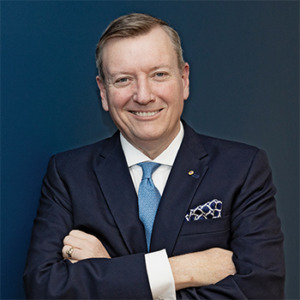
John Brogden AMJohn Brogden AM is the President of LifeLine International and Patron of Lifeline Australia, having served as its Chairman from 2012 to 2021. Lifeline is the Australian equivalent of The Samaritans. He is a leading Australian and international advocate for suicide prevention.

From 1996 to 2005, John was the Member for Pittwater in the New South Wales Parliament. In 2002, he was elected Leader of the Opposition – the youngest person ever to lead a major political party in Australia.

He lives with depression and suicidal ideation and openly shares his story of success, failure and redemption.

Since leaving politics John has moved into financial services and property. He has recently moved from a full-time executive career to join Boards as a Chair and Director, and devote more time to Lifeline and suicide prevention.

In January 2014, John was made a Member of the Order of Australia (AM) for significant service to the community. He holds a Masters of Public Affairs from the University of Sydney and is a Fellow of the Australian Institute of Company Directors. He is married to Lucy Brogden AM and they have three beautiful children.


Anthea Raven

Anthea Raven is the Assistant Secretary of the Mental Health Access Branch within the Mental Health and Suicide Prevention Division, Australian Government Department of Health and Aged Care. The branch delivers a range of policies and programs to improve the lives of people with mental illness. This includes policies and programs to improve access to Medicare subsidised mental health services, deliver targeted mental health services for older Australians, provide psychosocial support to people with complex mental health care needs, and to grow and support the mental health workforce.

Anthea has more than 18 years’ experience in key health and social policy areas of the Australian Public Service including population health, First Nations health, aged care reform and family and children’s services.


Master of Ceremonies  – Adam Holstein 

Adam Holstein MC

Adam Holstein has been working in the community services sector for over 20 years in the areas of Youth Work, Disability Services, Training and Mental Health. He is passionate about mental health issues and actively spreads the word about mental health and suicide awareness at every opportunity he gets via his social media pages and podcast called ‘How You Going Mate?’.


9am to 4pm, Wednesday, 19 Oct 2022
Registrations start from 8:30am

Rydges Campbelltown
15 Old Menangle Rd, Campbelltown

Lunch and light snacks included.

TICKETS SOLD OUT


Plan your trip

Public transport

Ryges Campbelltown is about a 20-minutes walk from Campbelltown Train Station. You can catch a bus from the station to Koshigaya Park, Hurley Street where it will take approximately 7-minutes to walk to Rydges.

Visit  transportnsw.info to plan your trip, or download a Transport NSW travel app


Driving

Free parking is available onsite and near the venue.

Download the event program


Need to contact us?

Jaquie Hiku, Mental Health Intake Officer
Email: jaquie.hiku@swsphn.com.au
Ph: 4632 3011

Kate Johnson, Mental Health Program Advisor
Email: kate.johnson@swsphn.com.au
Ph: 4632 3073

Sophie Mara, Mental Health Intake Officer
Email: sophie.mara@swsphn.com.au
Ph: 4632 3077

Devendra Sapkota, Mental Health Service Navigator
Email: devendra.sapkota@swsphn.com.au
Ph: 4632 3024

17 August 2022

Connector Hub is a free, flexible psychosocial peer support service which offers programs and group-based activities to about 350 people living in South Western Sydney who face severe mental health challenges.


What support does Connector Hub provide?

Connector Hub is free and provides support tailored to the specific needs of the person seeking support.

A recovery support worker and access worker (someone with lived experience of mental health challenges and recovery) work with participants to help them achieve their goals, manage daily tasks, get involved in activities and make connections.

Participants may receive support with finding work, connecting with their community or accessing other health professionals.

The program offers:

  • Community activities – social activities, outings and connecting community members
  • Group support – focusing on understanding the person’s mental illness, improving their physical health and living the life they want
  • Linking – with services, supports and health professionals who can help
  • Reaching goals – support to reach the person’s education, employment and financial goals


How has Connector Hub changed?

Connector Hub underwent some changes last year, including:

  • A minimum of 30 per cent of participants will be given the opportunity to apply for the National Disability Insurance Scheme (NDIS) improving their quality of life and access to valuable services
  • Consumers are now limited to 12 months’ access to Connector Hub services
  • The service’s capacity has increased to 700 participants across the region


Where is Connector Hub provided?

Connector Hub can be accessed anywhere across our region, and Stride (Fairfield) has now joined One Door Mental Health (Campbelltown, Camden, Wollondilly and Wingecarribee) and Flourish (Bankstown and Liverpool) to deliver the services.


Who can access Connector Hub?

People can access the service if they:

  • Live with severe mental illness which cause some difficulties in their everyday life
  • Are aged 18 and over
  • Live in South Western Sydney
  • Are not receiving funding under the National Disability Insurance Scheme (NDIS)


How can someone access Connector Hub?

Anyone can refer an eligible person to the program (with their permission) including:

  • Self-referral
  • Carers, family or friends
  • Health professionals

Refer online and find out more at www.connectorhub.org.au or call 1800 518 216.

22 July 2022

Free Supporting Individuals after Disaster training is available to general practice staff in South Western Sydney. The 90-minute, self-paced online training will provide participants with information about key aspects of Trauma-informed Care including:

  • understanding the impacts of trauma
  • simple strategies to teach trauma-impacted people to
  • help them deal with their distress.
  • how to safely talk about and manage trauma
  • disclosure

Additional optional modules include:

  • Trauma-informed self-care strategies
  • PTSD treatment recommendations

Download this flyer to learn more

20 July 2022

South Western Sydney PHN invites submissions for procurement of a Health Adult Mental Health Centre in Liverpool.


Background

Pop Up Service (in response to COVID-19)

Currently SWSPHN funds two Head to Health Pop Up Hubs which commenced operation on 6 September 2021 as part of the state-wide establishment of the Head to Health Pop up Service in response to COVID-19. These Pop-Up Hubs are located in Bankstown and Liverpool and are funded to December 2022.

A state-wide telephone Initial Assessment and Referral (IAR) service was also established and began operating on 6 September 2021. As at 1 July 2022, this service is available nationally by calling 1800 595 212.

www.headtohealth.gov.au/popup


Head to Health Centre and Satellite Network, and Telephone IAR Service

Through the 2021-22 Federal Budget, the Australian Government invested $487.2 million to stablish the Head to Health centre and satellite network of community-based adult mental health services which are delivered by multidisciplinary teams who will provide holistic, collaborative care. This includes funding for eight new Head to Health centres, 24 satellites embedded into existing primary care settings and ongoing funding for the initial eight sites announced as part of the 2019-20 Budget. The announcement also included funding for the central intake and assessment phone service which promotes consistent triage and enables warm transfer and referral to the most appropriate services, including Head to Health centres and satellites.


Procurement overview

The model of service will seek to address key gaps in the system by:

  1. Providing a highly visible and accessible entry point to services for people experiencing psychological distress, where all feel safe and welcomed.
  2. Offering assessment to match people to the services they need.
  3. Providing on the spot support, care and advice without needing referral, prior appointments or out of pocket cost. Every interaction should be with the intention of therapeutic benefit.
  4. Offering an episode of care model based on short to medium term multidisciplinary collaborative care, aimed at improving psychological wellbeing for people with moderate to high levels of mental health need, whose needs are not being met through other services.

Service Model for Head to Health Adult Mental Health Centres and Satellite Services – June 2021

Head to Health Adult Mental Health Centres | Head to Health


Request for Proposal release

Indicative timeline 

  • Tender open: Monday, 25 July 2022
  • Information session: Monday, 1 August 2022
  • Tender closure: Monday, 29 August, 5pm
  • Evaluation: September 2022
  • Recommendation to SWSPHN Board: Late October 2022
  • Contract negotiation: November 2022
  • Contract commencement: 1 December 2022
  • Service commencement: 1 May 2023


Tender Portal

This Request for Proposal will be released on SWSPHN’s tender portal, Tenderlink

Interested parties are encouraged to register for SWSPHNs Tender Portal to ensure they:

  • will receive email notifications when new procurement opportunities are published in relevant categories;
  • can download and view procurement documentation electronically; and
  • will be able to submit applications through the e-tender box facility.
Log in to Tenderlink


18 July 2022

We’re putting the spotlight on mental health in this monthly feature. Learn more about SWSPHN commissioned services, projects and events, and find guidance on navigating the mental health system. 

This month we’re highlighting You in Mind (moderate and high intensity supports) delivered by One Door Mental Health.


What services and supports does your service provide?

One Door Mental Health offers a stepped-care model of psychological therapy services, designed to meet the needs of the individual. Our programs are funded by SWSPHN.

You in Mind is a ‘no-cost’ psychological therapy service for eligible people experiencing mild to severe mental illness. We have a team of almost 100 registered providers across the SWSPHN footprint, with a variety of specialties, services, and cultural backgrounds.

You in Mind also offers a non-clinical Peer Support Program available to participants, which can include soft-entry into clinical services, psychoeducation, advocacy and links to psychosocial supports. A You in Mind clinician can link any participant to this program when needed.

The You in Mind program is designed as an accessible and equitable service for people who are at risk of developing, or have a diagnosed mental illness. Participants can access the first three hours of therapy before needing to provide a GP Mental Health Treatment Plan. As soon as this document is provided, clients may access up to 12 hours for moderate care and up to 20 hours for high intensity services.

What are your service location/s and service hours?

The You in Mind service is available across the South Western Sydney region including Bankstown, Fairfield, Liverpool, Campbelltown and Camden. The service hours are mainly 9am to 5pm, Monday to Friday, however some of our team members do offer after-hours appointments.

What is the eligibility criteria to access your service and are there any targeted supports to specific population groups?

The You in Mind service is available to residents of South Western Sydney with mild to moderate mental health issues and identify as being from one of the following populations groups:

  • Aboriginal and Torres Strait Islander 
  • Culturally and Linguistically Diverse groups 
  • Residents of Claymore, Airds and the 2168 postcode 
  • LGBTIQA+ 
  • Older people 
  • Financial disadvantaged 
  • Perinatal depression

For high intensity referrals, the participant must live or work within the region and be diagnosed with a severe and persistent mental illness, and requiring high/frequent levels of ongoing support.

Does your service provide support to people who don’t speak English as a first language? If so, what supports are available?

Yes. One Door has a large workforce of bi-lingual clinicians and also utilises interpreting services where required.

How can people be referred?

People can access the service via a referral from their GP. Alternatively, a provisional referral can be made by suitable community organisations via the central intake online referral form. An eligible person can refer themselves to You in Mind, by calling our administration team on 9199 6143.