17 October 2024

Hot weather and extreme heat can affect anyone.

Did you know in Australia, extreme heat events (heatwaves) are responsible for more deaths than all other natural hazards combined? It’s important to be prepared.

Plan ahead to protect yourself and your loved ones from the heat this summer.

We have created two factsheets about preparing for a heatwave and the effect of heatstroke, which are available on the Health Resource Directory website. These factsheets have been translated into Arabic, Simplified Chinese and Vietnamese and are available as audio versions too.

View or download the helpful resources here:

Preparing for a heatwave factsheet

Heatstroke factsheet


30 September 2024

Did you know 60 per cent of Australian adults find health information hard to understand and use? 

This means many Australians struggle to make good decisions about their health and wellbeing. But health literacy isn’t just about individuals — it is also about how well organisations help people access and understand the information they need to make informed decisions. 

This October, during Health Literacy Month, we are shining a spotlight on the importance of improving health literacy, for better health outcomes for all. 

One tool to help us do this is Health Resource Directory. It is designed to provide clear, easy-to-understand information on health conditions, services and topics. It connects people with reliable health information, local services and resources to support informed decision-making.  

The directory is available in English, Arabic, Chinese and Vietnamese, with audio versions of most topics in all these languages. Additionally, PDF factsheets are available in these four languages. 

Health Resource Directory can be accessed via a recommendation from your GP when you are diagnosed with a health condition, or local residents can search the free directory to find detailed information on local supports and services for their specific needs. 

When people have strong health literacy, they can navigate the healthcare system more easily, leading to better outcomes for themselves and the community. 

Take charge of your health today!

Visit Health Resource Directory to find a factsheet for your health condition.


Health Resource Directory


26 July 2024

A SWSPHN-funded lifestyle program which was trialled through general practices in our region is giving hope to those at risk of suffering serious health problems.

The eight-week Healthy Eating and Active Lifestyle (HEAL™) pilot program offered participants the chance to develop lifelong healthy eating and physical activity behaviours.


What did the program involve?

It involved eight weekly group education and group exercise sessions as well as individual consultations at the beginning and end of the program. There were also five-month and 12-month follow-up health consultations.

Each week participants undertook one hour of supervised group-based low to moderate intensity physical activity, followed by a one-hour group-based healthy lifestyle education class.

They also attended a case conference with their GP, exercise physiologist and dietician at the beginning of the program and six months after its completion.

The program was developed for GP practices in the region to offer to patients who are at risk of developing metabolic syndrome.

Metabolic syndrome is a cluster of conditions, such as high blood pressure, high blood sugar, excess body fat around the waist and high cholesterol, which can all increase a person’s risk of suffering a heart attack or a stroke.

SWSPHN funded the program which was free for patients who also received a $50 gift voucher if they completed it successfully. GP practices were recruited into the program through an EOI process.


A GP’s perspective

When approached by SWSPHN to find 10 patients willing to take part in the program, Fairfield GP Dr Dong Hua (pictured) didn’t hesitate.

“This program was very beneficial to all the patients who took part in it,” Dr Hua said. “In addition to weight loss, there were noticeable improvements in blood pressure, diabetes control and, in some instances, their psychological wellbeing.

“Obesity is a growing health epidemic in South Western Sydney and across Australia. The program was a great initiative for patients to lose weight and adopt a healthier lifestyle.”

Participants were patients whose weight registered in the obese range and had another metabolic risk factor such as hypertension, hyperlipidaemia and/or impaired fasting glycaemia.

Dr Hua said most of his patients were enthusiastic about the program and keen to take part in group discussions.

Of the 10 who began the program, six made it to the end of the eight weeks and all but one lost weight.

“Patients were recalled by our receptionist each week to attend the sessions with the dietician and exercise physiologist,” Dr Hua said.

“I would also have an interim consultation with each one, measuring their weight and waist circumference so they could see the results and gain encouragement to continue with implementing what they had been taught.

“After completing the eight-week program, they then met with each allied health professional five months later. We also conducted a group case conference at six months to see each patient’s progress and outcome.” 

Dr Hua said it was significant that some of the participants not only lost weight but maintained it over the six-month period after the program ended.

“They developed healthier habits as evidenced by that weight loss which was maintained over time,” he said.

“While some weight loss might not be significantly large, it was a positive change in their lifestyle habits which can be seen as the way forward in providing healthier outcomes.”

The dietician’s experience

Consultant dietician Geeta Khurana said her sessions gave the participants an opportunity to share their thoughts and struggles in adopting the healthy lifestyle changes.

“The group session contributed to their learning and provided them with an opportunity to offer each other solutions in resolving their eating habits,” Geeta said.

She said setting small, realistic and specific goals helped the participants to make progress. Open and effective communication helped to keep them engaged.

“The patients were offered support for maintaining changes and accomplishing goals and each session focused on promoting healthy habits for everyone in the group, while also ensuring each member was on track to reach their personal goals. Throughout the sessions patients were encouraged to learn from one another’s experience and share the knowledge they had gathered on their own nutritional journey.

“They were motivated and applauded, even on the small changes that they were able to make. Nutrition pamphlets and resources were provided to them to help them through their lifestyle modifications.”

Geeta said most patients were confused with limited professional knowledge and a lot of conflicting information on the internet when trying to make healthy lifestyle changes.

“The prevalence of obesity, diabetes and heart conditions has been steadily increasing over the years and all these things pose a risk for to the community in terms of mental well-being and a financial burden for families,” she said. “These types of community initiatives are always welcome.”


Information for patients

Health Resource Directory has a factsheet with tips for maintaining healthy behaviour change which you can print out for your patients.

Visit Health Resource Directory


28 May 2024
Kira Chamberlain, Kirsty Young, Ben Neville and Alissa Nicolaidis.

Kira Chamberlain, Kirsty Young, Ben Neville and Alissa Nicolaidis.SWSPHN representatives had the opportunity to share ideas – and present some of their own – at the HealthPathways Conference 2024 held in Brisbane earlier this month.

SWSPHN’s Integration and Priority Populations team members Ben Neville, Kira Chamberlain and Alissa Nicolaidis, and South Western Sydney Local Health District’s HealthPathways project coordinator, Kirsty Young, joined colleagues from Australia, New Zealand and Wales at the three-day event.

The conference provided the opportunity for members of the global HealthPathways community, including program managers, coordinators, clinical editors and executives, to connect, collaborate and share ideas.

In South Western Sydney, our local HealthPathways site is used daily by clinicians to help make assessment, management, and specialist referral decisions for their patients.

There are more than 550 conditions listed on HealthPathways. Each pathway is reviewed and updated regularly by the wider HealthPathways clinical team for accuracy.

Each pathway is designed to be simple to navigate, and include management and treatment options for clinical conditions, educational resources for patients, and referral information for local services and specialists.

SWSPHN HealthPathways and Planning Coordinator Kira Chamberlain said the event aimed to encourage global collaboration among all members of the HealthPathways community.

She said prior to the conference an invitation was sent to all HealthPathways members, inviting team members to submit abstracts for giving a presentation at the event.

“We were encouraged to make a submission if there was something we wanted to showcase.

“The topics for abstract submissions included: improving health equity; creating and evaluating health system impact; sharing strategies for member success; and exploring how digital transformation and integration change the face of healthcare.

“My abstract was accepted for the ‘sharing strategies for member success’ oral presentation stream. It showcased the new review process which HealthPathways South Western Sydney has implemented to maximise efficiency.”

Team manager Ben Neville presented as part of the ‘improving health equity’ oral presentation stream and talked about SWSPHN’s Health Resource Directory and its integration within the HealthPathways platform.

Ms Chamberlain said both presentations were well received and sparked lots of conversation in their relevant sessions.

“We both were approached by different regions to look at potential collaboration and engagement opportunities, which is exciting,” she said.

All members of the team agreed the conference offered the ability to network and connect with other regions which have implemented the HealthPathways program.

“There is always an opportunity to improve your own processes, and this often comes from what we learn from other regions,” Ms Chamberlain said.

‘’There were lots of critical conversations around improving processes, improving user engagement and digital transformation, which our team will consider through our implementation of the program. It is always interesting to have a conversation about the applicability within the Australian context.

“Collaboration is key for successful program implementation and conferences such as this help foster this between regions.”

If you are a health professional working in South Western Sydney and would like to learn more about how HealthPathways can benefit you, send an email to healthpathways@swsphn.com.au

 
08 March 2024

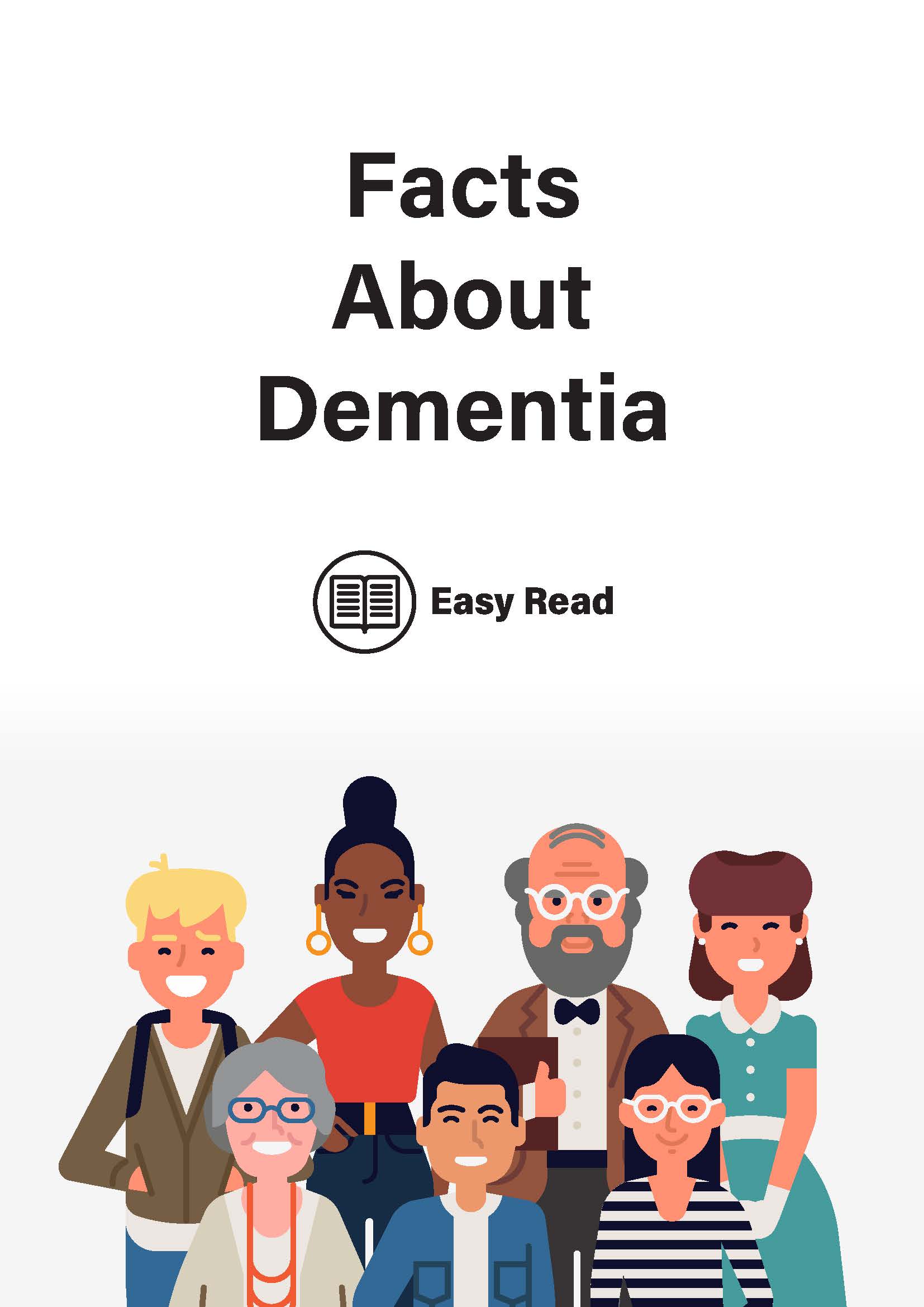
People living with dementia now have access to Easy Read information about their condition.

SWSPHN has developed an Easy Read factsheet about dementia, which is available on our Health Resource Directory (HRD) website.

The factsheet, developed in consultation with a person living with dementia, has information about:

  • What dementia is
  • How dementia is detected
  • How dementia may affect you
  • How to live well with dementia
  • Questions you can ask your doctor
  • Where to find extra support

The aim of Easy Read is to give more people access to information. Easy Read is a way to present information for people who are not familiar with English, or who have low literacy or learning disability. Easy Read’s unique layout and style presents information so it’s easy to understand.

The Easy Read dementia factsheet adds to the resources about dementia already available on HRD. The factsheets have been formulated under strict clinical guidelines, include information about local support and health services, and are available in English, Vietnamese, Simplified Chinese and Arabic.

Please download the Easy Read factsheet for patients with a dementia diagnosis where appropriate.

08 March 2024

People living with dementia now have access to Easy Read information about their condition.

SWSPHN has developed an Easy Read factsheet about dementia which is available on our Health Resource Directory (HRD) website.

The factsheet, developed in consultation with a person living with dementia, has information about:

  • What dementia is
  • How dementia is detected
  • How dementia may affect you
  • How to live well with dementia
  • Questions you can ask your doctor
  • Where to find extra support

The aim of Easy Read is to give more people access to information. Easy Read is a way to present information for people who are not familiar with English, or who have low literacy or learning disability. Easy Read’s unique layout and style presents information so it’s easy to understand.

The Easy Read dementia factsheet adds to the resources about dementia already available on HRD. The factsheets have been formulated under strict clinical guidelines, include information about local support and health services, and are available in English, Vietnamese, Simplified Chinese and Arabic.

Download the Easy Read factsheet

20 September 2023

This week has been a timely reminder extreme heat can have a serious impact on people’s health.

Heatwaves and hot weather have killed more people in Australia than any other disaster.

Extreme heat can be dangerous for anyone, however it is particularly dangerous for those:

  • over the age of 75
  • babies and young children
  • overweight or obese
  • pregnant or breastfeeding
  • poor mobility
  • who are homeless
  • socially isolated, living alone
  • working in a hot environment
  • have a chronic illness (such as diabetes, heart disease, high blood pressure, cancer, mental illness)
  • have an acute illness (an infection with fever or gastroenteritis)
  • taking certain medications

Heat stroke is a life-threatening emergency.

It occurs when the body temperature rises about 40.5 degrees.

Immediate first aid is critical to lowering the body temperature as soon as possible.

The effect of heat on chronic conditions

Most heat-related morbidity and mortality is due to the exacerbation of chronic conditions.

Conditions which most commonly contribute to death during a heatwave include:

  • cardiac events
  • asthma or other respiratory illness
  • kidney disease
  • diabetes
  • nervous system diseases
  • cancer

Dehydration and subsequent medication toxicity may exacerbate:

  • altered mental state
  • kidney stones
  • cardiovascular impairment
  • falls

Heat and medication

Some medications can increase the risk of heat-related illness. Some can also be less effective when exposed to high temperatures.

The following medications can be impacted by heat. (This list should be used as a guide only)

Interference with sweating, caused by:

  • anticholinergics, for example tricyclic antidepressants and benztropine
  • beta blockers
  • antihistamines
  • phenothiazines
  • vasoconstrictors

Interference with thermoregulation, caused by:

  • antipsychotics or neuroleptics, for example risperidone, clozapine, olanzapine
  • serotoninergic agonists
  • stimulants, for example amphetamine, cocaine
  • thyroxin

Decreased thirst, caused by:

  • butyrophenone, for example haloperidol and droperidol
  • angiotensin-converting enzyme (ACE) inhibitors

Dehydration or electrolyte imbalance, caused by:

  • diuretics, especially loop diuretics
  • any drug causing diarrhoea or vomiting, for example colchicines, antibiotics, codeine
  • alcohol

Reduced renal function, caused by:

  • NSAIDS
  • sulphonamides
  • indinavir
  • cyclosporine

Aggravation of heat illness by worsening hypotension, caused by:

  • vasodilators, for example nitrates (GTN) and calcium channel blockers
  • anti-hypertensives

Levels of drug affected by dehydration (possible toxicity for drugs with a narrow therapeutic index), caused by:

  • digoxin
  • lithium
  • warfarin
  • antiepileptics
  • biguanides, for example metformin
  • statins
  • altered state of alertness, caused by any drugs which alter the state of alertness, for example alcohol, benzodiazepine and narcotics

Resources to help you prepare for heatwaves

At-risk community members can prepare for heatwaves and heatstroke using the resources below:

Heatstroke – Health Resource Directory

Preparing for a heatwave – Health Resource Directory

Healthcare providers can find more information at:

Beat the heat (nsw.gov.au)

09 May 2023

SWSPHN developed Health Resource Directory as a tool for improving health literacy within the region.

To make better health accessible for more people living in our region, the Heath Resource Directory team works with a highly specialised team of NAATI-accredited translators to create factsheets in Arabic, Simplified Chinese and Vietnamese. 

Health information can be difficult to read and understand, especially if English is not a patients’ primary language. 

Using accredited translators ensures the information being translated is accurate and easy to understand while written at the highest standard. 

An advocate for improving health literacy, Health Resource Directory project lead, Alissa Nicolaidis, encourages all GPs to visit the website with their culturally diverse patients. 

“Having health information available in a patient’s preferred language is extremely beneficial for helping them understand their health condition and where they can go locally to get more support,” she said.  

The information found on Health Resource Directory includes: 

  • What is the health condition and how it may affect the patient 
  • What the patient can expect from their GP 
  • What the patient can do to help manage their condition 
  • What local health services are available 
  • Questions the patient may want to ask their GP 
  • Other useful information or resources 

Each factsheet is reviewed by local GPs and our Community Advisory Committee. The site, including downloadable factsheets, are regularly updated and more than 150 pages have been translated into Arabic, Simplified Chinese and Vietnamese so far. 

To access the Health Resource Directory website through Health Pathways, visit the ‘Patient Information’ section at the bottom of the page.  

Health Resource Directory
04 April 2023

During April, May and June, we’re asking people who live in South Western Sydney to use Health Resource Directory, the patient companion site for your localised HealthPathways, to learn more about their new health diagnosis by talking to you, their GP.

Our new campaign will involve videos being played regularly in clinics and medical centres throughout the region, advertisements on social media, and increasing our reach on search engines like Google.

Your patients might ask you about Health Resource Directory, how it’s important to their health and why they should trust it. They may also ask for information in a language other than English.

The Health Resource Directory website is home to more than 300 webpages. Each page has is a separate health condition and includes patient-friendly information re-written from the HealthPathway about that condition. Webpages include downloadable factsheets and audio files which are published in English, Vietnamese, Simplified Chinese and Arabic.

Each Health Resource Directory factsheet and webpage provides information about:

  • What the health condition, procedure or resource is and how it may affect the patient
  • What the patient can expect while being cared for
  • What the patient can do to help manage their condition
  • What local health services are available
  • Questions the patient may want to ask
  • Other useful information or resources

Information found in these factsheets has been written to suit community members, using localised health information listed on the HealthPathways website.

You can find a link to Health Resource Directory in the ‘Information for patients’ section of the relevant pathway on HealthPathways.

Watch this video for an explanation of how to access Health Resource Directory factsheets during a consultation to provide your patient with information about their diagnosis.

06 March 2023

HealthResourceDirectory.org.au is home to safe, reliable and locally relevant health information for patients about their new diagnosis.

Designed to complement HealthPathways, factsheets on Health Resource Directory are adapted from the clinical content on HealthPathways and can be printed directly from the ‘Patient Information’ section on HealthPathways pages. 

The Health Resource Directory website is home to over 300 factsheets. All factsheets are published in English, Vietnamese, Simplified Chinese and Arabic, include audio versions in each language. 

Each Health Resource Directory factsheet and webpage provides information about: 

  • What is the health condition and how it may affect the patient 
  • What the patient can expect from their GP 
  • What the patient can do to help manage their condition 
  • What local health services are available 
  • Questions the patient may want to ask their GP 
  • Other useful information or resources 

The site is regularly updated with new health information and each factsheet is reviewed by local GPs and our Community Advisory Committee. 

Your patients may want to know more about Health Resource Directory over the next few months as we roll out a new marketing campaign highlighting the websites usefulness. We encourage GPs to utilise Health Resource Directory at the point of care. 
Please direct your patients to visit the new Health Resource Directory website after a new diagnosis or print the relevant factsheet for your patient in their required language, during your next consultation. 

Visit Health Resource Directory