Written by Dr Daniel Dutkiewicz and Dr Jay Ramanathan, Liverpool Hospital
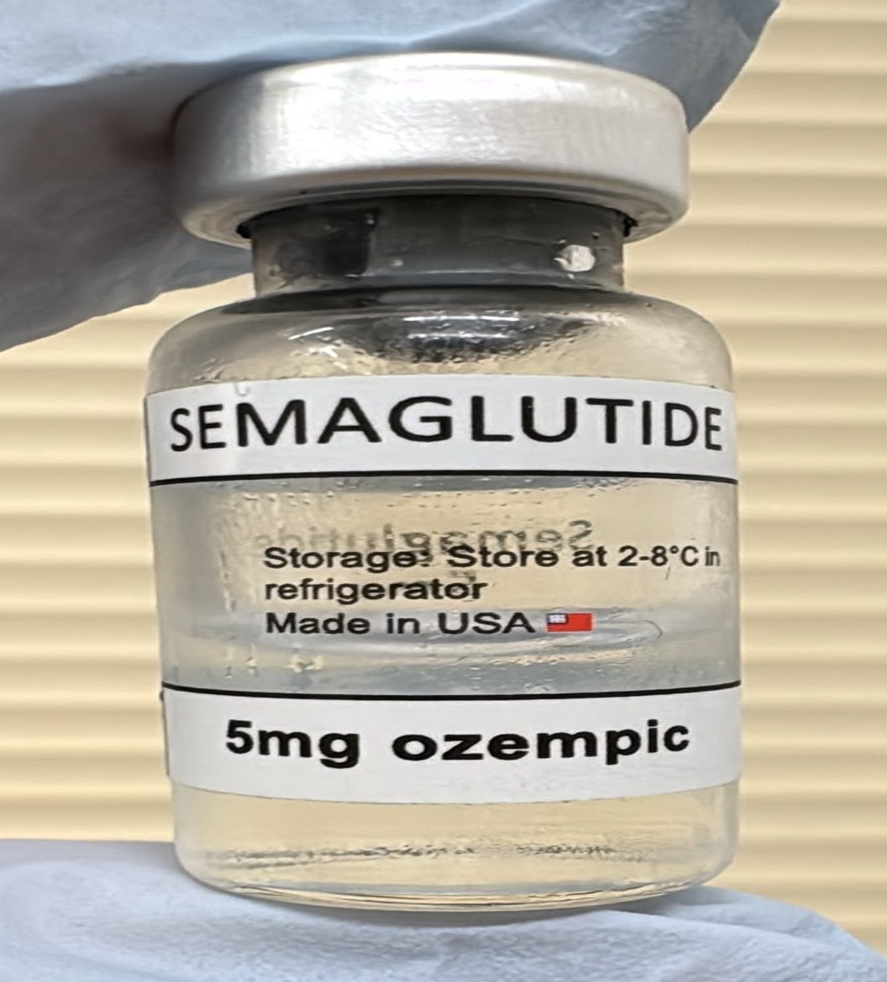
NSW is experiencing increasing use of unapproved peptide products promoted for weight loss, muscle building, recovery, anti-ageing and performance enhancement. Common examples include retatrutide, BPC-157 and melanotan II, which are often sourced online, through specialised clinics or compounding services.
Between July 2025 and September 2026, NSW Health recorded 1,180 emergency department presentations associated with unapproved peptide use, with 21 per cent of cases occurring within South Western Sydney Local Health District.
Common presentations included gastrointestinal symptoms, chest pain, allergic reactions and other medication-related adverse events.
In response to growing safety concerns, the Therapeutic Goods Administration (TGA) and Australian Health Practitioner Regulation Agency (Ahpra) have increased regulatory oversight of unapproved peptide products and inappropriate prescribing practices.
What GPs should look out for
GPs should consider possible peptide use in patients presenting with:
- unexplained gastrointestinal symptoms, including nausea, vomiting, abdominal pain or diarrhoea
- injection-site reactions or soft tissue infections
- unexplained electrolyte or metabolic abnormalities
- rapid weight or body composition changes, or muscle gain
- body image concerns, performance-enhancing substance use or online medication purchases
Early identification can help prevent harm
GPs are encouraged to identify possible peptide use early, document exposure, manage adverse effects and counsel patients about potential risks.
Suspected adverse events should be reported to the TGA where appropriate through its adverse event reporting system.
Clinical advice and support
For guidance on addiction medicine and substance use management, including peptides, GPs can contact:
General Practitioner Drug and Alcohol Advice and Support Service (GP DAAS)
- Phone: 0455 079 436
- Monday to Friday, 9am to 5pm
Poisons Information Centre
- Phone: 13 11 26
- Available 24 hours a day, including after-hours, weekends and public holidays
References
Australian Health Practitioner Regulation Agency. Crackdown on reckless prescribing as regulator ramps up peptides oversight. September 2026.
NSW Government. NSW Health warns of surge in hospital presentations linked to peptide use. October 2026.
NSW Ministry of Health. Emergency department presentations mentioning unapproved peptide use, NSW. July 2025 to September 2026. October 2026.
The Guardian. Coroner calls for TGA to review unapproved peptides after death of Australian actor. October 2026.