14 May 2026

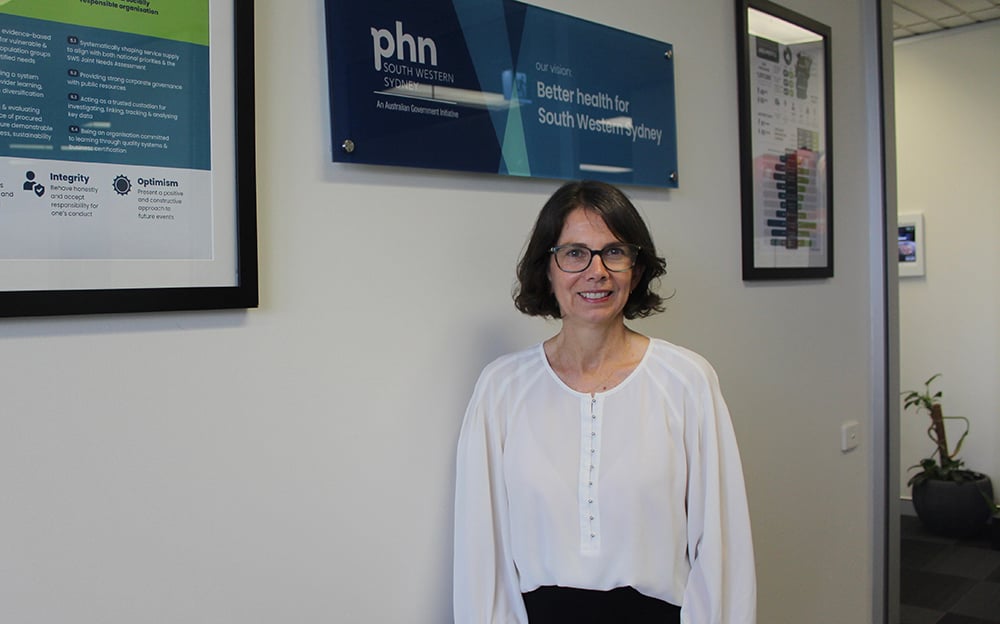
The “unique” role of PHNs in improving the health of their communities motivated South Western Sydney PHN’s new Board Chair, Karen Edwards, to join our organisation in 2020.

Ms Edwards says she’s passionate about improving access and equity in healthcare service delivery, particularly for outer metropolitan and regional communities.

“As Chair, I will have an opportunity to amplify the Board’s messaging around the needs of the South Western Sydney community on key issues like workforce shortages, patient to GP ratios, culturally safe care and health equity,” she said.

Ms Edwards, the Clinical Director at Gidget Foundation Australia, replaced long-term Chair, Dr Matthew Gray, in October last year. She brings previous experience in both public and private sector roles in health management, governance and clinical psychology to her new role.

As a Board Director, Ms Edwards said she had been proud to be associated with SWSPHN’s commissioning work.

“SWSPHN has a very rigorous approach to commissioning, and is always striving to deliver accessible, evidence-based services which meet the needs of this unique community,” she said.

In her new position, she’s keen to “prioritise a focus on equity, noting the unique challenges associated with accessing healthcare in this region, and the overall goal of improving the health and wellbeing” of our community.

“Talking with government, local representatives and community groups is one way I can understand what the community wants and needs from the PHN,” she said.

“The PHN has always taken a collaborative approach to health service delivery, partnering with GPs allied health, aligned not-for-profits and the Local Health District. These partnerships are critical to ensuring fit for purpose local services, and for improving the experiences of consumers.

“Moving forward I think we will continue to invest in these relationships.

“We are also keen to work more closely with Tharawal Aboriginal Corporation and Gandangara Local Aboriginal Land Council as they support First Nations families within our region.”

Ms Edwards said SWSPHN had a strong track record of innovation and excellence in service delivery, amid a rapidly growing population.

“I am really looking forward to seeing how this organisation embraces technology, and leverages this to support primary care providers, and to deliver fit-for purpose healthcare which sets the bar for other PHNs,” she said.

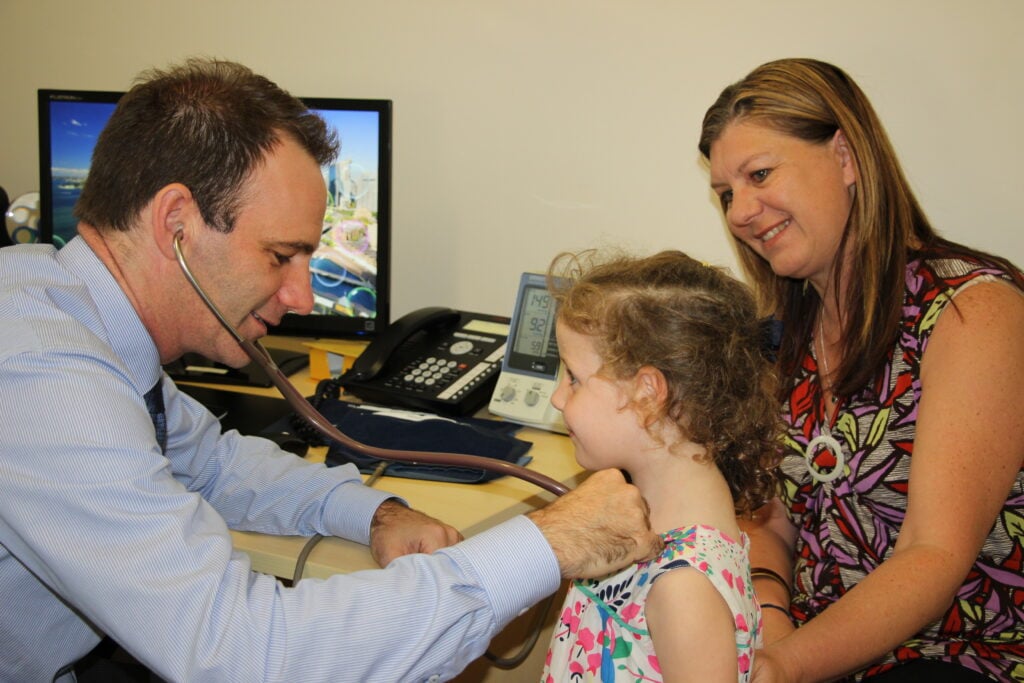
Pictured above: As new Board Chair, Karen Edwards is looking forward to supporting SWSPHN’s strong track record of innovation and excellence in service delivery.

13 May 2026

Funding to secure the future of Medicare Urgent Care Clinics, a boost in the number of aged care beds and investment in the primary care workforce with additional GP training places, are among key health commitments announced in the 2026-2027 Federal Budget.

In responding to last night’s budget, South Western Sydney PHN (SWSPHN) Acting Chief Executive Officer, Amy Prince, said it was pleasing to see the Federal Government’s ongoing investment in Strengthening Medicare, continued access to healthcare for older persons and the new Thriving Kids reform.

“While we of course welcome the government’s commitment to healthcare funding for our more vulnerable community members, a greater focus on primary healthcare, and in particular GP workforce and sustainability pressures, will be welcomed in the future,” she said.

“An important part of SWSPHN’s role is to help reduce health inequities and improve health outcomes for vulnerable groups, including First Nations communities, culturally and linguistically diverse populations and people experiencing socioeconomic disadvantage.

“Investment in general practice bulk billing incentives, culturally sensitive care for our First Nations communities, and more residential aged care beds and payments to aged care homes to support low means residents, supports our vital work.”

Ms Prince also noted the value of investing to make Urgent Care Clinics (UCC) a healthcare fixture in Australia.

“Our community has embraced the six Urgent Care Clinics commissioned by SWSPHN across the region, and we welcome these services becoming a longer-term alternative to hospital emergency departments for people with urgent but not life-threatening healthcare needs,” she said.

“SWSPHN has had a significant amount of positive feedback from patients and their families who praise UCCs for how easily and quickly they received the care they needed, demonstrating that these services are addressing a community need.”

Key budget features include:

Medicare Urgent Care Clinics

$1.8 billion to secure the future of Medicare Urgent Care Clinics as permanent features of Australia’s health system. This builds on previous investments to expand the total network to 137 clinics across Australia. The network has delivered almost three million free visits nationwide. By July 2026, four in five Australians will live within a 20‑minute drive of their local Medicare Urgent Care Clinic.

Bulk billing

$11.4 billion to incentivise bulk billing, with a goal of ensuring nine out of 10 GP services are bulk billed by 2030. Since the bulk billing reforms commenced on 1 November 2025, 1,420 general practices across Australia which were previously mixed billing have become fully bulk billing. The national GP bulk billing rate has also risen to 81.4 per cent in the period between November 2025 and January 2026.

First Nations health

$144.1 million to expand on the more than 100 projects already delivered or underway to improve health infrastructure across Aboriginal Community Controlled Health Services. Better access to life-sustaining, culturally safe care within First Nations communities and on Country with $44.4 million for culturally‑safe maternal care for 1,100 mothers, and $18.9 million to expand access to culturally‑safe crisis care through 13YARN.

Older people

$3.7 billion to deliver more beds, more packages and better care for older Australians. This includes $1.7 billion to incentivise construction of up to 5,000 aged care beds a year and protect equity of access for those less well off. Investment includes $606.5 million to: introduce new capital subsidies for aged care providers who build or expand residential accommodation; deliver up to 20 extra Specialist Dementia Care units; and expand the Hospital to Aged Care Dementia Support program. There is also $1.1 billion for future spending to increase and restructure the Accommodation Supplement and introduce an extra payment for homes with more than 60 per cent low‑means residents.

Other recently announced investments in health include:

  • an additional 100 Australian General Practice Training (AGPT) program places are being made available in 2027, on top of 200 additional places allocated in 2026
  • delivery of the next stages of the ‘share by default’ reforms, which improve My Health Record to give patients and health professionals access to more reliable and timely health information
  • the launch of the next phase of the Medicare Mental Health Check In, which provides free Low-intensity Cognitive Behavioural Therapy (LiCBT) guided by a trained practitioner via telehealth
05 February 2026

Help shape healthcare for South Western Sydney

Applications are now open for clinicians based in South Western Sydney to join SWSPHN’s Clinical Council.

The Clinical Council is a key advisory committee which reports to the SWSPHN Board, providing expert clinical advice to help inform decisions which respond to the unique health needs of our diverse communities. The Council also works in close partnership with South Western Sydney Local Health District (SWSLHD) and alongside the SWSPHN Community Advisory Committee, ensuring strong clinical and community perspectives are reflected in planning and system improvement.


Who we are looking for

We welcome applications with a strong understanding of clinical issues relating to the unique health needs of communities across South Western Sydney. In line with the expanding role of Primary Health Networks, we are seeking a broad mix of clinical expertise.

If you are a GP, allied health professional, or pharmacist who practises in the local government areas of Bankstown, Camden, Campbelltown, Fairfield, Liverpool, Wollondilly, or Wingecarribee, you are eligible to apply. Health of our region

In this recruitment round, we are particularly interested in applications from:

  • two allied health professionals
  • one pharmacist
  • one practice nurse
  • three GPs

We particularly encourage applications from GPs with experience and insight into the unique challenges of providing care in Fairfield and Bankstown Local Government Areas.

We value diversity of professional background, regional distribution, cultural and gender perspectives which reflect the healthcare community of South Western Sydney.

Applications are being accepted now, and will close Friday, 6 March 2026 or when enough applications are received.


Terms of reference

Term of office
Appointments are reviewed every two years, with the option of one renewal, up to a maximum term of four years.

Time commitment
Meetings are held for approximately two hours every second month, or more frequently if required. Meetings are typically on a Wednesday from 4pm.

Meeting format
Meetings are hosted online via Microsoft Teams.

Remuneration
Members are remunerated at a standard rate of $150 per hour for their participation.

Accountability
The Clinical Council is an advisory council who reports to the South Western Sydney PHN Board.

Purpose
The SWSPHN Clinical Council is established to support the SWSPHN Board to achieve its vision through clinicians. It will report on clinical issues to influence SWSPHN Board decisions with regards to the unique health needs of the communities within the SWSPHN region. The Clinical Council will work in partnership with the SWSLHD and in tandem with the Community Advisory Committee.

Scope
The Clinical Council will:

  • Act as an advisory body to the Board;
  • Support the development of clinical governance & policy, including commissioning and procurement;
  • Contribute to population health planning and research initiatives;
  • Plan and guide clinical quality and safety improvement initiatives;
  • Contribute to the development of community-based preventative health and chronic disease management strategies;
  • Work in close partnership with South Western Sydney Local Health District (SWSLHD), including guide and support clinical integration strategies consistent with the SWSLHD and SWSPHN Collaboration Agreement and Collaborative Work Plan;
  • Support and guide strategies to reduce potentially preventable hospitalisations and emergency department (ED) presentation rates; and
  • Provide strategic oversight and advice regarding national and jurisdictional interoperability initiatives, including monitoring developments relevant to acute–primary care connectivity and informing future opportunities for engagement.

Note: Terms of Reference are due to be endorsed at the next meeting in April.


Applications are now closed.


Enquiries

If you have any questions about the Clinical Council or the application process, please contact Melissa McIntyre, Executive Assistant, at melissa.mcintyre@swsphn.com.au.

19 December 2025

South Western Sydney PHN (SWSPHN) has echoed the Primary Health Network (PHN) Cooperative’s favourable response to recommendations from an independent review of the PHN program business model and mental health flexible funding stream.

The review was conducted by Boston Consulting Group between November 2024 and June this year, to evaluate the PHN program to see what works, what doesn’t and how it can be improved.

The final report of the review, released on 18 December 2025, confirms the critical role PHNs play and includes recommendations to strengthen the PHN network and provide more consistent services across the country. Read the final report

Key recommendations include streamlined funding processes, minimum governance and engagement standards, and mental health flexible funding stream reforms.

In a statement, the PHN Cooperative said the recommended improvements to the program would enable PHNs to better align services with local needs, reduce fragmentation across the care continuum and strengthen collaboration with healthcare providers.

PHN Cooperative spokesperson Matt Jones described the review as a “pivotal moment”.

“By simplifying processes and reinforcing trust, we can unlock more time, resources and energy for what matters most – supporting healthier communities across Australia,” he said. Read the full statement

SWSPHN Acting Chief Executive Officer Amy Prince agreed, welcoming the review’s findings.

Ms Prince said the review reflected the positive impact of PHNs on the health of local communities, noting that “strong and widespread support for the PHN model” was cited in the review.

“For more than a decade, SWSPHN has been providing professional development opportunities for our primary care workforce, forging partnerships to ensure locally responsive care, and working with our community to understand their healthcare needs and tailor services to meet those needs,” she said.

“This review recognises the value of the work we’ve undertaken so far, and we’re optimistic the recommended improvements to the program will make PHNs even more effective at meeting the unique, and sometimes complex health needs of our individual regions.”

05 November 2025

This year SWSPHN celebrates 10 years of proudly building healthier communities by enhancing and connecting care to meet local needs.

On 1 July 2015, the Australian Government established 31 Primary Health Networks across Australia to reduce service fragmentation, and understand and address unmet local health service needs by working with a broad range of stakeholders within primary care and beyond.

Guided by our three core functions, also affectionately known as the ‘three Cs’, SWSPHN has been at the forefront of commissioning local services to address service gaps, at building the capacity of local general practices and health providers to enhance care, and in supporting and enabling the coordination and integration of care services.

During the past decade, PHNs have become experts at establishing and leveraging partnerships to achieve whole of system collaboration and to bring to fruition place-based approaches which truly address health inequities and improve health outcomes.

SWSPHN Acting CEO Amy Prince said the organisation’s strong alignment with our values, and dedication to our vision and mission, had ensured ongoing growth and success and better health for our community.

“Our vision of better health for South Western Sydney underpins all we do and all decisions we make are in service of achieving that vision and delivering on our mission,” she said. 

 “We have a deep understanding of our local community’s primary healthcare needs and we are proud of the services we have shaped and funded to meet those needs.

 “This last financial year alone we have managed more than $70 million in funding to local providers, managing up to 139 agreements across mental health, aged care, Aboriginal health, Urgent Care, preventative health, chronic disease management and numerous integrated health initiatives.”

Ms Prince said little of the work of PHNs was accomplished in isolation, and partnerships in innovation and service delivery were often the backbone of success.

“Our strong track record in innovation has enhanced our integration and capacity building efforts,” she said.

“We are focused on interoperability solutions to link hospitals and GPs as well as the development of local medical neighbourhoods through focused care coordination. This is not done is isolation. We work closely with many partners including NGOs, primary care providers and the Local Health District.”

She said a unique characteristic of PHNs was the ability to adapt and implement truly local solutions and become change agents in a system which could be disconnected and slow to respond.

“PHNs are passionate about improving health outcomes and have become very effective change agents for major health reforms at a grassroots level,” Ms Prince said. 

 “We have worked collectively at state and national level on many initiatives in the past 10 years which continue to enhance primary healthcare service delivery and I think our agility and responsiveness at a local level was never more evident than during the COVID-19 pandemic when we were able to implement government initiatives such as the GP respiratory clinics and support rapid rollout of vaccinations through GPs in our local community.”

04 November 2025

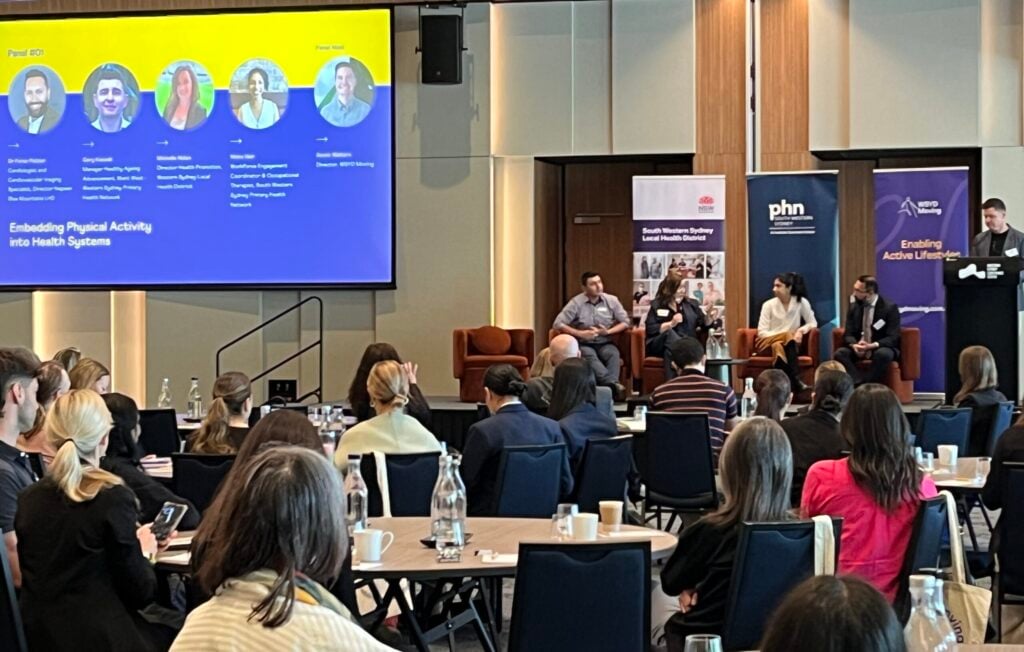
SWSPHN’s HEAL program and the importance of health literacy in successfully promoting physical activity, were highlighted at the WSYD Moving Symposium 2025 at Western Sydney Conference Centre, Penrith on Thursday, 30 October.

The symposium brought together more than 250 leaders, health practitioners and community voices under the theme Accelerating action – tackling inactivity and inequity, to urge cross-sector collaboration in unlocking healthier, more active lifestyles for all communities.

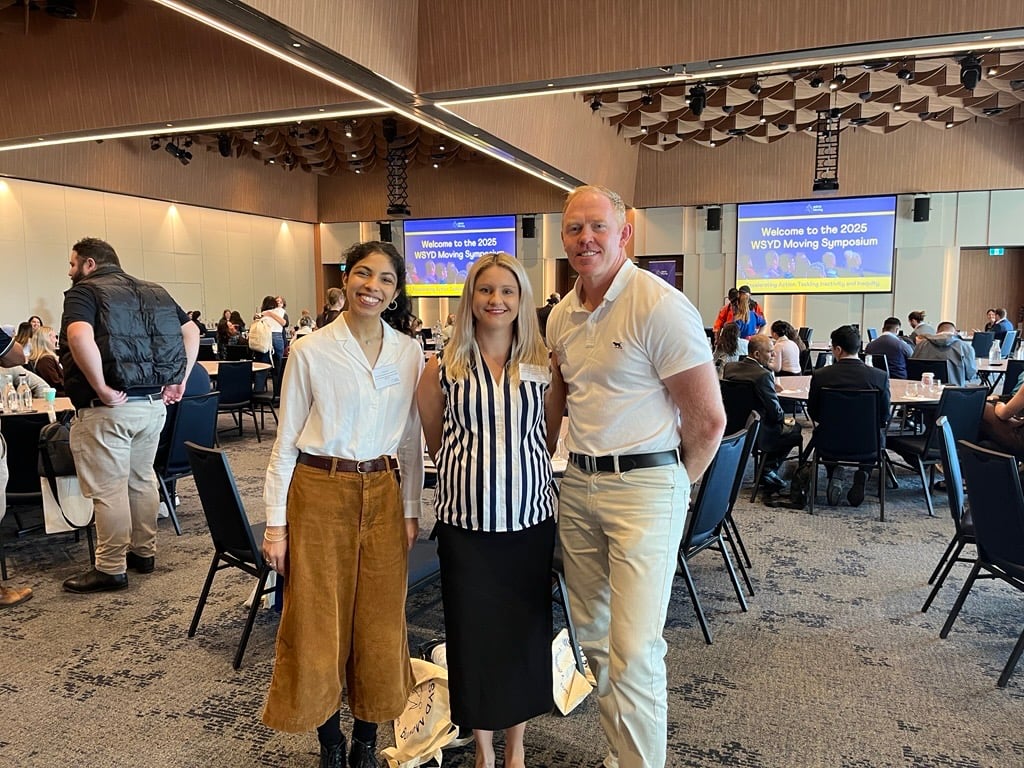
SWSPHN staff including Nisha Nair, Alyssa Horgan and Luke Swain (pictured) attended the event, with Nisha joining a panel focused on Embedding physical activity into health systems, where she discussed our HEAL (Healthy Eating Active Lifestyle) program.

HEAL is an eight-week evidence-based program designed for people who have, or are at risk of type 2 diabetes or cardiovascular disease, to improve their health through better nutrition, increased physical activity and long-term behaviour change.

physicalDuring the panel discussion, Nisha gave HEAL as one example of a SWSPHN initiative which promoted physical activity saying there is capacity for the program to be scaled through joint collaboration.

“HEAL facilitates collaborative opportunities through providing templates for communication, options for the exercise components which can be adapted based on the group of participants and opportunities for health education,” she said.

“We have commissioned service providers within our region to run the HEAL program for our community, and we are hoping to support over 200 people within our region.

“Embedded within the program are opportunities for facilitators to collaborate with GPs and other relevant health providers involved in the care of the participants. We’re looking to explore different versions of HEAL for different population groups to expand the impact of the program.”

Penrith Deputy Mayor Garion Thain opened the event, which included an address by State Health Minister Ryan Park, and 40 speakers from health, local government, sport, academia and community sectors, covering Local Active Partnerships, systems leadership, community-led solutions and new opportunities for collaboration.  

When asked about building the capability of the health workforce to champion physical activity – particularly for those who may not see it as ‘their role’ – Nisha spoke about how building opportunities to showcase the impact of those roles could result in ‘lightbulb moments’.

“I was at a youth refugee expo a few weeks ago, where we had a push up competition to build awareness of the impact of physical activity,” she said.

“As language was a barrier with some of the interactions at the event, we saw the impact volunteer interpreters made with bridging that health literacy gap.

“Not only did having interpreters help with building that awareness of physical activity with participants, they saw attendees taking flyers not only for themselves but for their siblings and parents.

“I saw the lightbulb moment in the volunteers’ heads – that sense of contribution they felt in that moment.”

WSYD Moving is a health-promotion charity. The symposium marked the official launch of the WSYD Moving Systems Leadership Course, a first-of-its-kind program designed to build capacity and strengthen collaboration across sectors.

WSYD Moving Convenor David Burns said physical inactivity cost the Western Sydney region more than $1.5 billion every year.

“We can’t solve this alone — it requires all of us working together. The symposium is a key event to bring parts of the system together, build relationships, and help to systemise approaches that enable communities to reduce inequity in access to more active lifestyles.”

Find out more about HEAL

Find out more about WSYD Moving

27 October 2025

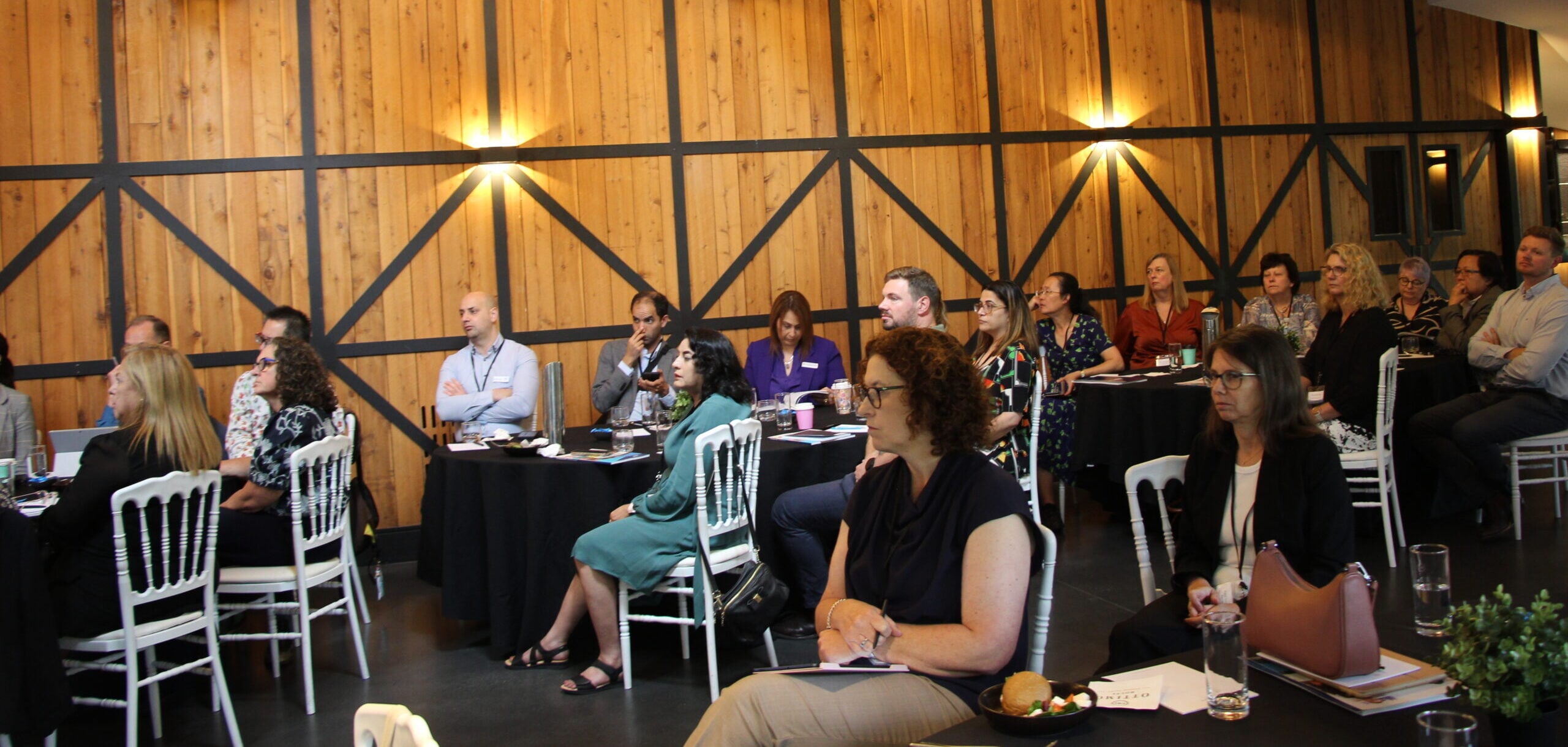
SWSPHN’s annual showcase last Thursday (24 October), looked back on how we’ve improved health outcomes in South Western Sydney since our inception 10 years ago, and looked to the future and how artificial intelligence (AI) may impact healthcare in the next 10 years.

The showcase which leads into SWSPHN’s Annual General Meeting each year, aims to highlight the work we do – funding services based on the needs of our community; innovating to improve the quality, efficiency and outcomes of healthcare; and partnering with stakeholders to better coordinate care.

About 50 people including PHN Board members, PHN member organisations, PHN staff, service providers, committee members and GPs attended the showcase, held at Ottimo House’s Rosewood room at Denham Court for the second year.

Showcase keynote speaker

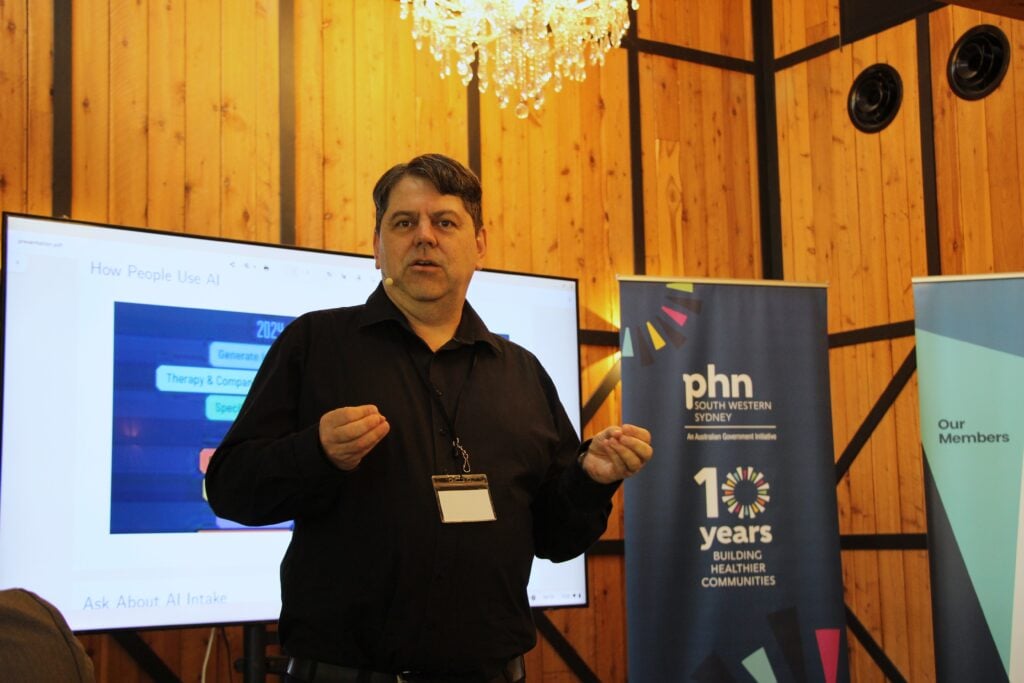
greg baker at agm showcaseKeynote speaker Greg Baker (pictured right), a lecturer in AI at Macquarie University and researcher at the Australian National University, engaged his audience with practical examples of how AI can be used in healthcare today, and questioned whether ethical concerns about using AI should outweigh its practical benefits.

He used communication with non-English speaking patients as an example of the ethical challenges healthcare professionals now faced given advances in AI technology.

Mr Baker said up until about a year ago healthcare professionals could easily dismiss the use of AI during patient consultations because “Google Translate does such a terrible job of translation”.

“Then ChatGPT came along and somewhere around ChatGPT 4.1 it became completely practical and reasonable to use it for medical translations,” he said.

“Here’s where we are at the moment. A distressed patient comes up to you, they speak no English, you have your phone on you, you’ve installed the ChatGPT app, do you say ‘no I’m not going to use this to do the translation because there’s a slippery slope’?

“That’s a slippery slope, but at the same time, the patient is there, what do we do?”

Mr Baker said AI had “thrown a bomb” into previously conceived notions of what the right thing to do was.

“We need very serious conversations about what is right, what are we going to do,” he said. “If we don’t have the voices of the medical community in the room, this will be driven by technologists like me. With a trillion dollars going into AI over the next 1,000 days, we need those voices.”

Showcase staff presentations

SWSPHN staff followed by showcasing their passion and dedication to improving health outcomes in our region through a small sample of some of the great work we do.

Acting Mental Health and AOD Team Lead Luke Swain spoke about how the Mental Health and AOD team had undertaken a number of initiatives during the past 12 months to support the outcomes-focused commissioning of services.

Workforce Engagement Coordinators, Brendan Chiew and Nisha Nair, spoke about the importance of integrating allied health more fully into primary care – “ensuring the entire breath of the primary care workforce is able to collaborate” to support the needs of the South Western Sydney community.

Showcase looks back on 10 years

SWSPHN Acting Chief Executive Officer, Amy Prince, looked back on 10 years of SWSPHN and how far we’ve come – “not just in what we deliver, but in the maturity, confidence and capability of our people”.

Some of her highlights included:

  • our recognition as a national leader in healthcare interoperability
  • establishing a commissioning culture based on impact, evidence, partnership with providers and continuous improvement co-designed with those who use and deliver care
  • GP and practice team engagement progress from a transactional offering to a quality improvement, partnership-based approach
  • demonstrating our role in integration of the health system through the COVID pandemic and beyond

Ms Prince thanked our amazing partners including community members, practices, service providers, South Western Sydney LHD staff, local members, SWSPHN staff and our CEO Dr Keith McDonald PhD.

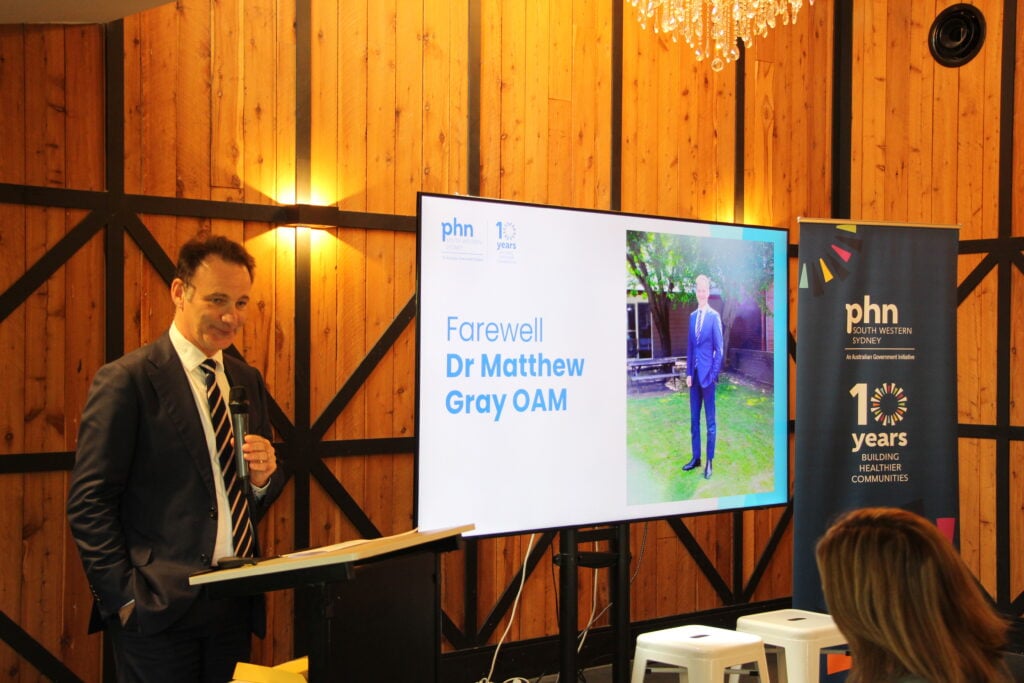
She closed the showcase with a tribute to our inaugural Chair, Dr Matthew Gray (pictured below), who stepped down from the position after 10 years, saying he has been at the helm through every stage of our organisation’s journey.

“His steady hand and clear vision have guided us through change, growth and reform – always keeping the focus on better health for our community.”

agm and showcaseIn an emotional video tribute to Dr Gray, Board members and SWSPHN staff described the Elderslie GP as an inspiring leader, wise and compassionate, and a ‘champion for primary healthcare’ in our region.

In his farewell address, Dr Gray reflected on his time as Chair saying significant change had been achieved over the past 10 years.

He said the importance of perseverance and collaboration had been the biggest lessons of the past decade, and he acknowledged the “interesting, capable and committed people” he was standing in front of as something which drove him.

Dr Gray’s advice to the future Chair, Board and Member organisations: “never forget the person, patient, community is at the centre of what we do. We’re here for the health and wellbeing of the people of the community we serve.”

Read our interview with Dr Gray

23 October 2025

Perseverance.

“Take a moment to look back and realise the change you make in a year may not be obvious, but when you look back over the course of 10 years, it’s significant.”

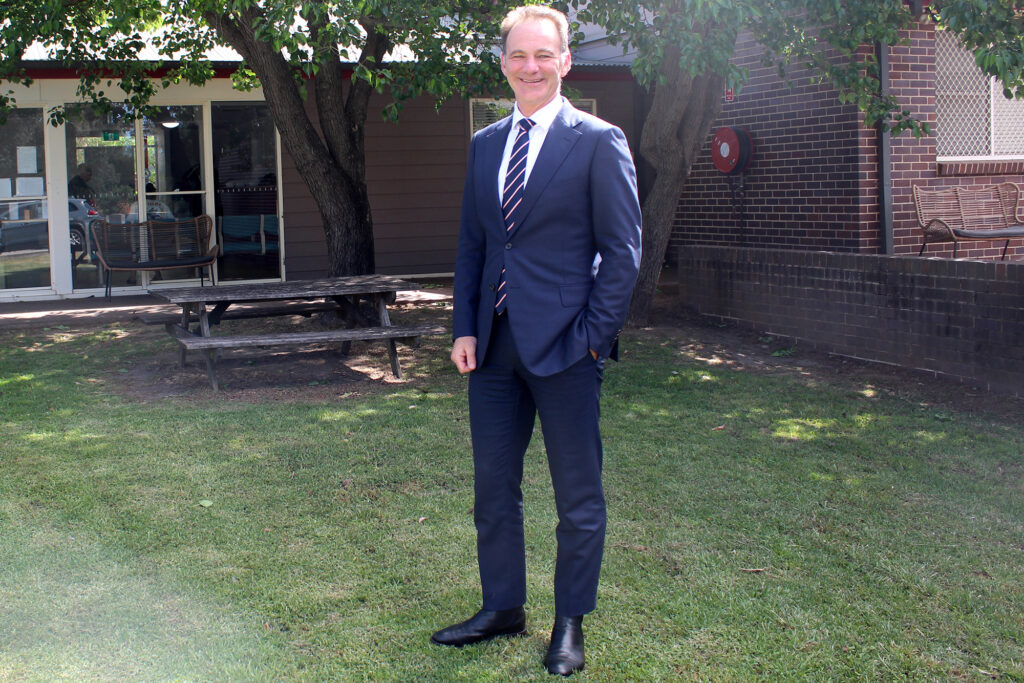
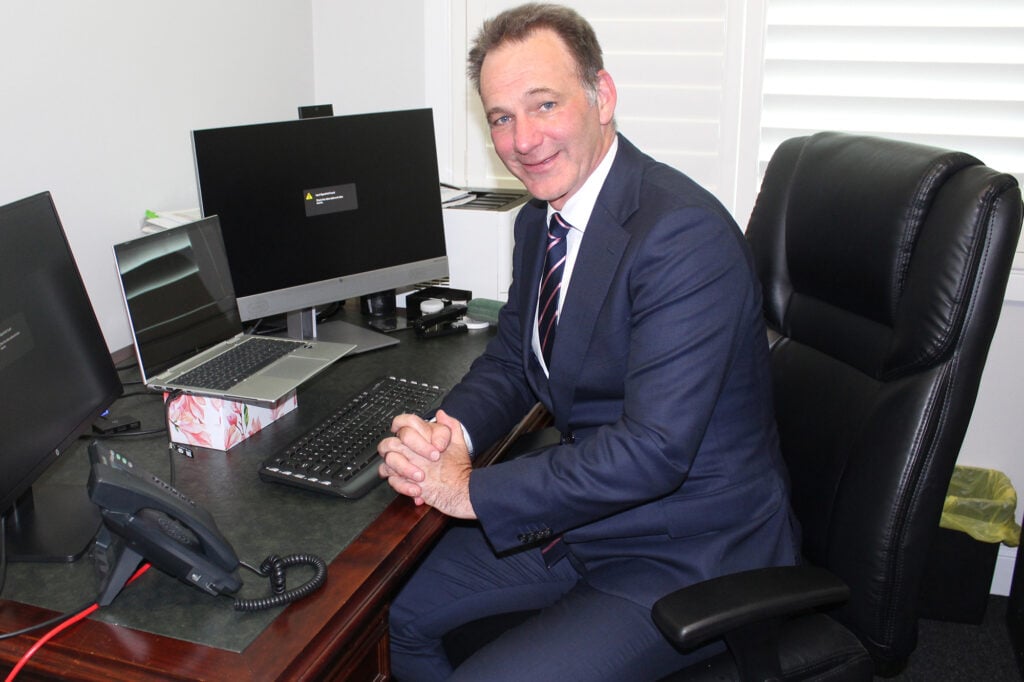
As SWSPHN’s long-term Chair, Elderslie GP Dr Matthew Gray (pictured), steps down from the position he’s held since SWSPHN’s inception, he says ‘perseverance’ is the one big lesson he’s taken from the last 10 years which can help guide the next 10.

“Through perseverance, we’ve pivoted, we’ve navigated and we’ve negotiated challenges and change,” Dr Gray said. “I don’t think there’s any suggestion change will ever slow down, it’ll likely increase.”
chair dr matthew grayDr Gray has devoted 22 years to “making a lasting difference to the health of this wonderful and highly diverse community” in his roles – 18 years of which he served as Chair – at SWSPHN and its predecessors the Macarthur Division of General Practice, Sydney South West GP Link and South Western Sydney Medicare Local.

“I joined because it gave me the opportunity to shape primary care in our region, and because I could see the great potential of these organisations to improve health outcomes,” he said.

“One-on-one interaction with a GP is crucial for individual health, and communication and coordination within general practice and primary care is important. But communication and coordination between primary care and other parts of the system is also very important.

“Through being part of these organisations, I saw I could have a real role in improving the quality of healthcare for people in our community, particularly in terms of access to services and workforce development.”

Dr Gray said SWSPHN had a special role in the complex Australian health system, focussing on the three Cs – commissioning based on a sound understanding of, and planning based on community need; coordination and integration which bridges gaps and joins services “like glue that binds things together”; and building the capacity of the primary care workforce.

“Over the last 10 years we’ve grown and matured to become a safe and trusted pair of hands for implementing policy for the Commonwealth on the ground in our community,” he said. “The government has seen how we can assist greatly in translating national policies into a local and nuanced solution for our community.”

He said he was pleased SWSPHN had maintained its strong links with local GPs, while at the same time overseeing changes in primary care including the expanding role of practice nurses and strengthening and growing multidisciplinary team care.

Dr Gray made special note of the relationship between SWSPHN and South Western Sydney Local Health District and more generally, the interaction between hospitals and acute services and primary care in our region, which he said had “led the way for our state”.
chair dr matthew grayHe said SWSPHN had also developed strong community roots, one of the goals the Board had set at the beginning of his tenure.

“We wanted to develop relationships and partnerships with other organisations which would contribute to the quality of services, to help lift the health and wellbeing of our community.

“I’m thinking, for example, of the work we’ve done with Aboriginal Torres Strait Islander communities. By developing relationships with organisations such as Gandangara Local Aboriginal Land Council and Tharawal Aboriginal Corporation, we’ve gained a better understanding and appreciation of the needs of First Nations people,” he said.

“This means the work we’ve done with the Integrated Team Care program can better support Aboriginal and Torres Strait Islander people with access to the wrap-around services they need and the day-to-day one-on-one health consultations.”

Establishing a well-governed organisation was – and remained – a priority for SWSPHN’s first Board, Dr Gray said. “As a Board member, I think the governance of an organisation is paramount,” he said. “Ten years on, SWSPHN is rigorously governed and we deliver our operations with excellence.”

Two of the challenges SWSPHN has faced over the past decade – the COVID-19 pandemic and attracting the right workforce to our region – also became opportunities to positively impact the health of our region.

Dr Gray said he couldn’t have imagined the key role SWSPHN would play in the COVID-19 response 10 years ago.

He said SWSPHN staff did well to quickly provide support to general practices – through up-to-date communications, PPE delivery, testing, vaccination rollout and other health measures put in place during this period.

In terms of our region’s primary care workforce, Dr Gray said we needed to attract people to primary care roles and professions to be able follow the guiding principle of providing the right care, in the right place, at the right time by the right person.

“Evidence shows prevention and early intervention are important to the health and wellbeing of the community and takes pressure off acute and hospital services, which by definition should be there for more significant presentations.

“The first challenge is to get the distribution right between primary and acute hospital services, and workforce. Then, we as a region, have the challenge of attracting staff to both rural – which may have some incentives – and outer Sydney areas.

“SWSPHN has been working to identify the needs for our workforce and to put in place strategies to attract, retain and support our workforce.”

How has the role of primary care changed and evolved during the past 10 years?

Dr Gray said one of the changes to general practice during this period was the move from shorter and acute-based interactions with patients to more chronic illness and prevention.

“At the same time the population has expanded, so we’ve had to work to broaden the scope and the involvement of everyone in the primary care team, which again is an achievement,” he said.

“Our PHN has done really well when I think of programs like NewGen for nursing and the professional development we offer to primary care providers. And now, we have increasing involvement with allied health providers.

“Mental health has been an increasing area of concern for people in our community. I’ve seen a gradual development in the coordination role of GPs, and SWSPHN assists in setting up services and ensures coordination and communication of those services for our GPs and practices.

“We’ve also had a pandemic and natural disasters which we wouldn’t necessarily have played a key role in back in the Macarthur Division of General Practice days.

“It’s a testament to the work of PHNs and the role they’re able to play, that governments have recognised our importance in those areas.”

Dr Gray said his role as Board Chair had given him the opportunity to learn from many interesting, capable and committed people, who had helped him grow in confidence and identify new strengths.

“I’ve had the opportunity to talk to government ministers, local politicians, local health district board members and chiefs – lots of conversations, experiences and engagements. I’ve now got more clarity about what I’ve been trying to achieve and the importance of primary care.”

His final message:

“We are stronger if we work together to deliver a collective impact.

“Thank you to this organisation and my colleagues, and to the community for giving me the opportunity to do this work for such a substantial period of time.” 
chair dr matthew gray chair dr matthew gray

26 September 2025

Health professionals and medical researchers came together at The Cube, Campbelltown on 17 and 18 September to learn about and celebrate the research and innovation which is shaping the future of healthcare in South Western Sydney.

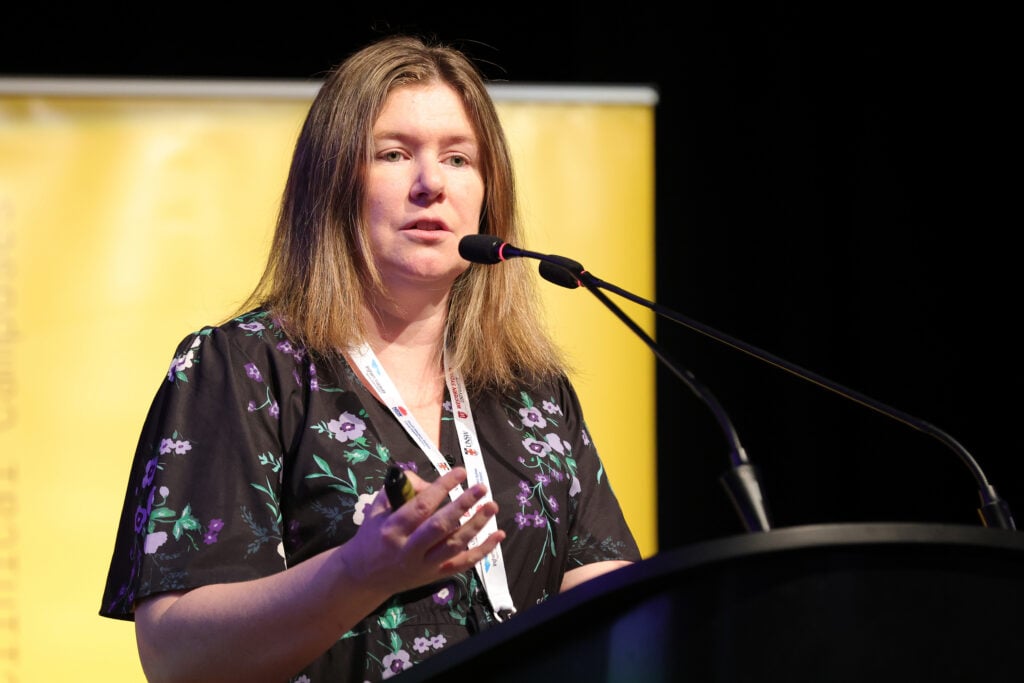
SWSPHN Acting CEO Amy Prince (pictured) was among the speakers at the South Western Sydney LHD-hosted Health Beyond Research and Innovation 2025.

Topics explored ranged from ‘endometriosis done differently’ to the ‘development of a sustainable and scalable model to recycle and reduce the cost of polypropylene waste in hospitals’ and ‘a multimodal and multilingual robot for hospital visitors’.

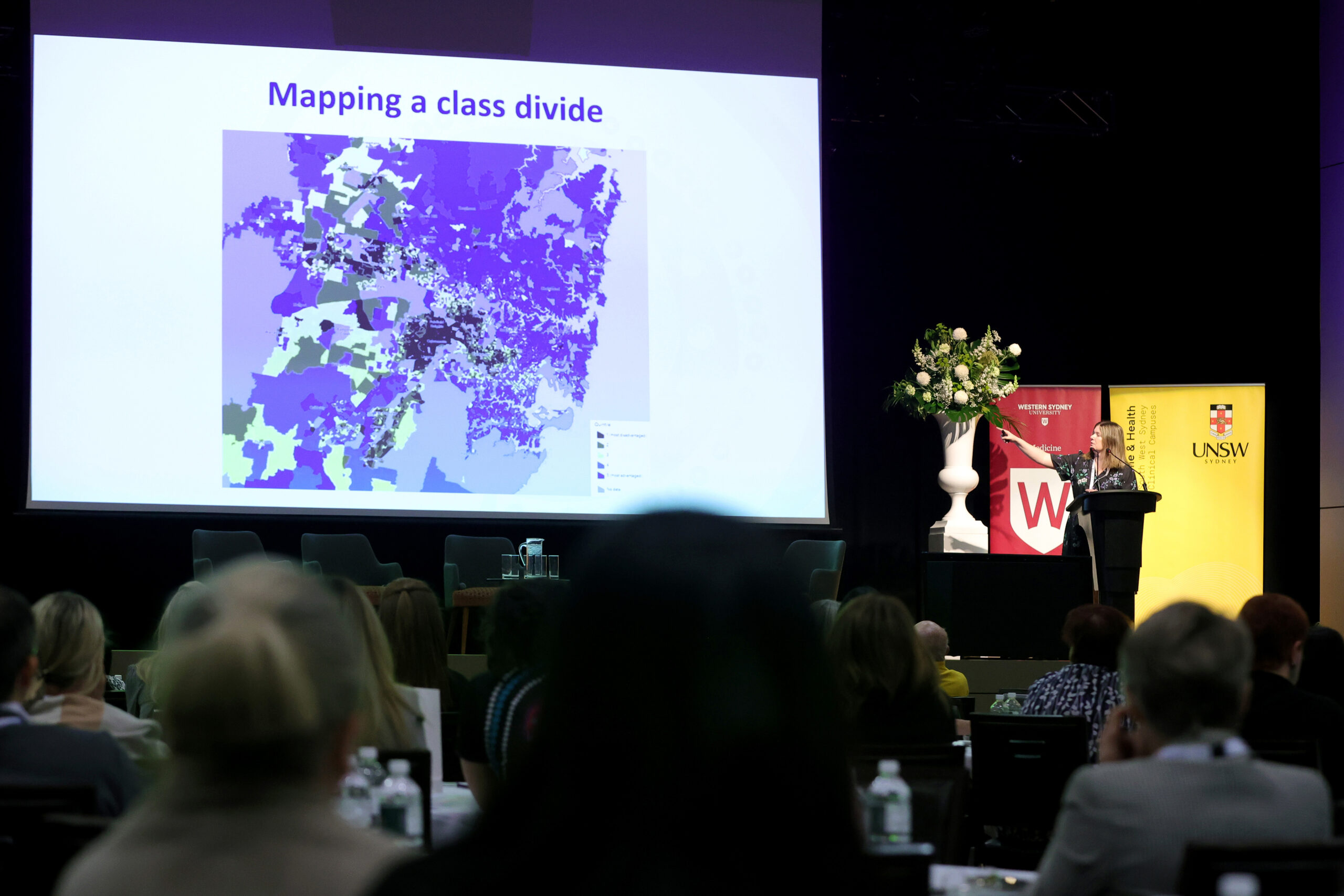
Amy spoke about ‘prevention and postcodes’ – that is, the link between where you live and health outcomes, where certain postcodes are associated with higher rates of preventable diseases and hospitalisations, often due to socioeconomic factors.

Showcase attendees also had the opportunity to network and share their ideas and experiences.

The showcase was hosted in partnership with the Ingham Institute for Applied Medical Research and supported by partners UNSW Sydney and Western Sydney University.

24 June 2025

SWSPHN’s 2025 Health Needs Assessment asks three key questions: What do we have? What else do we need? How do we get it?

It’s a snapshot of the region’s health services against the background of its community needs – and the basis for all strategic planning.

All PHNs are required by the Department of Health, Disability and Ageing (DHDA) to submit a Health Needs Assessment report for their region every November. The collective reports are then used by DHDA to prioritise funding and ensure they are aligned to population needs. It also serves to ensure all PHNs are working to achieve the goals they have set.

It’s necessary because PHNs have two primary goals: improving the efficiency and effectiveness of health services for people, particularly those at risk of poor health outcomes; and improving the coordination of health services to increase access and ensure quality support.

At SWSPHN we need to have a good understanding of our region’s geography, its people and their health issues as well as the health services they use, the availability of services and the gaps between what they have and what they need today, and in the future.

Each year the Health Needs Assessment delivers this information collated into one document.  

In doing so, the assessment provides the foundation on which to build strategic planning for the organisation by SWSPHN’s executive and management teams, as well as the first place for our teams to look when planning for projects and services. It’s also a useful resource for smaller organisations who may want to begin a health service or submit a commissioning response for funding.  

All activities included in SWSPHN’s Annual Activity Work Plan must reference a demonstrated need in the Health Needs Assessment document.  

How is it created?

The Health Needs Assessment is a continuous process divided into a three-year cycle. This year – 2025 – is the second year of the current cycle. It involves updates from new data releases and the addition of changes and emerging issues.  

Production of the report is a large project which draws on the skills and knowledge of staff from across SWSPHN. The data team then creates and updates the array of visualisations which appear throughout the report. Managers and their delegates provide updates which summarise opportunities as well as the work which is already under way.

Where does the information come from?

To write the needs assessment report, SWSPHN draws on both quantitative (numbers) data and qualitative (what people say) data from a range of sources.

The qualitative data is drawn primarily from our local health forums and deep-dive consultations with community and service providers. We present to our Community Advisory Committee each year for feedback before the report is submitted to DHDA.  

Quantitative data sources include the Australian Bureau of Statistics, the Australian Institute of Health and Welfare, the NSW Ministry of Health Centre for Epidemiology and Evidence and other published data sources and literature reports.

We look at data covering each of seven local government areas which make up our region, and the South Western Sydney region, and compare them to state and national data to establish patterns and trends within our population, its health issues and health services usage.

Once all this is done, the issues are prioritised and opportunities for improvement are identified and reported.

Snapshot of the 2025-2028 Health Needs Assessment report

Primary Care Workforce

Reduced business viability, difficulties in recruiting and retaining GPs and practice nurses, GP retirements and practice closures are key issues in South Western Sydney (SWS). The reduced affordability, availability and accessibility of healthcare reported by community members across the region is the natural flow on from workforce issues, coupled with population growth and failures in other health sectors such as specialist services.   

First Nations people’s health

While our First Nations communities still experience poorer health outcomes than others in South Western Sydney in many areas, they are leading the way in childhood immunisation and reducing smoking rates in pregnancy.

CALD and Refugee Communities

Our region experiences poorer outcomes and significant health access and equity issues for culturally diverse and refugee communities. In 2021, 42.4 per cent of residents in the region were born overseas, compared with 34.6 per cent for NSW. Key contributors include low health literacy, poor English proficiency and lack of use of interpreters, lack of culturally safe services, cultural norms and perceptions of the health system, low participation in cancer screening and issues with refugee health assessments and ongoing care. 

Older people’s health

The proportion of the region’s population over 65 years is growing. Health issues, especially falls, frailty, dementia and associated behavioural symptoms, elder abuse and complex multimorbidity increase health service usage and reduce independence placing increasing demand on health, aged care and carer services.  

Overweight and obesity

Our region has higher than state rates of both overweight and obesity in both adults and children from age five years. Hospitalisations related to overweight and obesity are higher in SWS than in NSW generally. This is also associated with a range of chronic diseases which have high rates such as type 2 diabetes and heart disease.

Want to learn more? Read the latest Health Needs Assessment Report.