23 April 2021

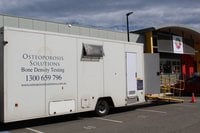
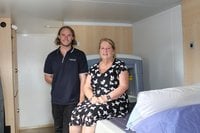
Tharawal Aboriginal Medical Service’s over-70s clients embraced the opportunity to have their bone strength tested when Osteoporosis Solutions’ mobile van visited the site in Airds on Wednesday, 14 April.

Appointments for the bone density test were booked out on the day.


A bone density test measures the amount of bone mineral (calcium) in the skeleton and is the best way to detect osteoporosis.

Osteoporosis is a condition where the bones become brittle and fragile, leading to a greater risk of fractures (breaks). It is often called the silent disease, as there are no symptoms. Often a broken bone is the first indication of osteoporosis.

The mobile van takes testing and treatment to the community and can be situated at sites including senior citizen villages or medical centres.

Find out more about Osteoporosis Solutions’ mobile van by calling 1300 659 796 or visiting their website.

23 March 2021

Feedback from health professionals is invited on the following:


Feedback sought on Aboriginal and Torres Strait Islander health check templates

Aboriginal and Torres Strait Islander health check templates have been updated by the National Aboriginal Community Controlled Health Organisation (NACCHO) in partnership with the RACGP.
The NACCHO-RACGP partnership project team is inviting feedback on the templates by:

  • participating in a brief survey, open 9 March to 1 April
  • expressing interest to be one of 10 primary healthcare teams testing the templates between 12 April and 11 June 2021 by contacting the Team at aboriginalhealth@racgp.org.au


Your input invited on resource for senior drivers

A draft resource has been developed for senior drivers living in NSW. The resource aims to provide senior drivers with guidance and support to make informed decisions about driving. You’re invited to provide your views and opinions on the new resource. Your feedback will be used to improve the resource so that it is relevant and useful to NSW senior drivers. 
To view the resource and/or provide feedback


Are you interested in contributing to cancer in primary care research?

PC4, the Primary Care Collaborative Cancer Clinical Trials Group, is undertaking a prioritisation study aiming to explore the views of different stakeholders to identify their perspective on what the top research priorities should be in the field of cancer in primary care research. The group is conducting a survey which should take less than 10 minutes to complete and will give you an opportunity to advocate for the areas of cancer in primary care research you feel should be addressed most urgently.
To take the survey


Supporting the mental health of mothers in pregnancy and after birth

The NSW Ministry of Health (MoH) is conducting a review of the SAFE START program. SAFE START comprises the psychosocial assessments and depression screening conducted by midwives at the booking visit, and child and family health nurses following birth. From this screening women are offered a range of referral options to meet their needs. Western Sydney University (WSU) is undertaking the review for the MoH and is seeking the perspectives and experiences of GPs in relation to the SAFE START program – mental health and support for social needs. WSU will hold online focus group forums with GP representatives across NSW, potentially during the week of 29 March to 5 April. If you would be interested in participating in an online focus group, email  v.schmied@westernsydney.edu.au


Improving care for patients who are stressed, anxious or depressed as a result of their work

Monash University is inviting GPs who would like to improve their care of patients with work-related mental health conditions to join a new NHMRC-funded partnership trial called Implementing work-related Mental health guidelines in general PRactiCE (IMPRovE). GPs who complete two surveys (one now and one in 18 months), attend an academic detailing session and attend a pre-specified webinar will receive $800 plus either 40 RACGP CPD points or 8 ACRRM points at the conclusion of the trial, and their practices will receive $500. Over an 18-month period, GPs who are randomised to receive the intervention will receive tailored educational outreach and be offered engagement and support through an online community of practice. GPs who are randomised to the control group will be offered key components of the intervention when the trial concludes. If you would like to know more about the project, visit www.monash.edu/improve-trial, email improve.trial@monash.edu or call 0428 044 655.

15 February 2021

National Close the Gap Day on Thursday, 18 March highlights the campaign aiming to close the health and life expectancy gap between Aboriginal and Torres Strait Islander peoples and non-Indigenous Australians within a generation. The gap refers to the vast health and life-expectation inequality between Indigenous and non-Indigenous Australians. This inequality includes:

  • shorter life expectancy
  • higher rates of infant mortality
  • poorer health
  • and lower levels of education and employment

The Closing the Gap strategy has resulted in some improvements, but national statistics indicate there’s still a long way to go.

Aboriginal and Torres Strait Islander health is a key priority for SWSPHN. We are working with our community to close the gap by supporting our community to live healthier and longer lives through prevention and better management of chronic diseases.

Find out more about our work

Find out more:

15 February 2021

SWSPHN is working with our community to close the gap between Aboriginal and non-Aboriginal Australian’s life expectancy. We strive to do this by improving access to culturally appropriate primary care services and support for Aboriginal and Torres Strait Islander peoples. Last year our staff undertook a number of approaches to improve Aboriginal health and strengthen partnerships.


Partnering with Tharawal to deliver mental health, drug and alcohol and social and emotional wellbeing services

We partner with Tharawal Aboriginal Medical Service (AMS) to deliver mental health, drug and alcohol and social and emotional wellbeing services tailored to the needs of our Aboriginal and Torres Strait Islander community. The service is an example of the importance of Aboriginal and Torres Strait Islander leadership in the design and delivery of services for the community.


Cancer screening initiatives at Tharawal and Gandangara

Health staff aimed to increase knowledge and awareness of the benefits of cancer screening, early detection and treatment, and to reduce hesitancy in cancer screening amongst Aboriginal and Torres Strait Islander people within South Western Sydney. The program has increased cancer screening within the local community. Early detection and cancer screening included breast, bowel, cervical and skin.


Aboriginal Health Assessment (MBS 715)

We promote and support the uptake of the Aboriginal specific MBS item numbers including the MBS 715 (Aboriginal Health Assessment) and follow up referrals. This is through various channels including engagement with general practice staff and providing information to community members and other service providers through various activities and events which promote the benefits of the MBS items.

Aboriginal Health Practice Primary Care Resources

Department of Health – Annual Health Check Resource Collection


Cancer screening awareness activities

Cancer screening participation rates in South Western Sydney are lower than the NSW average for breast, bowel and cervical cancers, and in particular within our Aboriginal and Torres Strait Islander populations. Last year we focused on community engagement and the promotion of the importance of screening. Health staff worked alongside Elders to increase knowledge and awareness of the benefits of screening, early detection and treatment, and reduce hesitancy in cancer screening. Other activities included: promotion of the NSW Breast Screen van locations; representation on the Cancer Institute of NSW/ PHN Cancer Screening Network; and the National Cancer Screening Register.


Cultural Responsiveness Training

Feedback from South Western Sydney GPs and practice nurses has ensured the SWSPHN’s cultural training is on point for general practice.

Cultural Responsiveness Training, with a focus on more practical advice, was delivered for the first time in March 2023 following a review of the former cultural awareness sessions.

In previous years, First Nations cultural awareness training was taught with a historical focus. While this is still relevant and taught in the Cultural Responsiveness Training, there is more emphasis on what can be done in a practical sense in general practice.

The training has been approved by RACGP for Cultural Awareness and Cultural Safety. It highlights the importance of a whole-of-practice approach to cultural safety, which includes having a friendly welcoming environment. All staff are trained in understanding the issues that prevent Aboriginal and Torres Strait Islander people from accessing services.

Topics include:

  • Historical impacts on First Nations people
  • How to apply a culturally appropriate communication style
  • A whole of practice approach to providing a culturally safe environment
  • Appropriate identification of First Nations people
  • Conducting a 715
  • Identify relevant Medicare items for First Nations people

At the training sessions, GPs are provided with resources such as flags, identification posters, 715 information and NSW Aboriginal Nation maps.

Cultural Responsiveness Training contributes to three educational hours of CPD for GPs.


Integrated Team Care Program

The Integrated Team Care Program aims to support Aboriginal and Torres Strait Islander residents who have complex chronic conditions. We fund the program which is delivered by SWSLHD’s Aboriginal Chronic Care team. Through the program, the LHD provides continued support to clients across all seven local government areas in our region and maintains established linkages with acute and primary care. This includes Tharawal AMS, Gandangara Health Services and mainstream primary care providers. The established referral pathways between primary and acute services ensures clients can access care in a timely manner and receive ongoing care coordination.


Former NRL player and professional boxer Joe Williams helped facilitate a workshop for local Indigenous men aimed at developing a proactive approach to suicide prevention for Aboriginal men in October. The workshop was hosted by SWSPHN and saw participants come together to share experiences & potential solutions. It was part of a co-design process which will ultimately fund non-clinical suicide prevention approaches for Indigenous men.

30 October 2020

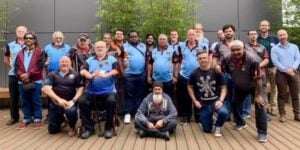
Thirty local Indigenous men came together to share their experiences and potential solutions at a recent co-design workshop to develop a proactive approach to suicide prevention among Aboriginal men.

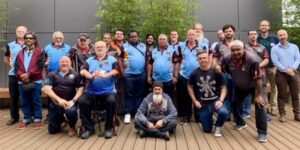
SWSPHN hosted the 6 October workshop which had participants from Gooboora men’s social support group and Dharawal Men’s Aboriginal Corporation, and was facilitated by former NRL player, professional boxer and mental health advocate, Joe Williams, SWSLHD’s Mervyn Taylor and mental health consultant Jenni Campbell.

The workshop took a relaxed rather than structured approach to co-design, allowing attendees to share their experiences and potential solutions in a cultural context.

The co-design process will ultimately fund non-clinical suicide prevention approaches for Indigenous men.


What will the program do?

  • Provide more timely and appropriate access to supports for Aboriginal men experiencing distress
  • Support men in cultivating an improved sense of individual and cultural identity and belonging
  • Support men in developing an improved understanding of, and connection to, culture
  • Strengthen positive support people and networks available to individuals throughout the local community.

26 June 2020

SWSPHN has partnered with five other PHNs, the Network of Alcohol and other Drugs Agencies (NADA), local Aboriginal community leaders and non-government organisations to develop guidelines to providing culturally safe care to Aboriginal and Torres Strait Islander people.


The guidelines aim to support non-Aboriginal service providers in the Alcohol and Other Drugs (AOD) sector to establish better relationships and linkages with Aboriginal organisations and communities to ensure services are safe and accessible.

The resource is not intended to replace the provision of services from specialist Aboriginal AOD services or community-controlled healthcare services but to improve the cultural appropriateness of mainstream services for Aboriginal people.

The guidelines, launched in early June, took two years to develop and followed consultation and advice from Aboriginal leaders and communities, the Aboriginal Drug and Alcohol Residential Rehabilitation Network, the Aboriginal Health and Medical Research Council and members of the Aboriginal Drug and Alcohol Network.

The project also included 15 service providers across NSW who completed a pre and post audit of their organisation and attended a guideline workshop to measure if there was change within their organisation.

Some of the feedback from participating services included:

“Having an organisation actually come in go, ‘this is where you’re doing well. These are the areas you can improve on’, I think that’s really very valuable.”

“It’s been really positive for us, and I think it’s given us a really good framework of where we need to step up and what we can be doing a little bit more … and what things will be looking like for us to move forward to be working in a safe place for our clients.”

SWSPHN Integrated Health Manager Michelle Roberts said the valuable resource showed what could be achieved when stakeholders partnered to support the Aboriginal community’s access to non-Aboriginal services.

“The results so far have been very positive,” she said.

“The guidelines have already helped improve the cultural competence of all participating services and this has tended to flow through to an increase in the number of Aboriginal people being treated by these services.

“The project has helped organisations with recruitment of Aboriginal staff and decision-making in forming new programs and has impacted how services operate across their wider organisation.”
 

To read the Cultural Competence Service Report

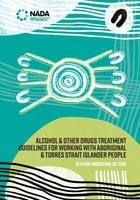
To download the Alcohol and Other Drugs Treatment Guidelines for Working with Aboriginal and Torres Strait Islander people in a non-Aboriginal setting

15 June 2020

SWSPHN has partnered with five other PHNs, the Network of Alcohol and other Drugs Agencies (NADA), local Aboriginal community leaders and non-government organisations to develop guidelines to providing culturally safe care to Aboriginal and Torres Strait Islander people.

The guidelines aim to support non-Aboriginal service providers in the Alcohol and Other Drugs (AOD) sector to establish better relationships and linkages with Aboriginal organisations and communities to ensure services are safe and accessible.

The resource, launched in early June, took two years to develop and followed consultation and advice from Aboriginal leaders and communities, the Aboriginal Drug and Alcohol Residential Rehabilitation Network, the Aboriginal Health and Medical Research Council and members of the Aboriginal Drug and Alcohol Network.

The project also included 15 service providers across NSW who completed a pre and post audit of their organisation and attended a guideline workshop to measure if there was change within their organisation.

Some of the feedback from participating services included:

“Having an organisation actually come in go, ‘this is where you’re doing well. These are the areas you can improve on’, I think that’s really very valuable.”

“It’s been really positive for us, and I think it’s given us a really good framework of where we need to step up and what we can be doing a little bit more … and what things will be looking like for us to move forward to be working in a safe place for our clients.”

The guidelines are not intended to replace the provision of services from specialist Aboriginal AOD services or community-controlled healthcare services but to improve the cultural appropriateness of mainstream services for Aboriginal people.

SWSPHN Integrated Health Manager Michelle Roberts said the valuable resource showed what could be achieved when stakeholders partnered to support the Aboriginal community’s access to non-Aboriginal services.

“The results so far have been very positive,” she said.

“The guidelines have already helped improve the cultural competence of all participating services and this has tended to flow through to an increase in the number of Aboriginal people being treated by these services.

“The project has helped organisations with recruitment of Aboriginal staff and decision-making in forming new programs and has impacted how services operate across their wider organisation.”

To read the Cultural Competence Service Report

To download the Alcohol and Other Drugs Treatment Guidelines for Working with Aboriginal and Torres Strait Islander people in a non-Aboriginal setting

12 May 2020

NSW Health’s Agency for Clinical Innovation has developed resources to support healthcare workers care for Aboriginal and Torres Strait Islander communities during the COVID-19 pandemic.

The newly published A&TSI Health Professionals Resource Toolkit has been developed in collaboration with Australian Indigenous Doctors Association (AIDA), Indigenous Allied Health Australia (IAHA) and Congress of Aboriginal and Torres Strait Islander Nurses and Midwives (CATSINaM).

  • The toolkit includes posters on important contacts, tips and information to assist our A&TSI health professionals care for themselves, as well as posters to care for their communities. It is available at the following link A&TSI Health Professionals Resource Toolkit.
  • The National Aboriginal and Torres Strait Islander Health Worker Association (NATSIHWA) has also developed an A&TSI Health Worker and Health Practitioner Exemplar Health Assessment flowchart to support a safe work environment during the COVID-19 crisis for A&TSI health worker and health practitioner professionals. The flowchart includes traditional face-to-face Medicare item numbers centred around a client’s journey throughout a 715 Health Assessment which is overlayed by COVID-19 video and teleconferencing Medicare item numbers.


Please find attached additional COVID-19 health resources.

Community of Practise Update – 5 May 2020

First Nations Evidence Check

Heart Foundation COVID-19 Resource

ACI/COVID-19 respiratory lung function testing resource

Health Consumers NSW COVID-19 resource

Telehealth Capability Interest Group Flyer

Telehealth Fact Sheet

13 March 2020

Our staff joined the Bankstown Aboriginal community and other stakeholders in February for the opening of a new hub which aims to support Aboriginal and Torres Strait Islander people who have or are at risk of developing a chronic condition, access holistic, culturally appropriate healthcare.

The Bankstown centre builds on the success of the Budyari Community Health Centre in Miller, is jointly funded by the SWSPHN and the South Western Sydney Local Health District (SWSLHD) and will be facilitated by the SWSLHD’s Aboriginal Chronic Care Program (ACCP) team.

The ACCP team is initially offering access to care coordination, podiatry and optometry services from the centre. The program also offers referrals to services provided at Budyari including specialist clinics, a dietitian, an exercise physiologist, social work and health education.

The centre is at 122 Chapel Road Bankstown.

To find out more, talk to your GP or call 8781 8020.

Bankstown brochure

13 March 2020

National Close the Gap Day on Thursday, 19 March highlights the importance of Aboriginal and Torres Strait Islander health equality – a key priority for SWSPHN.

We’re working with our community to close the gap by supporting Aboriginal and Torres Strait Islander people to live healthier and longer lives through prevention and better management of chronic diseases.

We do this in a number of ways.

We’re enhancing the cultural knowledge and understanding of GPs, nurses and others working within general practice to improve the access of Aboriginal and Torres Strait Islander people to mainstream primary healthcare services.

We also work with local Elders and the wider Aboriginal and Torres Strait Islander communities, and other government and non-government organisations, on services tailored to our local community.

Some of these include promoting Aboriginal health assessments, eye health, cancer screening and a Your Health project in two local high schools which aims to improve the health literacy of participants, empowering them to make better informed decisions, and to introduce them to their local Aboriginal Medical Service and support connection to culture.

Published in the Macarthur Chronicle on Wednesday, 11 March.