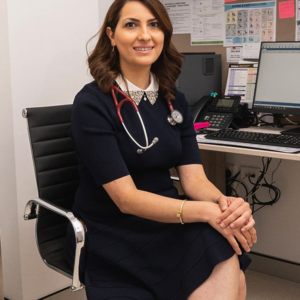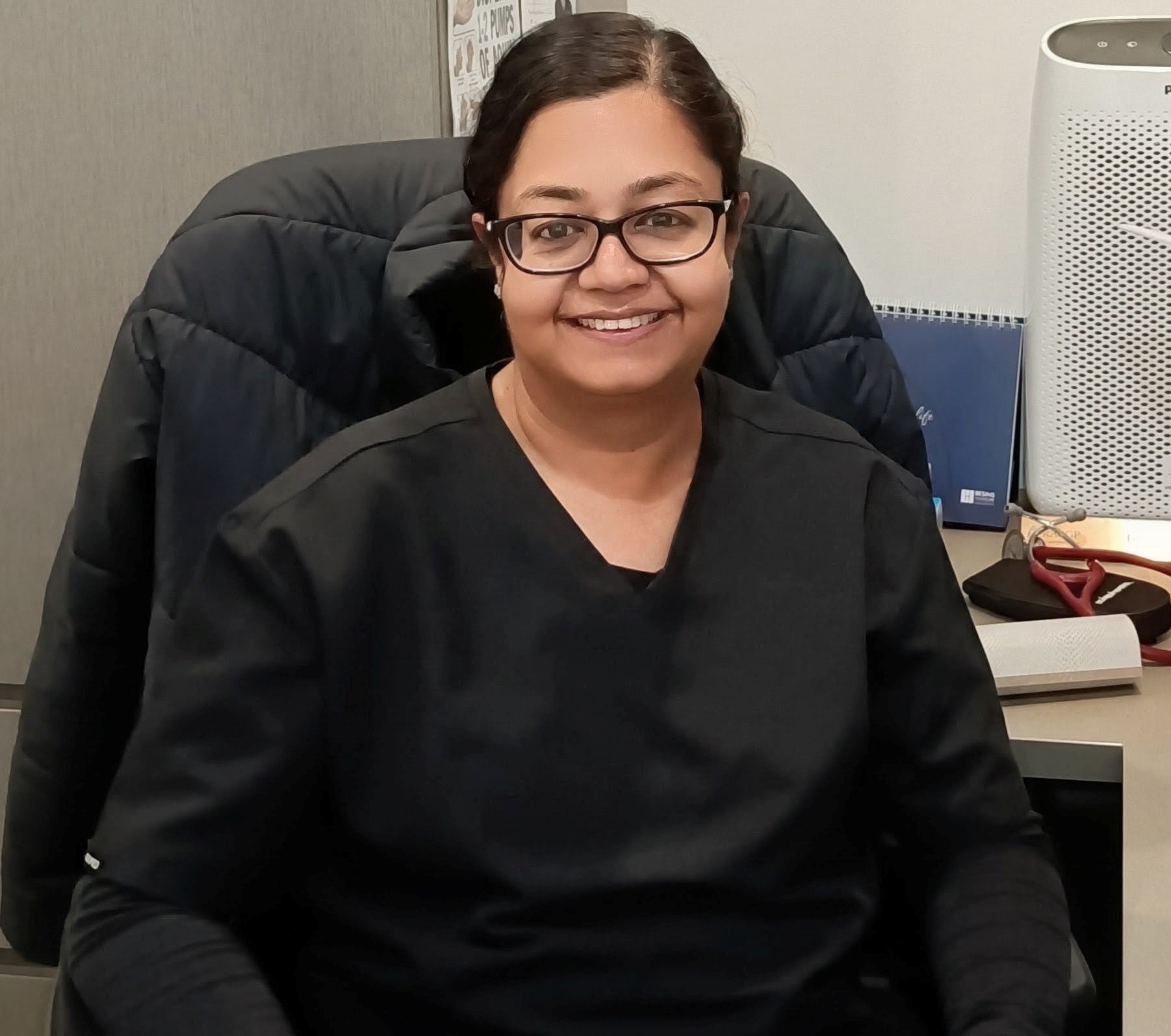
With a special interest in women’s health, Dr Padma Krishnamurthy has been working in the South Western Sydney region for seven years. As a passionate advocate for her diverse community she enjoys the challenges of general practice and the fact no two days are ever the same.
How long have you been a GP and how long have you been practising in the region?
I’ve been a GP for nine years now, including two years as a registrar, and achieved my Fellowship with the RACGP in 2020. Since then, I’ve been practising as a VR GP at My Family Health in Willowdale. All up, I’ve been working in this region for seven years.
When and why did you decide you wanted to become a GP?
I’m an international medical graduate and originally specialised in obstetrics and gynaecology in India. After moving to Australia, I worked in the hospital system as an unaccredited registrar in obstetrics and gynaecology for 10 years. Balancing those demanding hospital hours with raising a young family became tough, so I transitioned to part-time work and locum roles for a few years.
A close friend suggested I look into general practice. Once I explored it, I was amazed by the scope it offered. I could still pursue my special interest in women’s health, but with far greater flexibility and variety: no two days are ever the same. What truly drew me in was the continuity of care: building genuine long-term connections with patients, earning their trust, and guiding them through all stages of life. Once I made the switch, there was no looking back. My only regret is I didn’t make the move sooner, but as the saying goes, better late than never.
What do you love most about being a GP, and what gives you the most satisfaction?
I love the sheer variety of medicine we see every day; it keeps you on your toes and ensures the work is always engaging. Building long-term relationships with patients – and often whole families – is easily the most rewarding part of the job. Understanding a patient’s background and personal circumstances allows me to tailor medical advice which truly works for them, which naturally breeds deeper empathy.
There is immense job satisfaction in preventive medicine, lifestyle management and empowering people to take charge of their wellbeing. Whether it’s helping a patient manage a chronic condition, guiding them through a healthy pregnancy, or simply motivating them to hit a personal health goal, seeing those positive outcomes gives me a genuine sense of shared achievement. Knowing you’ve made a tangible, lasting difference in someone’s day-to-day life is why I love coming to work.
What is the most important thing you and your practice contribute to this community?
Our practice provides a broad range of high-quality primary care services to meet the diverse needs of our local community. Our GPs bring a wide array of clinical interests to the clinic, which means our patients can access comprehensive care under one roof. Across our team, we offer minor skin cancer procedures and excisions, contraceptive implant and IUD insertions, antenatal shared care, paediatric health, comprehensive mental health support and iron infusions, alongside cosmetic procedures provided by one of our colleagues.
My own passion lies in women’s health;: with a strong focus on antenatal shared care, menopause management, and procedures like IUD insertions. By offering these specialised services locally, we help our patients avoid long hospital waitlists and access timely, compassionate care close to home.
Education is another vital part of what we do. As a GP supervisor, I am deeply committed to mentoring and educating registrars. I take real pride in helping to train and shape the next generation of general practitioners, ensuring our community continues to have access to skilled, thoughtful care well into the future. Above all, we strive to be an accessible, trusted healthcare hub where local families feel supported through every stage of life.
What do you like to do in your spare time?
When I’m off the clock, you’ll usually find me in the kitchen experimenting with new recipes. I love finding sneaky ways to pack more veggies and fibre into everyday meals without compromising on flavour, though I’m pretty sure my kids have caught onto my tricks by now. It’s a fun creative outlet, and as a bonus, keeping up with practical nutrition helps me give grounded, real-world advice to patients looking to make healthier choices.
Outside the kitchen, I unwind through painting and knitting, which are great for tapping into a different side of my brain. I’m also a big fan of K-dramas for some proper, low-stakes relaxation. Most of all, I cherish downtime with my kids, whether we’re binge-watching a show together or getting competitive over a good match of cricket or tennis on the television.
What do you love most about South Western Sydney?
South Western Sydney is wonderfully multicultural, and as an international medical graduate and migrant myself, I feel a deep personal connection to this community. Having navigated the journey of settling into a new country while building a career and raising a young family, I have a genuine understanding of the unique cultural, linguistic and practical challenges many of our patients face.
It gives me a clearer perspective on how healthcare hurdles can be overcome, whether it’s making medical advice culturally sensitive, ensuring care is easily accessible, or simply taking the time to build real trust. This region is vibrant, diverse and constantly growing, and it’s a true privilege to care for multiple generations of local families in a place which feels so much like home.
What motivates you to work in our region?
What drives me to practice in South Western Sydney is the opportunity to provide meaningful, grounded care in a community I truly understand.
Having moved to Australia and navigated the balance between a demanding medical career and raising a family, I relate closely to many of the families who come through our doors. South Western Sydney is diverse, and living and working here gives me a realistic perspective on the everyday hurdles patients face: whether it’s navigating the health system, managing work-family balance or managing cultural expectations around healthcare.
On a practical level, the region keeps general practice engaging. The varied demographics mean we see a broad scope of medicine every day. Being able to offer procedural skills, women’s health services and antenatal care directly within the clinic helps take the pressure off local public hospitals and gives patients timely, accessible options close to home.
Ultimately, it comes down to continuity. Building steady, long-term relationships with patients and supporting them through different stages of life is what makes working in this region genuinely rewarding.
Do you have any role models, and why?
My mother has always been my primary role model. She was remarkably kind and empathetic, offering unconditional support for my career aspirations at a time when women pursuing professional careers was far less common. Her steady encouragement laid the foundation for everything I have achieved since.
Another pivotal influence was my high school biology teacher. She had a rare talent for making complex, dry subjects genuinely fascinating, and it was her passion which first sparked my interest in medicine. The impact she had on me early on continues to shape how I practice today, not only in how I explain health concepts to patients, but also in how I approach teaching and supervising the next generation of doctors.
What advice do you give your patients about maintaining good health?
To me, preventive medicine is the cornerstone of good health. It’s far easier and more effective to protect someone’s wellbeing early than to treat illness after it develops, which is why preventive care forms the foundation of almost every consultation I have.
When it comes to daily habits, I focus on practical, realistic advice. We discuss good nutrition and simple ways to incorporate whole foods and extra fibre into meals, even on busy weekdays. The same goes for physical activity. It’s about finding sustainable ways to move every day rather than setting unrealistic goals. I also regularly review routine health screenings and age-appropriate vaccinations, as these are some of the most powerful tools we have for catching issues early.
Equally important is lifestyle risk reduction and mental wellbeing. I routinely address the impact of smoking and alcohol, while also encouraging open conversations about stress, work-life balance and burnout. Physical health and mental health are deeply connected, so helping patients recognise when they’re struggling and prompting them to seek support early is essential.
Ultimately, preventive health isn’t about lecturing; it’s about empowering patients with clear knowledge, motivating them to make small, achievable changes, and supporting them as they take control of their long-term health.
This article appeared in Practice Pulse on Wednesday, 2 September 2026. If you are a GP, practice nurse or practice manager in South Western Sydney and do not get the weekly Practice Pulse email, speak to your Practice Support Officer.