Perseverance.
“Take a moment to look back and realise the change you make in a year may not be obvious, but when you look back over the course of 10 years, it’s significant.”
As SWSPHN’s long-term Chair, Elderslie GP Dr Matthew Gray (pictured), steps down from the position he’s held since SWSPHN’s inception, he says ‘perseverance’ is the one big lesson he’s taken from the last 10 years which can help guide the next 10.
“Through perseverance, we’ve pivoted, we’ve navigated and we’ve negotiated challenges and change,” Dr Gray said. “I don’t think there’s any suggestion change will ever slow down, it’ll likely increase.”
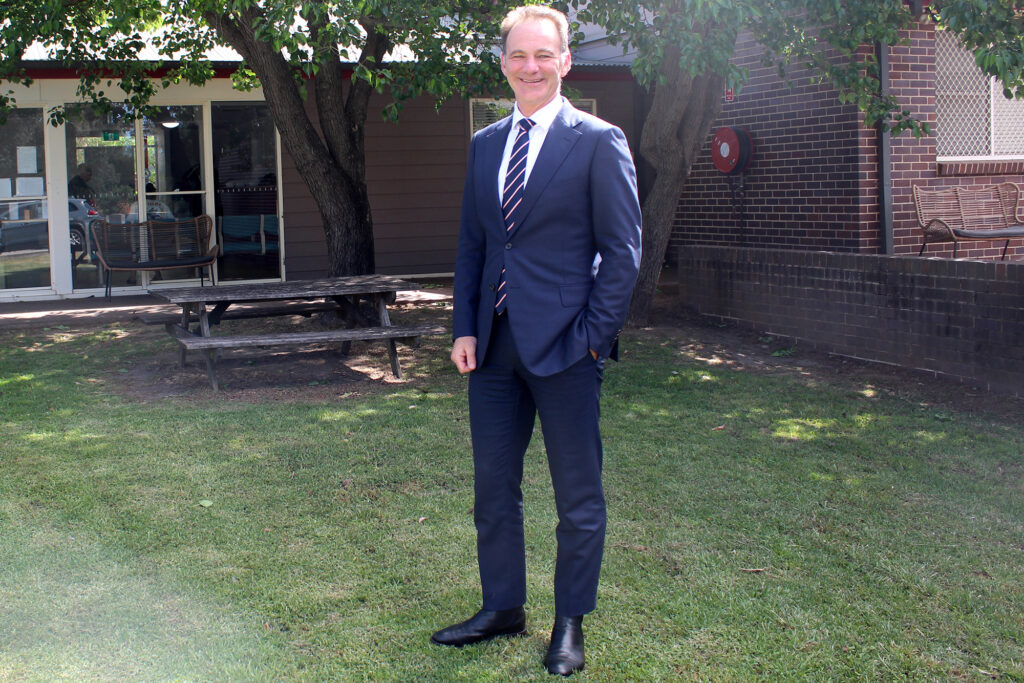 Dr Gray has devoted 22 years to “making a lasting difference to the health of this wonderful and highly diverse community” in his roles – 18 years of which he served as Chair – at SWSPHN and its predecessors the Macarthur Division of General Practice, Sydney South West GP Link and South Western Sydney Medicare Local.
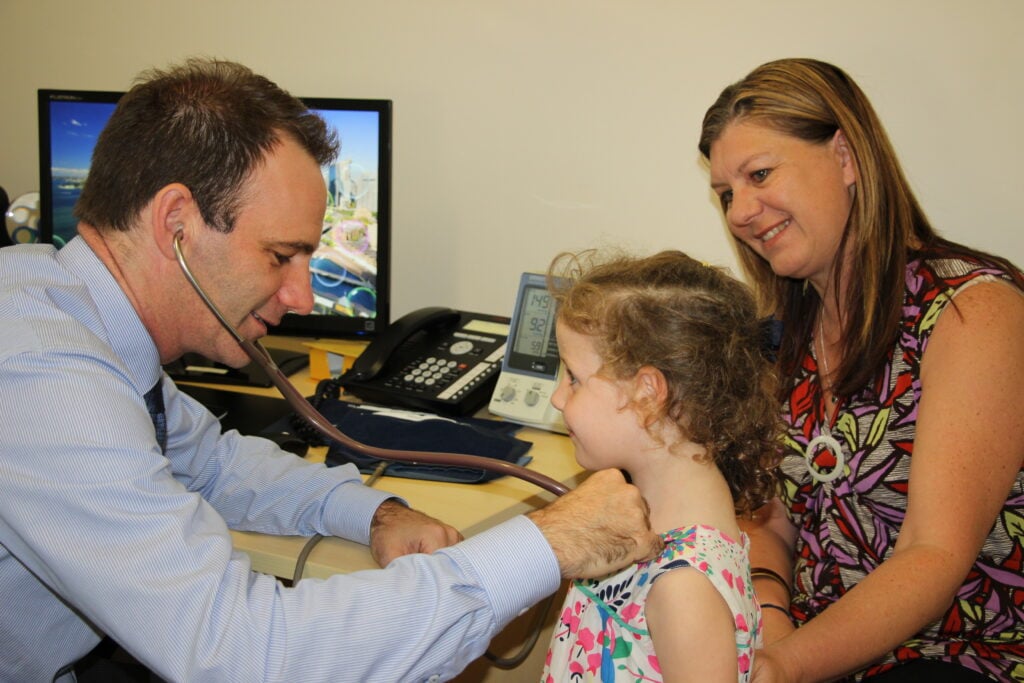
“I joined because it gave me the opportunity to shape primary care in our region, and because I could see the great potential of these organisations to improve health outcomes,” he said.
“One-on-one interaction with a GP is crucial for individual health, and communication and coordination within general practice and primary care is important. But communication and coordination between primary care and other parts of the system is also very important.
“Through being part of these organisations, I saw I could have a real role in improving the quality of healthcare for people in our community, particularly in terms of access to services and workforce development.”
Dr Gray said SWSPHN had a special role in the complex Australian health system, focussing on the three Cs – commissioning based on a sound understanding of, and planning based on community need; coordination and integration which bridges gaps and joins services “like glue that binds things together”; and building the capacity of the primary care workforce.
“Over the last 10 years we’ve grown and matured to become a safe and trusted pair of hands for implementing policy for the Commonwealth on the ground in our community,” he said. “The government has seen how we can assist greatly in translating national policies into a local and nuanced solution for our community.”
He said he was pleased SWSPHN had maintained its strong links with local GPs, while at the same time overseeing changes in primary care including the expanding role of practice nurses and strengthening and growing multidisciplinary team care.
Dr Gray made special note of the relationship between SWSPHN and South Western Sydney Local Health District and more generally, the interaction between hospitals and acute services and primary care in our region, which he said had “led the way for our state”.
 He said SWSPHN had also developed strong community roots, one of the goals the Board had set at the beginning of his tenure.
“We wanted to develop relationships and partnerships with other organisations which would contribute to the quality of services, to help lift the health and wellbeing of our community.
“I’m thinking, for example, of the work we’ve done with Aboriginal Torres Strait Islander communities. By developing relationships with organisations such as Gandangara Local Aboriginal Land Council and Tharawal Aboriginal Corporation, we’ve gained a better understanding and appreciation of the needs of First Nations people,” he said.
“This means the work we’ve done with the Integrated Team Care program can better support Aboriginal and Torres Strait Islander people with access to the wrap-around services they need and the day-to-day one-on-one health consultations.”
Establishing a well-governed organisation was – and remained – a priority for SWSPHN’s first Board, Dr Gray said. “As a Board member, I think the governance of an organisation is paramount,” he said. “Ten years on, SWSPHN is rigorously governed and we deliver our operations with excellence.”
Two of the challenges SWSPHN has faced over the past decade – the COVID-19 pandemic and attracting the right workforce to our region – also became opportunities to positively impact the health of our region.
Dr Gray said he couldn’t have imagined the key role SWSPHN would play in the COVID-19 response 10 years ago.
He said SWSPHN staff did well to quickly provide support to general practices – through up-to-date communications, PPE delivery, testing, vaccination rollout and other health measures put in place during this period.
In terms of our region’s primary care workforce, Dr Gray said we needed to attract people to primary care roles and professions to be able follow the guiding principle of providing the right care, in the right place, at the right time by the right person.
“Evidence shows prevention and early intervention are important to the health and wellbeing of the community and takes pressure off acute and hospital services, which by definition should be there for more significant presentations.
“The first challenge is to get the distribution right between primary and acute hospital services, and workforce. Then, we as a region, have the challenge of attracting staff to both rural – which may have some incentives – and outer Sydney areas.
“SWSPHN has been working to identify the needs for our workforce and to put in place strategies to attract, retain and support our workforce.”
How has the role of primary care changed and evolved during the past 10 years?
Dr Gray said one of the changes to general practice during this period was the move from shorter and acute-based interactions with patients to more chronic illness and prevention.
“At the same time the population has expanded, so we’ve had to work to broaden the scope and the involvement of everyone in the primary care team, which again is an achievement,” he said.
“Our PHN has done really well when I think of programs like NewGen for nursing and the professional development we offer to primary care providers. And now, we have increasing involvement with allied health providers.
“Mental health has been an increasing area of concern for people in our community. I’ve seen a gradual development in the coordination role of GPs, and SWSPHN assists in setting up services and ensures coordination and communication of those services for our GPs and practices.
“We’ve also had a pandemic and natural disasters which we wouldn’t necessarily have played a key role in back in the Macarthur Division of General Practice days.
“It’s a testament to the work of PHNs and the role they’re able to play, that governments have recognised our importance in those areas.”
Dr Gray said his role as Board Chair had given him the opportunity to learn from many interesting, capable and committed people, who had helped him grow in confidence and identify new strengths.
“I’ve had the opportunity to talk to government ministers, local politicians, local health district board members and chiefs – lots of conversations, experiences and engagements. I’ve now got more clarity about what I’ve been trying to achieve and the importance of primary care.”
His final message:
“We are stronger if we work together to deliver a collective impact.
“Thank you to this organisation and my colleagues, and to the community for giving me the opportunity to do this work for such a substantial period of time.”