


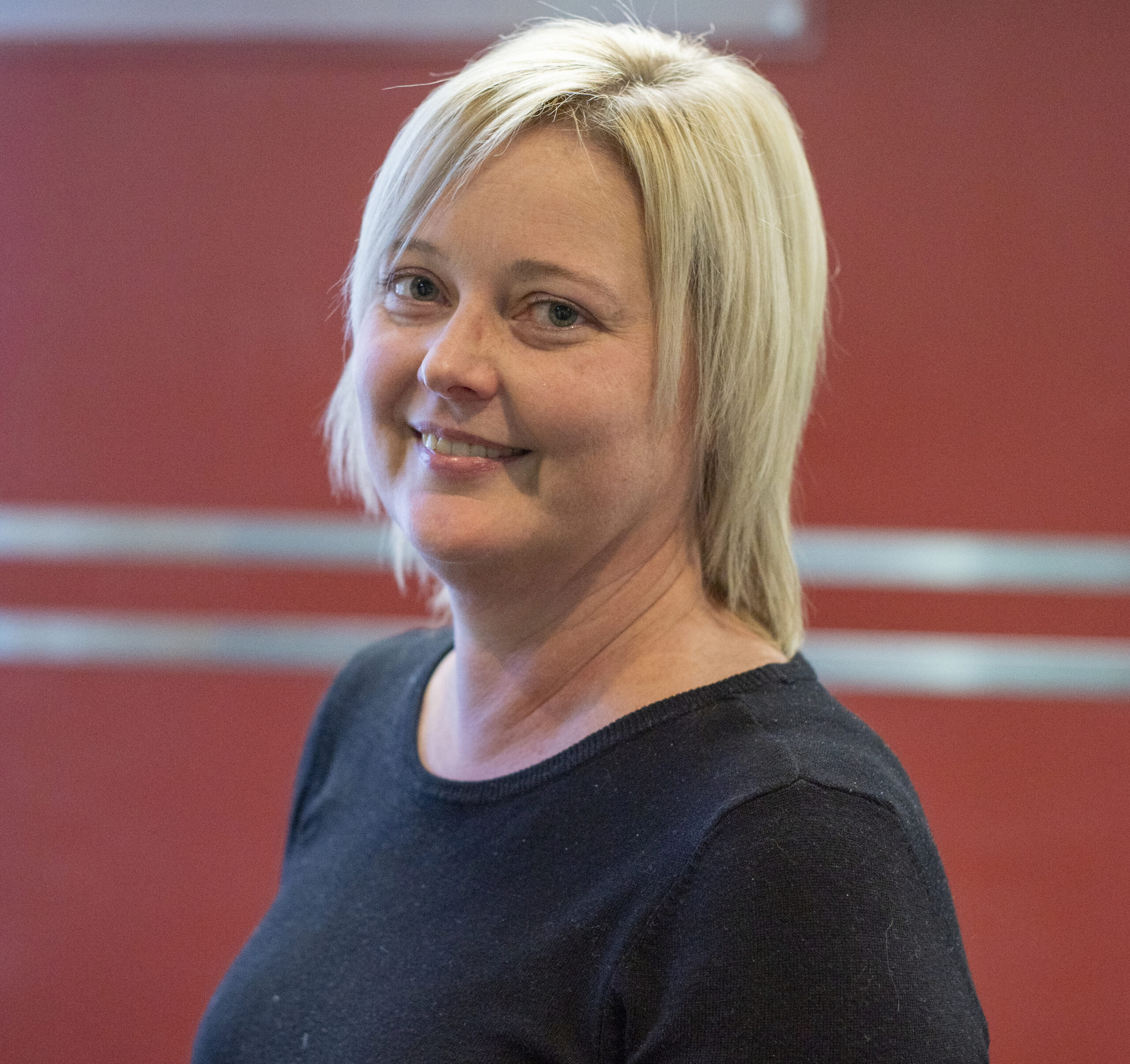
Practice nurse and clinical manager Rebecca Cade, from Macarthur General Practice has always had an interest in healthcare. Working across a wide range of specialties, her current role includes managing incidents, coordinating practice nursing students within the clinic, and ensuring clinical guidelines are accessible to her team.
How long have you been a practice nurse/clinical manager working in the Macarthur region?
I commenced work at Macarthur General Practice in 2012.
When/why did you decide to pursue a career in nursing and specifically in primary care?
I have always been interested in the healthcare field and did nursing for my Year 10 work experience on a paediatric ward. Nursing appealed to me as I’m someone who gets bored relatively easily. I liked there was an array of different specialty areas to work in and different career paths to explore (clinical versus management).
I spent the first 16 years of my nursing career in the acute care arena (predominantly intensive care and trauma nursing). I made the decision to move into primary care after experiencing some of my own health challenges. Unfortunately, the public health system wasn’t as understanding and/or flexible as I would have liked so I really had no choice but to leave and find another area of nursing that would be more accommodating.
Tell us about your role in the practice?
My current role is varied and can include anything from incident/complaint management to coordinating the placement of nursing students within our practice.
The main aspect of my role, however, involves ensuring evidence-based guidelines are incorporated into our clinical practice. Research has shown that merely publishing evidence-based guidelines is not a guarantee the recommendations will be incorporated into practice or indeed that clinicians will feel equipped to do so. My role is essentially taking these clinical guidelines and ensuring they are accessible to our clinicians in the most appropriate format. This may mean writing a policy or, for example, developing standardised decision support tools for clinicians to use at the point of care.
As part of this I am responsible for the development of our nurse-led clinics. Ensuring we are fully utilising the skills and experience of our nursing staff is essential. Practice nurses often do not get the chance to fully utilise their skill set – this leads to not only recruitment and retention issues but not letting them practice to their full potential is, quite frankly, a waste of a valuable resource.
Utilising our nurses in nurse-led clinics provides our patients with the opportunity to receive a comprehensive assessment, a tailored treatment plan and education in relation to a particular aspect of their health (for example, osteoporosis). The clinics not only empower patients with the knowledge needed to manage their health condition but frees up our GPs for patients with concerns that cannot be addressed by the practice nurse.
What do you love about your role and what do you find most fulfilling about it?
I love working in an environment where everyone is dedicated to making sure we deliver the best possible care to our patients. Being an independently owned practice means I’m not faced with a lot of the bureaucracy of some facilities and the practice owner/principal GP is open to pretty much any idea that will improve patient care and/or the patient experience, which gives me a lot of freedom within my role.
What is your biggest challenge as a PN/Clinical Manager and how do you overcome this?
The biggest challenge is there are not enough hours in the day to achieve everything I would like. The list of nurse-led clinics that could potentially be implemented to benefit our patients, for example, is endless however they do take considerable time to develop so it’s about constantly prioritising what is most important for our patient group and clinicians in the current clinical climate.
For the last two years, this has meant concentrating on making sure our policies relating to COVID-19 vaccinations and supporting pre-vaccination screening, eligibility assessment, consent forms etc have been up-to-date with the latest, at times, constantly changing, clinical guidelines.
Tell me about your ideal work day
My ideal work day would be one in which I complete something I have been working on! A lot of research and time goes into developing a nurse-led clinic, so it’s always satisfying when the development of a clinic is completed and ready for our nurses to implement.
What do you like to do in your spare time?
The beach is my happy place and I love spending time there although I don’t get there nearly as much as I would like. I also enjoy pottering around the garden at home and am about to start some mini renos within the house (the bathroom is first on the agenda!).
I also have a French Bulldog, Sophie, who I enjoy doing various forms of training (eg obedience, agility) with. Sophie is a qualified pet therapy dog, so we usually attend a visit to local healthcare facilities once a week. These visits are generally for the patients, however more and more facilities are recognising the benefits to staff and are booking visits purely for their staff members.
Do you have any role models and why?
I don’t have any role models in the traditional sense. I tend to admire/respect normal, everyday people who find themselves in adverse situations and deal with it with strength and grace. During my time in intensive care/trauma nursing I met many families who amazed me with the strength they showed in face of unbelievable tragedy.
How do you help educate your patients and colleagues about maintaining good health?
I help educate our patients about maintaining good health indirectly by developing resources (handouts etc) for our clinical staff to use and distribute to our patients. There are a lot of developed resources available that can be sourced, but I often find these contain too much information. It’s important we don’t overwhelm our patients but provide them with bite sized chunks of information targeted towards their health situation – they are much more likely to be receptive and take on board the information this way.