20 November 2026

Planning for a sustainable and future-ready healthcare workforce, ensuring our commissioned services generate meaningful outcomes for consumers and strengthening South Western Sydney PHN’s voice as a regional leader, are among the key priorities for newly appointed CEO Amy Prince.

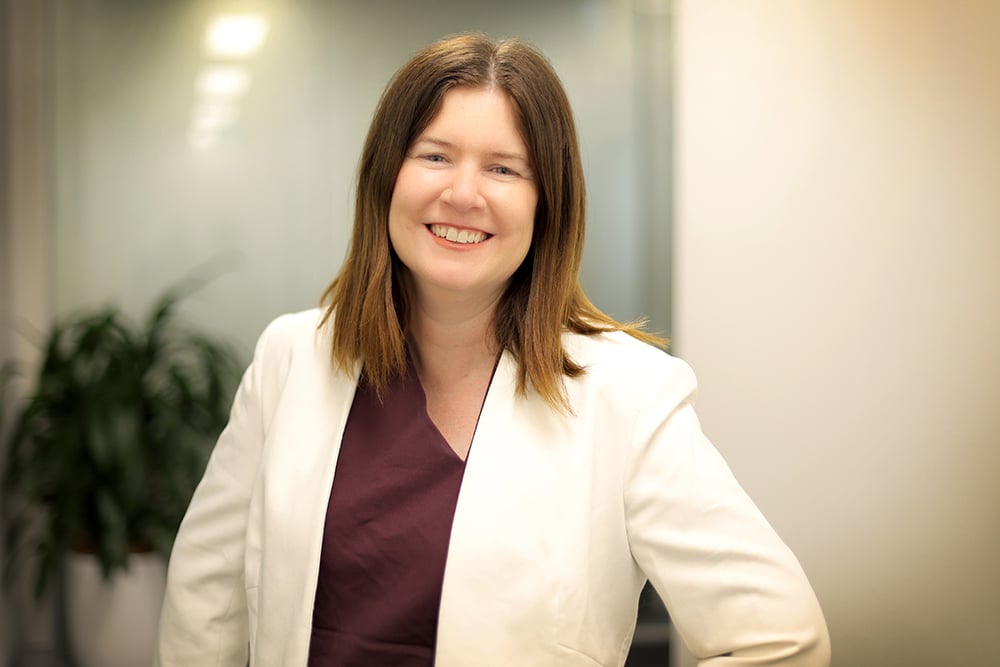
Ms Prince (pictured) was permanently appointed to the role on Monday, 26 October following a competitive external recruitment campaign.

She had served as Acting CEO for 15 months before her permanent appointment, providing steady and stable leadership during a period of transition for SWSPHN, following almost a decade of leadership under the late Dr Keith McDonald PhD.

Ms Prince said she was honoured to be appointed to the CEO role.

“I’ve spent much of my career with SWSPHN and the people in it mean a great deal to me,” she said.

“I have a deep love and connection to South Western Sydney where I’ve lived and worked my whole life. It’s a region that I really care deeply about. I get to work in a great organisation serving my own community – I feel very fortunate for that.

“It is a lot of responsibility, but I’m fortunate to have an incredibly capable team around me and I’m confident about what we can achieve together.”

Ms Prince’s tenure at SWSPHN and its predecessors began in 2009 when she joined the Macarthur Division of General Practice as a Practice Support Officer. Other roles have included Practice Support Team Lead, After Hours Primary Care Officer and Population Health Coordinator/Research Coordinator NSW IMPACT.

Her substantive leadership roles at SWSPHN have been Director of Planning and Performance since November 2017 and Commissioning Manager from 2016.

Ms Prince, who holds a Master of Public Health and Master of Business Management, said her passion for population health and its approach to improving healthcare led her to her first role in Practice Support.

She said Practice Support was the most challenging of her roles, but also rewarding.

“Working with general practices taught me a lot about persistence and building relationships.

“Practices are incredibly busy, and you’re often competing with a lot of other priorities for their time and attention. You have to be prepared to put yourself out there, demonstrate the value you can bring and earn their trust, do what you say you will. Over time, you build some really strong relationships.”

When asked about her leadership style, Ms Prince described herself as “open and collaborative”.

“My team know they can challenge me on things if they think I’ve got it wrong. That’s welcomed and it’s all part of the dynamic.

“I don’t think good leadership is about having all the answers. It’s about bringing different perspectives together, having honest conversations and working towards the best outcome.

“That’s why our new organisational value of ‘collaboration’ – which joins our other organisational values of trust, empathy, courage, fairness and integrity – really resonates with me,” she said.

Ms Prince said her 15 months as acting CEO had taught her to trust her judgement more and given her greater confidence in her decision-making.

“What I’ve learnt is that there are no perfect decisions – you have to weigh up the risks and benefits of each option and make the best decision you can,” she said.

“That was Keith’s parting advice for whoever took this role: ‘be prepared for ambiguity, decisions will often need to be made with incomplete information at hand’.”

Ms Prince said during their 13 years working together, Dr McDonald had shown her the value of being calm, collected and methodical in his approach to leadership.

“I loved working with Keith,” she said. “He taught me it’s okay to make a mistake and to treat people kindly if they come to you with a mistake – you can always work through whatever happens. You could go to him with anything and he would be ‘okay, this is the next thing we’re going to do’.

“When someone is calm and consistent and you know what you’re getting every day, it makes you trust them.

“He had such an impact – both within and outside our organisation – because he listened and gave people just a snippet of good advice exactly when they needed it.”

Ms Prince said she was excited about SWSPHN’s future and the opportunities presented by our new Strategic Plan 2026-2031.

“The strategic plan gives us a clear pathway towards what we want to achieve,” she said.

“It’s about making sure we have the right foundation in South Western Sydney to deliver the best quality care for the residents of our region.”

The plan focuses on delivering a sustainable healthcare system, while ensuring the care provided is high quality. It also highlights SWSPHN’s role in speaking on behalf of our region, leading reform and developing partnerships to drive innovation.

Ms Prince said while SWSPHN’s strategic plan was unique to our organisation, it could not be delivered in isolation, “we definitely need and value the partners that we work with to achieve our objectives”.

She said these partnerships were particularly important given one of the biggest challenges facing South Western Sydney: a shortage of healthcare professionals, including GPs, nurses, allied health professionals and specialists.

“As a system, we need to get better at working together, making the best use of the skills and expertise of our healthcare workforce. That means supporting clinicians to work to their full scope of practice and ensuring patients receive the right care, from the right professional, in the right setting.”

Ms Prince said patients didn’t think about healthcare in organisational silos – they expected the health system to work together to meet their needs.

“Partnerships with stakeholders like South Western Sydney LHD, primary care providers, commissioned providers and community are essential to realising the vision patients have of a health system which shares information and works together for the same goal,” she said.

The funding constraints faced by many organisations in South Western Sydney also underscored the importance of working together, given our region’s growing population and an increase in patients presenting with more complex conditions.

Ms Prince said local organisations used their funding as best they could to get the most positive outcomes for their patients, that meant pitching in and working together.

“I don’t think that happens so much in other regions,” she said. “It’s a really positive thing about working in South Western Sydney where people are so passionate about their region.”
10 November 2026

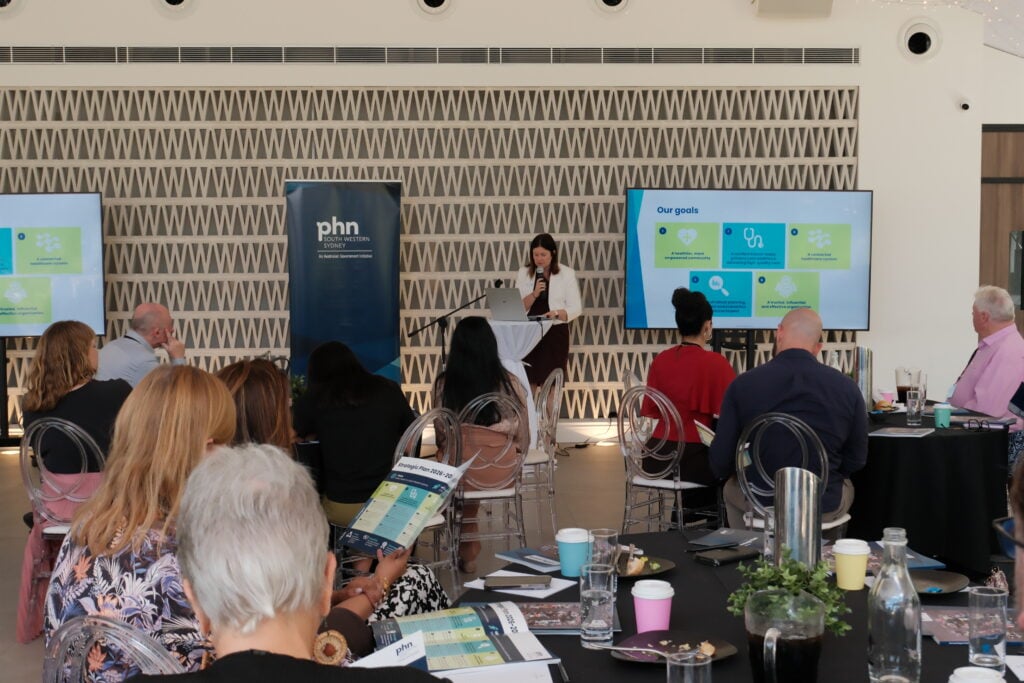
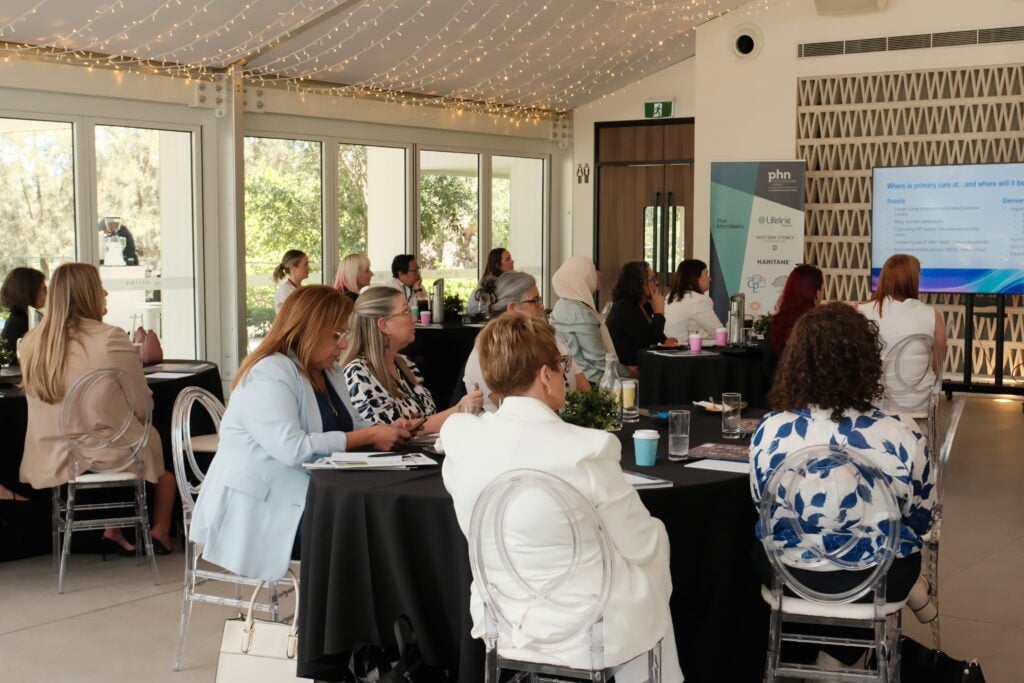
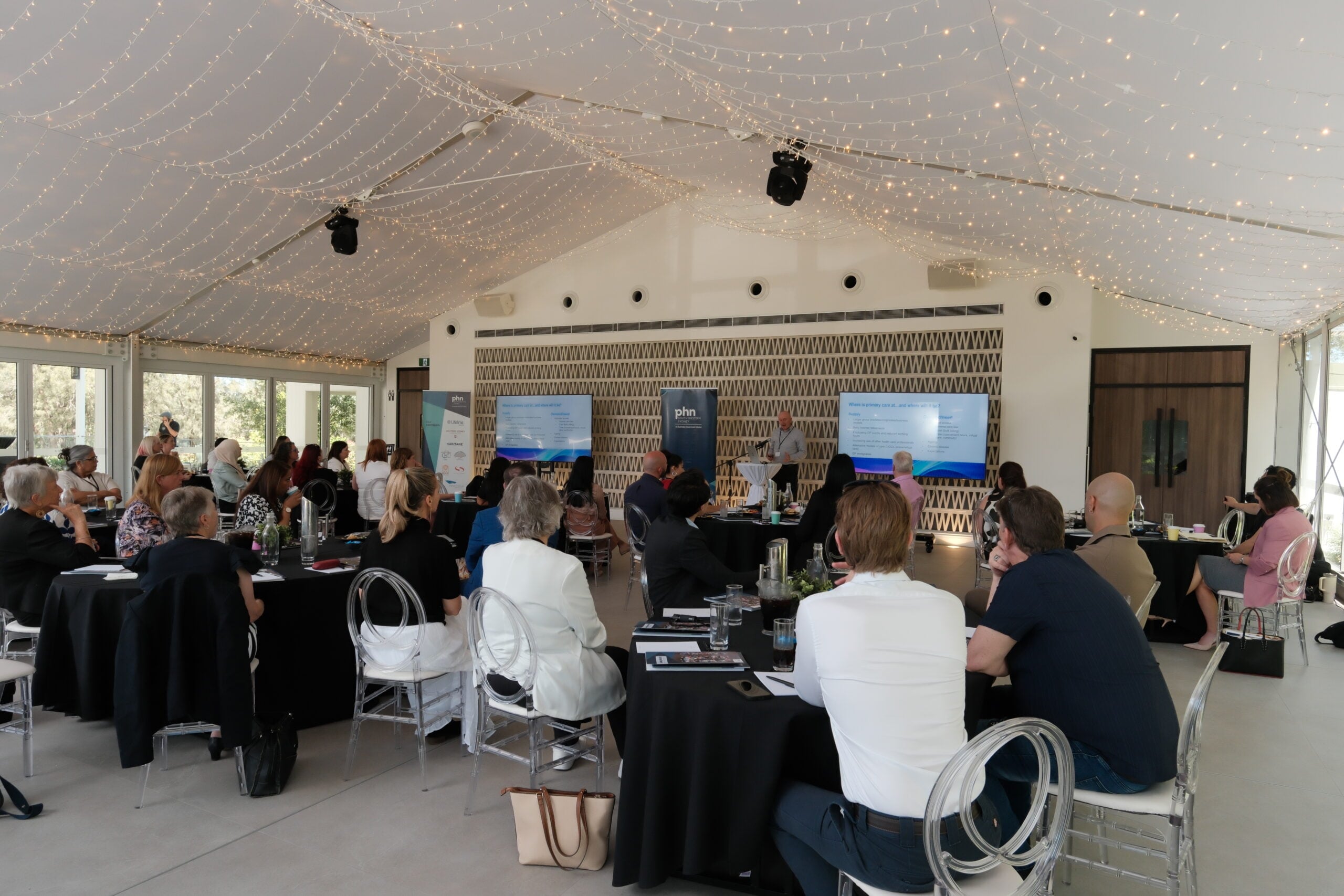
The challenges facing primary care, the importance of collaboration and some of the work underway to improve health outcomes across South Western Sydney took centre stage at SWSPHN’s 2026 AGM Showcase at Ottimo House on 29 October.

Forty-nine people attended the showcase, including SWSPHN Board members and staff, representatives from member organisations and South Western Sydney Local Health District (SWSLHD), committee members and service providers.

SWSPHN Clinical Council Chair Dr Vince Roche welcomed guests and reflected on the significant health challenges experienced across South Western Sydney and the important role primary healthcare plays in creating a more effective and equitable health system.

SWSPHN Board Chair Ms Edwards then formally announced Ms Prince as SWSPHN Chief Executive Officer.


Keynote explores future of sustainable primary care

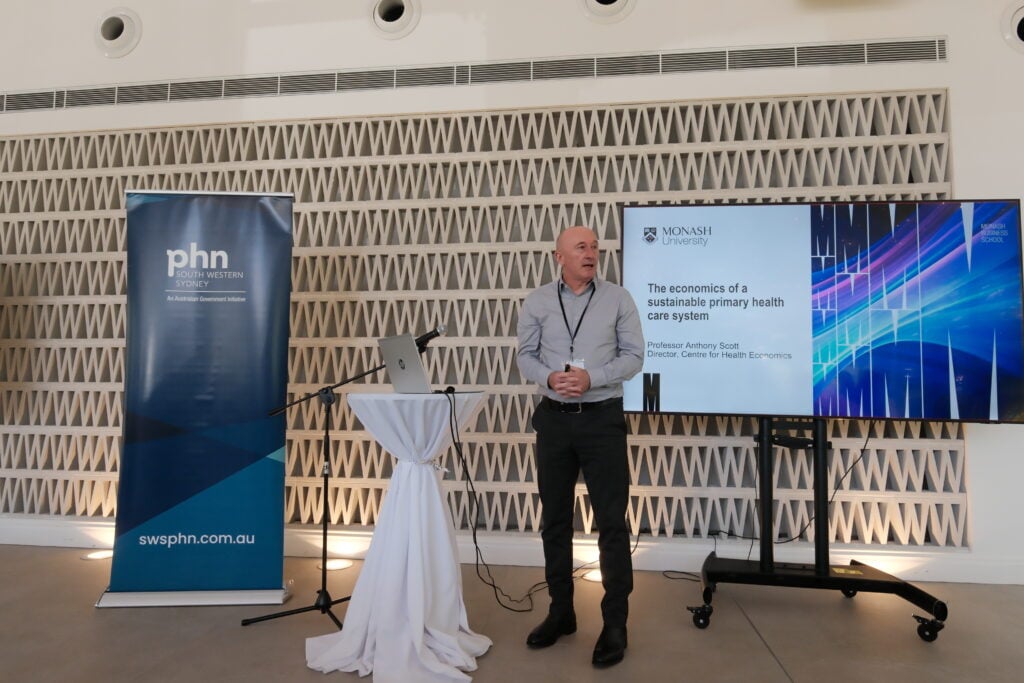
Keynote speaker Professor Anthony Scott, of the Centre for Health Economics at Monash Business School, explored the economics of a sustainable primary healthcare system and some of the pressures shaping its future. 

Professor Scott discussed changes in workforce supply, GP retirements and working patterns, the increasing role of other health professionals, alternative models of care and the growing demand associated with ageing and chronic disease. 

He identified three opportunities for strengthening primary care: increasing workforce supply, improving the balance of care between primary and community care and hospitals, and reforming payment systems. 

Professor Scott highlighted the need to better understand local workforce markets, noting different communities can experience different pressures and shortages. 

He explored the role primary care can play in providing appropriate care at a lower cost to patients, while cautioning that increasing primary care does not automatically reduce hospital or overall health expenditure. 

His presentation reinforced the importance of carefully designed reforms which respond to local population and workforce needs rather than relying on a one-size-fits-all approach. 


Celebrating the past year and setting our future direction

CEO Ms Prince opened the program showcase by paying tribute to former SWSPHN CEO Dr Keith McDonald PhD, who passed away in September.

Dr McDonald led SWSPHN for almost a decade and was a passionate advocate for primary care and the South Western Sydney community.

Ms Prince reflected on his generosity with his time, knowledge and experience and the lasting impact he had on colleagues and partners. Attendees observed a minute of silence in his memory.

The showcase highlighted a small sample of the work undertaken across SWSPHN during the past year, with more featured in the 2025-26 Annual Report, launched on the day.

Ms Prince introduced SWSPHN’s new Strategic Plan 2026-2031, outlining the organisation’s direction for the next five years.

The plan focuses on keeping people well, supporting primary care to meet the needs of a growing population, creating a more connected healthcare system and targeting investment where it can have the greatest impact.


Staff showcase highlights collaboration and local impact

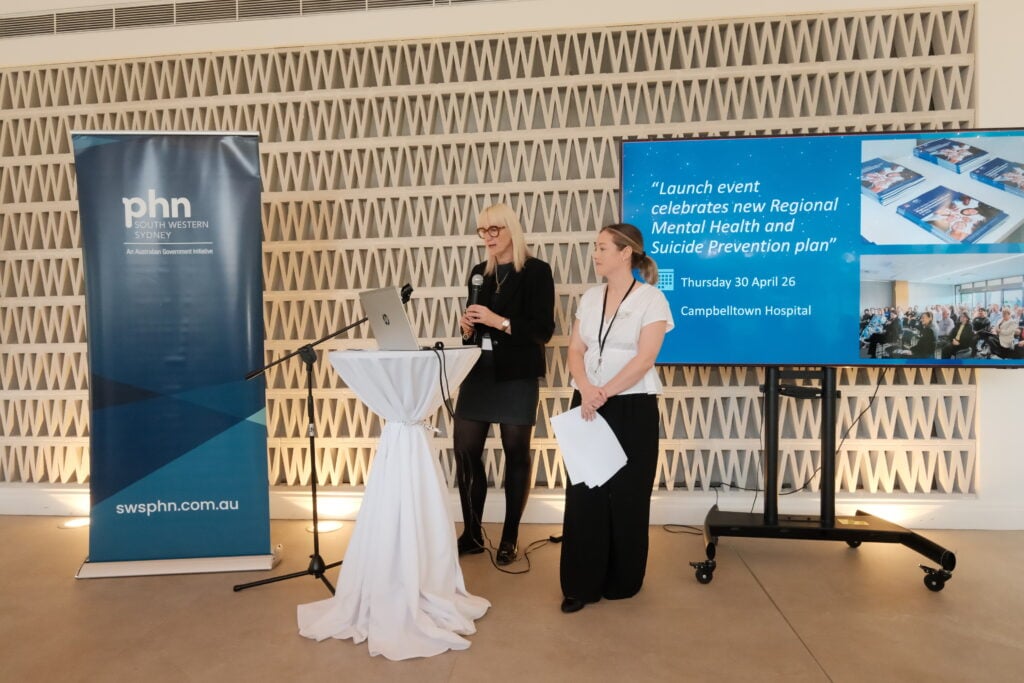
Mental Health and Alcohol and Other Drugs Manager Ms Weidner and SWSLHD Acting Director Community Mental Health and Partnerships Ms Thomas showcased the South Western Sydney Regional Mental Health and Suicide Prevention Plan to 2030.

The joint SWSPHN and SWSLHD plan was developed through a collaborative consultation process, with the experiences of consumers, carers and service providers helping to shape its priorities.

Ms Weidner and Ms Thomas reflected on the plan’s April launch at Campbelltown Hospital, including a moving presentation from lived experience advocate Debbie Roberts about the importance of dignity, clear pathways to care and accessible services.

The new plan includes six objectives and 14 specific actions and builds on the region’s first joint plan, where more than 75 per cent of 128 actions are completed or underway.

SWSPHN’s Ms Noble and Palliative Aged Care Consultancy Service (PACCS) Clinical Nurse Consultant Ms Krebs followed with an update on the Advance Care Planning project.

SWSPHN commissioned PACCS to deliver workshops to increase understanding of advance care planning and support more people in South Western Sydney to have conversations about their future healthcare.

So far, 57 workshops have reached more than 700 participants, alongside one-on-one support that has contributed to 136 known completed Advance Care Directives.

Workforce Engagement Coordinator Mr Chiew then explored SWSPHN’s work to strengthen multidisciplinary team care, highlighting how successful collaboration relies not only on programs and funding, but on trust, professional relationships and understanding the roles different clinicians play.

Initiatives showcased included the MTC-HEAL program, multidisciplinary small grants in Fairfield, allied health outreach and The Common Ground newsletter and CPD series.

Through six Common Ground events, GPs, nurses and allied health professionals have come together to explore priority health issues from different professional perspectives and build stronger connections between professions.

As Mr Chiew told attendees: “Before we can connect care, we need to connect people.”

Director of Innovation and Partnerships Ms Short closed the staff presentations with a look at general practice sustainability in South Western Sydney.

Ms Short highlighted an ageing GP workforce, a high proportion of solo general practices and ongoing recruitment, retention and financial pressures.

Since SWSPHN began tracking practice closures in September 2023, 64 practices have closed, while 24 new practices have opened.

SWSPHN is using data and support from across its Workforce, Service Support and Digital Health teams to identify practices which may be at risk earlier and provide tailored support including workforce assistance, succession planning and digital uplift.

This work will contribute to the Greater Western Sydney Primary Care Workforce Strategy being developed in partnership with Western Sydney PHN and Nepean Blue Mountains PHN.


Read our 2025-26 Annual Report

Closing the Showcase, Dr Roche thanked presenters and reflected on the breadth of work highlighted throughout the day. 

The presentations offered just a snapshot of the programs, partnerships and initiatives underway across SWSPHN to strengthen primary care and improve health outcomes for the South Western Sydney community. 

Thank you to our staff, partners and stakeholders whose work and collaboration contributed to the achievements highlighted throughout the Showcase and across the past year. 

Read SWSPHN’s 2025-26 Annual Report to explore more of the work, achievements and partnerships from across the year. 


Read SWSPHN's 2025-26 Annual Report


01 October 2025

Last month South Western Sydney PHN celebrated 10 years of working to improve the health and wellbeing of our local community.

Staff came together at the annual development day to reflect on a decade of proudly building healthier communities in South Western Sydney and to consider how the work achieved so far will continue to shape the primary healthcare landscape and the broader health needs and local services for the next 10 years.

South Western Sydney PHN was formally established on 1 July 2015 by the Australian Government as one of 31 Primary Health Networks across Australia with a remit to reduce service fragmentation and understand and address unmet local health service needs by working with a broad range of stakeholders within primary care and beyond.

Since then we have commissioned services across mental health and alcohol and other drugs, Aboriginal health, multicultural health, urgent care, after hours access and aged care, managing more than 130 supplier agreements. And have maintained our focus on building the capacity of local general practices and health providers to enhance care, and in supporting and enabling the coordination and integration of care services.

During the past decade, PHNs have become experts at establishing and leveraging partnerships to achieve whole of system collaboration and to bring to fruition place-based approaches that truly address health inequities and improve health outcomes.

South Western Sydney PHN Acting CEO Amy Prince told staff it was an exciting time to work in primary care and to continue playing an active role in advocating for stronger recognition of the vital role the primary care workforce holds within the broader health sector.

Ms Prince said SWSPHN was well placed to support and leverage future opportunities within the sector, with the organisation already focused on core infrastructure, including data and digital linkages, to enable our business as usual.

“There are many achievements to celebrate from the past 10 years and I have seen first-hand SWSPHN grow in size, function and impact,” Ms Prince said.

“We have a deep understanding of our local community’s primary healthcare needs and we are proud of the services we have shaped and funded to meet those needs. Our community is at the heart of all we do.

“And we have a deep understanding of the challenges facing the primary care workforce and we are working hard to support general practices and their teams in the face of this change.”

Ms Prince said last financial year alone SWSPHN managed more than $70 million in funding to local providers, and up to 139 agreements across mental health, aged care, Aboriginal health, urgent care, preventative health, chronic disease management and numerous integrated health initiatives.

“Little of the work of PHNs is accomplished in isolation. Partnerships in innovation and service delivery are often the backbone of our success.

“Our strong track record in innovation has enhanced our integration and capacity building efforts. We are focused on interoperability solutions to link hospitals and GPs as well as the development of local medical neighbourhoods through focused care coordination. This is not done is isolation. We work closely with many partners including NGOs, primary care providers and the Local Health District.”

“Our strong track record in innovation has enhanced our integration and capacity building efforts. We are focused on interoperability solutions to link hospitals and GPs as well as the development of local medical neighbourhoods through focused care coordination. This is not done is isolation. We work closely with many partners including NGOs, primary care providers and the Local Health District.”

21 March 2024

Congratulations to SWSPHN’s Integration and Priority Populations Team Lead Anna Dasler on winning the Western Sydney University (WSU) Women of Western Sydney (Indigenous Leadership) Award for 2024.

The Women of Western Sydney Awards celebrate and recognise women who have made significant contributions to the western Sydney community.

Professor Alphia Possamai-Inesedy, Pro Vice-Chancellor, Engagement and Advancement at WSU, is proud to celebrate the achievements of all the nominees and recognises the hard work of women in western Sydney.


“These awards are a significant step in recognising the women who work hard to ensure that western Sydney continues to be a place where the community is supported and growing in a sustainable way,” Professor Possamai-Inesedy said.


Anna is a proud Gamilaroi woman living and working on Dharawal land who is passionate about improving healthcare access and health outcomes for First Nations people.

Within her role at SWSPHN, Anna supports a wide range of projects which focus on enhancing patient care and improving health access for First Nations people.

Anna is also a member of the Community Advisory Council for the Mental Health Commission of New South Wales and brings her voice to issues which affect the well-being of First Nations people.

SWSPHN congratulates Anna, other recipients and all nominees on their amazing achievements.

Visit Western Sydney University’s Website to find out more about the Women of Western Sydney Award winners.


Women of Western Sydney winner
Women of Western Sydney Award winners with WSU Chancellor, Professor Jennifer Westacott AO.