08 February 2023

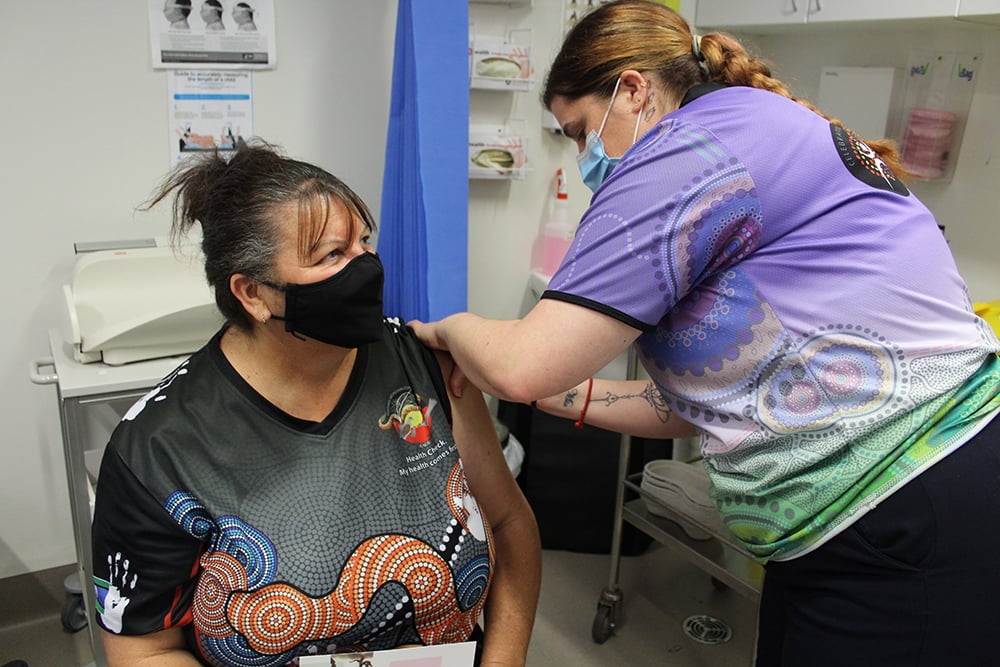
All adults who have not had a COVID-19 booster or a confirmed case in the past six months can now get a 2023 booster – regardless of the number of prior doses received – to give them extra protection against severe illness from the virus.

The extra booster is not recommended for under 18s, except where children aged five to 17 have health conditions which would put them at risk of severe illness.

Bookings are available through the health Service Finder or use ‘Hey Eva’ – Easy Vaccine Access. 

EVA, is a simple callback service to help people book a COVID-19 vaccine. If you need help making a COVID-19 vaccine booking, SMS ‘Hey EVA’ to 0481 611 382.  A trained call agent from the National Coronavirus Helpline will call you to help book your COVID-19 vaccination.

Access COVID-19 booster vaccine advice
06 February 2023

The risk of catching Japanese encephalitis virus (JEV) and other mosquito-borne diseases is higher this summer due to warm, wet weather providing ideal mosquito breeding conditions.

JEV is spread only through mosquito bites and is more common in areas of increased mosquito activity, such as lakes, creeks, rivers and dams. People should also be vigilant around areas where animals that can infect mosquitoes with JEV – such as waterbirds and pigs – are present.

If you’re travelling this summer, it is important to be aware of areas with mosquito activity and follow simple steps to avoid mosquito bites.

People are encouraged to use effective mosquito repellent containing DEET, Picaridin, or Oil of Lemon Eucalyptus on all exposed skin and wear long, loose fitting clothing when outside, especially at dusk and dawn. Mosquito nets or screens should be properly fitted to accommodation and tents. 

Most people who catch JEV will have no symptoms and severe illness is rare. Symptomatic infection usually begins with sudden onset of fever, headache and vomiting. 

A very small proportion of people infected, less than one per cent, may develop a serious illness such as encephalitis and experience symptoms including neck stiffness, severe headache and coma, and more rarely, permanent neurological complications or death.

Anyone experiencing these symptoms should urgently seek medical advice.

JEV cannot be transmitted from human to human nor by consuming meat from an infected animal.

Vaccines are available to those most at risk of infection, based on locality and profession.

Find out more about vaccination Find out more about spread of JEV
21 October 2022

Tharawal Aboriginal Medical Service is encouraging patients to focus on their everyday healthcare needs after two-and-a-half years of focusing on COVID-19, by holding a special pneumococcal vaccination catch-up day.

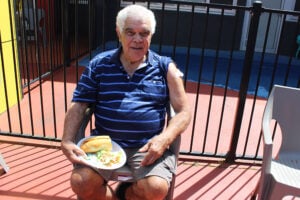
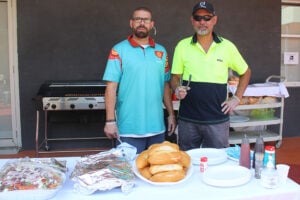
Forty-eight patients who are over 50 received their vaccinations and were invited to enjoy a barbecue lunch at the Airds clinic last Wednesday, 19 October.

The vaccination day was the first of a number of catch-ups Tharawal AMS plans to hold.

Specific groups should get the pneumococcal vaccine including:

  • routine vaccination in infants and children
  • non-Indigenous adults aged 70 years and over
  • Aboriginal and Torres Strait Islander adults aged 50 years and over
  • children, adolescents and adults with risk conditions for pneumococcal disease

Pneumococcal disease is caused by infection which can lead to a variety of diseases including: pneumonia (infection of the lungs), otitis media (infection of the middle ear) and meningitis (infection of the membranes around the brain and spinal cord).

Infection is treated with antibiotics.

Immunisation can prevent infection. You can find information about pneumococcal vaccines on the Department of Health and Aged Care website.

If you have questions, please talk to your GP.

Getting the pneumococcal vaccination      Getting the pneumococcal vaccination      Getting the pneumococcal vaccination

19 April 2022

NSW Health has begun the distribution of the influenza vaccine to GPs, Aboriginal Medical Services, pharmacies and NSW Health facilities ahead of what is expected to be a busy flu season, as borders re-open and COVID-19 restrictions continue to ease.

The RACGP and the Consumer Health Forum are urging people to get their flu vaccination – and get their vaccination early – warning we could have a potentially ‘monster’ flu season ahead. Some Northern Hemisphere countries have seen a concurrent surge of flu and COVID-19 activity.

Annual vaccination should ideally occur before the onset of each influenza season, which usually occurs from June to September. While protection is generally expected to last throughout the year, the highest level of protection occurs in the first three to four months after vaccination.

The annual flu vaccine is recommended for everyone aged six months or older.

It’s free under the National Immunisation Program (NIP) for children aged six months to five years and adults 65 years and over, as well as pregnant women, Aboriginal and Torres Strait Islander people, and people with certain medical conditions.

Please remind your patients: the flu vaccine does not provide protection against COVID-19 and the COVID-19 vaccine does not provide protection against the flu. They need to have both vaccines, which can now be given on the same day.

If your patients have questions about flu vaccination, please direct them to the FAQs page on the healthdirect website.

To access resources for general practice, visit:

28 January 2022

People travelling overseas for a holiday, for business, backpacking, visiting friends and relatives or involved in charity work, should have a travel health assessment with their GP at least six to 12 weeks before departure, for a check-up and to discuss required and recommended vaccinations for specific regions.

Travellers should be aware there are some health problems associated with international travel which are vaccine preventable.

Visit Smartraveller (Department of Foreign Affairs and Trade) for more information.

28 January 2022

Why immunise?

Immunisation is the best way to protect the community from serious diseases.

The more people who immunise their children, the more we can control serious vaccine preventable diseases. High rates of immunisation produce herd immunity within the community. This keeps safe our most vulnerable community members, like babies and people who are very ill. 


How do vaccines work?

Vaccines significantly reduce the risk of infection by working with the body’s natural immune system to safely develop immunity to disease.

When a patient swallows or is injected with a vaccine, their body produces an immune response in the same way it would following exposure to a disease but without them getting sick from the disease.

If someone is exposed to the disease in the future, their body will be able to make a response fast enough to prevent them from getting sick, the antibodies will recognise the disease and fight it off. Sometimes, vaccines can cause minor symptoms, such as fever. Such minor symptoms are usually normal and should be expected as the body builds immunity.

All vaccines registered in Australia by the Therapeutic Goods Administration (TGA) are evaluated to ensure they are effective, comply with strict manufacturing and production standards, and have a strong safety record.


Who needs vaccinations within the community?

Every member of the community will require vaccination at some stage to ensure ongoing good health and protection against vaccine preventable diseases. 

Viruses and bacteria which cause sickness and death still exist and can be passed on to those who are not protected by vaccines.

However, certain members of the community may not be able to be vaccinated for medical reasons.  GPs can help patients to decide when and whether they need vaccinations by reviewing any underlying health conditions, assessing age appropriate vaccinations, as well as discussing any lifestyle or occupational hazards which may be encountered.

For more information on vaccines make an appointment and talk to your GP.


Resources for community

You can find out more information at:

28 January 2022

Before pregnancy


Influenza (flu)

Flu in pregnancy can be serious with an increased risk of premature labour and low birth weight. Flu vaccination during pregnancy is safe and effective and is strongly recommended for all pregnant women. Flu vaccine is free for pregnant women and also provides protection for babies in the womb and up to six months after birth.


Whooping cough (pertussis)

Whooping cough is an infection which causes serious illness, and in some cases death, in babies who are too young to be vaccinated. The whooping cough vaccine protects mothers and their newborn from infection and is recommended before pregnancy or in the last three months of pregnancy if the patient has not had the vaccine in the last five years.
 

MeaslesMumps and Rubella

If a patient catches measles, mumps or rubella during pregnancy she could have a miscarriage, premature delivery or their baby could be born with serious birth defects. If patients are not yet protected, they should be vaccinated. It is important women do not become pregnant for 28 days after vaccination.
 

Chickenpox (Varicella)

Chickenpox can cause severe birth defects if caught during pregnancy. If patients are not yet protected, they should be vaccinated. It is important women do not become pregnant for 28 days after vaccination.
 

Hepatitis B

All pregnant women are tested for hepatitis B infection, as it can pass to their baby during birth. If an expectant mother has the disease, they should be seen by a specialist and their baby will need to be treated with a medication called immunoglobulin and receive hepatitis B vaccine immediately after birth.


Following birth

It is safe for new mothers to receive routine vaccinations immediately following birth, even if they are breast feeding. Patients should have the whooping cough vaccine if they have not received it in the last five years or the MMR vaccine if they are not immune to measles or rubella.

A baby’s first vaccination, hepatitis B, is recommended just after birth. The next scheduled vaccinations are due when babies is six to eight weeks old.

28 January 2022

Vaccinating children

In Australia, immunisation coverage rates for children are high. 

More than 90 per cent of children are fully immunised at one, two and five years of age. This high rate of immunisation helps to maintain herd immunity, especially for those who are too young to be immunised or those who are not able to be immunised for medical reasons.

Children under five are especially susceptible to disease because their immune systems have not built up the necessary defences to fight infection. By fully immunising on time, you can protect your child from disease and also protect other children at school or day care.

Children get so many immunisations because new vaccines against serious infections continue to be developed. The number of injections is also being reduced by the use of combination vaccines, where several vaccines are combined into one injection.


Tracking a child’s immunisation record

The immunisation history statement helps parents and doctors keep a child’s vaccinations on schedule. 

An immunisation record starts when a child receives their first vaccination and is updated with each vaccination visit. Parents can keep track of their child’s immunisation statement by requesting an Australian Immunisation Record (AIR) statement in the following ways:

Immunisation History Statements are necessary for childcare and school enrolment, employment at certain workplaces and are currently used by Medicare and Centrelink to determine eligibility for some family assistance payments.


Save the Date to Vaccinate

Vaccines provide the best protection if they are given on time. Stay up-to-date with your child’s vaccinations. 

Download the Save the Date to Vaccinate app, set up a family profile and the app will create recommended immunisation schedules, along with handy reminders for when vaccines are due.

Download NSW Health’s Save the Date to Vaccinate app from the Apple App Store or Google Play
Find out more about the Save the Date to Vaccinate app 


Vaccinating adolescents

NSW Health works in partnership with schools to offer the vaccines recommended for adolescents by the National Health and Medical Research Council (NHMRC) in a school-based vaccination program.
Parent information kits are sent home to parents early in the school year. To consent to vaccination, parents are advised to read all the information provided, complete and sign the consent form and return it to their child’s school.

NSW School Vaccination Program 2021


Intensive English Centres (IECs)

Newly arrived migrants (including refugees) attending Intensive English Centres (IECs) are offered vaccines based on student age. Speak to a GP or other healthcare provider for more information.
Information about the vaccinations is also available in 26 community languages.


Distance education/home-schooled students

Students who are enrolled in distance education or who are home-schooled are advised to attend their GP or other immunisation provider for free age-appropriate vaccinations.
For more information about the NSW School Vaccination Program in your area contact your local public health unit by calling 1300 066 055.

28 January 2022

It is important for adults to be protected against the following diseases:


Herpes-zoster (shingles)

Herpes-zoster (shingles) is rash caused by the varicella zoster virus (VZV). People who have had chickenpox are at risk of developing shingles as the virus can reactivate years later. One in three people will develop shingles in their lifetime. As a person gets older, the risk of getting shingles increases. Although most people recover within a few weeks, some go on to develop chronic nerve pain called post herpectic neuralgia. This may be severe and can sometimes go on for months.

A dose of shingles vaccine can be given to adults 50 years and over.

The shingles vaccine is provided free for people aged 70 to 79 under the National Immunisation Program. To receive the immunisation, visit a GP or vaccination provider. 


Measles-Mumps-Rubella (MMR)

Measles outbreaks occur in some communities mainly as a result of unvaccinated travellers and visitors importing the disease from overseas. It is important to be adequately protected. Most people born before 1966 will have been exposed to the wild-type measles virus and therefore do not require vaccination, while people born after 1966 require two doses of MMR vaccine (at least one month apart).


Whooping cough (pertussis)

Whooping cough (pertussis) is an extremely contagious respiratory infection. The disease causes uncontrolled coughing and vomiting, which can last for several months and can be particularly dangerous for babies under the age of 12 months. Whooping cough is spread when an infected person talks, coughs or sneezes small droplets into the air, which may be breathed in by those nearby. Infection may be spread by contact with hands, tissues and other articles soiled by infected nose and throat discharges.

Whooping cough can cause severe disease in the elderly. A single booster dose is recommended for older people if they haven’t received a previous dose in the last 10 years. 

09 February 2021

The Department of Health has released the annual immunisation data for 2020 by PHN region. The results highlight South Western Sydney is continuing to lag behind the rest of the country when it comes to children under three years. However, our immunisation rates improve as children reach school age.

The following are the immunisation rates for our region:

  • Children 12 – <15 months: 93.81 per cent (ranked 28th of 31 in Australia)
  • Children 24 – <27 months: 91.06 per cent (ranked 26th of 31 in Australia)
  • Children 60 – <63 months: 95.4 per cent (ranked 15th of 31 in Australia)

To support practices, SWSPHN is running quarterly overdue immunisation reports for all accredited practices in the region. Your PSO may talk to you about how many children attending your practice are overdue and discuss ways of working with the PHN to assist raising our overall immunisation rates.