28 October 2021

Nurses are invited to enrol in Diabetes Qualified’s Diabetes in Practice for Nurses eLearning.

The CPD-accredited online course is for practice and enrolled nurses looking to increase their diabetes knowledge.
Learn more

02 September 2021

It’s not too late to register for the Diabesity Masterclass 2021 Series which is held Mondays, 7pm to 8.30pm via Zoom and runs until 25 October.

South Western Sydney Local Health District and South Western Sydney PHN will present over the next three weeks of the 12-week program.

The presentations will cover:

  • September 6: Diabetes in Pacific Islander and Aboriginal People
  • September 13: Starting and Adjusting Insulin
  • September 20: Diabetes in the Child-bearing Years

To view the full program

Once you’ve registered you will have access to view the presentations from weeks one to five on the myINTERACT app. You can also still receive a Certificate of Attendance to be used to claim CPD points.

The event is for GPs, pharmacists, diabetes educators, practice and community nurses, endocrinologists, dietitians, exercise physiologists, psychologists and podiatrists to better equip them with the skills to better manage type 2 diabetes.

To register

18 August 2021

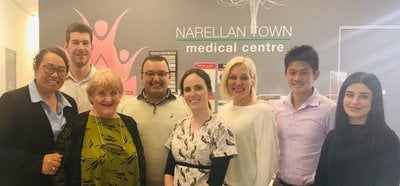
Narellan Town Medical Centre’s Dr Bilal Karime is committed to ensuring the best health outcomes for his diabetic patients through a weekly diabetes clinic which provides education, monitoring, access to allied health staff including a senior diabetic educator, and the time and follow-up care needed to combat a chronic condition.

Dr Karime has shared his experiences with SWSPHN.


Where did your passion for diabetes care originate?

It all started 20 years ago. My mother passed away because of a stroke. She had a background of diabetes and suffered complications – and she did suffer a lot. May she rest in peace.

I was not able to help her as I was away in Australia. I felt the pain of losing the most beloved person in my life – my mother – because of this disease.

It motivated me to do an Honours Degree investigating the effects of maternal renal disease on fetal kidney development and function, followed by a Masters of Medicine researching the development of vascular disease in diabetic pregnant women. 

During my residency in the Neurology Department at Liverpool Hospital, I treated a large number of stroke patients with diabetes mellitus. I organised extensive diabetic education, inpatient endocrinology consultations and follow up with GPs.

When I moved to family medicine clinical practice in the country, I started treating large numbers of diabetic patients and found larger numbers of patients with metabolic disorders, obesity, insulin resistance, pre-diabetes and diabetes when I moved to Narellan.

I am focusing on metabolic disorders, in particular obesity, insulin resistance, pre-diabetes and diabetes.

My passion as a doctor is to treat patients and ease suffering. My passion as a person is to dedicate all my achievements in treating diabetes to my mother.


What care do diabetic patients receive at your practice?

For patients

  • Screening and identification of diabetic patients.
  • Assessing patients for their understanding about the implications of their condition and their readiness to comply with treatment.
  • Educating about the condition and its implications, discussing and confirming commitment to the care we are about to offer.
  • Explain the diabetic cycle of care step by step to patients while offering written information.

Our team

The diabetic clinic team includes:

  • Senior diabetes educator
  • Dietician
  • Exercise physiologist
  • Podiatrist
  • Optometrist
  • Pharmacist

It all starts with the administration staff/receptionist who books the patients for a diabetic review. The patient starts the review with the nurse who has been trained in the diabetic cycle of care. The nurse does initial assessment and examination, and later discusses the outcome of her review with me with an initial recommendation.

Next, the patient sees one of our allied health staff, depending on their needs.

After reviewing the patient, all allied health team members write a report about the progress and management of the patient.

The last step is a medical review with the doctor. We sit down with the patient and we (doctor and patient) decide on treatment and if a medications review and adjustment is needed, address comorbidities, investigate further or refer depending on needs.

One of the most important steps is giving the patient a diabetic bloods referral


What is key to the success of your clinic?

  • Effort and persistence of screening, detecting, educating and treating diabetic patients.
  • Teamwork – like well-oiled machine
  • Evidence-based medications management and using the most advanced suitable drugs as per RACGP and TGA standards.
  • Never give up on education. I have found a large number of diabetic patients are not aware of the consequences of diabetes. Once educated, the results are great. For instance, last year and during a telehealth consult, the patient requested repeats of her medications. I reviewed her clinical notes and found her last HbA1c was done 16 months before and it was 9.6. I talked to her and educated her and convinced her to join the diabetic clinic. Her initial HbA1c was 14.1, associated with peripheral neuropathy, and after three months her HbA1c dropped to 6.7 with all other markers down including symptoms.
  • Screening high-risk diabetic patients for other comorbidities. I took over care of a 55-year-old female with diabetes. She suffered end organ damage. One foot was amputated and she had kidney failure. During the first diabetic review I screened her for other end organ damage. Her clinical notes stated chronic pain (neck, back and chest) and she was given painkillers for some time. I ordered a MiBi scan with severe ischemia confirmed. I handed over immediately to my preferred cardiologist and she ended up having bypass surgery within 24 to 48 hours.
  • Planned regular follow up. Patients have to do a full review four times a year, exactly every three months and one day. We send them an SMS to remind them and make sure they do their blood tests before hand.

It’s about time – you need to take a lot of time to educate and follow up with patients.


What message would you like to relay to the community and general practice?

The ultimate message is that diabetes is one of the most serious medical conditions. Patients needs to be more involved, and there needs to be more compliance and follow up. For successful diabetes care, we need more community education and a greater commitment from medical professionals.

I welcome communicating with other medical professionals and working together to serve the community and to prevent vascular disease, stroke and ischemia heart disease, and end organ damage

Narellan Town Medical Centre is at Shop 410/326 Camden Valley Way, Narellan; phone: 4623 0775.


02 October 2020

The GP Advisory and Support Line is available to GPs in South Western Sydney to provide clinical advice and support in the management of adults with type 2 diabetes.

The service is jointly funded by the South Western Sydney Primary Health Network and the South Western Sydney Local Health District.


Types of support:

Understanding the complex nature of patients and the demand on general practice, this service aims to provide prompt advice when management issues arise.

An endocrinologist or advanced trainee will provide the telephone service and can advise on clinical issues and referral pathways to relevant services.

The advisory and support line takes calls regarding specific patients at the time of the consultation, as well as calls about general diabetes issues outside of consultations.

It welcomes calls about:

  • Management
  • Support services
  • Referral pathways


It provides:

  • Direct access to local endocrinologists on weekdays (excluding public holidays), 9am to 4.30pm
  • Advice on clinical issues related to type 2 diabetes
  • Advice on referral pathways – although this is not a referral or booking service
  • All enquiries welcome from simple to complex cases
  • Available to GPs in South Western Sydney


GPs can call:

  • Bankstown: 0477 727 375
  • Liverpool and Fairfield: 0477 378 783
  • Camden, Campbelltown, Wollondilly Wingecarribee: 0477 749 504
03 August 2020

The RACGP and Diabetes Australia have partnered to produce the latest edition of Management of type 2 diabetes: a handbook for general practice.

GPs have a central role in the prevention and management of type 2 diabetes within the community. With the number of patients diagnosed with type 2 diabetes growing, due to factors such as rising overweight and obesity rates, lifestyle and dietary changes and an ageing population, the handbook is pivotal for educating GPs, practice nurses, diabetes educators and allied health professionals about the disease.

Updates to the diabetes handbook include new sections on the following topics:

  • Early-onset type 2 diabetes
  • Mental health and type 2 diabetes
  • Management of type 2 diabetes in the elderly and residential aged care facilities
  • The use of technology in managing type 2 diabetes
     

Additionally, significant updates to existing sections include:

  • Reproductive health: removal of advice on management of polycystic ovary syndrome (PCOS).
  • Managing cardiovascular risk: new recommendation for the use of sodium glucose co-transporter 2 (SGLT2) inhibitors and glucagon-like peptide-1 receptor agonists (GLP-1 RAs) in people with type 2 diabetes in the setting of cardiovascular disease and suboptimal glucose control.
  • Managing risks and other impacts of diabetes: inclusion of a new section on diabetes management for people fasting during Ramadan.

The handbook is only available online. To access the handbook

28 February 2020

The Integrated Diabetes Care Case Conference program is a resource for GPs to help build primary care capacity to manage patients with type 2 diabetes.


How does it work?

The specialist team attends practices for a 15 to 30-minute consultation with the GP to formulate a plan of care for the patient. The specialist team includes an endocrinologist and third party if required.


How does it benefit your practice?

Stay up-to-date with diabetes management guidelines and medications, access a diabetes team in your practice, increase your confidence to manage diabetes, improve your patient outcomes and access MBS billing.


How do I refer for a case conference session?

Contact Number: 4634 3192
Email: SWSLHD-CampbelltownIDC@health.nsw.gov.au
Fax number for referral: 4634 3215

To download the referral form

13 February 2020

Diabetes is Australia’s fastest growing chronic condition.

In 2019, between 60,000 and 80,000 South Western Sydney residents are living with diabetes and this number is steadily growing. If current trends continue, more than 150,000 of our region’s residents may be living with diabetes by 2031.

World Diabetes Day, held each year on November 14, draws the community’s attention to diabetes and encourages concerted action to confront the critical health issue.

To combat diabetes – one of SWSPHN’s key health priorities – we’re partnering with the South Western Sydney Local Health District to develop an integrated diabetes plan for the region.

The draft plan outlines a new approach to the delivery of integrated diabetes care across our region and describes how diabetes services in South Western Sydney will be developed and expanded over the next five years.

For more information about the three types of diabetes, visit SWSPHN’s Your Health Your Time Your Way website.

Published in the Macarthur Chronicle on Tuesday, 3 December 2019.