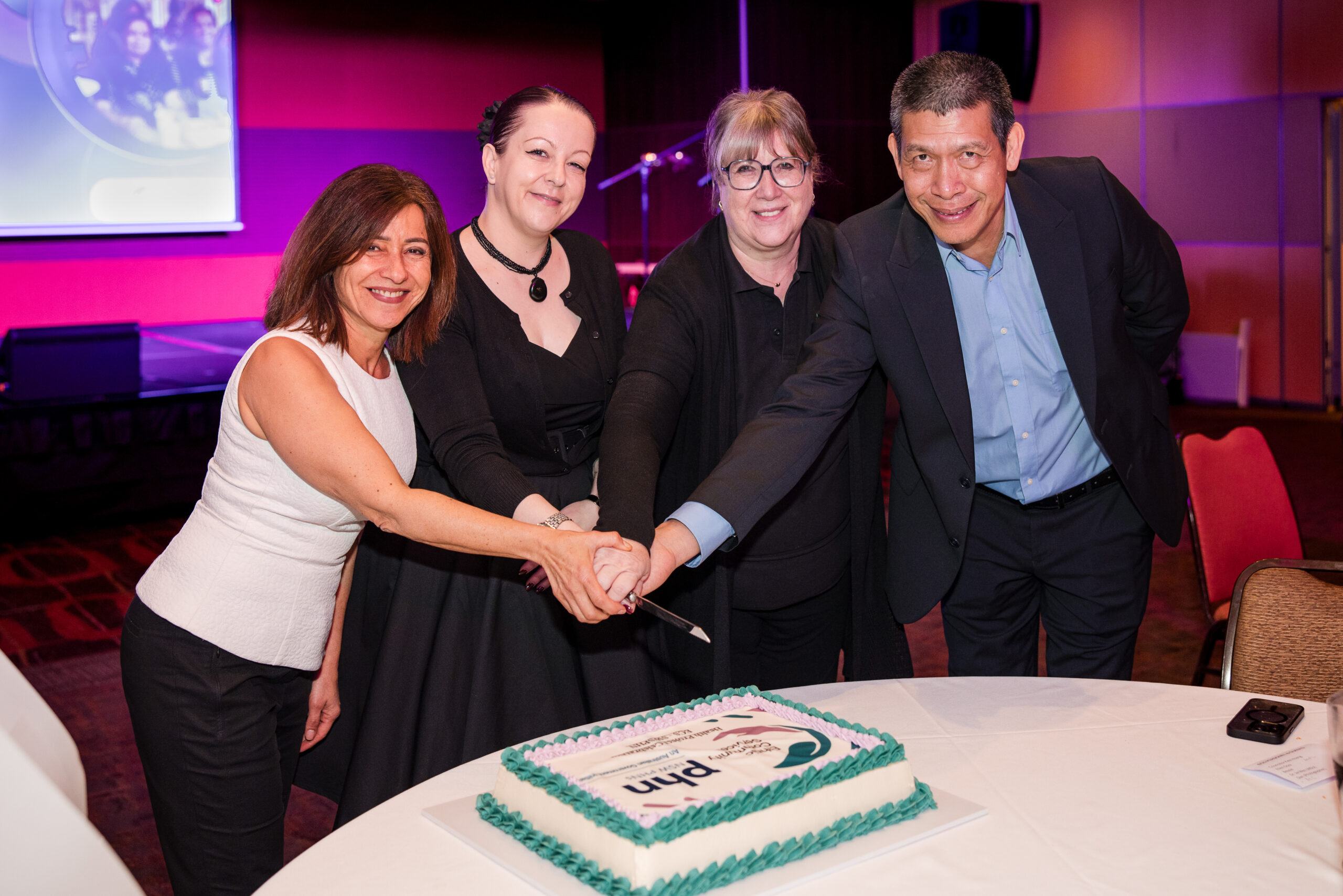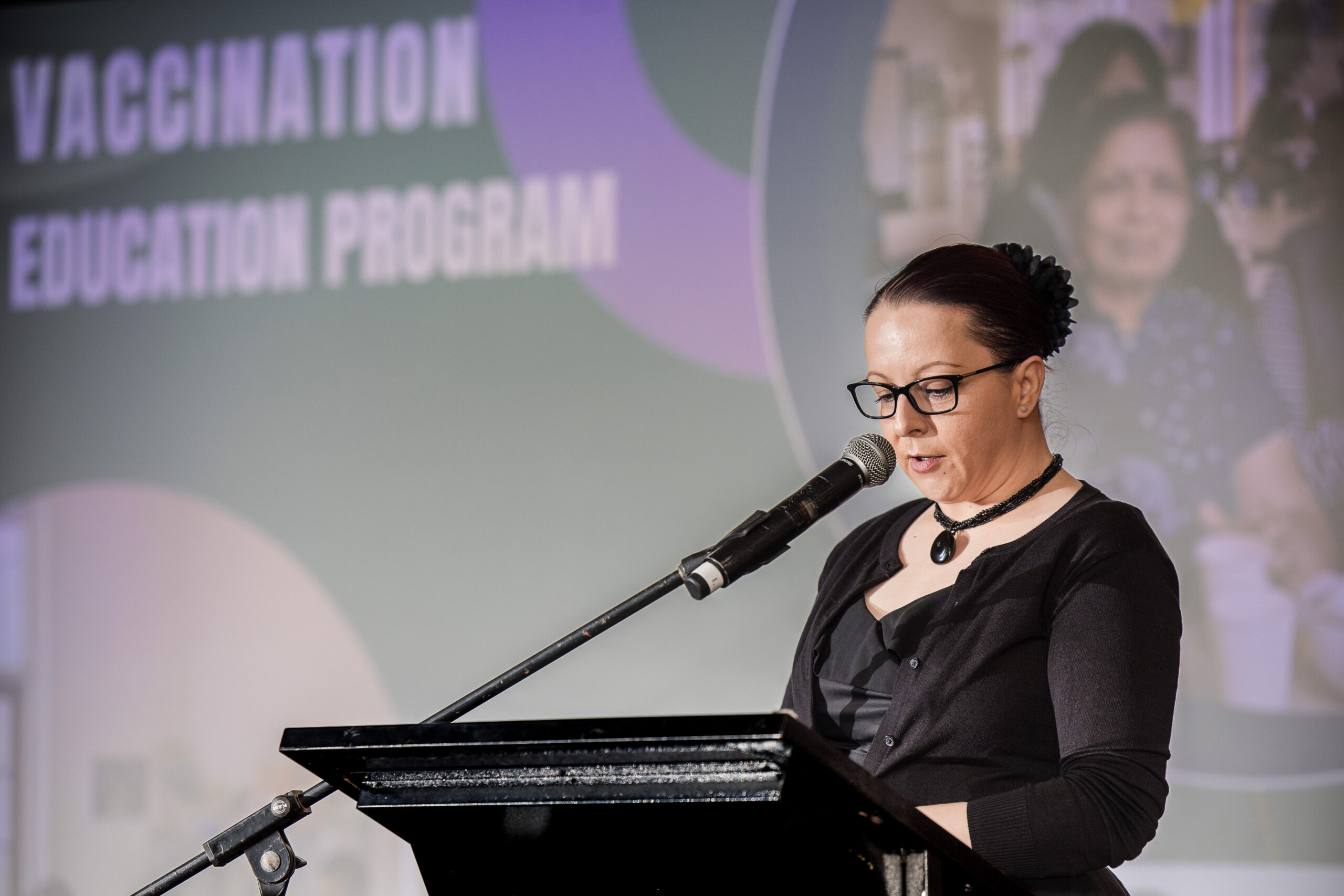
SWSPHN and Ethnic Community Services (ECS) are celebrating the success of an Education Program aimed at improving health literacy, promoting vaccination updates and inspiring confidence to navigate the healthcare system.
The Winter Readiness Education Program, delivered across Bankstown and Cabramatta, has brought together 600 participants through 17 multilingual workshops in Arabic, Chinese, Vietnamese and English.
Bilingual ECS workers and medical professionals facilitated the sessions, ensuring accessibility, cultural relevance and inclusivity.
The workshops provide practical information on COVID-19 and influenza vaccination, when and how to seek medical care, and how to use the Translating and Interpreting Service (TIS).
Each session includes a community lunch, to encourage social connection and open dialogue around health topics often affected by stigma or misinformation.
Participants praised the program’s accessible venues, engaging presentations and culturally sensitive approach.
Many highlighted the importance of delivering information in community languages, which allows them to discuss health topics freely and confidently.
“Thank you to SWSPHN and ECS for these information sessions. Your organisations value multiculturalism. The communication environment was warm and friendly,” a Mandarin-speaking participant said.
“After listening to the seminar, I understand when to call emergency services and how to use translation services when visiting a GP,” a Vietnamese-speaking participant said.
Interactive elements such as role-play activities on calling the TIS and presentations from individuals with lived experiences of COVID-19 and influenza were particularly impactful, helping participants connect knowledge to real-life situations.
Key lessons from Winter Readiness Education Program
The workshops reinforced the value of preventative health education and highlighted the effectiveness of informal, community-based learning environments.
Trusted facilitators, bilingual delivery and cultural sensitivity played key roles in fostering engagement and understanding.
However, participants also expressed a strong interest in expanding future programs. Suggested topics included:
- women’s health and mental wellbeing
- nutrition and chronic disease management
- healthy ageing and aged care services
- understanding Medicare, private health and hospital systems
- preventive care and traditional medicine comparisons
The ECS team commended SWSPHN, noting the partnership enabled effective delivery of high-quality, culturally tailored workshops.
“The resources and training materials provided by SWSPHN enhanced our capacity to run informative and engaging sessions,” the ECS coordination team said.
“We look forward to continuing this partnership to reach more communities across South Western Sydney.”
The Winter Readiness program demonstrates the power of collaboration between community organisations and the primary health sector.
By prioritising cultural understanding and accessibility, SWSPHN and ECS have built lasting trust and improved health literacy among diverse communities.
Participants’ enthusiasm and eagerness to learn more underline the importance of ongoing health education initiatives, not only for winter preparedness but for holistic wellbeing all year round.