


Measles is one of the most contagious diseases in the world, but it is also preventable.
Recent cases in Sydney, including South Western Sydney, mean the virus may be circulating in the community. NSW Health has identified a number of public exposure locations visited by infectious cases and continues to update the list as new information becomes available.
See the latest exposure locations on the NSW Health website.
Even if exposure sites are identified, measles can spread before people realise they are sick. This is why staying up-to-date with vaccination is the best protection for you, your family and the wider community.
Why measles vaccination matters
Measles spreads through the air when an infectious person coughs or sneezes, and the virus can linger in the air or on surfaces. If you are not protected, simply being in the same space as someone with measles can lead to infection.
For many people measles starts with fever, sore eyes, a runny nose and cough, followed by a red blotchy rash. However, the disease can also lead to serious complications such as pneumonia or inflammation of the brain.
Vaccination is highly effective. Two doses of the measles vaccine provide about 99% protection.
When most people in the community are immunised, it also protects babies, pregnant women and people with weakened immune systems who may not be able to receive vaccines themselves.
Why are we seeing measles again?
Australia successfully eliminated ongoing measles transmission in 2014. However, measles is still common in some parts of the world. Most cases in Australia start when someone becomes infected overseas and returns while they are contagious. When vaccination coverage drops or people are not fully immunised, outbreaks can occur.
If you grew up overseas
Vaccination schedules vary around the world. Some people who grew up overseas may not have received two doses of measles vaccine, or may not have records of their vaccinations.
If you were born after 1965 and are unsure about your measles vaccination history, you may be able to receive free catch-up vaccination under the National Immunisation Program.
Your GP or practice nurse can check your records and organise vaccination if needed. If there is no documentation, it is safe to receive another dose.
Are you vaccinated against measles?
Most people in Australia receive measles vaccination as part of the MMR (measles, mumps and rubella) vaccine.
You are likely protected if you:
- have received two doses of a measles-containing vaccine, or
- were born before 1966, when measles infection was common and most people developed natural immunity.
If you are unsure, your GP can help check your vaccination history.
Who can get the vaccine for free?
The measles vaccine is available free under the National Immunisation Program for:
- children and young people under 19 years
- people born after 1965 who have not had two doses
- refugees and humanitarian entrants of any age if not been previously vaccinated
Where to get immunised
You can get vaccinated at:
- your GP
- some pharmacies (for people aged 5 years and over)
- Aboriginal Medical Services and other vaccination providers
- South Western Sydney Local Health District are running free vaccination clinics up to 16 April 2026
Your GP or practice nurse can help you check your vaccination history and organise any catch-up doses if needed.
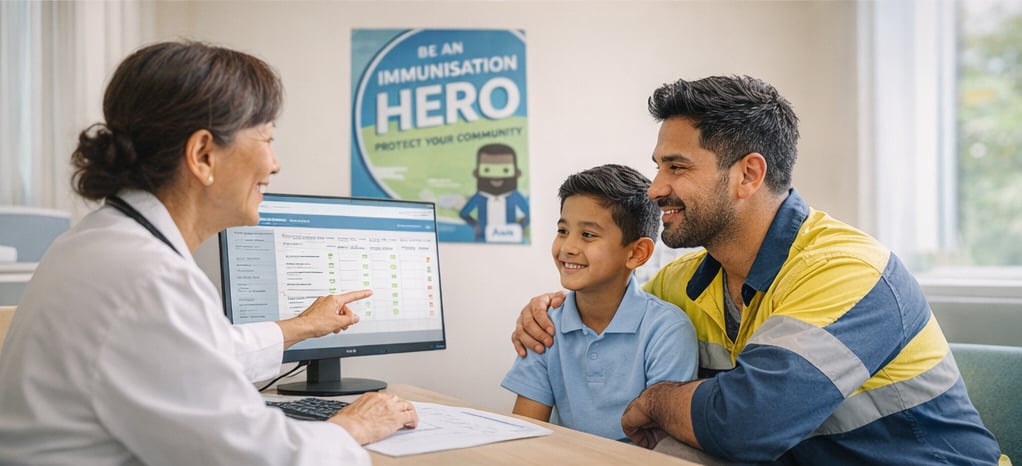
Be an Immunisation Hero
Measles outbreaks can occur when vaccination coverage drops or when travellers bring the virus back from countries where measles is still common.
By staying up to date with vaccination, you help protect your family and people in our community who are most vulnerable.
Healthy families. Stronger communities.
Be an Immunisation Hero – speak to your GP or practice nurse about measles vaccination.
Refugees and Humanitarian Entrants: Available for free at any age if they have not been previously vaccinated.