


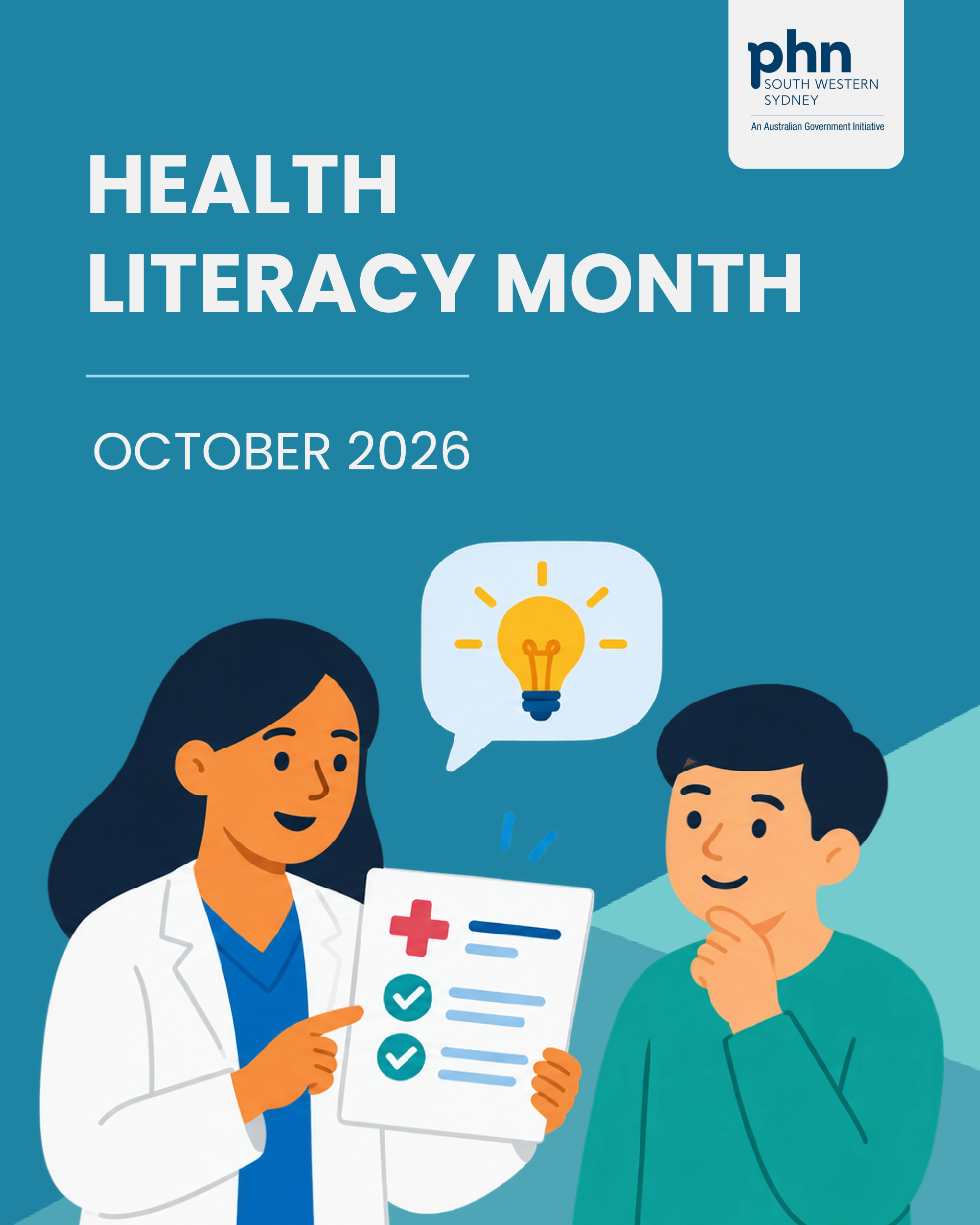
October is Health Literacy Month, a chance to highlight how important it is to be able to find, understand and use health information.
Health information can sometimes be complicated. Medical terms, test results, medicine instructions and knowing where to go for care can all be difficult to understand.
The good news is, there are simple things you can do to feel more confident managing your health.
1. Ask questions at your health appointments
Before an appointment, write down any questions you’d like to ask and bring a list of the medicines you’re taking.
During your appointment, ask your health professional to explain anything you don’t understand. Before you leave, make sure you know what you need to do next and why.
Healthdirect’s Question Builder can also help you prepare questions to take to your appointment.
Try the Healthdirect Question Builder
2. Find health information you can trust
There is a lot of health information online, but not all of it is reliable.
When reading health information online, ask:
- Who wrote the information?
- Is it from a recognised health organisation, government agency or other reliable source?
- Is the information current?
- Does the website provide evidence or explain where its information comes from?
- Is the information trying to sell a particular product or treatment?
If you’re unsure about health information you’ve found online, discuss it with an appropriate health professional.
Health information websites you can trust
Health Resource Directory – free local health information for people living in South Western Sydney
healthdirect – trusted Australian health information and advice
3. Ask if you don’t understand
Health information should be communicated in a way which meets your needs. You can ask your health professional to explain something differently, write information down or provide it in another format.
If English isn’t your preferred language, ask your healthcare provider about interpreter services.
Most importantly, don’t be afraid to ask questions. Clear information can help you make informed decisions about your health and know what to do next.