


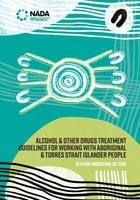
SWSPHN has partnered with five other PHNs, the Network of Alcohol and other Drugs Agencies (NADA), local Aboriginal community leaders and non-government organisations to develop guidelines to providing culturally safe care to Aboriginal and Torres Strait Islander people.
The guidelines aim to support non-Aboriginal service providers in the Alcohol and Other Drugs (AOD) sector to establish better relationships and linkages with Aboriginal organisations and communities to ensure services are safe and accessible.
The resource is not intended to replace the provision of services from specialist Aboriginal AOD services or community-controlled healthcare services but to improve the cultural appropriateness of mainstream services for Aboriginal people.
The guidelines, launched in early June, took two years to develop and followed consultation and advice from Aboriginal leaders and communities, the Aboriginal Drug and Alcohol Residential Rehabilitation Network, the Aboriginal Health and Medical Research Council and members of the Aboriginal Drug and Alcohol Network.
The project also included 15 service providers across NSW who completed a pre and post audit of their organisation and attended a guideline workshop to measure if there was change within their organisation.
Some of the feedback from participating services included:
“Having an organisation actually come in go, ‘this is where you’re doing well. These are the areas you can improve on’, I think that’s really very valuable.”
“It’s been really positive for us, and I think it’s given us a really good framework of where we need to step up and what we can be doing a little bit more … and what things will be looking like for us to move forward to be working in a safe place for our clients.”
SWSPHN Integrated Health Manager Michelle Roberts said the valuable resource showed what could be achieved when stakeholders partnered to support the Aboriginal community’s access to non-Aboriginal services.
“The results so far have been very positive,” she said.
“The guidelines have already helped improve the cultural competence of all participating services and this has tended to flow through to an increase in the number of Aboriginal people being treated by these services.
“The project has helped organisations with recruitment of Aboriginal staff and decision-making in forming new programs and has impacted how services operate across their wider organisation.”